
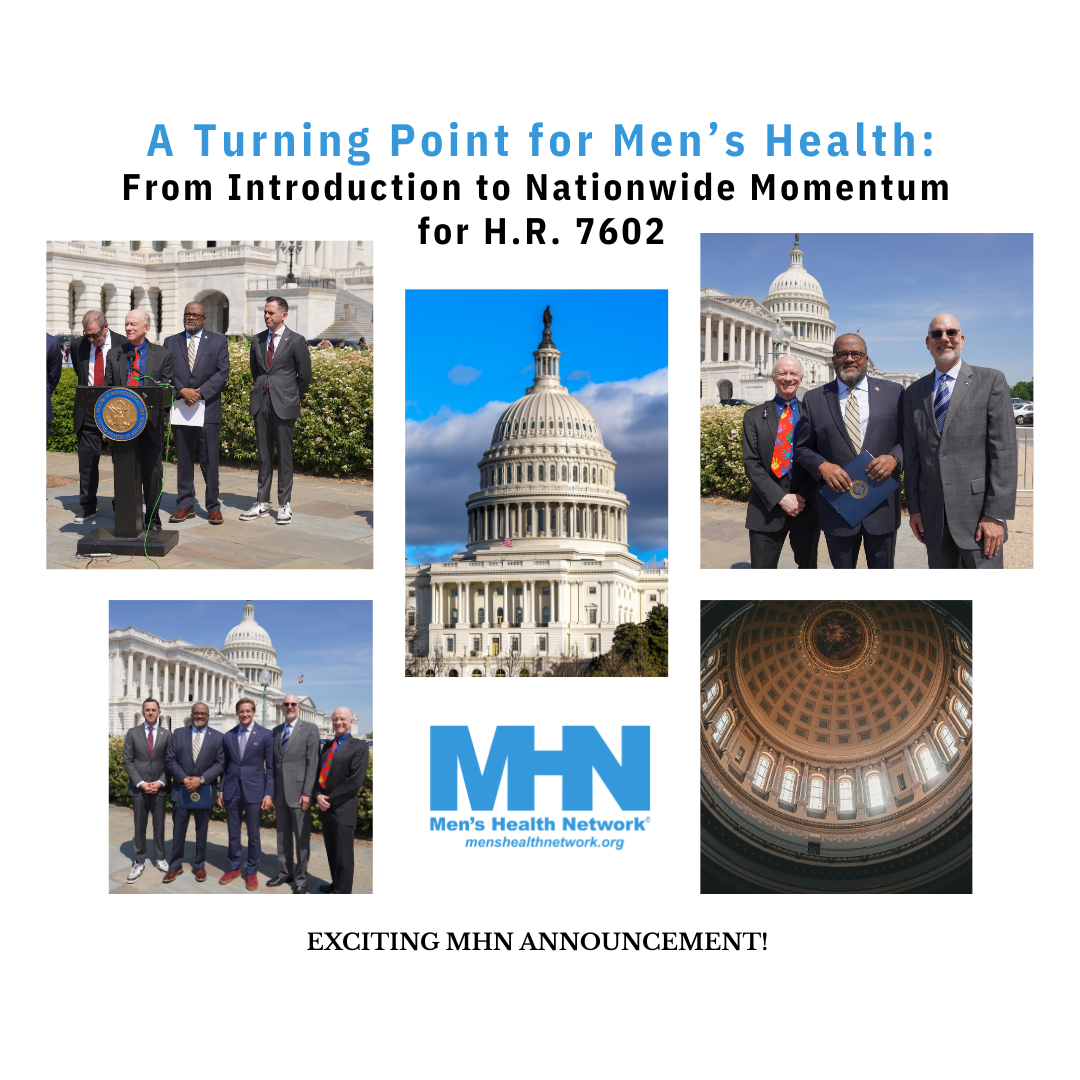
A Turning Point for Men’s Health: From Introduction to Nationwide Momentum for H.R. 7602
A historic shift is underway in men’s health policy. This blog explores the introduction of the State of Men’s Health Act (H.R. 7602), the growing bipartisan and national medical support behind it, and the landmark recognition of Men’s Health Nursing as a specialty—marking a pivotal moment in strengthening federal coordination, clinical infrastructure, and prevention efforts for men and boys across the United States.CONTINUE READING→
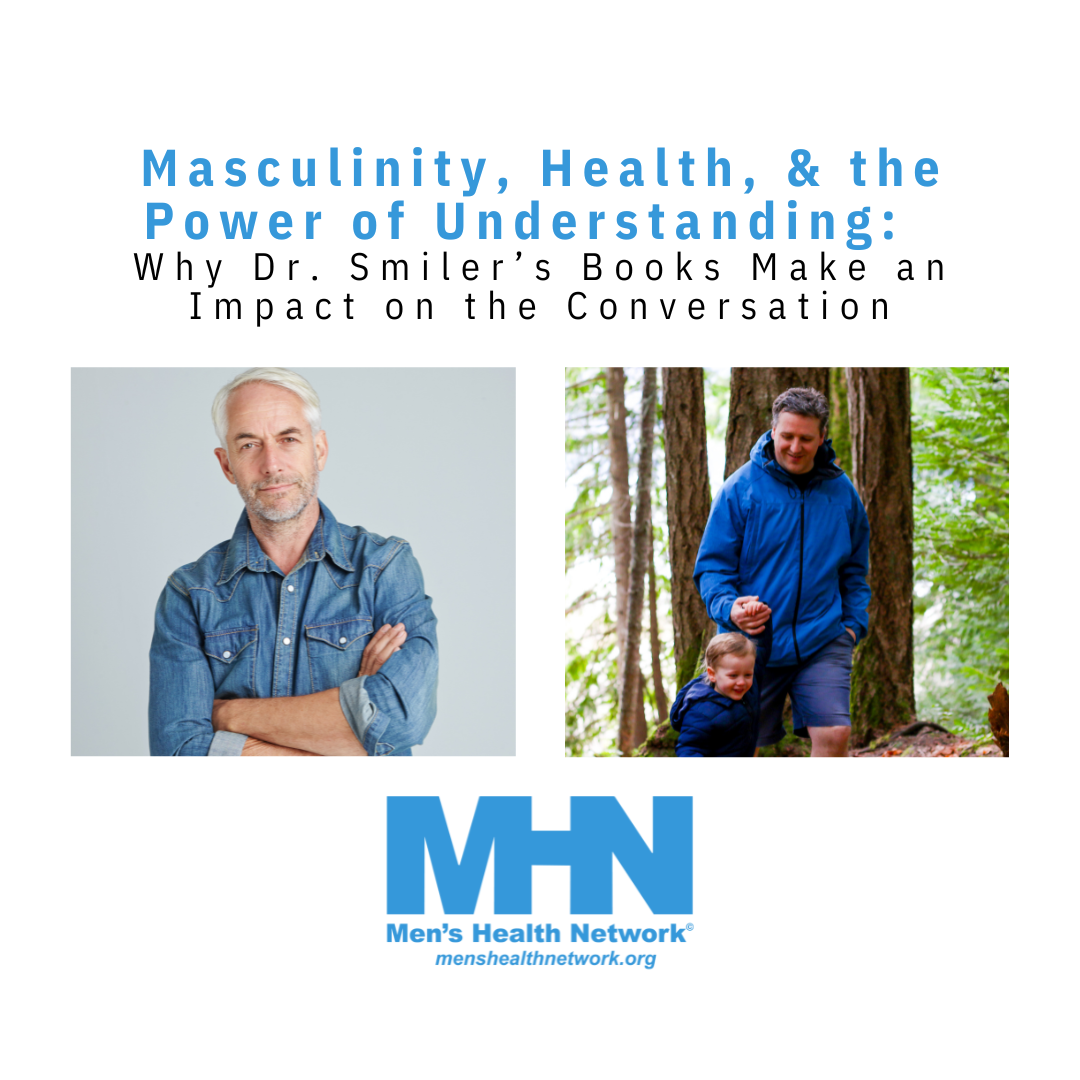
Masculinity, Health, and the Power of Understanding: Why Dr. Smiler’s Books Make an Impact on the Conversation
This blog highlights how Andrew Smiler brings clarity and balance to today’s conversations about masculinity through Is Masculinity Toxic?: A Primer for the 21st Century and The Masculine Self (7th Edition). Together, these books offer accessible language and evidence-informed insight into how masculine norms shape health, behavior, and relationships, moving the conversation beyond sound bites toward understanding that supports healthier outcomes for men and boys.CONTINUE READING→
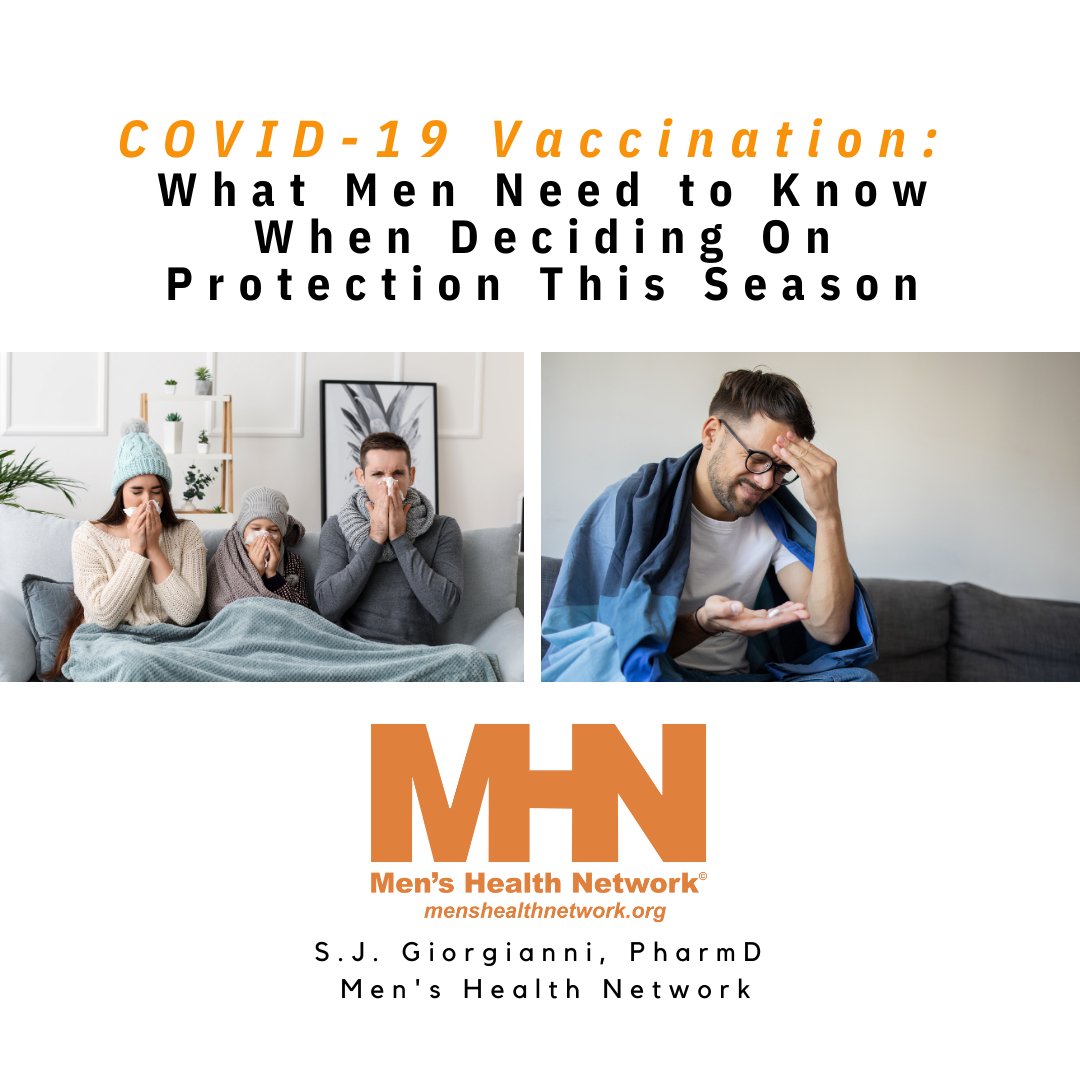
COVID-19 Vaccination: What Men Need to Know When Deciding On Protection This Season
SR. Science Advisor, Dr. S.J. Giorgianni, PharmD, says: As respiratory illness season returns, COVID-19 remains active and can still pose serious risks—especially for men age 65 and older and those with underlying conditions like obesity, diabetes, heart or lung disease. Updated 2025–2026 CDC guidance recommends seasonal vaccination for these higher-risk groups, noting that immunity can wane and the virus continues to evolve. This season offers both protein subunit and mRNA vaccine options, giving individuals more choice in how they seek protection. Men’s Health Network encourages informed decision-making in consultation with a healthcare provider, as vaccination can help reduce the risk of severe illness, hospitalization, long-COVID, financial strain, and death.CONTINUE READING→
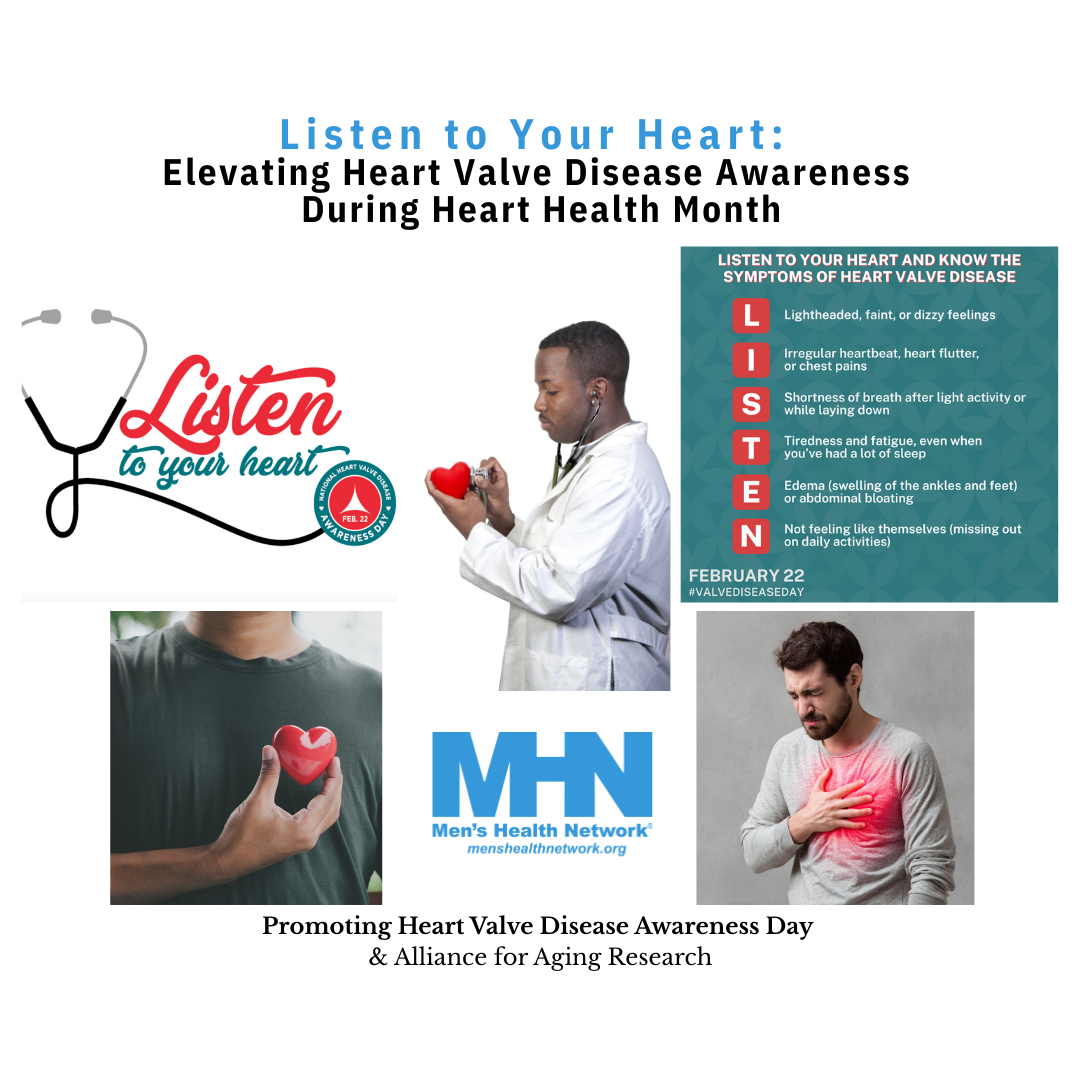
Listen to Your Heart: Elevating Heart Valve Disease Awareness During Heart Health Month
Heart Health Month and Heart Valve Disease Awareness Day (February 22) highlight the importance of recognizing and addressing heart valve disease—an often underdiagnosed condition affecting millions of Americans, particularly older adults. Many people experience symptoms that are mistaken for normal aging, delaying diagnosis and treatment. Awareness and early detection are critical, as heart valve disease is treatable when identified in time. Through the Alliance for Aging Research’s Heart Valve Disease Awareness Day campaign, individuals and organizations can access ready-to-use educational and social media resources to help spread awareness. By downloading and sharing these materials, everyone can play a role in encouraging conversations, earlier screening, and better heart health outcomes.CONTINUE READING→
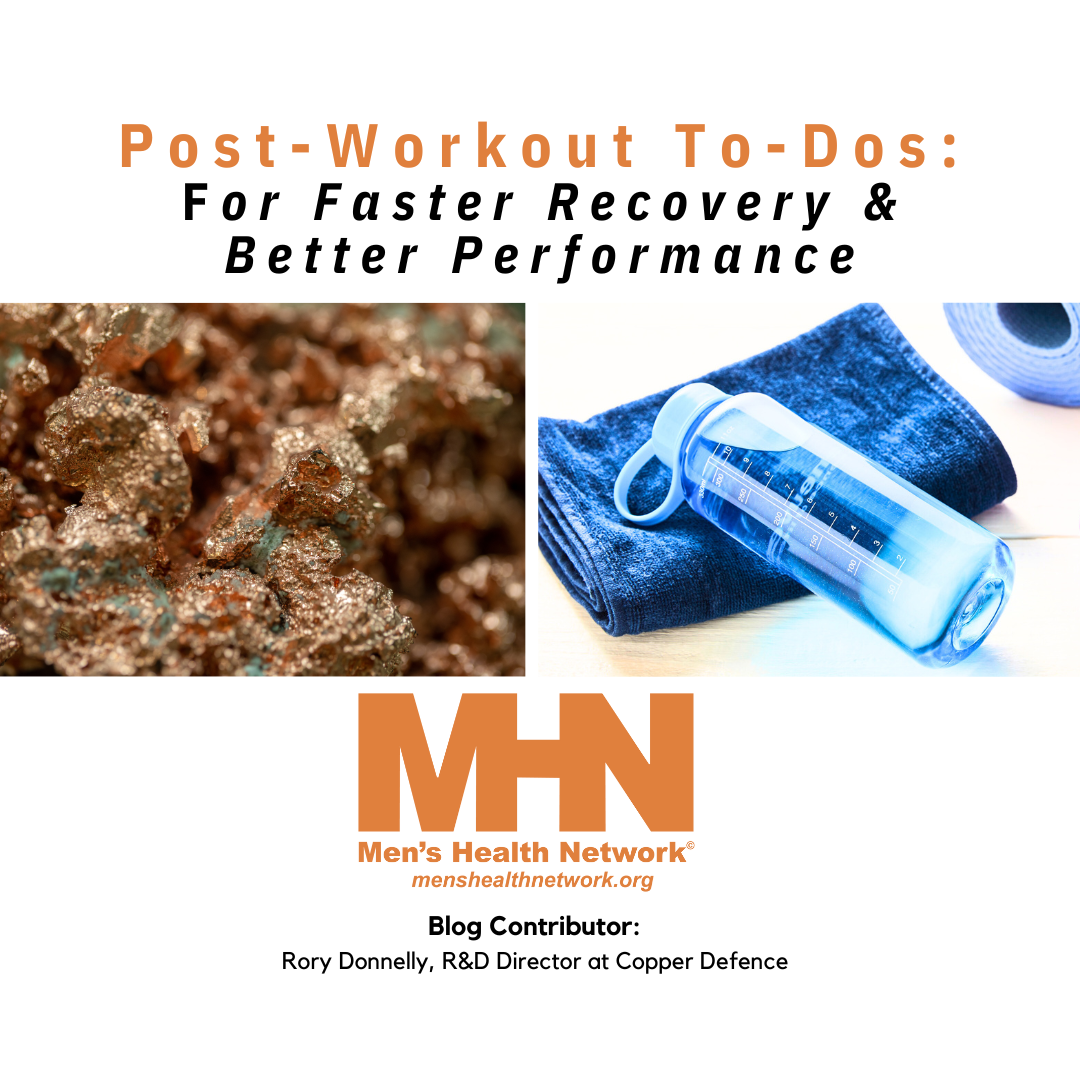
Post-Workout To-Dos for Faster Recovery & Better Performance
Post-workout recovery plays a critical role in improving performance, preventing injury, and supporting long-term fitness. This article outlines practical, science-informed steps to help the body recover after exercise, including proper hydration, balanced nutrition, gentle stretching, active recovery, and quality sleep. By listening to the body and adopting a consistent recovery routine tailored to individual needs, readers can reduce soreness, restore energy, and build resilience—making recovery just as important as the workout itself.CONTINUE READING→

Announcing the My Cancer, My Plan Podcast: Launching on World Cancer Day to Empower Men Facing Cancer
This blog announces the launch of the *My Cancer, My Plan Podcast* on World Cancer Day 2026, a new six-episode series from Men’s Health Network designed to support men at one of the most overwhelming moments of their lives, a cancer diagnosis. Built from the *My Cancer, My Plan* digital guide, the podcast delivers trusted, patient-focused education through a men’s health lens, featuring candid conversations with cancer patients, caregivers, oncologists, and national experts. Each episode tackles critical topics such as biomarker and genetic testing, treatment side effects, equity in cancer care, caregiving, and informed decision-making, with the goal of helping men ask better questions, make confident choices, and understand that they do not have to navigate cancer alone.CONTINUE READING→
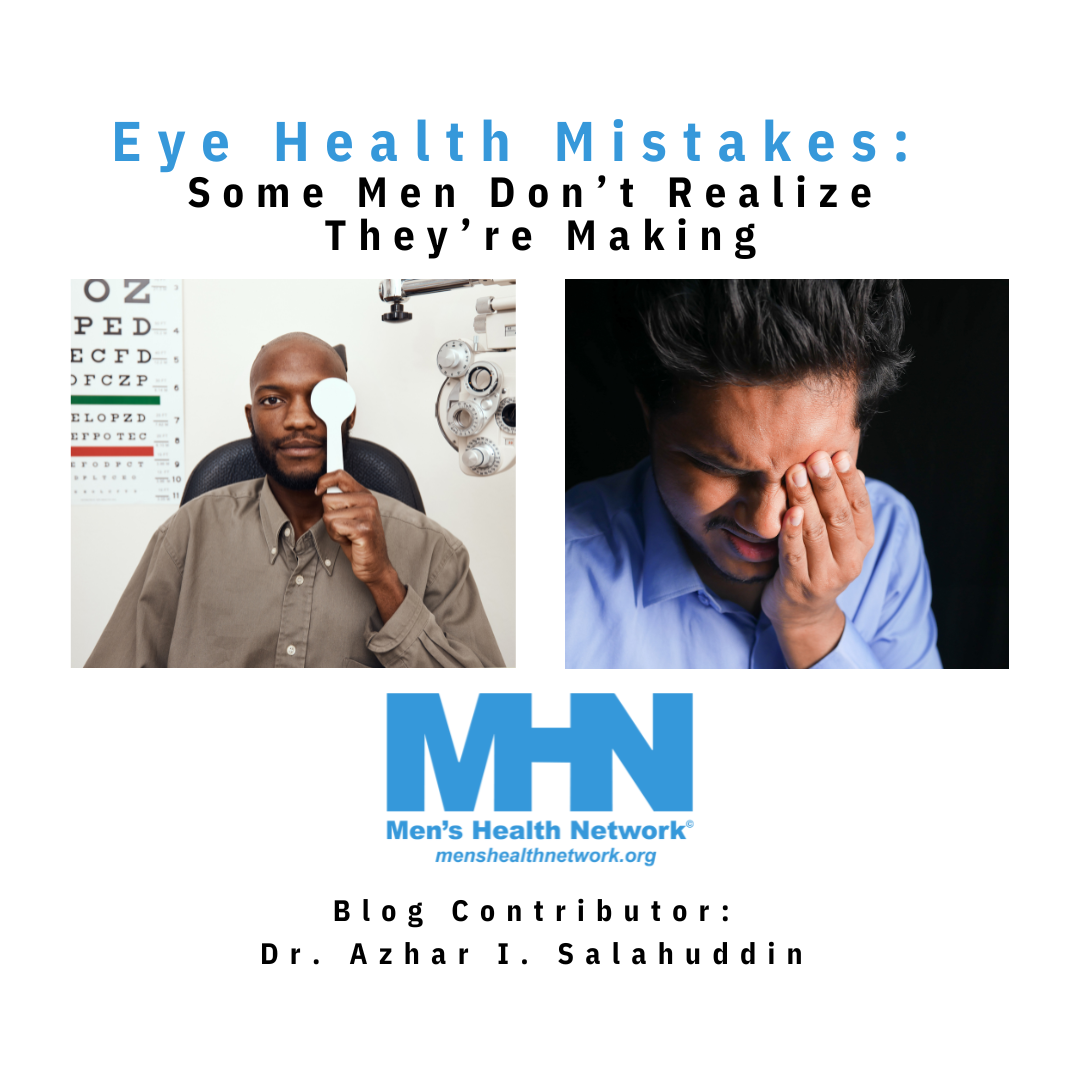
Eye Health Mistakes: Some Men Don’t Realize They’re Making
Many men don’t realize that everyday habits like skipping eye exams, excessive screen time, poor diet, and improper eye protection can quietly damage their vision over time. This blog highlights the most common eye health mistakes men make and offers practical, easy-to-follow solutions to protect eyesight, prevent long-term problems, and support healthy vision at every stage of life.CONTINUE READING→
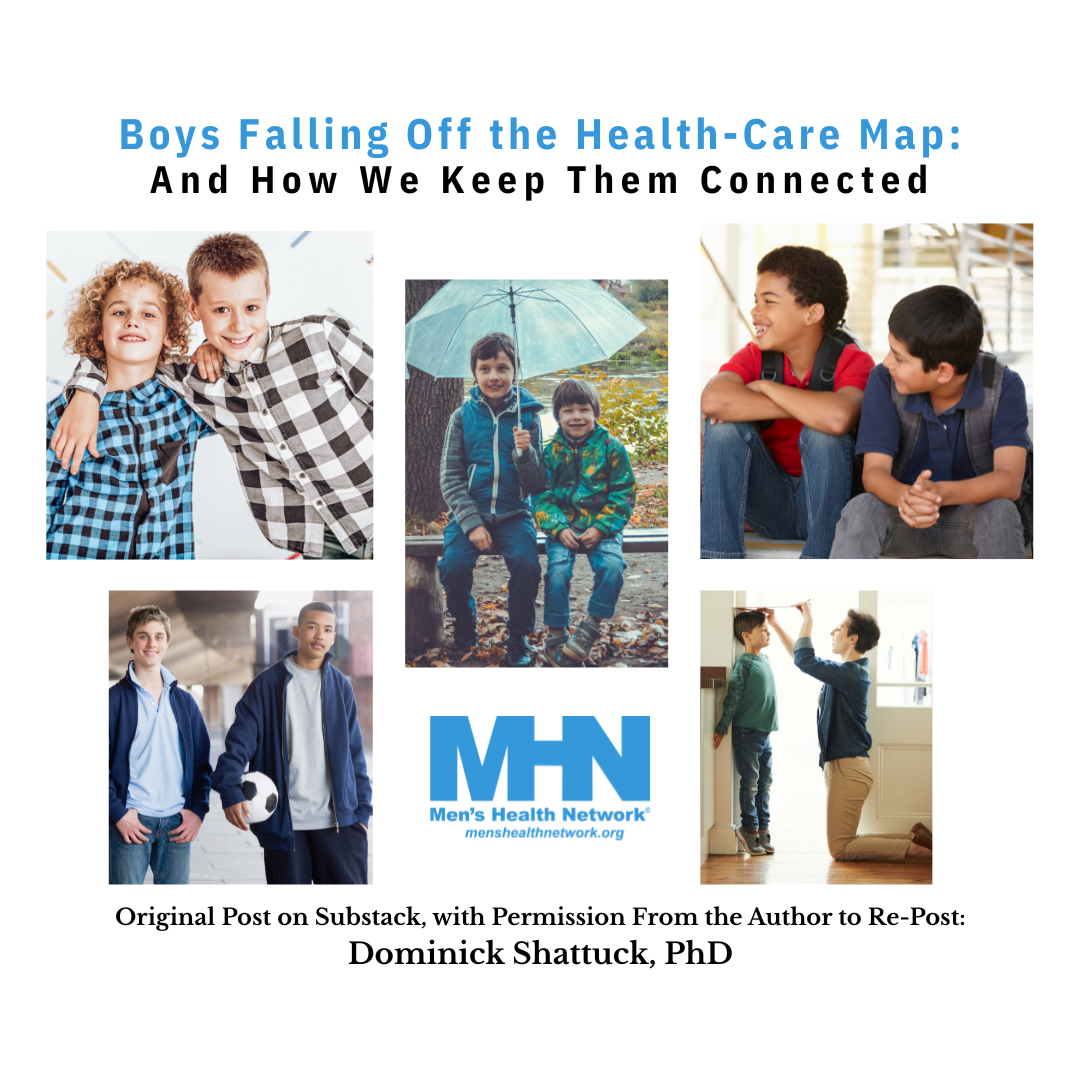
Boys Falling Off the Health-Care Map: And How We Keep Them Connected
This blog, reposted from Dominick Shattuck, PhD’s Substack with permission from the author, examines new research showing how many boys quietly disengage from preventive health care during the transition from adolescence to young adulthood. Drawing on findings from the Journal of Adolescent Health and decades of men’s health research, the piece explores how masculinity norms, low perceived risk, structural barriers, and unwelcoming health systems contribute to boys “falling off the health-care map.” It highlights why this early disengagement matters for long-term health outcomes and outlines practical, evidence-informed strategies for building health systems that keep boys connected to care before preventable problems become lifelong challenges.CONTINUE READING→
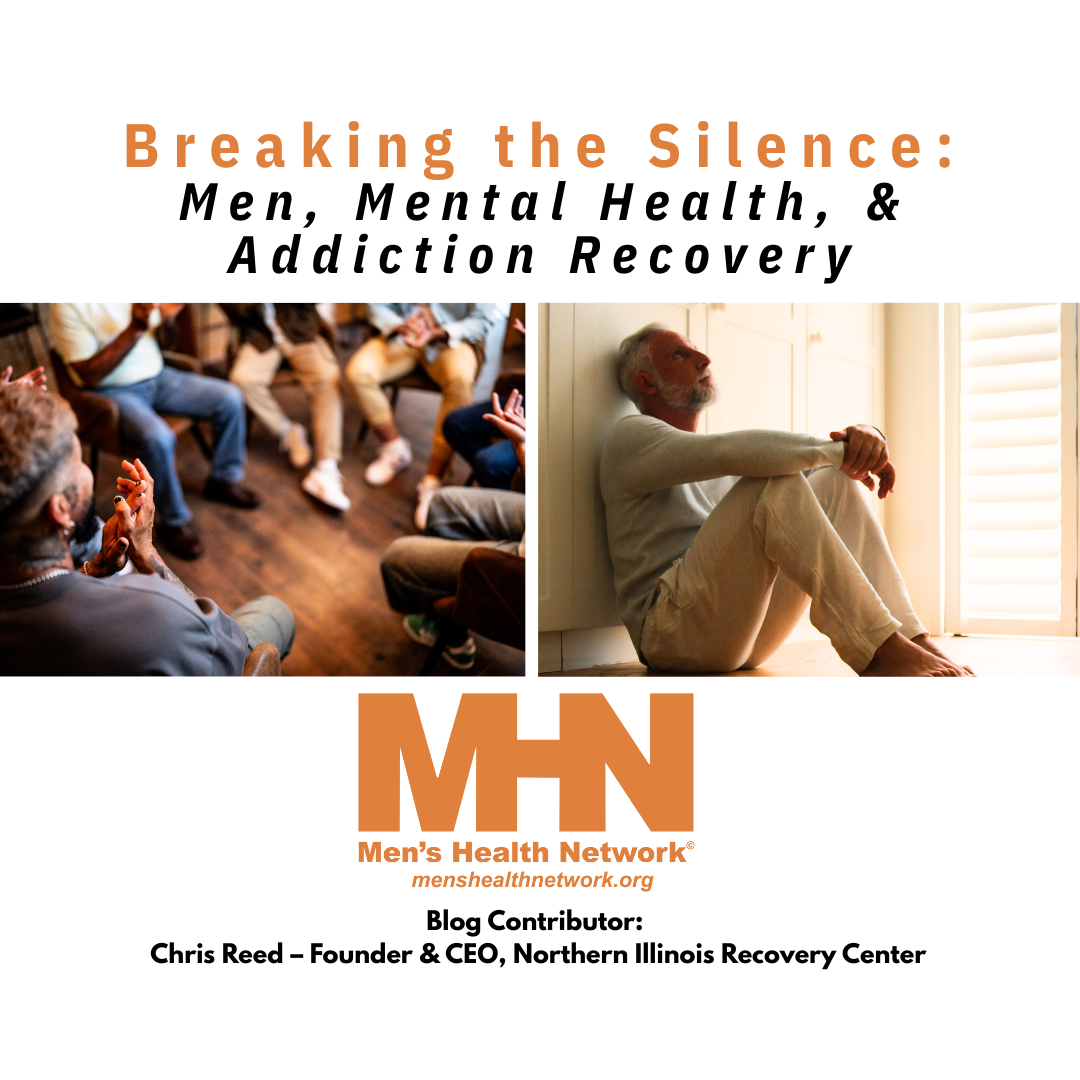
Breaking the Silence: Men, Mental Health, and Addiction Recovery
Men’s mental health and addiction are deeply connected, yet many men struggle in silence due to stigma and cultural expectations. This blog explores the unique mental health challenges men face, the link between untreated mental health conditions and substance use, and the barriers that prevent men from seeking help. Highlighting the work of Men’s Health Network and Northern Illinois Recovery Center, it underscores the importance of male-focused, evidence-based treatment, education, and community support in breaking the silence and helping men begin the path toward recovery and long-term wellness.CONTINUE READING→

Illinois Leads the Nation in Men’s Health: A Closer Look at the 2025 Men’s Health Assessment
Illinois is leading the nation in men’s health by becoming one of the only states with a dedicated Men’s Health Section within its Department of Public Health. The newly released Men’s Health Assessment 2025, authored by Andrew Lerch, DPT, PT, provides a comprehensive, data-driven look at the health challenges facing men across the state. This landmark report highlights disparities, identifies priority areas for action, and offers a blueprint for how states can integrate men’s health into public health strategy, policy, and practice.CONTINUE READING→