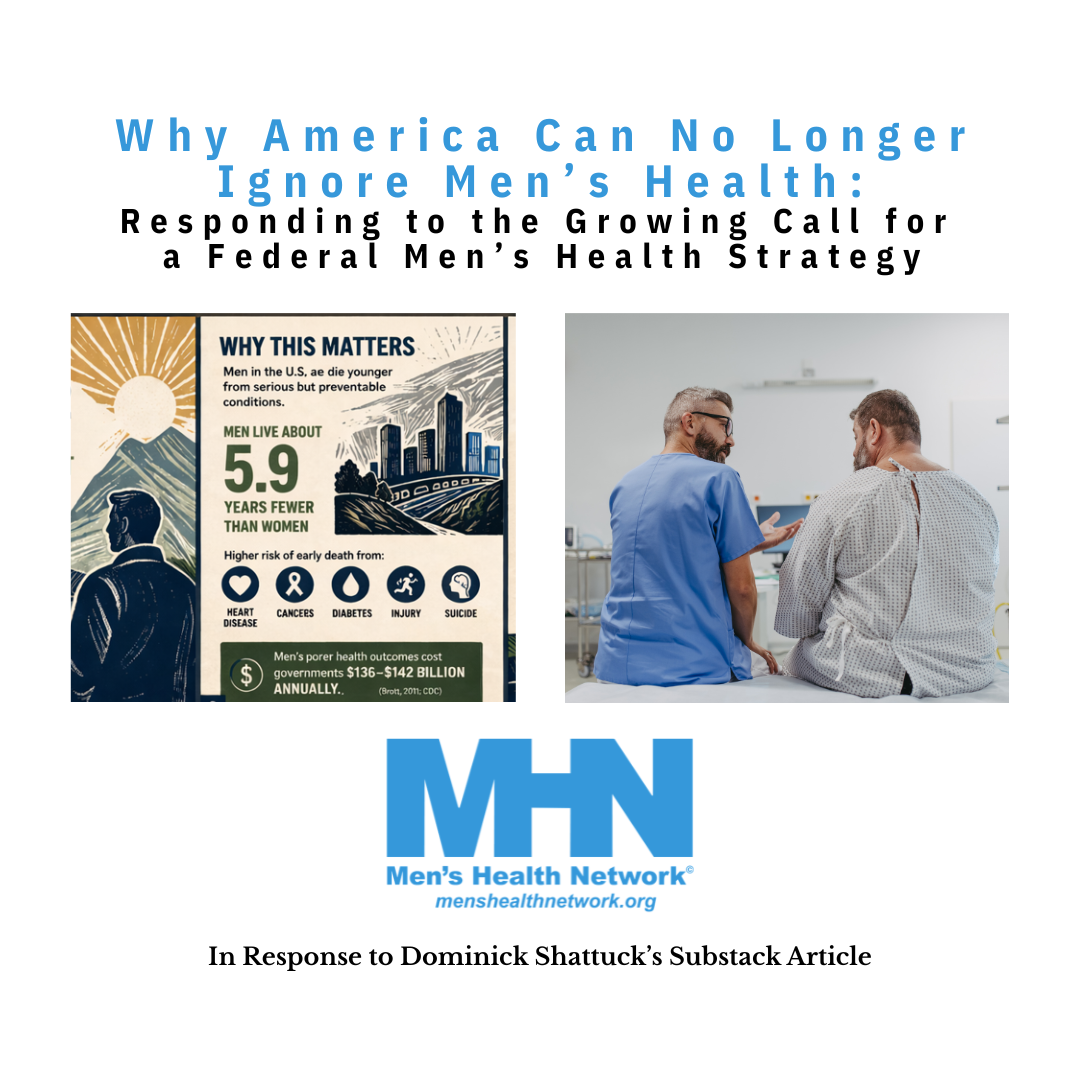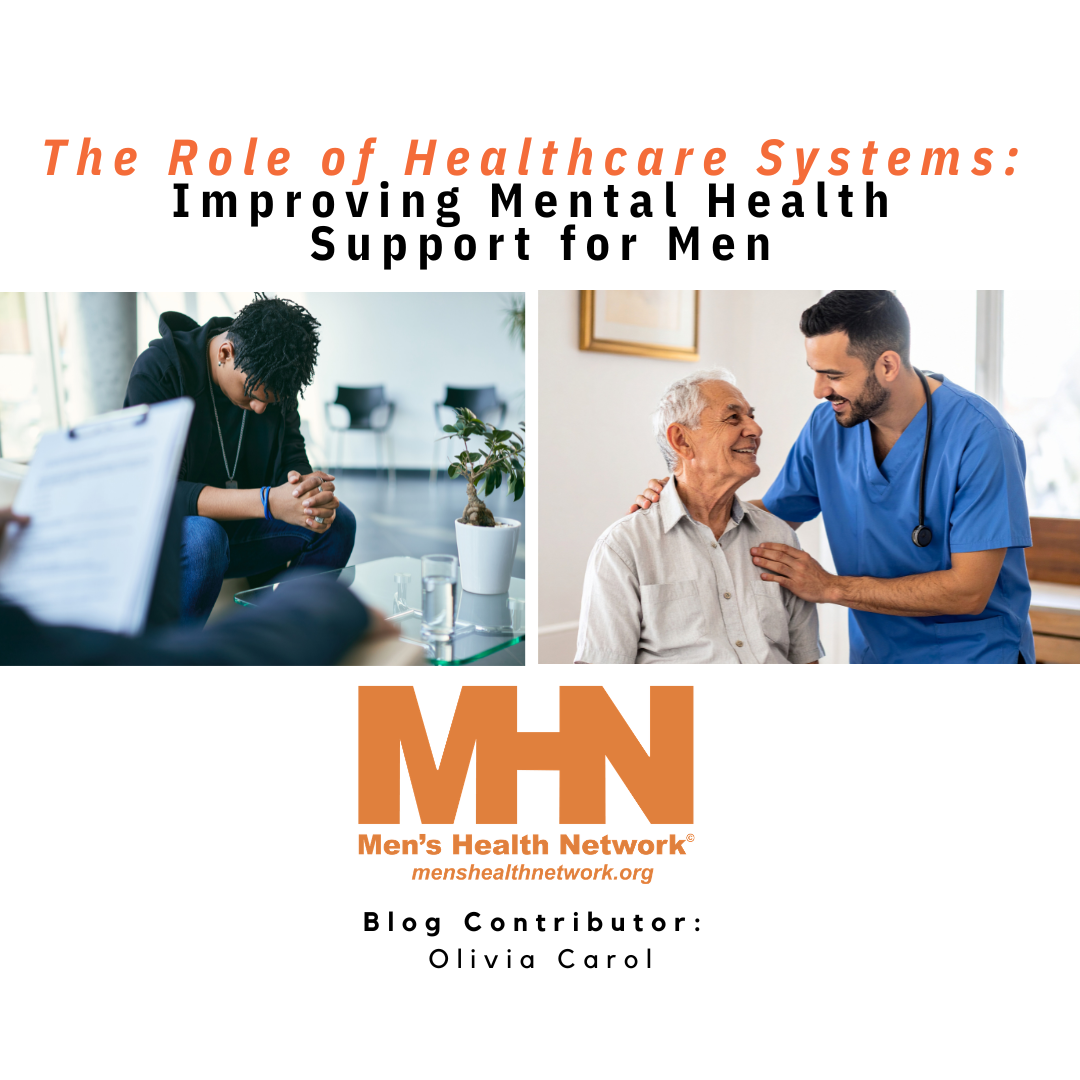
This blog explores the important role healthcare systems play in improving mental health support for men. It highlights how stigma, traditional masculinity norms, underdiagnosis, and delayed intervention often prevent men from seeking mental health care early. The article discusses how healthcare systems can help close these gaps by expanding access to care, integrating mental health into primary care settings, improving early screening and preventive services, and reducing administrative and financial barriers that limit treatment access. It also examines the operational challenges healthcare providers face when delivering mental health services, including insurance complexity, reimbursement issues, staffing burdens, and long-term care costs. Ultimately, the blog emphasizes that improving men’s mental health outcomes requires a system-wide approach focused on accessibility, early intervention, integrated care, and sustainable healthcare infrastructure that encourages men to seek support without stigma. Continue reading
Category: Parenting
June 2026: Men’s Health Month is Here!
June marks Men’s Health Month and International Men’s Health Week, nationally and internationally recognized awareness periods focused on improving the health and well-being of men and boys through education, prevention, early detection, advocacy, and community engagement. Throughout the month, Men’s Health Network highlights important conversations around preventive care, mental health, chronic disease prevention, fatherhood, caregiving, workplace wellness, and closing the Lifespan Gender Gap through awareness campaigns, policy updates, community partnerships, and actionable health resources.Continue reading
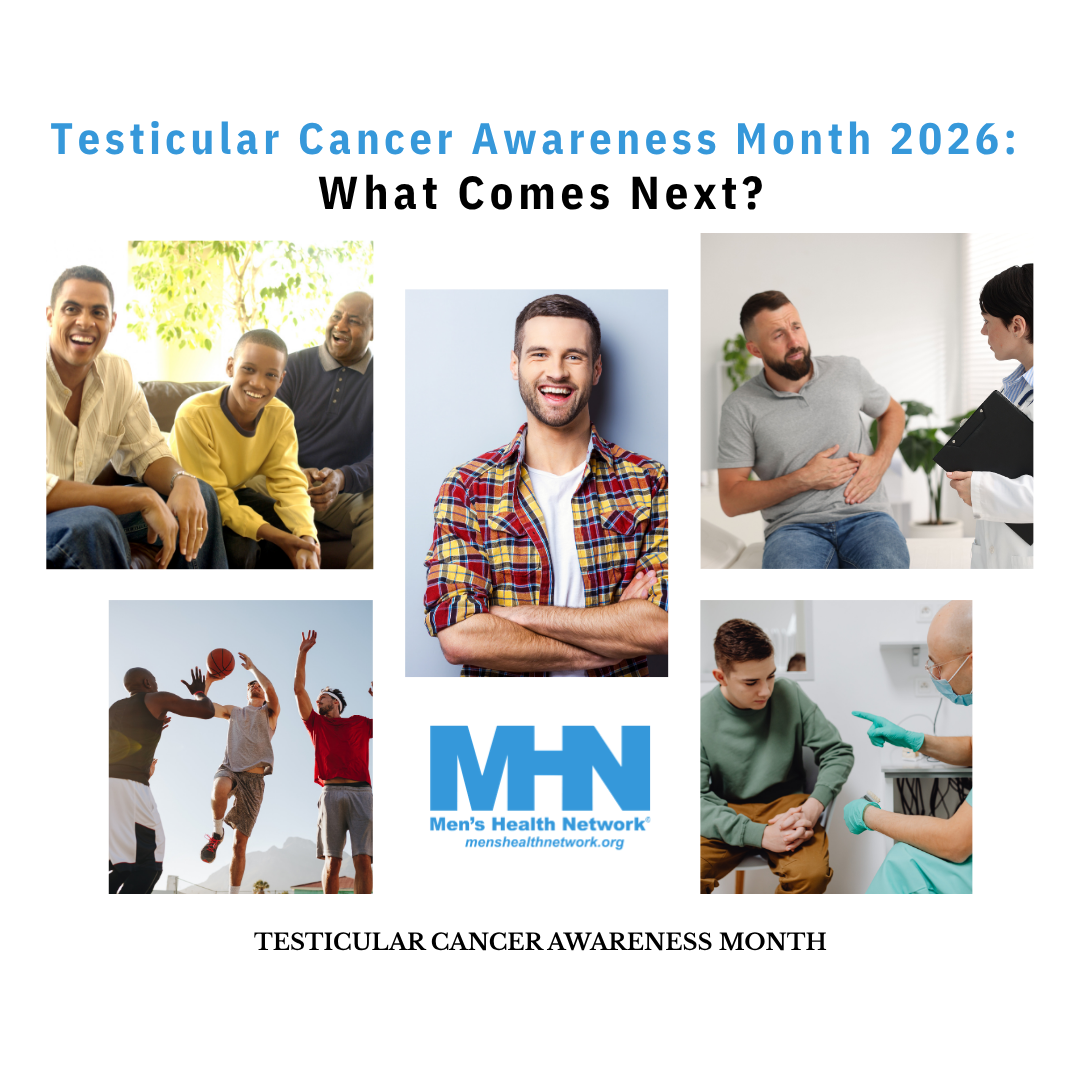
Testicular Cancer Awareness Month 2026: What Comes Next?
As Testicular Cancer Awareness Month concludes, the focus shifts from awareness to action—encouraging individuals to continue conversations, share resources, and support early detection efforts. Testicular cancer primarily affects young men ages 15–35, and outcomes are highly favorable when identified early, making education and communication critical. The blog emphasizes that small, everyday actions—like speaking up, checking in, or sharing information—can lead to life-saving outcomes. It also reinforces that awareness should extend beyond April, helping build long-term habits and a culture where men’s health is openly discussed and prioritized. Looking ahead, Men’s Health Month 2026 expands this momentum, promoting broader engagement across prevention, education, and community outreach, with opportunities to get involved through toolkits and educational resources.Continue reading
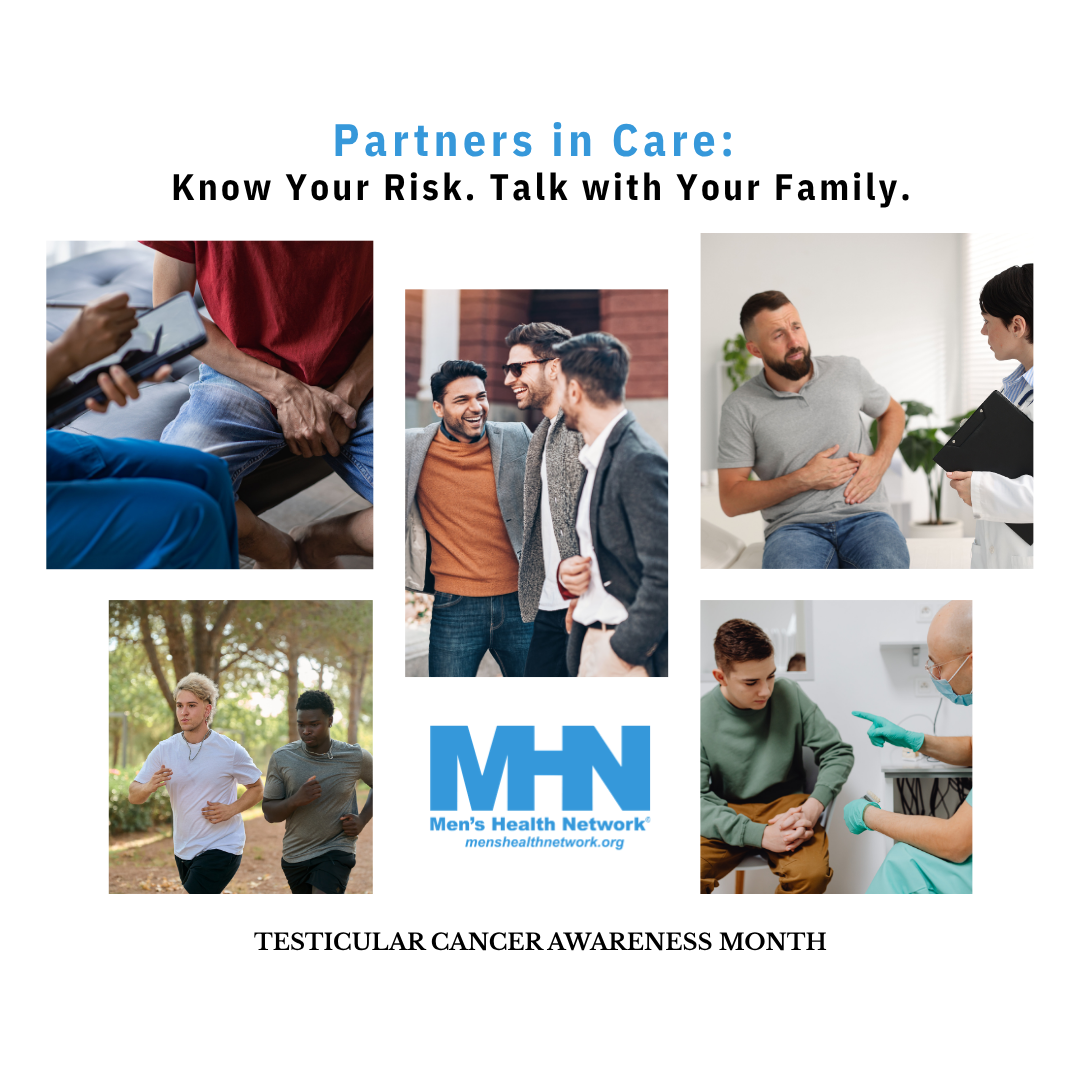
Testicular Cancer Awareness Month… Partners in Care: Know Your Risk. Talk with Your Family.
Testicular Cancer Awareness Month highlights the importance of early detection, education, and open conversations about a cancer that most often affects young men ages 15–35. With nearly 10,000 diagnoses each year in the United States and high survival rates when detected early, awareness and proactive health behaviors are critical. The theme, “Partners in Care: Know Your Risk. Talk with Your Family,” emphasizes the role families and communities play in supporting men’s health through communication, self-awareness, and early engagement with care.Continue reading
November: A Month to Focus on Men’s Health and Community
November is a pivotal month for raising awareness about men’s health and community well-being. From Alzheimer’s and diabetes to epilepsy, tobacco use, and sexual health, each observance offers an opportunity to take action and encourage preventive care. Men’s Health Network emphasizes that health doesn’t take a season off—simple habits, early conversations, and empathy-driven outreach can make lasting change. This month’s blog highlights national campaigns like the Great American Smokeout, National Diabetes Month, and Impotence Education Month, alongside Illinois’ groundbreaking creation of a Division of Men’s Health. It also spotlights the growing Men’s Health Ambassadorship Program—ordinary people doing extraordinary work to close the Lifespan Gender Gap and build healthier communities. Through awareness, advocacy, and everyday choices, November reminds us that improving men’s health is a shared mission that benefits families, workplaces, and society as a whole.Continue reading
Simple and Effective Ways Fathers Can Support Healthy Habits in Kids
Fathers play a powerful role in shaping their kids’ lifelong health. By modeling good habits—like eating balanced meals, staying active, keeping a sleep routine, managing emotions, and building positive relationships—dads can make healthy living natural, fun, and lasting.Continue reading
Prostate Cancer Awareness Month 2025: Prevention, Action, and Community Support
Men’s Health Network marks Prostate Cancer Awareness Month 2025 by stressing prevention, early detection, and community support. With over 299,000 men expected to be diagnosed this year, awareness saves lives. MHN offers a free toolkit, encourages families to promote screenings, and invites readers to subscribe, donate, and become Ambassadors to spread the message nationwide.Continue reading
Man Therapy® – You Can’t Fix Your Mental Health With Duct Tape.
This blog highlights Man Therapy®, a groundbreaking men’s mental health initiative that uses humor, education, and stigma-smashing strategies to engage men upstream of crisis. By reframing mental health as a sign of strength and providing practical tools, resources, and research-backed approaches, Man Therapy helps men take action, build resilience, and reduce suicide risk in their communities.Continue reading
Amplified: Barbershops as a Gateway to Elevating Reproductive Health for Black Men
The blog highlights how stigma, silence, and systemic barriers prevent Black men from accessing reproductive health care, despite high rates of infertility and erectile dysfunction. Through the Roots, Remedies & Reproductive Health initiative, barbershops are transformed into trusted spaces where Black men can openly discuss reproductive health, gain culturally responsive education, and take empowered steps toward wellness.Continue reading