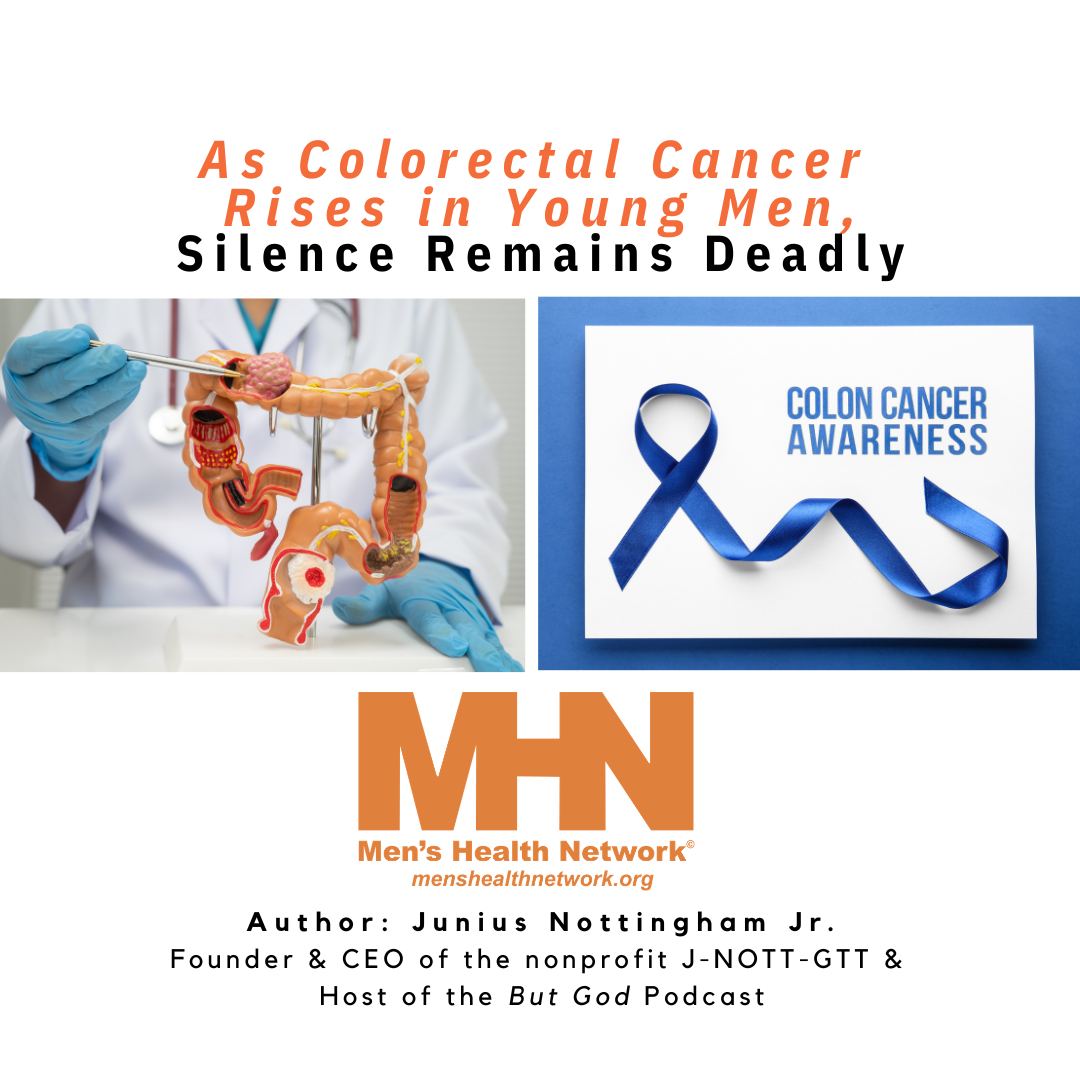
This blog explores the important role healthcare systems play in improving mental health support for men. It highlights how stigma, traditional masculinity norms, underdiagnosis, and delayed intervention often prevent men from seeking mental health care early. The article discusses how healthcare systems can help close these gaps by expanding access to care, integrating mental health into primary care settings, improving early screening and preventive services, and reducing administrative and financial barriers that limit treatment access. It also examines the operational challenges healthcare providers face when delivering mental health services, including insurance complexity, reimbursement issues, staffing burdens, and long-term care costs. Ultimately, the blog emphasizes that improving men’s mental health outcomes requires a system-wide approach focused on accessibility, early intervention, integrated care, and sustainable healthcare infrastructure that encourages men to seek support without stigma. Continue reading
Tag: public health
June 2026: Men’s Health Month is Here!
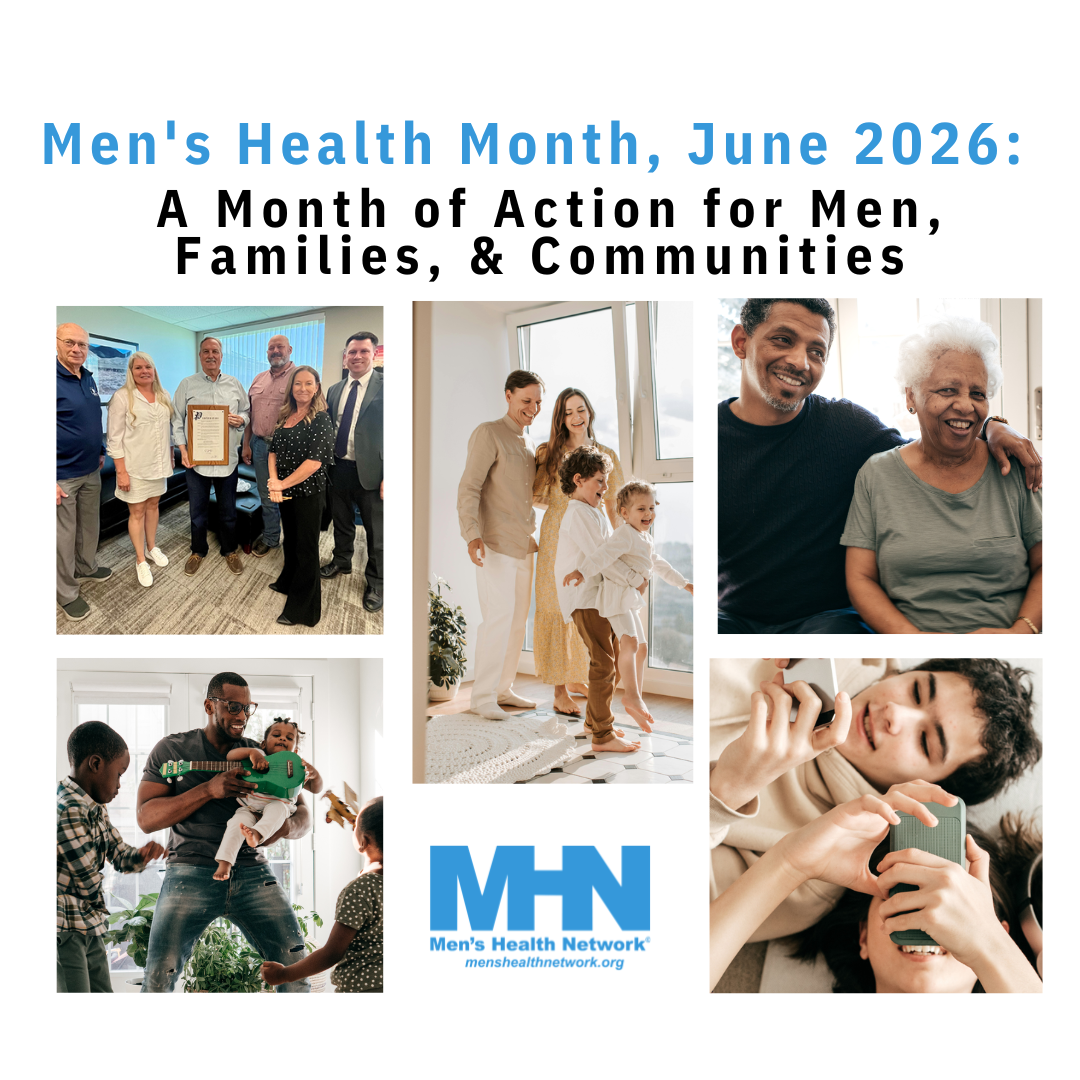
June marks Men’s Health Month and International Men’s Health Week, nationally and internationally recognized awareness periods focused on improving the health and well-being of men and boys through education, prevention, early detection, advocacy, and community engagement. Throughout the month, Men’s Health Network highlights important conversations around preventive care, mental health, chronic disease prevention, fatherhood, caregiving, workplace wellness, and closing the Lifespan Gender Gap through awareness campaigns, policy updates, community partnerships, and actionable health resources.Continue reading
A College Perspective: Why Preventative Health Matters for Men in their 20’s
This blog highlights the importance of preventative healthcare for young men, emphasizing how stigma, busy college lifestyles, and “tough it out” mentalities often lead to neglecting routine care. It encourages building healthy habits early, prioritizing regular checkups, and fostering open conversations about men’s health to support long-term well-being. Continue reading
Rural Health Disparities for Men
This blog examines how rural health disparities place men at higher risk for poor physical and mental health outcomes due to limited healthcare access, fewer recreational spaces, high insurance costs, food insecurity, and provider shortages. It highlights that rural men experience higher rates of chronic illness, mental health challenges, suicide, and substance use, with disparities varying by region and shaped by social determinants of health such as socioeconomic status, education, environment, and population decline. The article emphasizes that these challenges are structural—not a lack of concern for health—and that blaming rural communities erodes trust in public health efforts. It argues for community-centered solutions that include respectful engagement, local partnerships, mobile healthcare, education, and youth involvement, concluding that improving rural men’s health requires tailored, collaborative approaches that recognize men in rural areas as essential to the well-being of families, workplaces, and communities.Continue reading
COVID-19 Vaccination: What Men Need to Know When Deciding On Protection This Season
SR. Science Advisor, Dr. S.J. Giorgianni, PharmD, says: As respiratory illness season returns, COVID-19 remains active and can still pose serious risks—especially for men age 65 and older and those with underlying conditions like obesity, diabetes, heart or lung disease. Updated 2025–2026 CDC guidance recommends seasonal vaccination for these higher-risk groups, noting that immunity can wane and the virus continues to evolve. This season offers both protein subunit and mRNA vaccine options, giving individuals more choice in how they seek protection. Men’s Health Network encourages informed decision-making in consultation with a healthcare provider, as vaccination can help reduce the risk of severe illness, hospitalization, long-COVID, financial strain, and death.Continue reading
This Giving Tuesday: Be the Change Men’s Health Needs
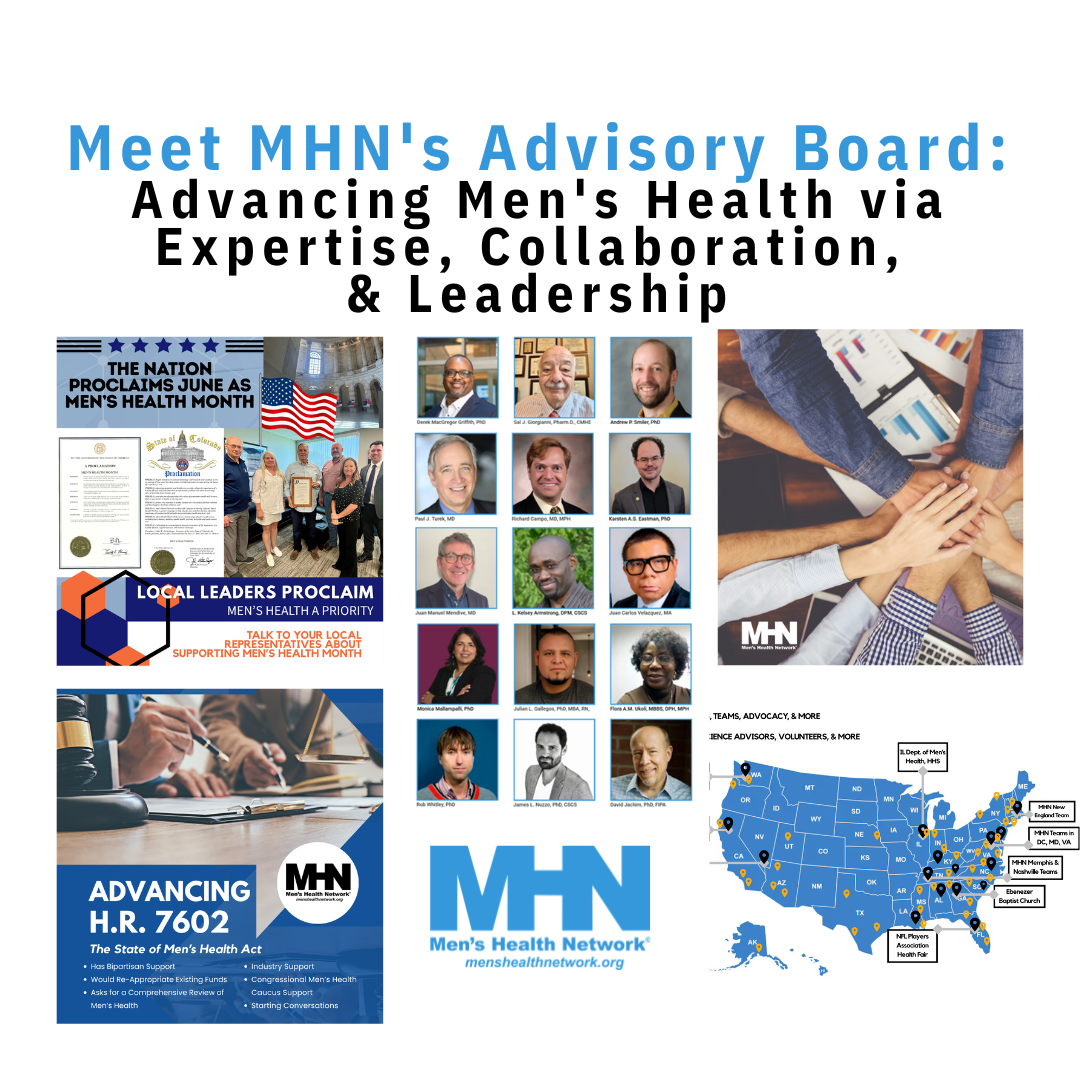
Giving Tuesday is next week, and Men’s Health Network (MHN) is calling on supporters to help close the Lifespan Gender Gap and build empathy for men’s health. This year, MHN expanded outreach across communities, churches, and schools, relaunched the Congressional Men’s Health Caucus, and supported bipartisan resolutions like H.R. 1300 (PSA Screening for HIM Act) and H.R. 675 (Prostate Cancer Awareness Month), advancing prevention and early detection nationwide. From toolkits that reached thousands to Ambassadors leading local events, MHN continues reaching men where they live, work, play, and pray. Your support powers awareness, education, and advocacy that saves lives.Continue reading
The Congressional Men’s Health Caucus: Congress Reaffirms National Men’s Health Week During Men’s Health Month
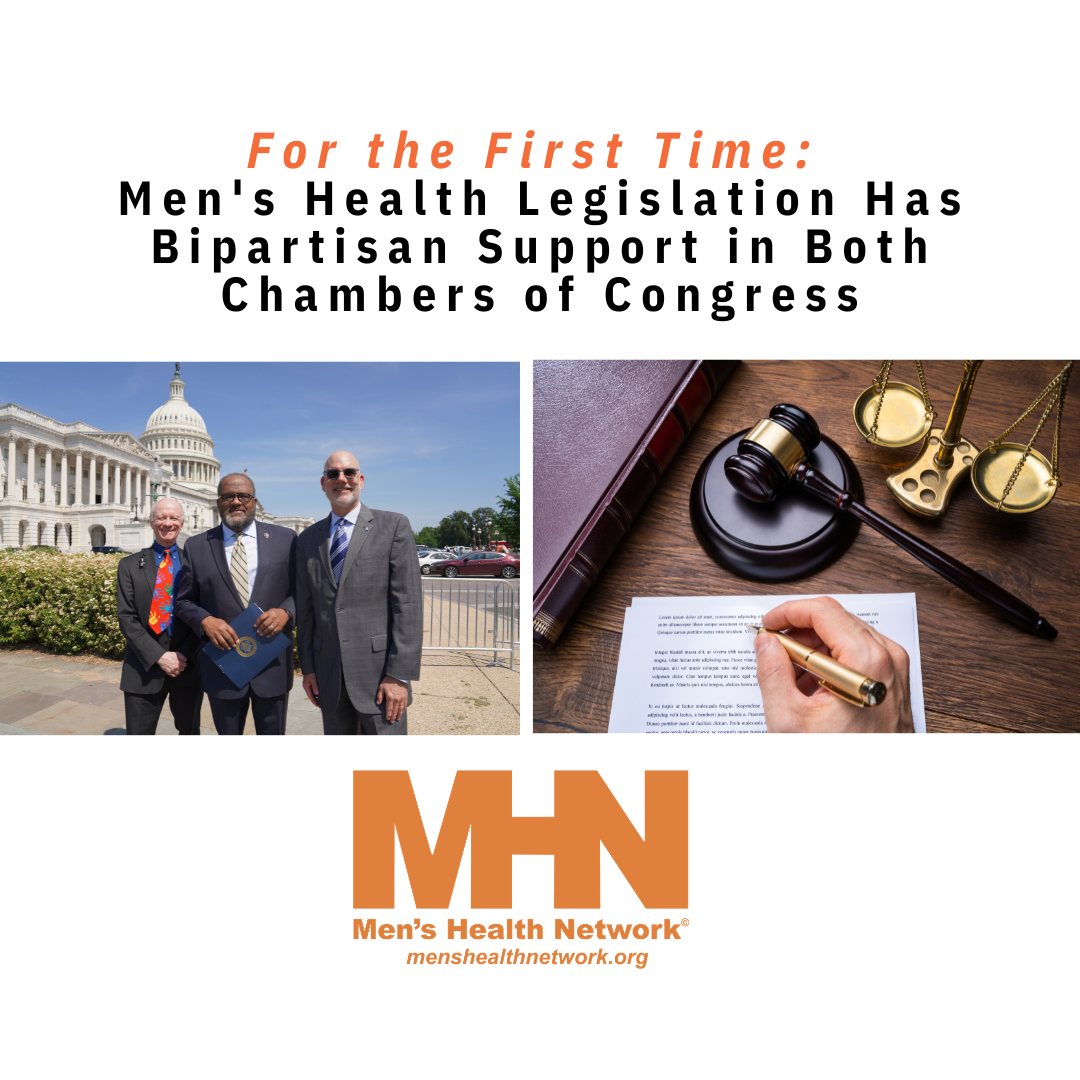
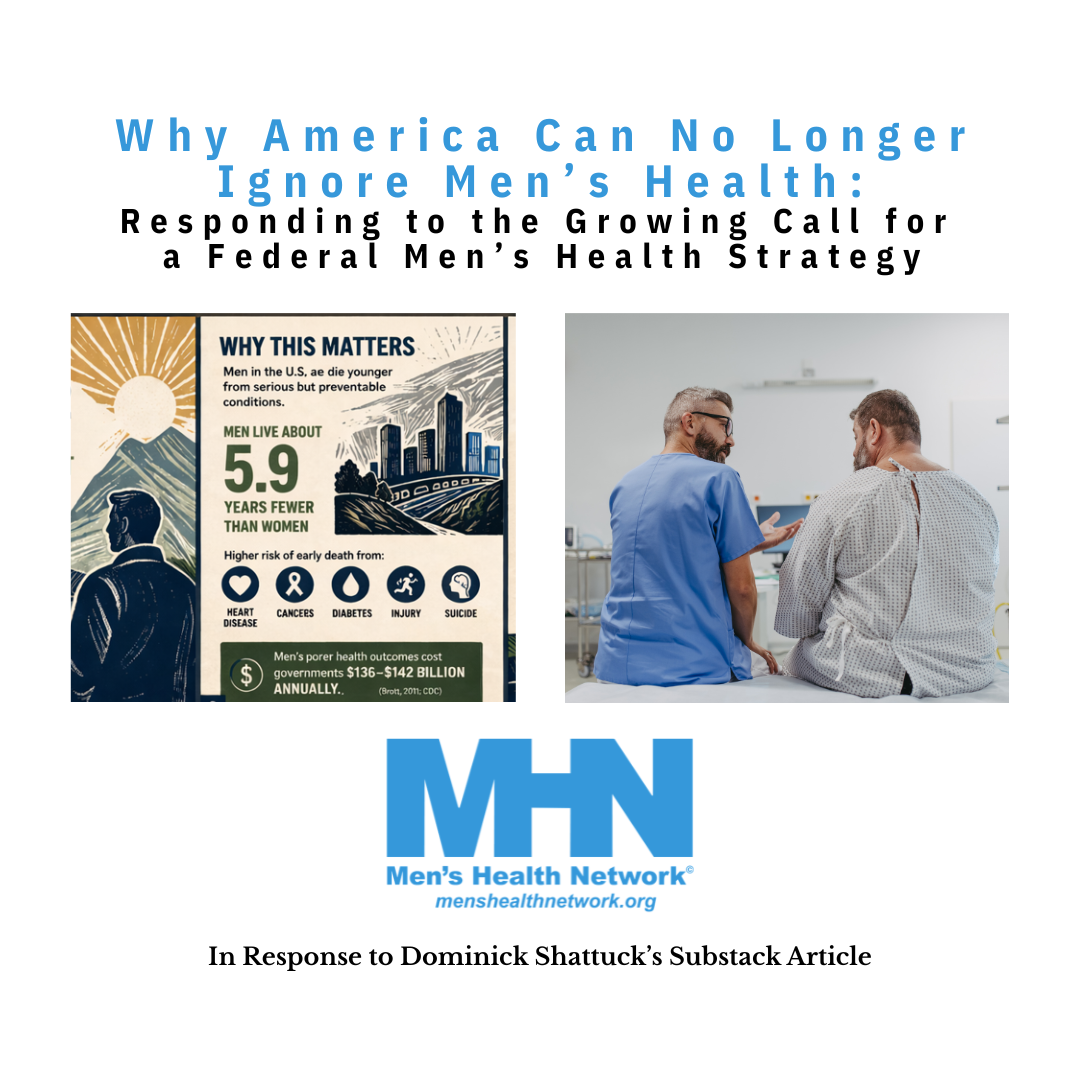
In recognition of Men’s Health Month 2025, Congressman Troy A. Carter Sr. introduced a bipartisan resolution honoring National Men’s Health Week (June 9–15). Backed by the Congressional Men’s Health Caucus, the resolution emphasizes the importance of preventive care for men, raising awareness about critical issues like prostate cancer, testicular cancer, mental health, and chronic disease. With men continuing to die younger and seek care less often than women, this action urges greater focus on early detection, routine health screenings, and breaking the stigma around men’s health care. Men’s Health Network encourages individuals and communities to take action and support men’s health awareness throughout the month of June.Continue reading
More Than an Internship: Developing Tomorrow’s Leaders in Men’s Health
Men’s Health Network is more than a nonprofit—it’s a platform for learning, leadership, and lasting impact. Learn more about the Men's Health Network internship program and what the summer interns of 2025 are getting up to this year!Continue reading
Expanding Healthy People 2030: A Community-Driven Approach to Men’s Health
Healthy People 2030's next iteration should incorporate male-focused community initiatives that foster adequate support for the health needs of men and boys. By working together—across public health sectors, education systems, workplaces, and community organizations—we can create an environment where all individuals, regardless of sex, have the opportunity to live longer, healthier lives. Read on for more information on how men and boys stand up against Social Determinants of Health as stated in existing policy.Continue reading