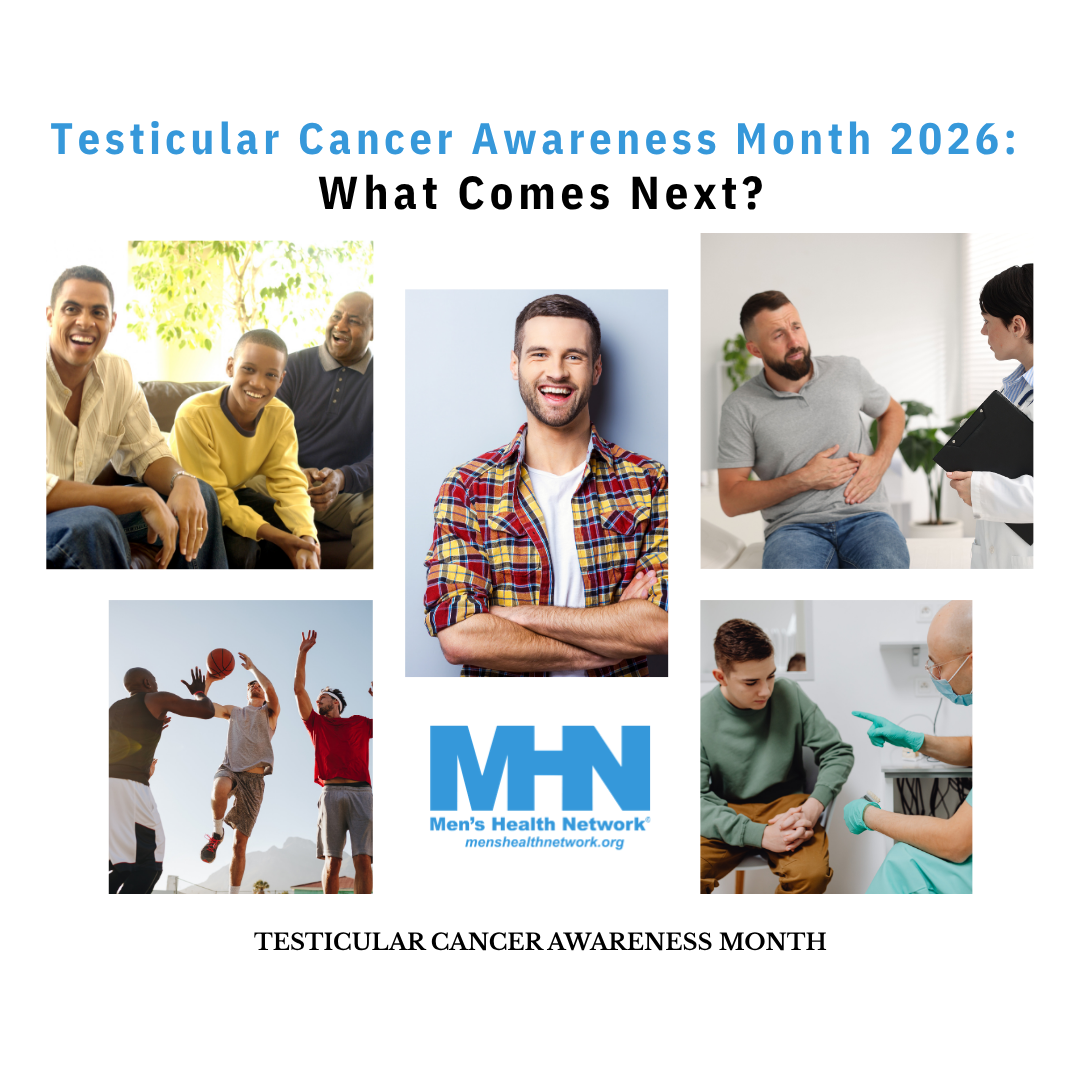
Testicular Cancer Awareness Month 2026: What Comes Next?

As Testicular Cancer Awareness Month concludes, the focus shifts from awareness to action—encouraging individuals to continue conversations, share resources, and support early detection efforts. Testicular cancer primarily affects young men ages 15–35, and outcomes are highly favorable when identified early, making education and communication critical. The blog emphasizes that small, everyday actions—like speaking up, checking in, or sharing information—can lead to life-saving outcomes. It also reinforces that awareness should extend beyond April, helping build long-term habits and a culture where men’s health is openly discussed and prioritized. Looking ahead, Men’s Health Month 2026 expands this momentum, promoting broader engagement across prevention, education, and community outreach, with opportunities to get involved through toolkits and educational resources.Continue reading

Think Men Can Have Kids Forever? The Truth About Male Age and Fertility

States across the U.S. are increasingly advancing legislation to remove cost barriers to prostate cancer screening, reflecting a broader shift toward prioritizing preventive care for men through coordinated, data-driven advocacy. Efforts led by partners like ZERO Prostate Cancer and supported by Men’s Health Network are driving measurable progress, with multiple states passing, advancing, or developing bills that expand access to PSA and DRE screenings. Evidence from places like Maryland shows that eliminating out-of-pocket costs increases screening rates, reinforcing the value of these policies. Together, these state-level actions demonstrate how a connected national network can turn advocacy into impact—improving early detection, strengthening public health outcomes, and continuing to build momentum for men’s health nationwide.Continue reading

Testicular Cancer Awareness Month 2026: Starting the Conversation Early & Why Awareness Can’t Wait

Testicular Cancer Awareness Month emphasizes the importance of early detection and open conversations, especially for young men ages 15–35 who are most at risk. Through education and awareness, individuals are encouraged to recognize changes, speak up, and engage with healthcare earlier. Stories like Steve’s highlight how a simple conversation can lead to early detection and life-saving outcomes, reinforcing that small moments and supportive relationships play a critical role in improving men’s health.Continue reading

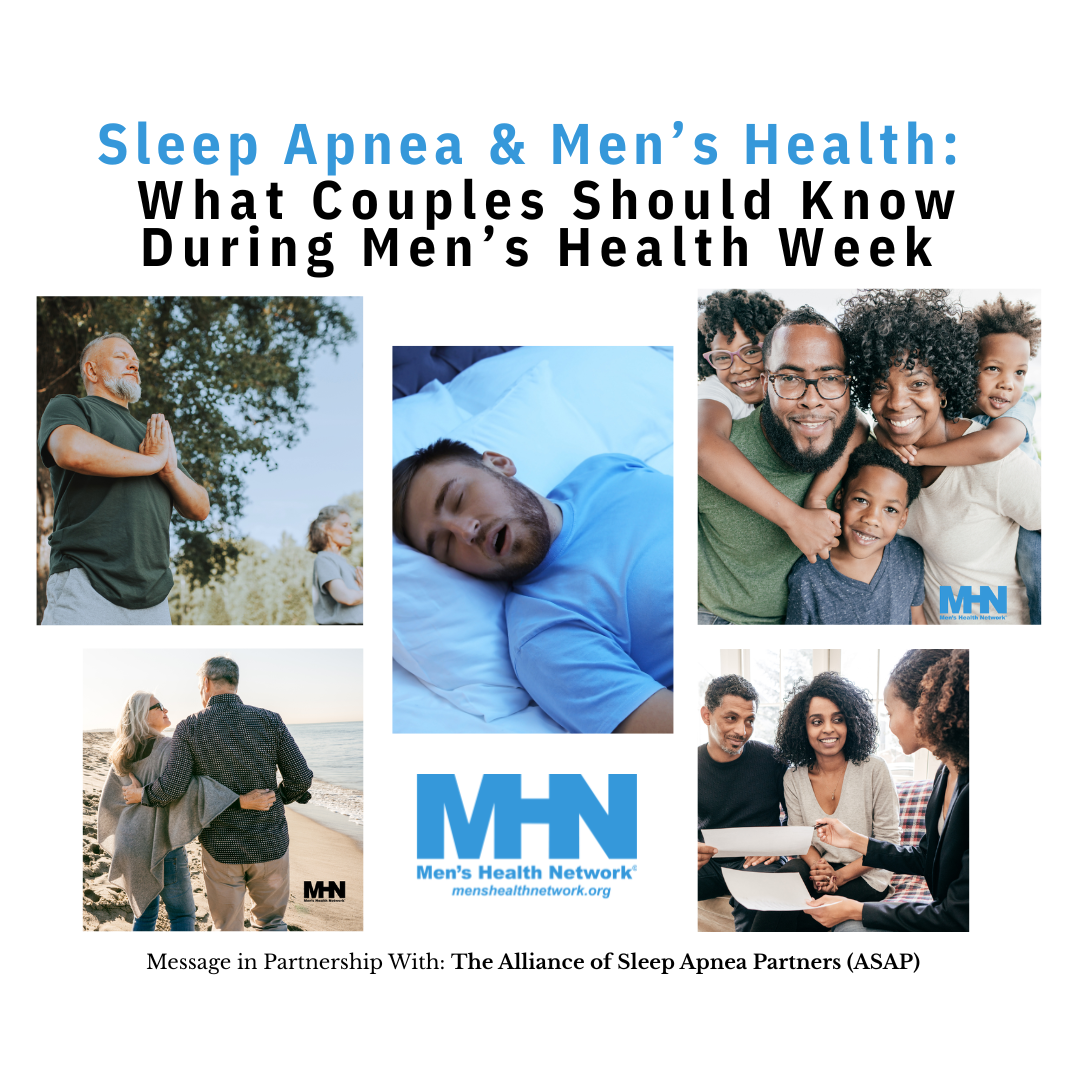
Sleep Apnea Education Week 2026: Recognizing the Signs, Supporting Better Health

Sleep Apnea Education Week raises awareness about a commonly underdiagnosed condition that significantly impacts men’s health. Sleep apnea is linked to serious risks such as cardiovascular disease and chronic fatigue, with symptoms like loud snoring and daytime sleepiness often going overlooked. Encouraging screening, treatment, and open conversations about sleep helps improve overall health, daily functioning, and long-term outcomes.Continue reading

Testicular Cancer Awareness Month… Partners in Care: Know Your Risk. Talk with Your Family.

Testicular Cancer Awareness Month highlights the importance of early detection, education, and open conversations about a cancer that most often affects young men ages 15–35. With nearly 10,000 diagnoses each year in the United States and high survival rates when detected early, awareness and proactive health behaviors are critical. The theme, “Partners in Care: Know Your Risk. Talk with Your Family,” emphasizes the role families and communities play in supporting men’s health through communication, self-awareness, and early engagement with care.Continue reading

Strategies for Healthy Aging and Well-Being in Later Life

The blog reframes aging as a stage of opportunity rather than decline, emphasizing that many physical, cognitive, and emotional challenges associated with later life can be prevented or managed through intentional, healthy behaviors. It highlights the importance of balanced nutrition, regular physical activity, and preventive healthcare to maintain strength, mobility, and independence, alongside lifelong learning, social connection, and stress management to support cognitive and mental well-being. The article also stresses emotional resilience through purpose, relationships, gratitude, and adaptability, noting that technology and community engagement can further enhance health, connection, and autonomy. Overall, it argues that healthy aging is holistic and proactive, focusing on adding quality and fulfillment to life, not just years.Continue reading

Listen to Your Heart: Elevating Heart Valve Disease Awareness During Heart Health Month

Heart Health Month and Heart Valve Disease Awareness Day (February 22) highlight the importance of recognizing and addressing heart valve disease—an often underdiagnosed condition affecting millions of Americans, particularly older adults. Many people experience symptoms that are mistaken for normal aging, delaying diagnosis and treatment. Awareness and early detection are critical, as heart valve disease is treatable when identified in time. Through the Alliance for Aging Research’s Heart Valve Disease Awareness Day campaign, individuals and organizations can access ready-to-use educational and social media resources to help spread awareness. By downloading and sharing these materials, everyone can play a role in encouraging conversations, earlier screening, and better heart health outcomes.Continue reading

Post-Workout To-Dos for Faster Recovery & Better Performance

Post-workout recovery plays a critical role in improving performance, preventing injury, and supporting long-term fitness. This article outlines practical, science-informed steps to help the body recover after exercise, including proper hydration, balanced nutrition, gentle stretching, active recovery, and quality sleep. By listening to the body and adopting a consistent recovery routine tailored to individual needs, readers can reduce soreness, restore energy, and build resilience—making recovery just as important as the workout itself.Continue reading

Announcing the My Cancer, My Plan Podcast: Launching on World Cancer Day to Empower Men Facing Cancer

This blog announces the launch of the *My Cancer, My Plan Podcast* on World Cancer Day 2026, a new six-episode series from Men’s Health Network designed to support men at one of the most overwhelming moments of their lives, a cancer diagnosis. Built from the *My Cancer, My Plan* digital guide, the podcast delivers trusted, patient-focused education through a men’s health lens, featuring candid conversations with cancer patients, caregivers, oncologists, and national experts. Each episode tackles critical topics such as biomarker and genetic testing, treatment side effects, equity in cancer care, caregiving, and informed decision-making, with the goal of helping men ask better questions, make confident choices, and understand that they do not have to navigate cancer alone.Continue reading

Eye Health Mistakes: Some Men Don’t Realize They’re Making

Many men don’t realize that everyday habits like skipping eye exams, excessive screen time, poor diet, and improper eye protection can quietly damage their vision over time. This blog highlights the most common eye health mistakes men make and offers practical, easy-to-follow solutions to protect eyesight, prevent long-term problems, and support healthy vision at every stage of life.Continue reading

Scroll to top