Testicular Cancer Awareness Month… Partners in Care: Know Your Risk. Talk with Your Family.

Testicular Cancer Awareness Month highlights the importance of early detection, education, and open conversations about a cancer that most often affects young men ages 15–35. With nearly 10,000 diagnoses each year in the United States and high survival rates when detected early, awareness and proactive health behaviors are critical. The theme, “Partners in Care: Know Your Risk. Talk with Your Family,” emphasizes the role families and communities play in supporting men’s health through communication, self-awareness, and early engagement with care.Continue reading

Men’s Social Determinants of Health

This blog explains how men’s health goals and outcomes are deeply shaped by social determinants of health (SDOH)—the non-medical factors that influence where men are born, how they are raised, where they work, and how they age. It outlines the five core SDOH—economic stability, education access and quality, healthcare access and quality, neighborhood and built environment, and social and community context—and shows how each affects men’s ability to seek care, make healthy choices, and maintain well-being. The piece emphasizes that men’s health challenges are not due to personal failure, but to structural barriers such as financial strain, limited healthcare access, demanding work schedules, unsafe or resource-poor neighborhoods, and stigma around help-seeking. By increasing awareness of how these determinants interact, the article argues that men can better understand their health challenges, reduce stigma, and support healthier behaviors, ultimately strengthening families, communities, and long-term outcomes for future generations.Continue reading

Swipe Fatigue and the Friendship Gap: Why Dating Apps Don’t Fix Men’s Loneliness

This essay argues that dating apps, while promising unprecedented access to potential partners, are poorly suited to reducing men’s loneliness and may instead exacerbate it by replacing meaningful social infrastructure with rapid, evaluative selection. Drawing on research from social psychology, sociology, and public health, the author explains that durable relationships depend on “friendship markets”—environments with repeated interaction, shared purpose, and social permission for vulnerability—which have eroded for men as workplaces, civic groups, and community institutions have declined. Dating apps function as closed markets that promote choice overload, rejection mind-sets, swipe fatigue, and burnout, exposing men to repeated, cumulative rejection without opportunities for relational repair or gradual connection. Evidence shows these dynamics can undermine well-being, increase withdrawal, and fail to address men’s broader needs for friendship, identity, and belonging. The essay concludes that men’s loneliness is not a personal failure or an algorithm problem, but a structural one, and that meaningful progress requires rebuilding real-world, activity-based, and community-centered friendship markets rather than relying on dating apps to solve a problem they were never designed to address.Continue reading

Masculinity, Health, and the Power of Understanding: Why Dr. Smiler’s Books Make an Impact on the Conversation

This blog highlights how Andrew Smiler brings clarity and balance to today’s conversations about masculinity through Is Masculinity Toxic?: A Primer for the 21st Century and The Masculine Self (7th Edition). Together, these books offer accessible language and evidence-informed insight into how masculine norms shape health, behavior, and relationships, moving the conversation beyond sound bites toward understanding that supports healthier outcomes for men and boys.Continue reading

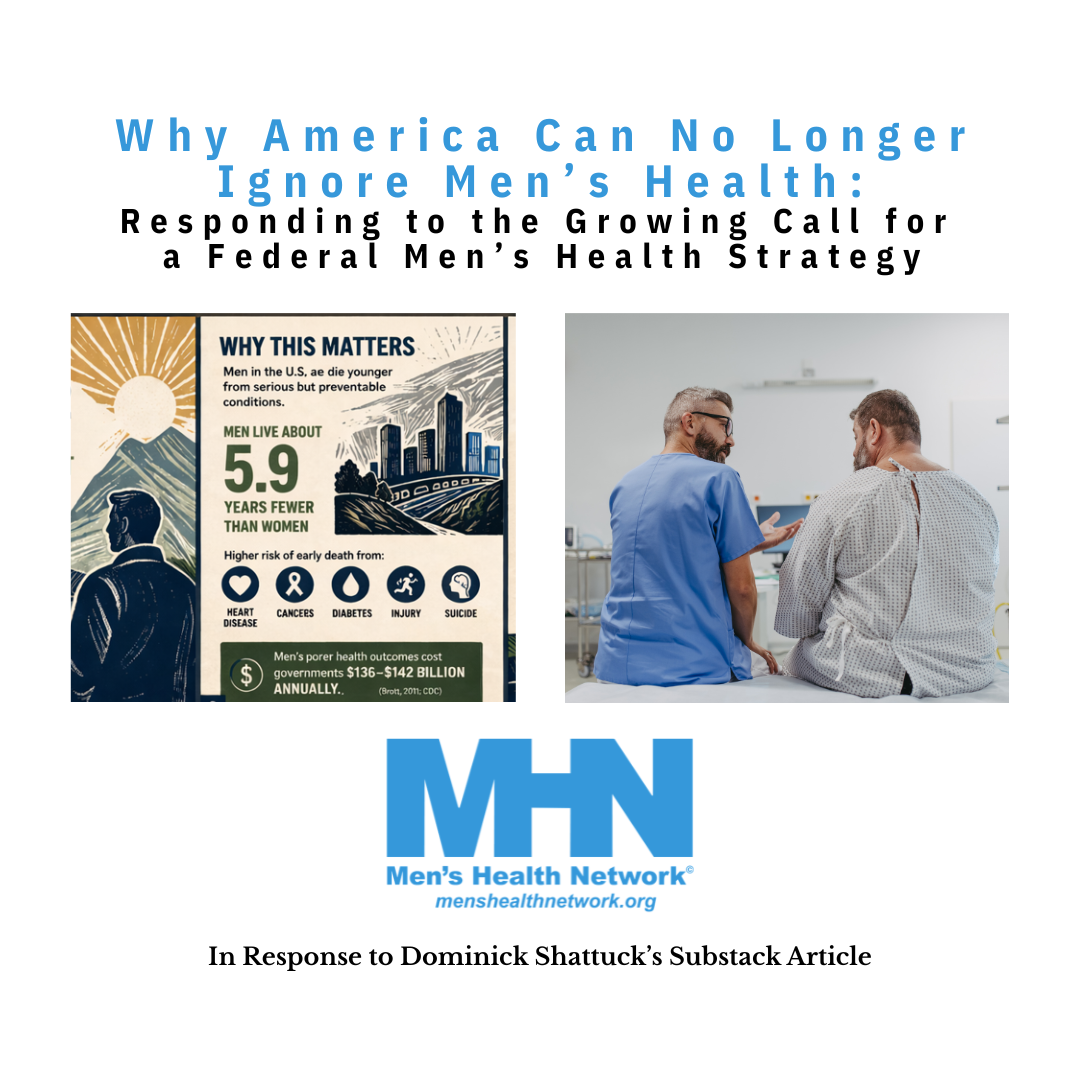
Boys Falling Off the Health-Care Map: And How We Keep Them Connected

This blog, reposted from Dominick Shattuck, PhD’s Substack with permission from the author, examines new research showing how many boys quietly disengage from preventive health care during the transition from adolescence to young adulthood. Drawing on findings from the Journal of Adolescent Health and decades of men’s health research, the piece explores how masculinity norms, low perceived risk, structural barriers, and unwelcoming health systems contribute to boys “falling off the health-care map.” It highlights why this early disengagement matters for long-term health outcomes and outlines practical, evidence-informed strategies for building health systems that keep boys connected to care before preventable problems become lifelong challenges.Continue reading

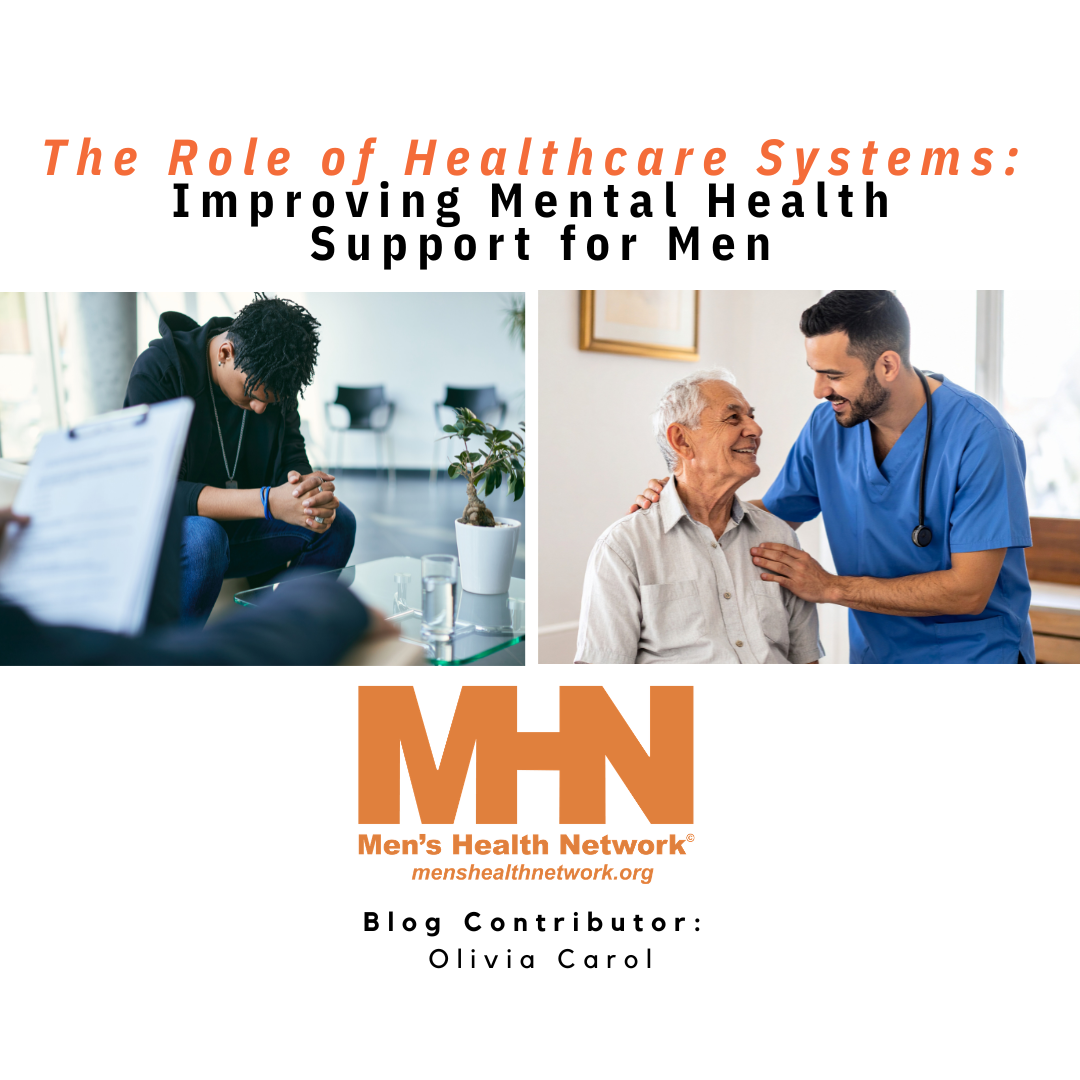
Breaking the Silence: Men, Mental Health, and Addiction Recovery

Men’s mental health and addiction are deeply connected, yet many men struggle in silence due to stigma and cultural expectations. This blog explores the unique mental health challenges men face, the link between untreated mental health conditions and substance use, and the barriers that prevent men from seeking help. Highlighting the work of Men’s Health Network and Northern Illinois Recovery Center, it underscores the importance of male-focused, evidence-based treatment, education, and community support in breaking the silence and helping men begin the path toward recovery and long-term wellness.Continue reading

Beyond “Man Up”: Confronting the Hidden Crisis in Men’s Mental Health

This blog examines why men’s mental health is often overlooked and how societal expectations and media stereotypes pressure men to hide their emotions. Many men struggle silently due to norms like “boys don’t cry,” leading to difficulty expressing feelings and avoiding help. Through personal insight and real stories, the blog highlights the power of vulnerability and the need for empathy, open conversations, and support. It encourages readers to help create a culture where men feel safe to speak up and seek care.Continue reading

Merry Christmas from Men’s Health Network: Honoring Our Legacy, Renewing Our Mission

A Christmas message from Men’s Health Network reflecting on a year of progress, honoring a legacy that helped shape the men’s health movement, and recommitting to an empathy-driven mission focused on education, prevention, advocacy, and community outreach, so that men can live longer, healthier lives and remain present for the families and communities that depend on them.Continue reading

How Better Sleep Can Sharpen Cognitive Performance at Work

The blog “How Better Sleep Can Sharpen Cognitive Performance at Work” emphasizes the vital connection between quality sleep and professional success. It explains that sleep is not merely rest, but an active neurological process that rejuvenates the brain, enhances focus, and supports decision-making, creativity, and emotional stability. Poor sleep, common among busy professionals—especially men—leads to fatigue, low motivation, and reduced cognitive sharpness. A key factor in achieving restorative sleep is mattress quality: a supportive, breathable, and comfortable mattress promotes proper body alignment and uninterrupted rest, enabling the brain to complete its essential sleep cycles. The article offers practical tips such as maintaining a consistent sleep schedule, limiting caffeine, and managing stress to improve sleep hygiene. Ultimately, it argues that investing in better sleep—and the right mattress—is not just about health but also about career longevity, as a well-rested mind fosters productivity, innovation, and leadership in the workplace.Continue reading

This Giving Tuesday: Be the Change Men’s Health Needs

Giving Tuesday is next week, and Men’s Health Network (MHN) is calling on supporters to help close the Lifespan Gender Gap and build empathy for men’s health. This year, MHN expanded outreach across communities, churches, and schools, relaunched the Congressional Men’s Health Caucus, and supported bipartisan resolutions like H.R. 1300 (PSA Screening for HIM Act) and H.R. 675 (Prostate Cancer Awareness Month), advancing prevention and early detection nationwide. From toolkits that reached thousands to Ambassadors leading local events, MHN continues reaching men where they live, work, play, and pray. Your support powers awareness, education, and advocacy that saves lives.Continue reading

Scroll to top