
When Men Are Diagnosed Later, Are We Asking the Right Question?
This article explores why men are more likely than women to be diagnosed at later stages for many cancers and challenges the assumption that delayed care is simply the result of men avoiding doctors. Drawing on recent research, Dr. Dominick Shattuck examines how health literacy, access to care, cost, trust, social factors, and individual circumstances can influence when men seek help. The article encourages a more nuanced approach to men’s health by asking not just whether men delay care, but why, and what different solutions may be needed to improve earlier diagnosis and health outcomes.CONTINUE READING→
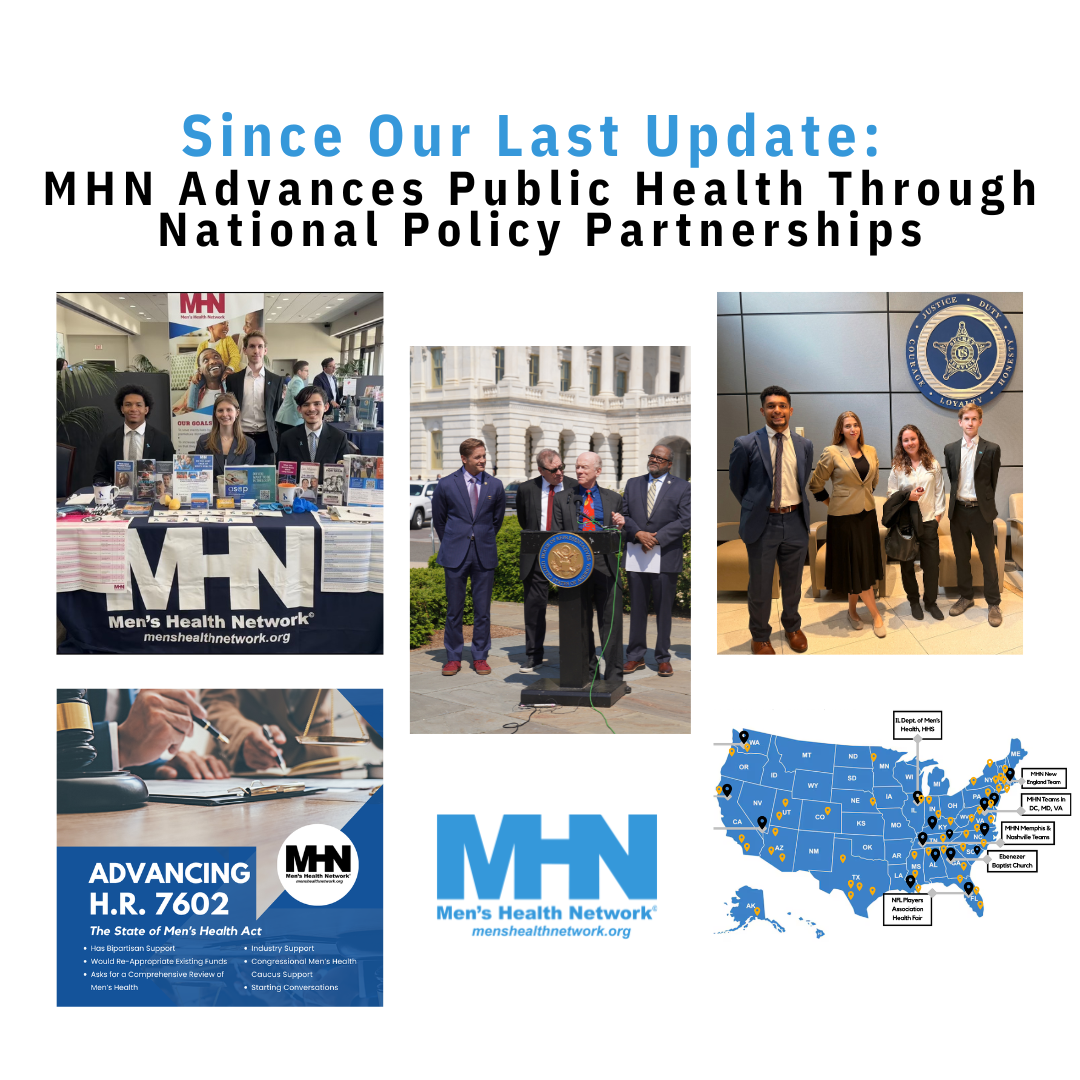
Since Our Last Update: Men’s Health Network Advances Public Health Through National Policy Partnerships
**Summary** Since our last update, Men's Health Network has continued working with national medical societies, patient advocacy organizations, researchers, and policymakers to advance public health through coalition advocacy. Recent efforts have focused on expanding access to clinical trials, protecting patients from unsafe compounded GLP-1 medications, strengthening military medical research, restoring prostate cancer research funding, and advancing the historic State of Men's Health Act. A major milestone came on July 22 with the introduction of the Senate companion to the State of Men's Health Act—the first time legislation to establish a federal Office of Men's Health has been introduced in both the House and Senate during the same Congress. Together, these initiatives reflect the growing recognition that improving the health of men and boys requires collaboration, evidence-based policy, and sustained advocacy. CONTINUE READING→
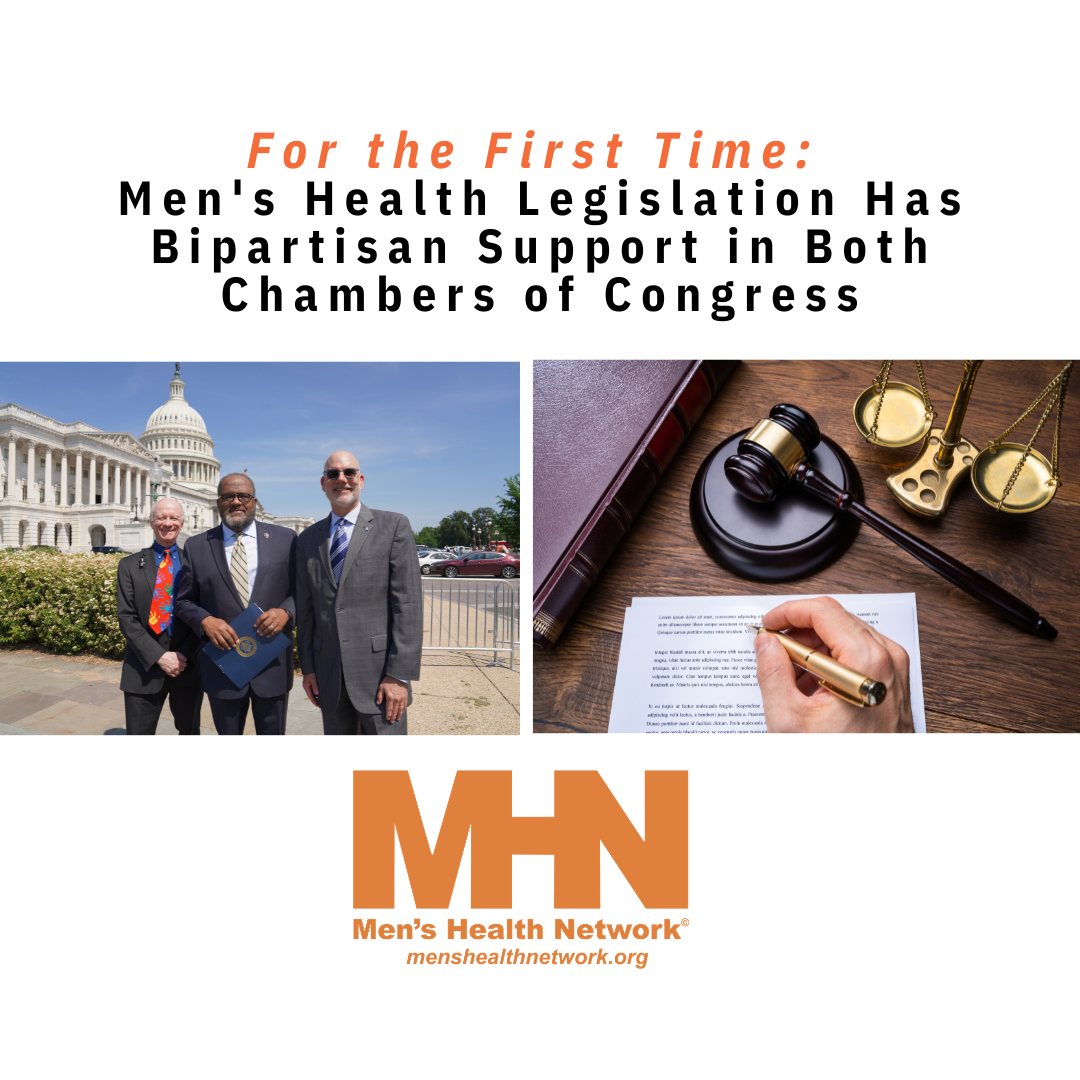
For the First Time: Men’s Health Legislation Has Bipartisan Support in Both Chambers of Congress
For the first time, bipartisan legislation to establish a federal Office of Men's Health has been introduced in both the U.S. House of Representatives and the U.S. Senate. Learn why this development represents the strongest congressional support yet for a coordinated national approach to improving the health and well-being of men and boys.CONTINUE READING→
“Men’s Health Isn’t Just Personal—It’s Structural:” Why This Conversation Matters Now More Than Ever
This article highlights Dr. Dominick Shattuck’s discussion on *The Meaning of Men Podcast*, exploring how men’s health outcomes are influenced not only by personal choices but also by healthcare systems, policies, and social structures. The piece examines why many men disengage from preventive care, the importance of meeting men where they are, and strategies that can improve long-term healthcare engagement. Building on Dr. Shattuck’s insights, Men’s Health Network discusses why this conversation is especially timely amid growing awareness of the Lifespan Gender Gap and ongoing efforts to improve men’s health policy and preventive care. The article emphasizes that men’s health is not just an individual issue, but one that affects families, workplaces, communities, and society as a whole.CONTINUE READING→
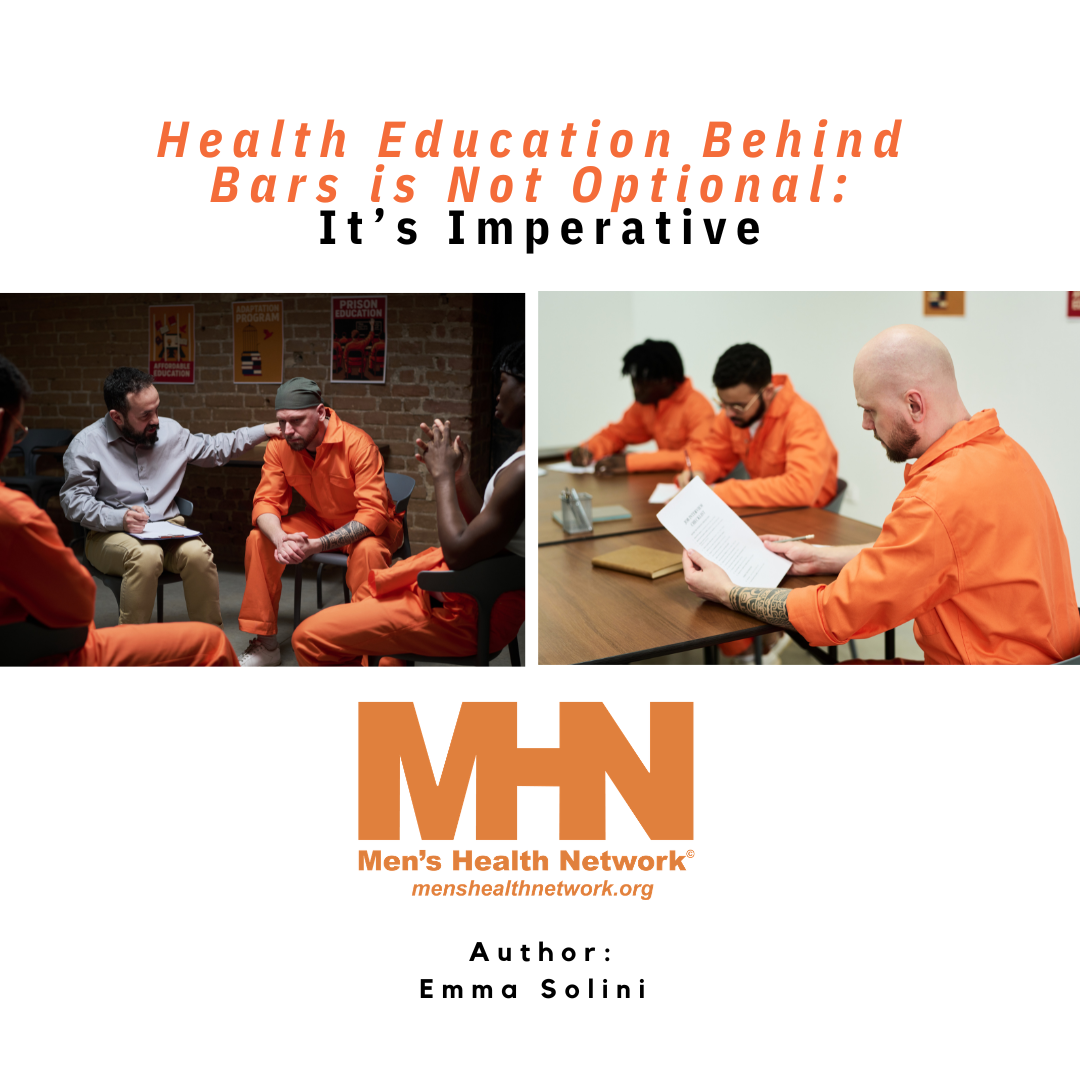
Health Education Behind Bars is Not Optional: It’s Imperative
This advocacy op-ed argues that health education and preventive care programs should be expanded within correctional facilities to address the significant health disparities experienced by incarcerated men and boys. The article highlights how improved health literacy, chronic disease management, mental health awareness, and continuity of care can lead to better health outcomes, reduced healthcare costs, and stronger community reintegration. It emphasizes that voluntary, ethically implemented health education programs are a practical public health investment that benefits both incarcerated individuals and society as a whole.CONTINUE READING→
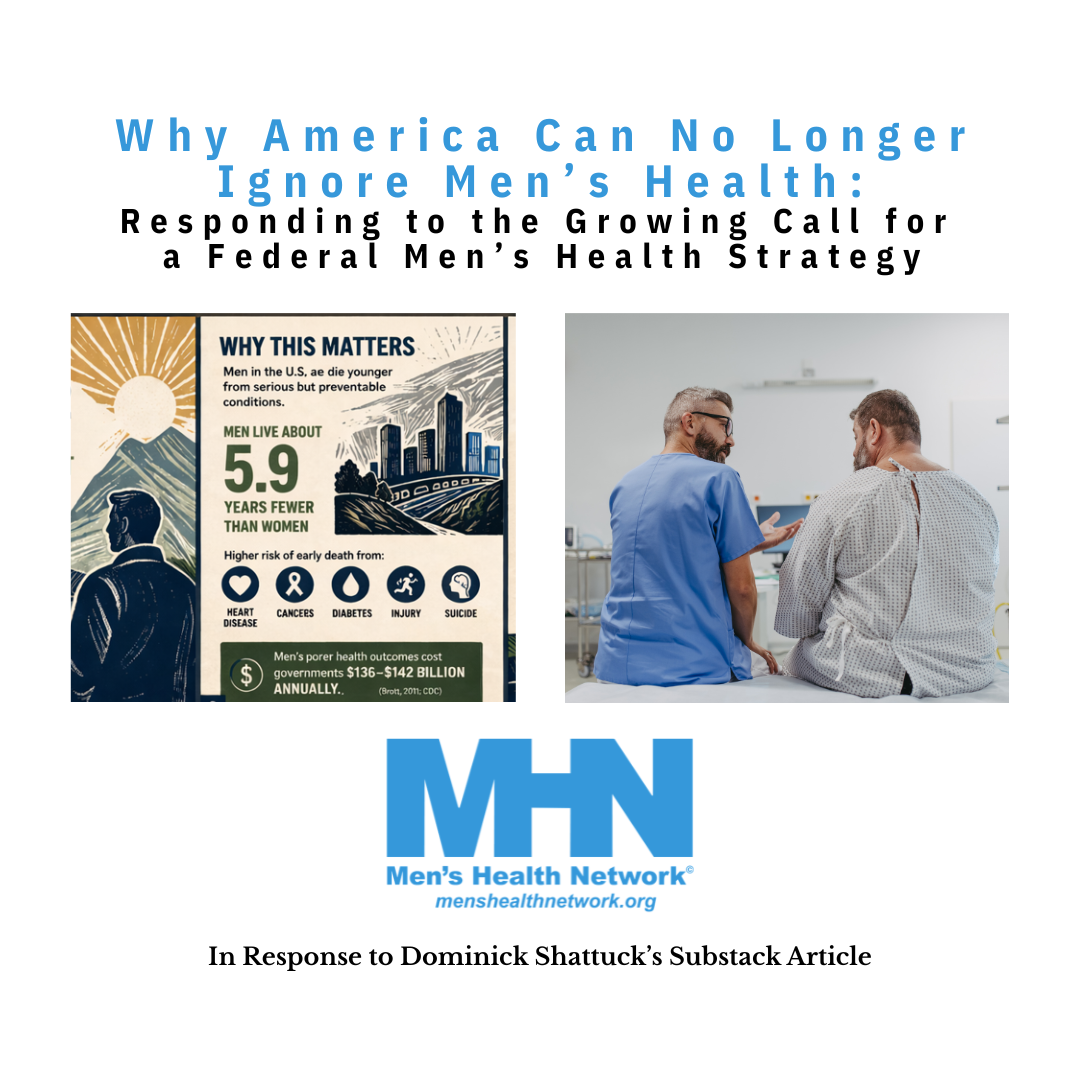
Why America Can No Longer Ignore Men’s Health: Responding to the Growing Call for a Federal Men’s Health Strategy
This response article examines the growing national conversation around men’s health policy through the lens of Dr. Dominick Shattuck’s Substack post, “Why the U.S. Needs a Federal Strategy on Men’s Health.” The blog explores the nearly six-year Lifespan Gender Gap between men and women, highlighting how preventable conditions such as heart disease, cancer, diabetes, injury, and suicide continue contributing to premature mortality among men. It discusses the structural, cultural, and healthcare-system barriers that often prevent men from engaging in preventive care early, including stigma, medical mistrust, workplace pressures, and norms surrounding self-reliance. The article also analyzes the proposed H.R. 7602 — State of Men’s Health Act, which would establish a national study on men’s health disparities and create an Office of Men’s Health within HHS to coordinate prevention and public awareness efforts. Throughout the piece, the response emphasizes that improving men’s health outcomes is not a zero-sum issue, but rather a broader public health, workforce, family, and community issue that benefits society as a whole through stronger preventive care, earlier intervention, and improved healthcare engagement.CONTINUE READING→
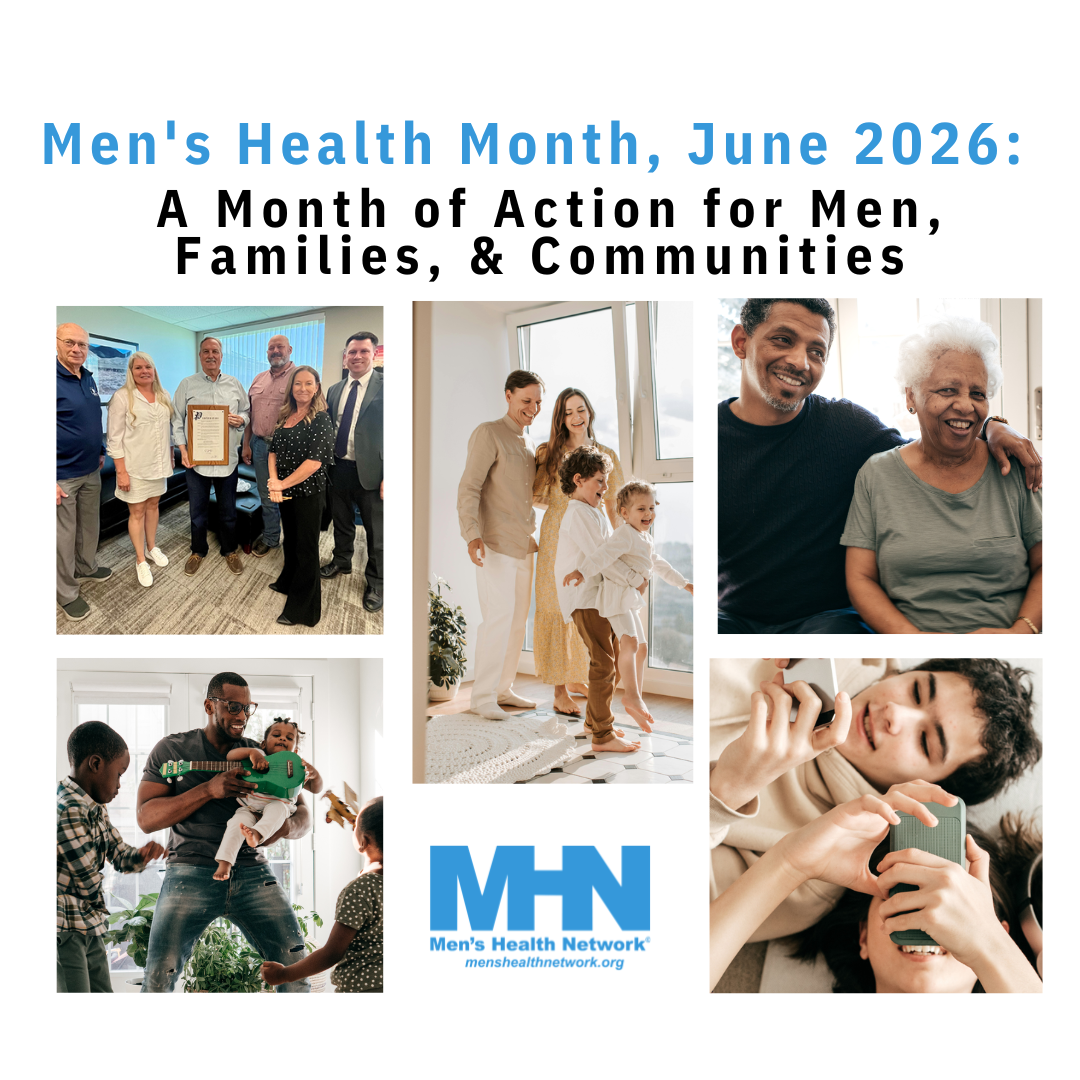
Men’s Health Month, June 2026: A Month of Action for Men, Families, & Communities
Men's Health Month 2026 brought together healthcare organizations, policymakers, community leaders, employers, volunteers, and advocates from across the country to improve the health and well-being of men and boys. From 170 official proclamations and a Congressional Men's Health Event on Capitol Hill to community fundraisers, educational initiatives, and national partnerships, this year's campaign highlighted the power of collaboration in advancing men's health. As June comes to a close, Men's Health Network reflects on the month's accomplishments and looks ahead to continuing this important work throughout the year.CONTINUE READING→
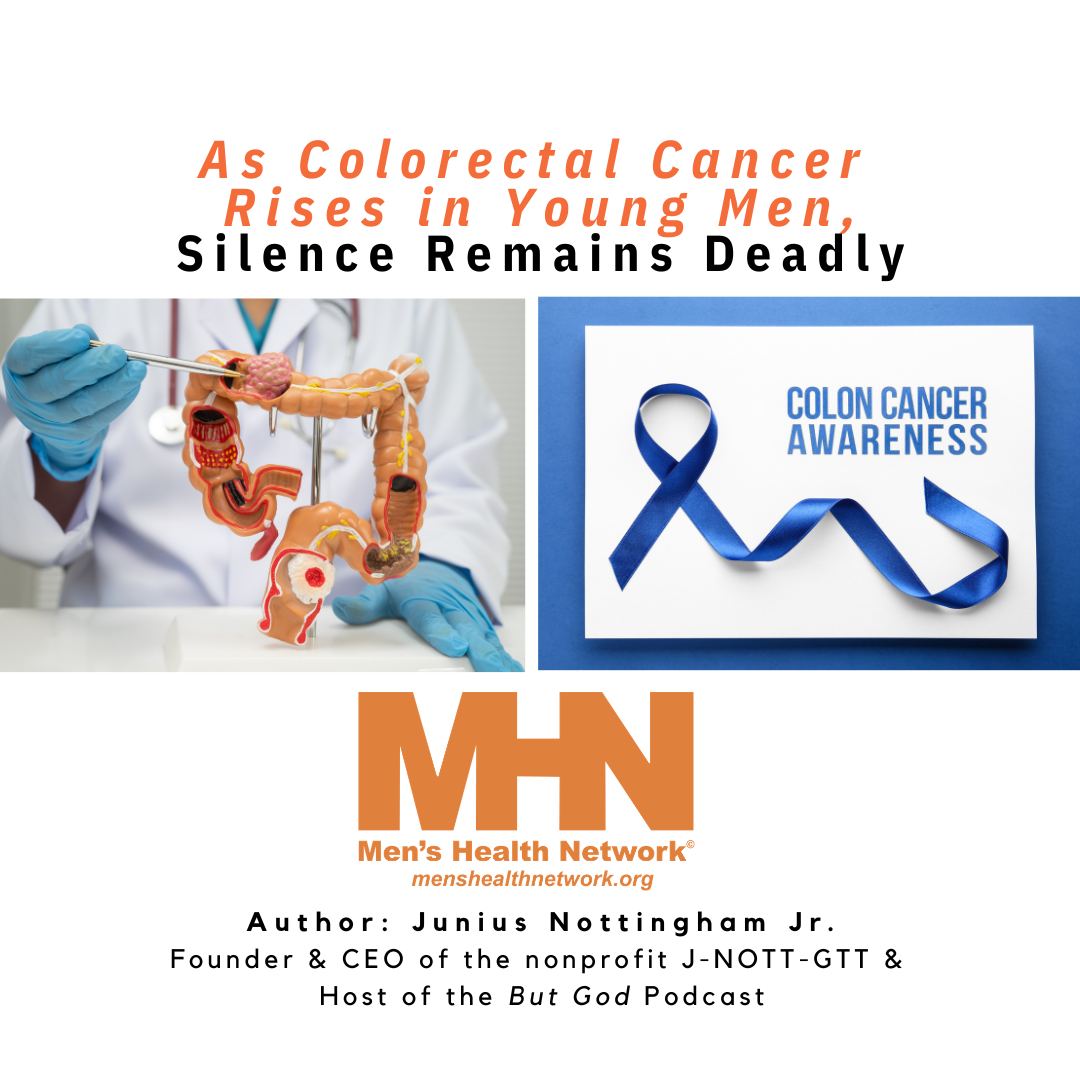
As Colorectal Cancer Rises in Young Men, Silence Remains Deadly
This personal story explores the growing rise of colorectal cancer among younger men through the experience of Junius Nottingham Jr., whose son Jeremy died from advanced colorectal cancer at just 31 years old after an undiagnosed case of Lynch syndrome. The blog highlights how stigma, silence, and cultural expectations around masculinity often prevent men from speaking up about symptoms, seeking preventive care, or advocating for genetic testing. It also raises awareness about Lynch syndrome as the most common hereditary cause of colorectal cancer and emphasizes the importance of family health history, early detection, and proactive healthcare conversations. Through personal reflection and advocacy, the author encourages men and families to connect the dots around hereditary cancer risks, seek medical evaluation early, and break the silence surrounding men’s health and cancer prevention. CONTINUE READING→
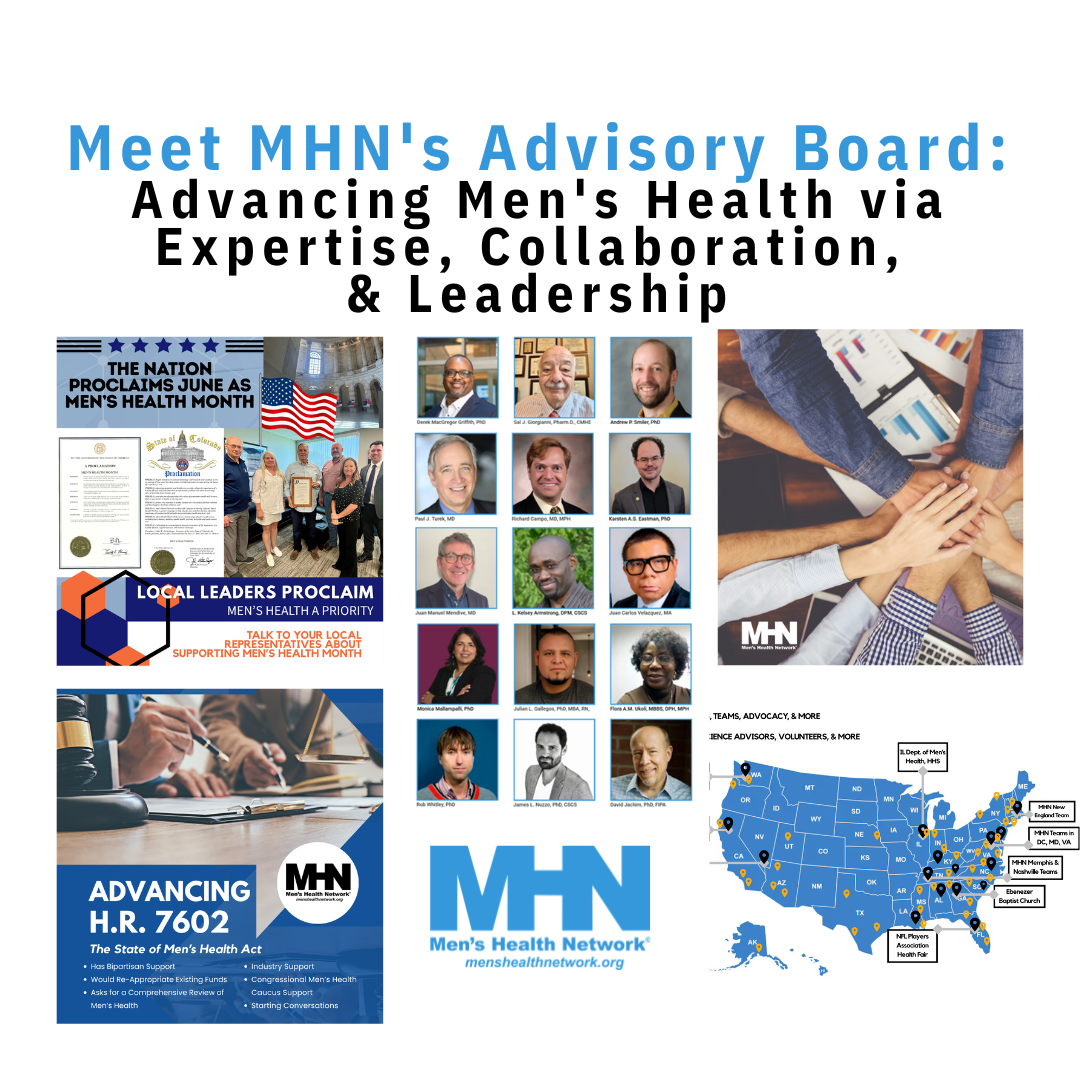
Meet Men’s Health Network’s Advisory Board: Advancing Men’s Health via Expertise, Collaboration, & Leadership
Men's Health Network is proud to be guided by an accomplished Advisory Board made up of physicians, researchers, public health leaders, nurses, psychologists, educators, policy experts, and advocates who share a commitment to improving the health and well-being of men, boys, and their families. Their collective expertise helps shape our educational resources, advocacy priorities, research initiatives, and community outreach efforts. From advancing men's health policy and preventive care to strengthening partnerships and expanding public awareness, our Advisory Board plays an important role in helping Men's Health Network fulfill its mission. Meet the remarkable individuals whose leadership, experience, and dedication continue to drive meaningful progress for men's health across the United States and around the world.CONTINUE READING→
Meet Our Men’s Health Network Ambassadors: Dedicated volunteers advancing men’s health via education, advocacy, and community leadership.
Meet the dedicated volunteers helping advance men's health across the United States and beyond. From physicians, nurses, researchers, and educators to cancer survivors, veterans, and community advocates, Men's Health Network Ambassadors are making a difference by promoting education, prevention, and healthier communities. Discover their inspiring stories and learn how you can become an ambassador in your own community.CONTINUE READING→