This blog explores the important role healthcare systems play in improving mental health support for men. It highlights how stigma, traditional masculinity norms, underdiagnosis, and delayed intervention often prevent men from seeking mental health care early. The article discusses how healthcare systems can help close these gaps by expanding access to care, integrating mental health into primary care settings, improving early screening and preventive services, and reducing administrative and financial barriers that limit treatment access. It also examines the operational challenges healthcare providers face when delivering mental health services, including insurance complexity, reimbursement issues, staffing burdens, and long-term care costs. Ultimately, the blog emphasizes that improving men’s mental health outcomes requires a system-wide approach focused on accessibility, early intervention, integrated care, and sustainable healthcare infrastructure that encourages men to seek support without stigma. Continue reading
Tag: preventive care
June 2026: Men’s Health Month is Here!
June marks Men’s Health Month and International Men’s Health Week, nationally and internationally recognized awareness periods focused on improving the health and well-being of men and boys through education, prevention, early detection, advocacy, and community engagement. Throughout the month, Men’s Health Network highlights important conversations around preventive care, mental health, chronic disease prevention, fatherhood, caregiving, workplace wellness, and closing the Lifespan Gender Gap through awareness campaigns, policy updates, community partnerships, and actionable health resources.Continue reading
Men’s Social Determinants of Health
This blog explains how men’s health goals and outcomes are deeply shaped by social determinants of health (SDOH)—the non-medical factors that influence where men are born, how they are raised, where they work, and how they age. It outlines the five core SDOH—economic stability, education access and quality, healthcare access and quality, neighborhood and built environment, and social and community context—and shows how each affects men’s ability to seek care, make healthy choices, and maintain well-being. The piece emphasizes that men’s health challenges are not due to personal failure, but to structural barriers such as financial strain, limited healthcare access, demanding work schedules, unsafe or resource-poor neighborhoods, and stigma around help-seeking. By increasing awareness of how these determinants interact, the article argues that men can better understand their health challenges, reduce stigma, and support healthier behaviors, ultimately strengthening families, communities, and long-term outcomes for future generations.Continue reading
Men’s Health Network Joins National Coalitions: Supporting Bladder Cancer Research Funding and Strengthening the Nursing Workforce
MHN announced its support for two national policy initiatives aimed at improving men’s health outcomes. The organization joined national coalitions advocating for the creation of a Bladder Cancer Research Program within the Department of Defense CDMRP and for federal policy updates recognizing post-baccalaureate nursing degrees as professional degrees to strengthen the healthcare workforce. The announcement highlights the importance of cancer prevention, research investment, and expanding access to care, particularly for men who face higher mortality rates and barriers to preventive services.Continue reading
Strategies for Healthy Aging and Well-Being in Later Life
The blog reframes aging as a stage of opportunity rather than decline, emphasizing that many physical, cognitive, and emotional challenges associated with later life can be prevented or managed through intentional, healthy behaviors. It highlights the importance of balanced nutrition, regular physical activity, and preventive healthcare to maintain strength, mobility, and independence, alongside lifelong learning, social connection, and stress management to support cognitive and mental well-being. The article also stresses emotional resilience through purpose, relationships, gratitude, and adaptability, noting that technology and community engagement can further enhance health, connection, and autonomy. Overall, it argues that healthy aging is holistic and proactive, focusing on adding quality and fulfillment to life, not just years.Continue reading
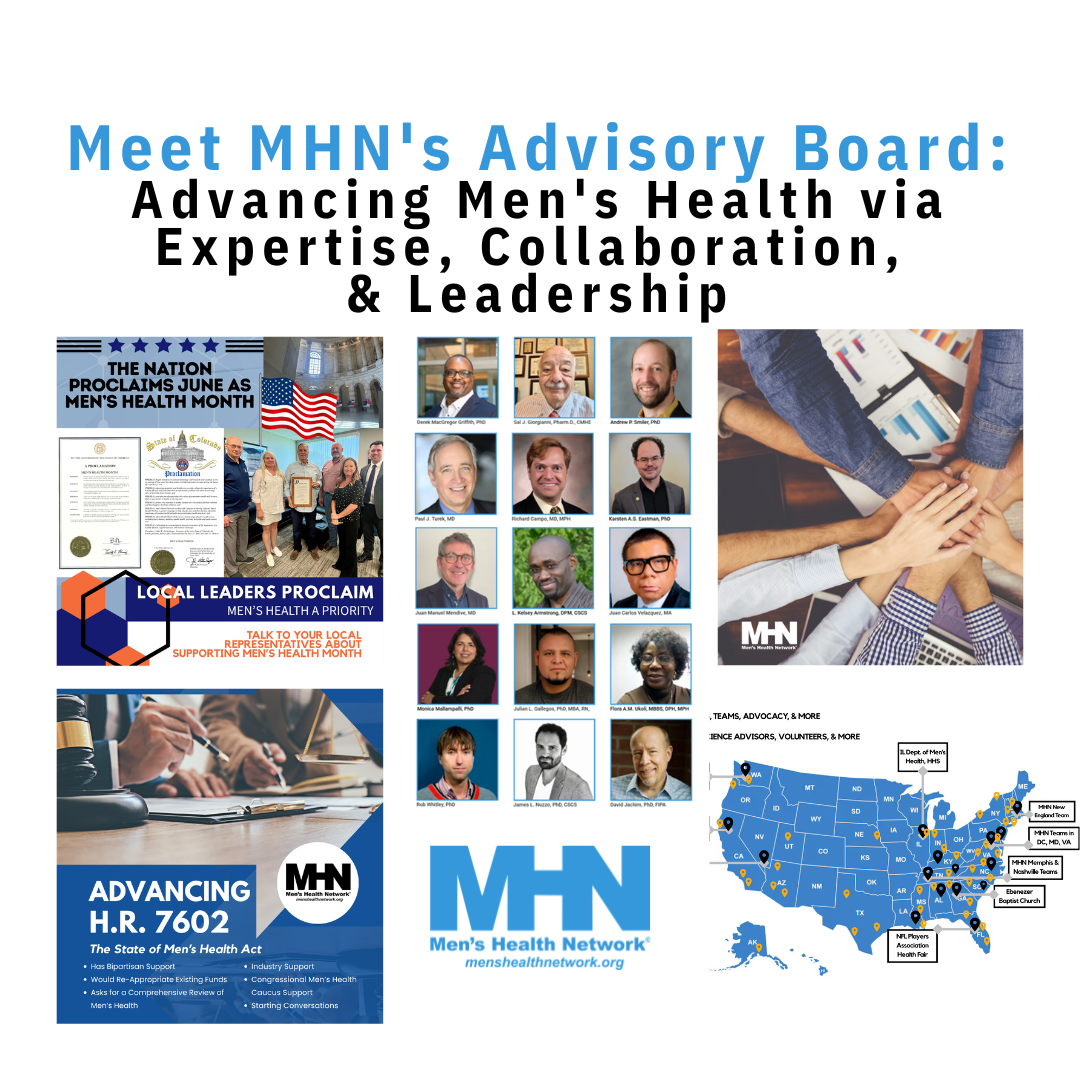
From Advocacy to Action: Establishing Standards for Men’s Health Nursing
Men’s Health Nursing has achieved formal specialty recognition through approval of its Scope and Standards of Practice by the American Nurses Association, marking a historic turning point for men’s health in the United States. This milestone establishes clear national standards for how nurses are trained and evaluated in caring for boys and men, transforming decades of advocacy into structured clinical action. As federal momentum builds with the introduction of H.R. 7602, the State of Men’s Health Act, this recognition strengthens the bridge between policy, professional education, and front-line care. Together, these advancements signal a new era in men’s health—one rooted in empathy, accountability, and a coordinated commitment to helping men live longer, healthier lives.Continue reading
COVID-19 Vaccination: What Men Need to Know When Deciding On Protection This Season
SR. Science Advisor, Dr. S.J. Giorgianni, PharmD, says: As respiratory illness season returns, COVID-19 remains active and can still pose serious risks—especially for men age 65 and older and those with underlying conditions like obesity, diabetes, heart or lung disease. Updated 2025–2026 CDC guidance recommends seasonal vaccination for these higher-risk groups, noting that immunity can wane and the virus continues to evolve. This season offers both protein subunit and mRNA vaccine options, giving individuals more choice in how they seek protection. Men’s Health Network encourages informed decision-making in consultation with a healthcare provider, as vaccination can help reduce the risk of severe illness, hospitalization, long-COVID, financial strain, and death.Continue reading
Boys Falling Off the Health-Care Map: And How We Keep Them Connected
This blog, reposted from Dominick Shattuck, PhD’s Substack with permission from the author, examines new research showing how many boys quietly disengage from preventive health care during the transition from adolescence to young adulthood. Drawing on findings from the Journal of Adolescent Health and decades of men’s health research, the piece explores how masculinity norms, low perceived risk, structural barriers, and unwelcoming health systems contribute to boys “falling off the health-care map.” It highlights why this early disengagement matters for long-term health outcomes and outlines practical, evidence-informed strategies for building health systems that keep boys connected to care before preventable problems become lifelong challenges.Continue reading
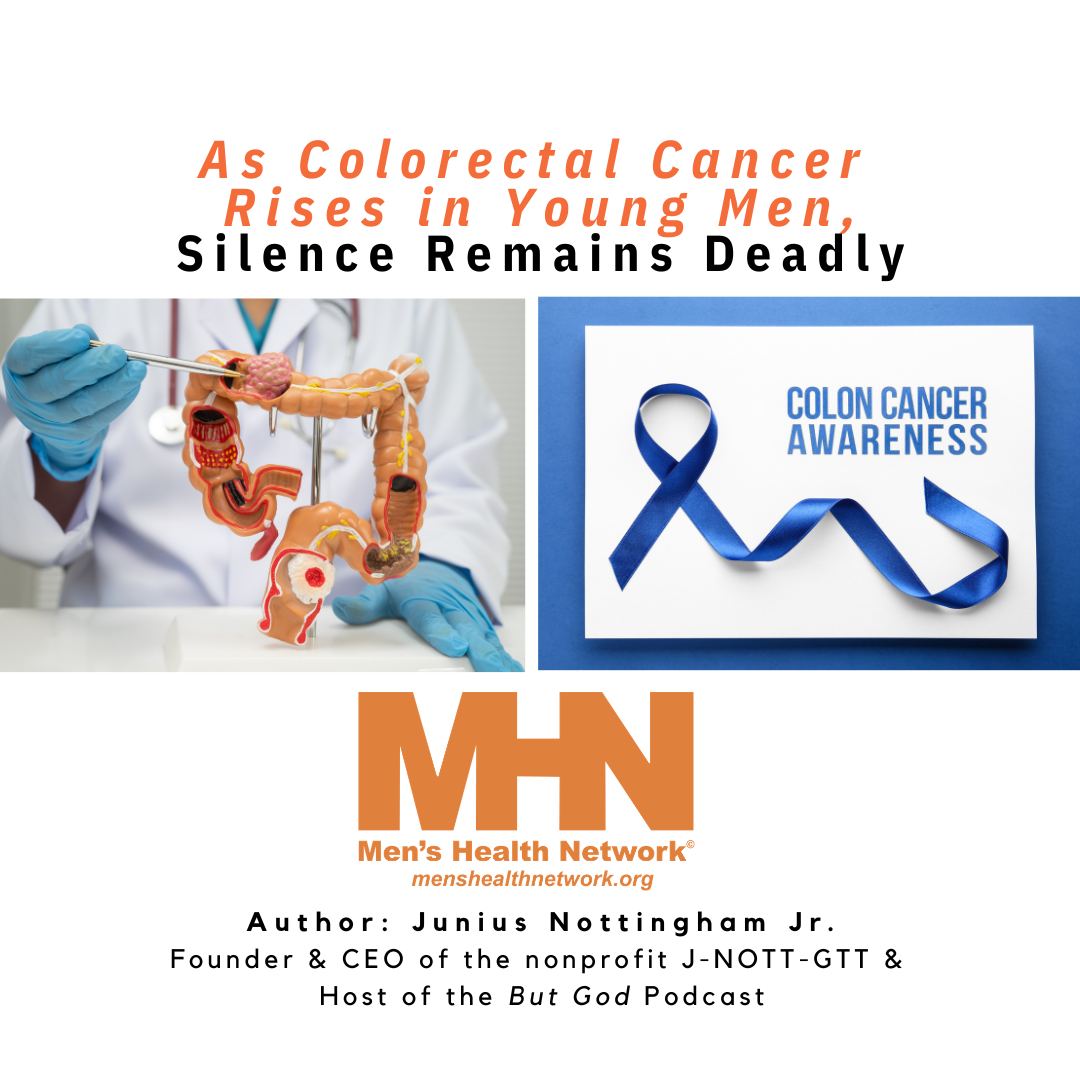
Men’s GI Health: Conditions to Be Aware of and How to Prevent
Men often overlook GI health, but digestive issues can affect overall wellness and may signal serious conditions like IBD, GERD, liver disease, or colorectal cancer. Key warning signs include persistent abdominal pain, bowel changes, unexplained weight loss, and blood in the stool. Prevention centers on a healthy diet, exercise, limiting alcohol, avoiding smoking, and managing stress. Routine screenings—especially colonoscopies starting at age 45—are essential. Early detection and healthy habits can significantly reduce the risk of serious GI disease.Continue reading