June 2026: Men’s Health Month is Here!

June marks Men’s Health Month and International Men’s Health Week, nationally and internationally recognized awareness periods focused on improving the health and well-being of men and boys through education, prevention, early detection, advocacy, and community engagement. Throughout the month, Men’s Health Network highlights important conversations around preventive care, mental health, chronic disease prevention, fatherhood, caregiving, workplace wellness, and closing the Lifespan Gender Gap through awareness campaigns, policy updates, community partnerships, and actionable health resources.Continue reading

A College Perspective: Why Preventative Health Matters for Men in their 20’s

This blog highlights the importance of preventative healthcare for young men, emphasizing how stigma, busy college lifestyles, and “tough it out” mentalities often lead to neglecting routine care. It encourages building healthy habits early, prioritizing regular checkups, and fostering open conversations about men’s health to support long-term well-being. Continue reading

College Conversations: Behind the Game, Male College Athletes

This blog explores the often-overlooked mental and emotional health challenges faced by male college athletes, who are under constant pressure to perform both academically and athletically. While physical health is prioritized, cultural expectations around toughness can make it difficult for these athletes to open up about stress and mental health struggles. The piece highlights the importance of balancing physical and mental wellness, encouraging more open conversations and support systems to help athletes succeed both on and off the field. Continue reading

Testicular Cancer Awareness Month 2026: What Comes Next?

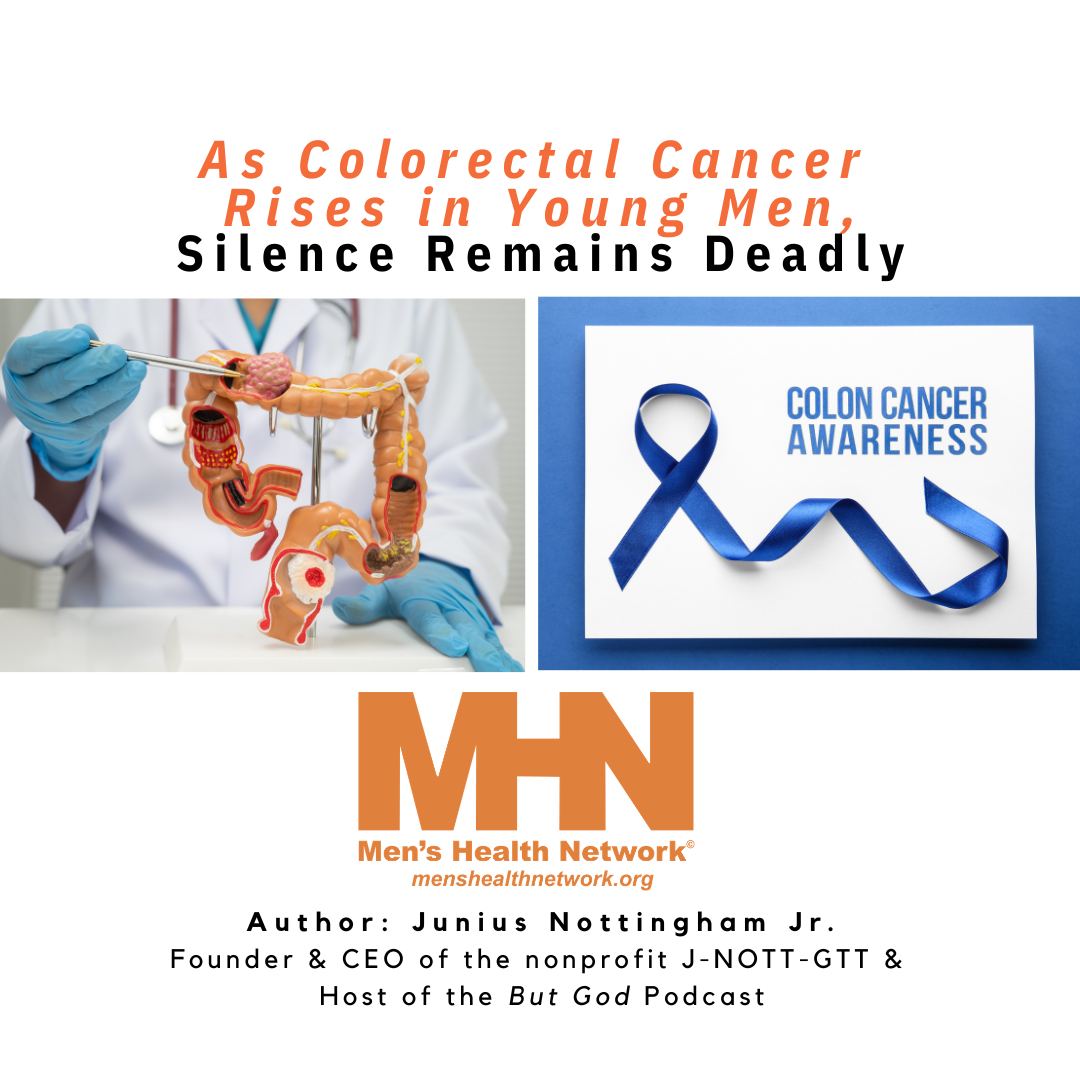
As Testicular Cancer Awareness Month concludes, the focus shifts from awareness to action—encouraging individuals to continue conversations, share resources, and support early detection efforts. Testicular cancer primarily affects young men ages 15–35, and outcomes are highly favorable when identified early, making education and communication critical. The blog emphasizes that small, everyday actions—like speaking up, checking in, or sharing information—can lead to life-saving outcomes. It also reinforces that awareness should extend beyond April, helping build long-term habits and a culture where men’s health is openly discussed and prioritized. Looking ahead, Men’s Health Month 2026 expands this momentum, promoting broader engagement across prevention, education, and community outreach, with opportunities to get involved through toolkits and educational resources.Continue reading

Testicular Cancer Awareness Month 2026: Starting the Conversation Early & Why Awareness Can’t Wait

Testicular Cancer Awareness Month emphasizes the importance of early detection and open conversations, especially for young men ages 15–35 who are most at risk. Through education and awareness, individuals are encouraged to recognize changes, speak up, and engage with healthcare earlier. Stories like Steve’s highlight how a simple conversation can lead to early detection and life-saving outcomes, reinforcing that small moments and supportive relationships play a critical role in improving men’s health.Continue reading

Testicular Cancer Awareness Month… Partners in Care: Know Your Risk. Talk with Your Family.

Testicular Cancer Awareness Month highlights the importance of early detection, education, and open conversations about a cancer that most often affects young men ages 15–35. With nearly 10,000 diagnoses each year in the United States and high survival rates when detected early, awareness and proactive health behaviors are critical. The theme, “Partners in Care: Know Your Risk. Talk with Your Family,” emphasizes the role families and communities play in supporting men’s health through communication, self-awareness, and early engagement with care.Continue reading

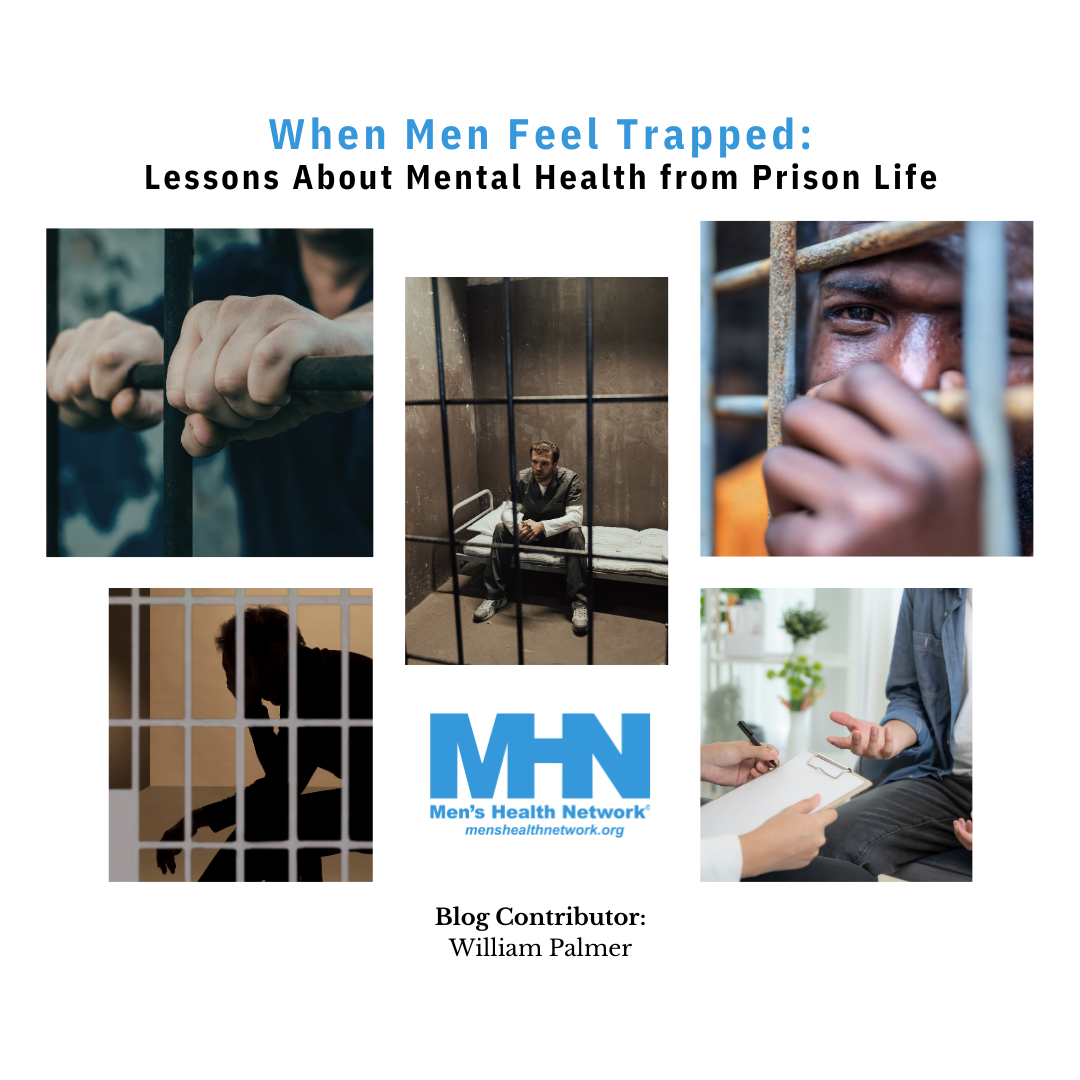
When Men Feel Trapped: Lessons About Mental Health from Prison Life

This essay argues that prison life exposes, in intensified form, the same psychological pressures many men face in everyday modern life: loss of agency, identity erosion, chronic stress, emotional isolation, and the belief that “functioning” equals health. Drawing on conversations with former inmates and observations from prison ministry, the author shows how men unravel not primarily from violence, but from isolation, dehumanization, and avoidance of inner pain—patterns mirrored outside prison through overwork, numbing behaviors, and silent suffering. The piece emphasizes that men heal when dignity is restored through purpose, trusted responsibility, structured community, and honest self-examination, rather than punishment or performance-based worth. Ultimately, the essay reframes men’s mental health as a human and structural issue, arguing that if practices like truth-telling, meaningful responsibility, and brotherhood can sustain men under extreme confinement, they are essential tools for helping men reclaim resilience, identity, and emotional well-being in everyday life.Continue reading

Swipe Fatigue and the Friendship Gap: Why Dating Apps Don’t Fix Men’s Loneliness

This essay argues that dating apps, while promising unprecedented access to potential partners, are poorly suited to reducing men’s loneliness and may instead exacerbate it by replacing meaningful social infrastructure with rapid, evaluative selection. Drawing on research from social psychology, sociology, and public health, the author explains that durable relationships depend on “friendship markets”—environments with repeated interaction, shared purpose, and social permission for vulnerability—which have eroded for men as workplaces, civic groups, and community institutions have declined. Dating apps function as closed markets that promote choice overload, rejection mind-sets, swipe fatigue, and burnout, exposing men to repeated, cumulative rejection without opportunities for relational repair or gradual connection. Evidence shows these dynamics can undermine well-being, increase withdrawal, and fail to address men’s broader needs for friendship, identity, and belonging. The essay concludes that men’s loneliness is not a personal failure or an algorithm problem, but a structural one, and that meaningful progress requires rebuilding real-world, activity-based, and community-centered friendship markets rather than relying on dating apps to solve a problem they were never designed to address.Continue reading

Masculinity, Health, and the Power of Understanding: Why Dr. Smiler’s Books Make an Impact on the Conversation

This blog highlights how Andrew Smiler brings clarity and balance to today’s conversations about masculinity through Is Masculinity Toxic?: A Primer for the 21st Century and The Masculine Self (7th Edition). Together, these books offer accessible language and evidence-informed insight into how masculine norms shape health, behavior, and relationships, moving the conversation beyond sound bites toward understanding that supports healthier outcomes for men and boys.Continue reading

Boys Falling Off the Health-Care Map: And How We Keep Them Connected

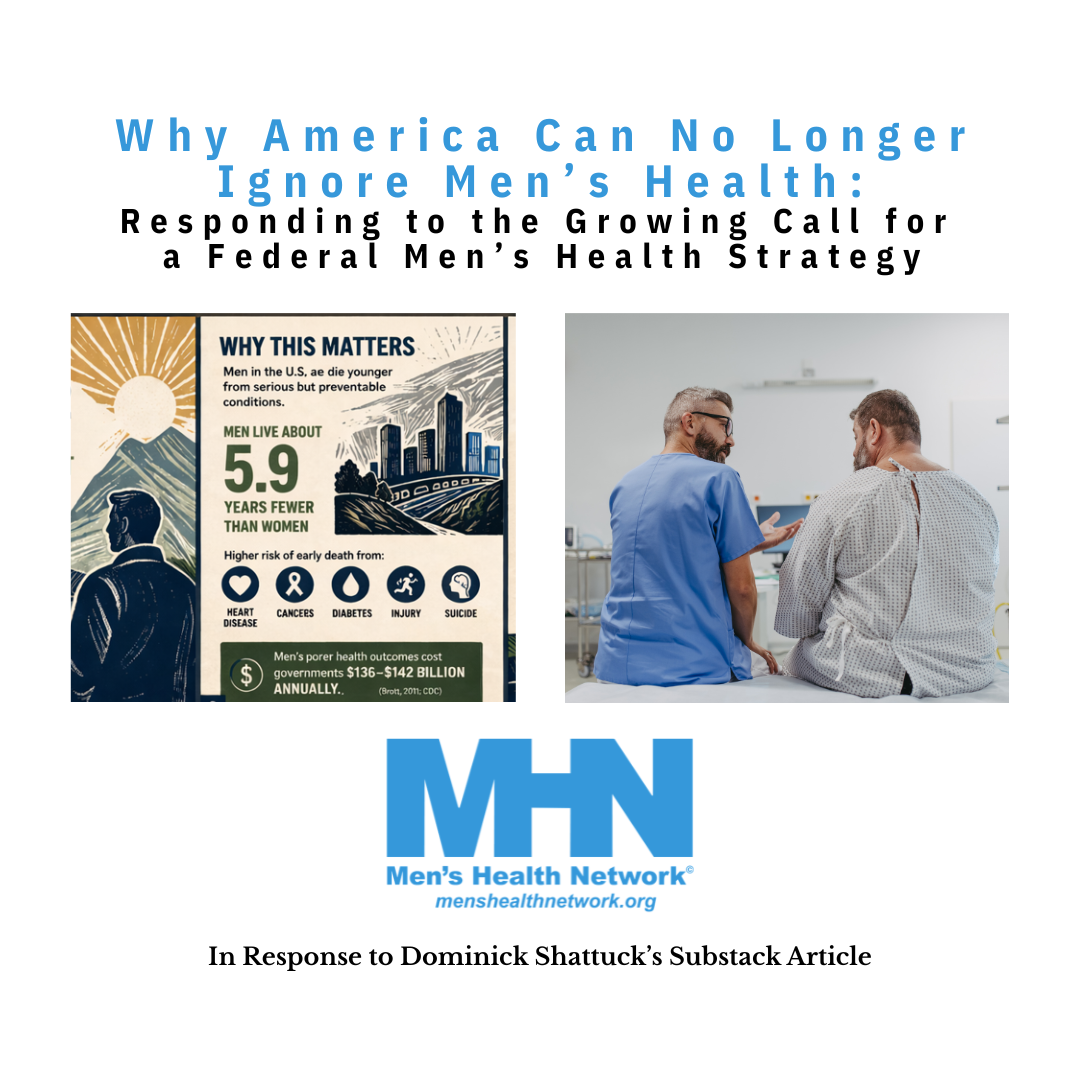
This blog, reposted from Dominick Shattuck, PhD’s Substack with permission from the author, examines new research showing how many boys quietly disengage from preventive health care during the transition from adolescence to young adulthood. Drawing on findings from the Journal of Adolescent Health and decades of men’s health research, the piece explores how masculinity norms, low perceived risk, structural barriers, and unwelcoming health systems contribute to boys “falling off the health-care map.” It highlights why this early disengagement matters for long-term health outcomes and outlines practical, evidence-informed strategies for building health systems that keep boys connected to care before preventable problems become lifelong challenges.Continue reading

Scroll to top