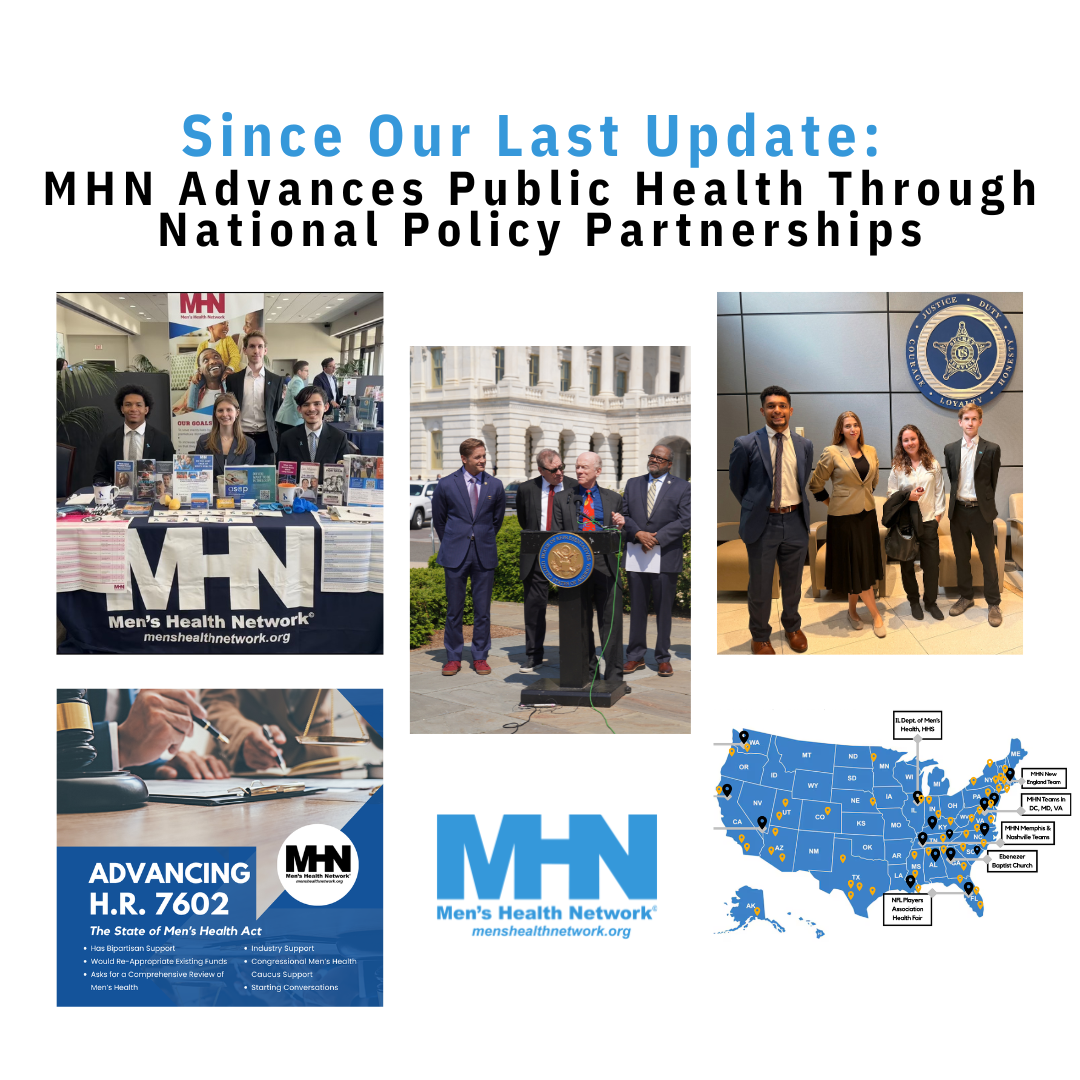
**Summary** Since our last update, Men's Health Network has continued working with national medical societies, patient advocacy organizations, researchers, and policymakers to advance public health through coalition advocacy. Recent efforts have focused on expanding access to clinical trials, protecting patients from unsafe compounded GLP-1 medications, strengthening military medical research, restoring prostate cancer research funding, and advancing the historic State of Men's Health Act. A major milestone came on July 22 with the introduction of the Senate companion to the State of Men's Health Act—the first time legislation to establish a federal Office of Men's Health has been introduced in both the House and Senate during the same Congress. Together, these initiatives reflect the growing recognition that improving the health of men and boys requires collaboration, evidence-based policy, and sustained advocacy. Continue reading
Category: Public Policy
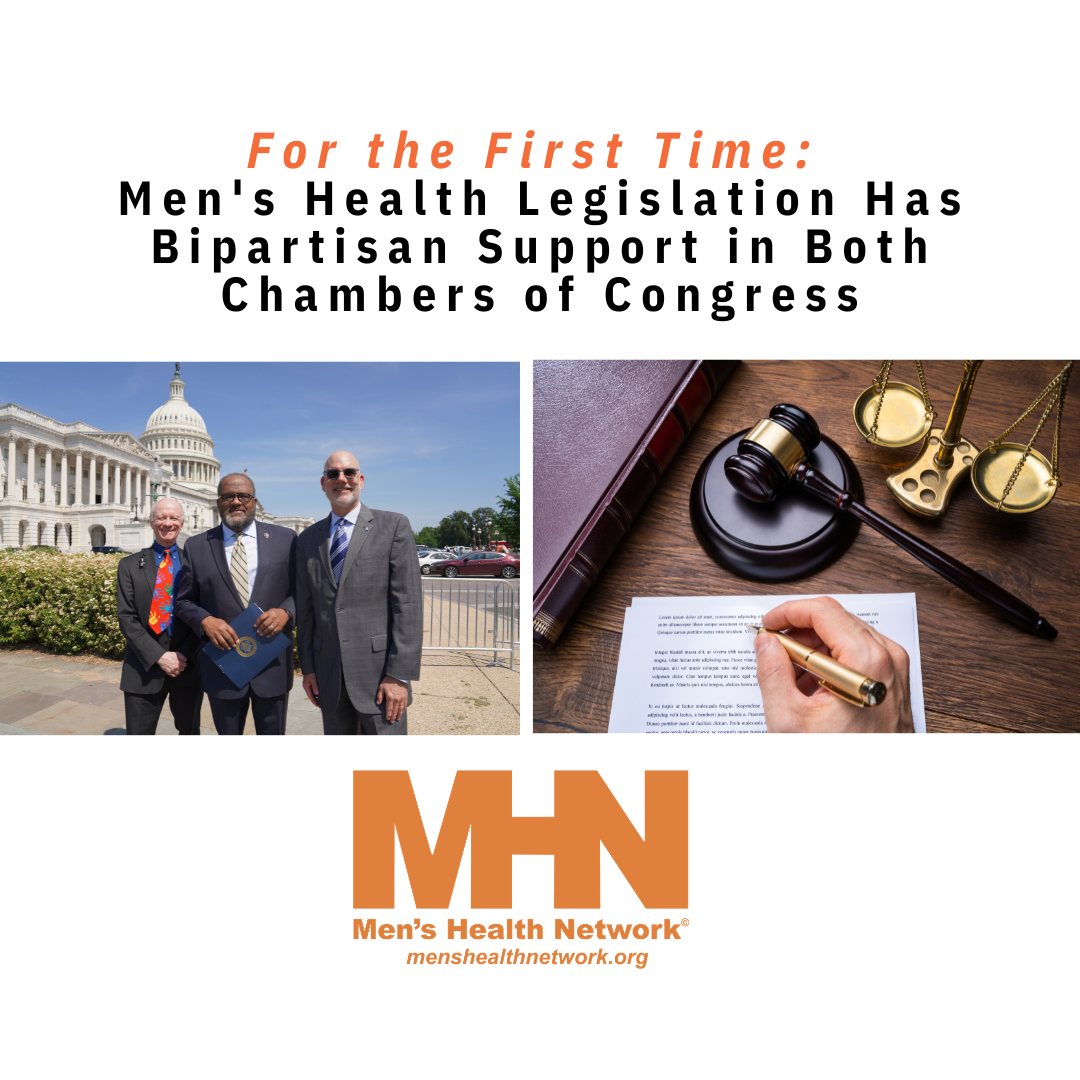
For the First Time: Men’s Health Legislation Has Bipartisan Support in Both Chambers of Congress
For the first time, bipartisan legislation to establish a federal Office of Men's Health has been introduced in both the U.S. House of Representatives and the U.S. Senate. Learn why this development represents the strongest congressional support yet for a coordinated national approach to improving the health and well-being of men and boys.Continue reading
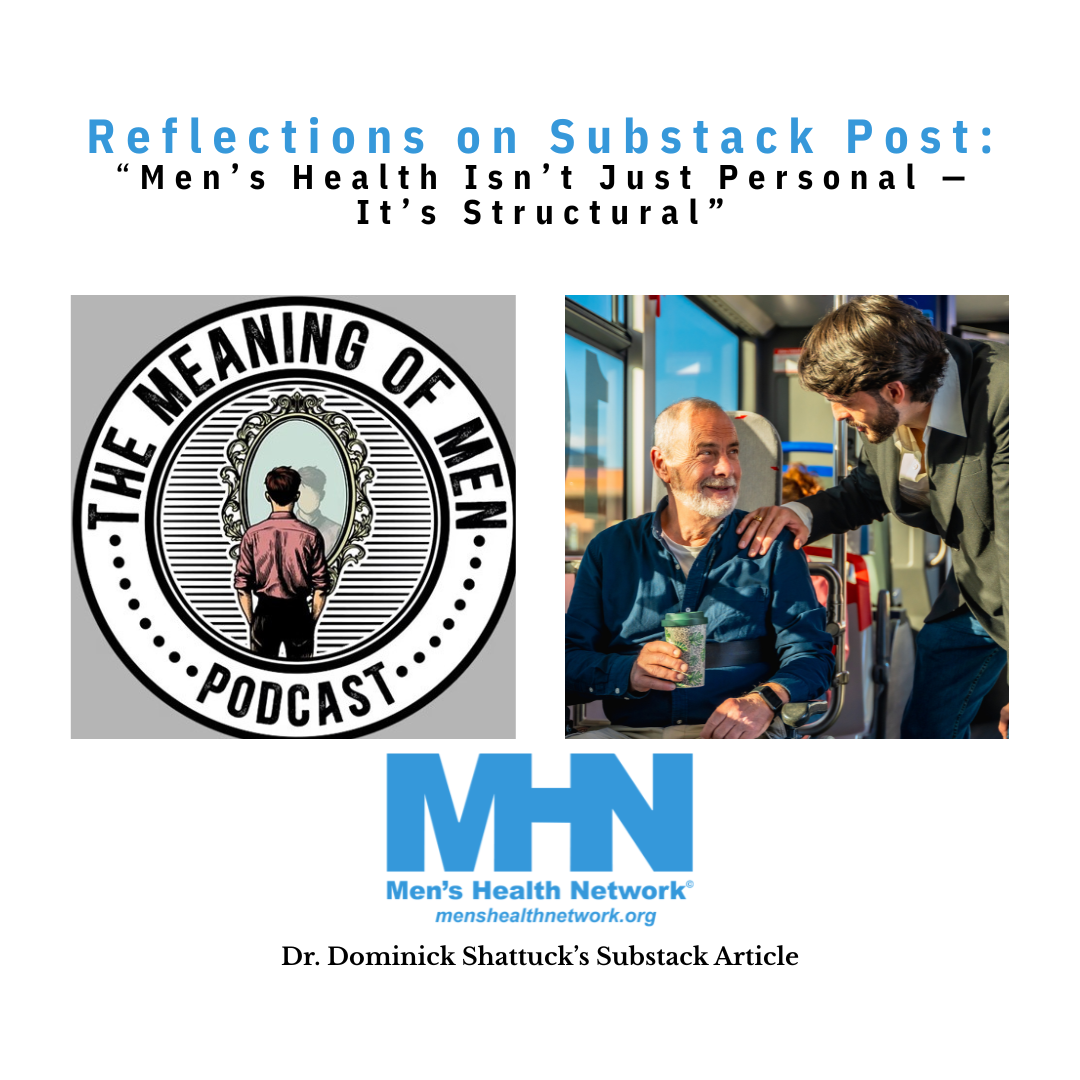
“Men’s Health Isn’t Just Personal—It’s Structural:” Why This Conversation Matters Now More Than Ever
This article highlights Dr. Dominick Shattuck’s discussion on *The Meaning of Men Podcast*, exploring how men’s health outcomes are influenced not only by personal choices but also by healthcare systems, policies, and social structures. The piece examines why many men disengage from preventive care, the importance of meeting men where they are, and strategies that can improve long-term healthcare engagement. Building on Dr. Shattuck’s insights, Men’s Health Network discusses why this conversation is especially timely amid growing awareness of the Lifespan Gender Gap and ongoing efforts to improve men’s health policy and preventive care. The article emphasizes that men’s health is not just an individual issue, but one that affects families, workplaces, communities, and society as a whole.Continue reading
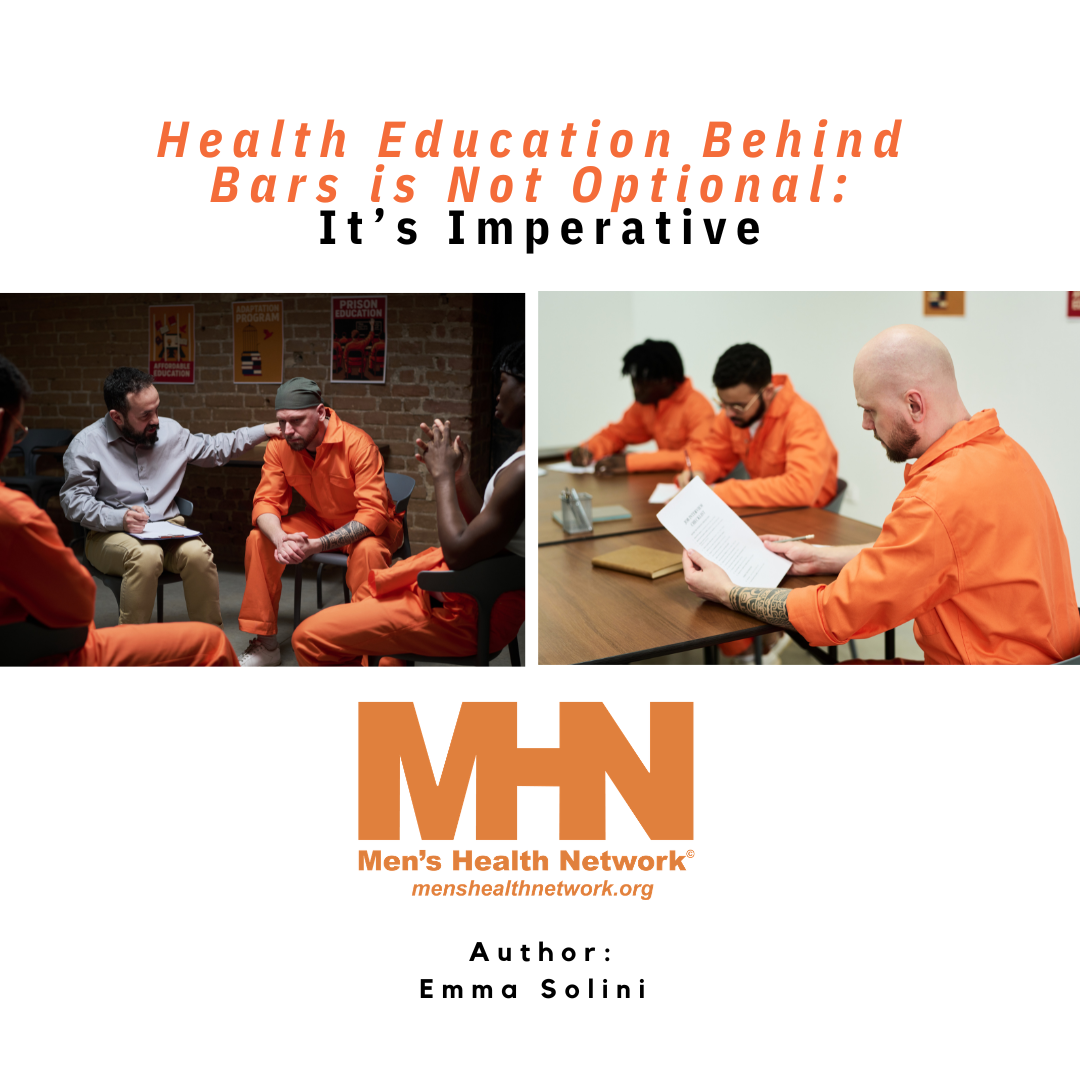
Health Education Behind Bars is Not Optional: It’s Imperative
This advocacy op-ed argues that health education and preventive care programs should be expanded within correctional facilities to address the significant health disparities experienced by incarcerated men and boys. The article highlights how improved health literacy, chronic disease management, mental health awareness, and continuity of care can lead to better health outcomes, reduced healthcare costs, and stronger community reintegration. It emphasizes that voluntary, ethically implemented health education programs are a practical public health investment that benefits both incarcerated individuals and society as a whole.Continue reading
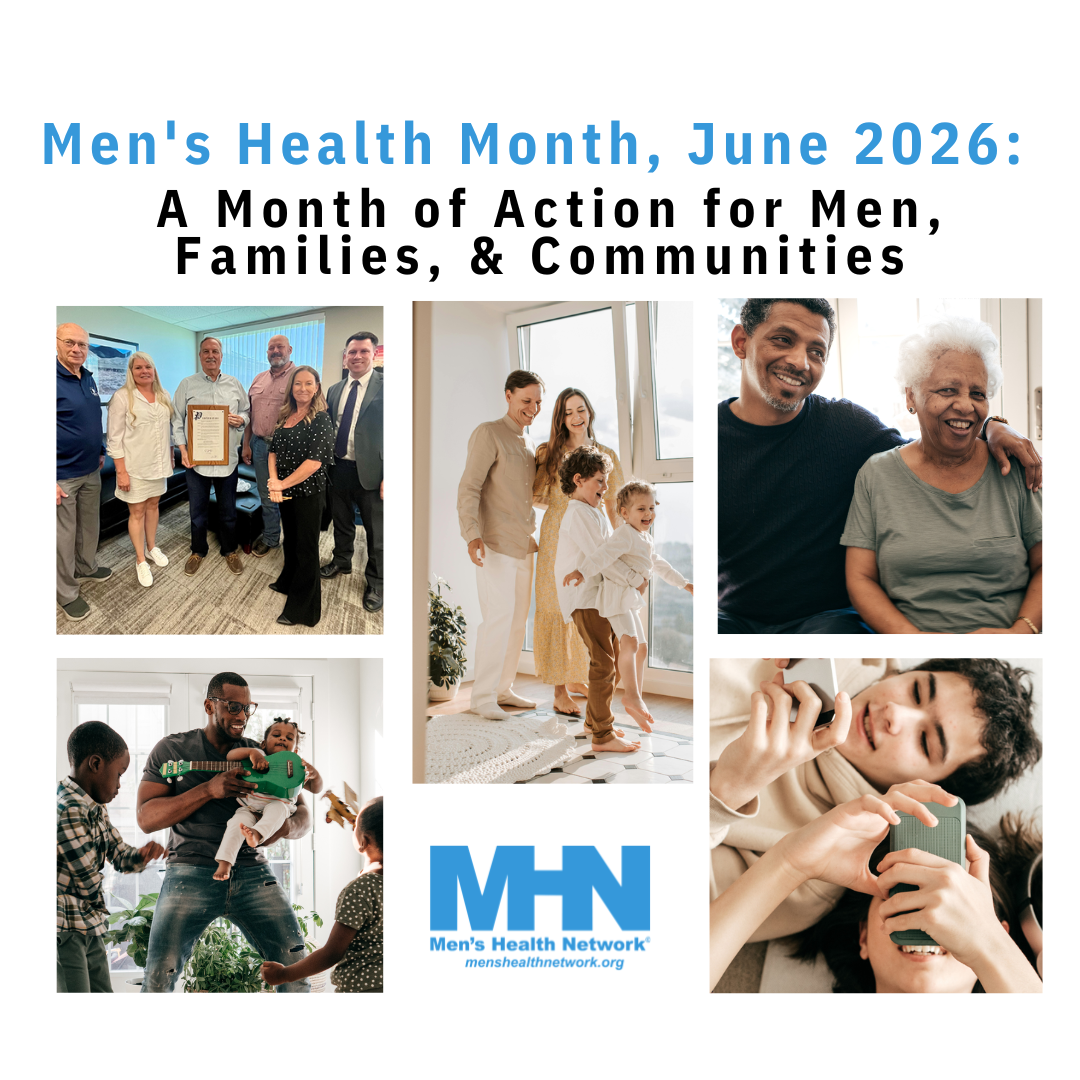
Men’s Health Month, June 2026: A Month of Action for Men, Families, & Communities
Men's Health Month 2026 brought together healthcare organizations, policymakers, community leaders, employers, volunteers, and advocates from across the country to improve the health and well-being of men and boys. From 170 official proclamations and a Congressional Men's Health Event on Capitol Hill to community fundraisers, educational initiatives, and national partnerships, this year's campaign highlighted the power of collaboration in advancing men's health. As June comes to a close, Men's Health Network reflects on the month's accomplishments and looks ahead to continuing this important work throughout the year.Continue reading
Advancing Men’s Health Together: Building on Progress Through an Expanding National Network
The men’s health movement is entering a more advanced, coordinated phase, marked by increasing legislative wins, stronger advocacy alignment, growing use of data, and rising public visibility. Efforts like no-cost prostate cancer screening laws across multiple states demonstrate that progress is no longer isolated—it is connected, iterative, and accelerating. However, while meaningful progress is happening, it is not being consistently captured or communicated as a unified story. By developing a structured “Advances in Men’s Health” timeline, Men’s Health Network can transform fragmented updates into a clear narrative that highlights sustained momentum, reinforces credibility, and shows national impact. At its core, this progress is driven by an expanding network. Achievements are not the result of single organizations, but of coordinated partnerships across advocacy groups, clinical leaders, policymakers, and community stakeholders. MHN’s role as a national convener is to connect and amplify these efforts. Ultimately, the network itself is the story—demonstrating how collaboration leads to scalable, repeatable, and impactful advancements in men’s health.Continue reading
Men’s Health Network Joins National Coalitions: Supporting Bladder Cancer Research Funding and Strengthening the Nursing Workforce
MHN announced its support for two national policy initiatives aimed at improving men’s health outcomes. The organization joined national coalitions advocating for the creation of a Bladder Cancer Research Program within the Department of Defense CDMRP and for federal policy updates recognizing post-baccalaureate nursing degrees as professional degrees to strengthen the healthcare workforce. The announcement highlights the importance of cancer prevention, research investment, and expanding access to care, particularly for men who face higher mortality rates and barriers to preventive services.Continue reading
From Advocacy to Action: Establishing Standards for Men’s Health Nursing
Men’s Health Nursing has achieved formal specialty recognition through approval of its Scope and Standards of Practice by the American Nurses Association, marking a historic turning point for men’s health in the United States. This milestone establishes clear national standards for how nurses are trained and evaluated in caring for boys and men, transforming decades of advocacy into structured clinical action. As federal momentum builds with the introduction of H.R. 7602, the State of Men’s Health Act, this recognition strengthens the bridge between policy, professional education, and front-line care. Together, these advancements signal a new era in men’s health—one rooted in empathy, accountability, and a coordinated commitment to helping men live longer, healthier lives.Continue reading
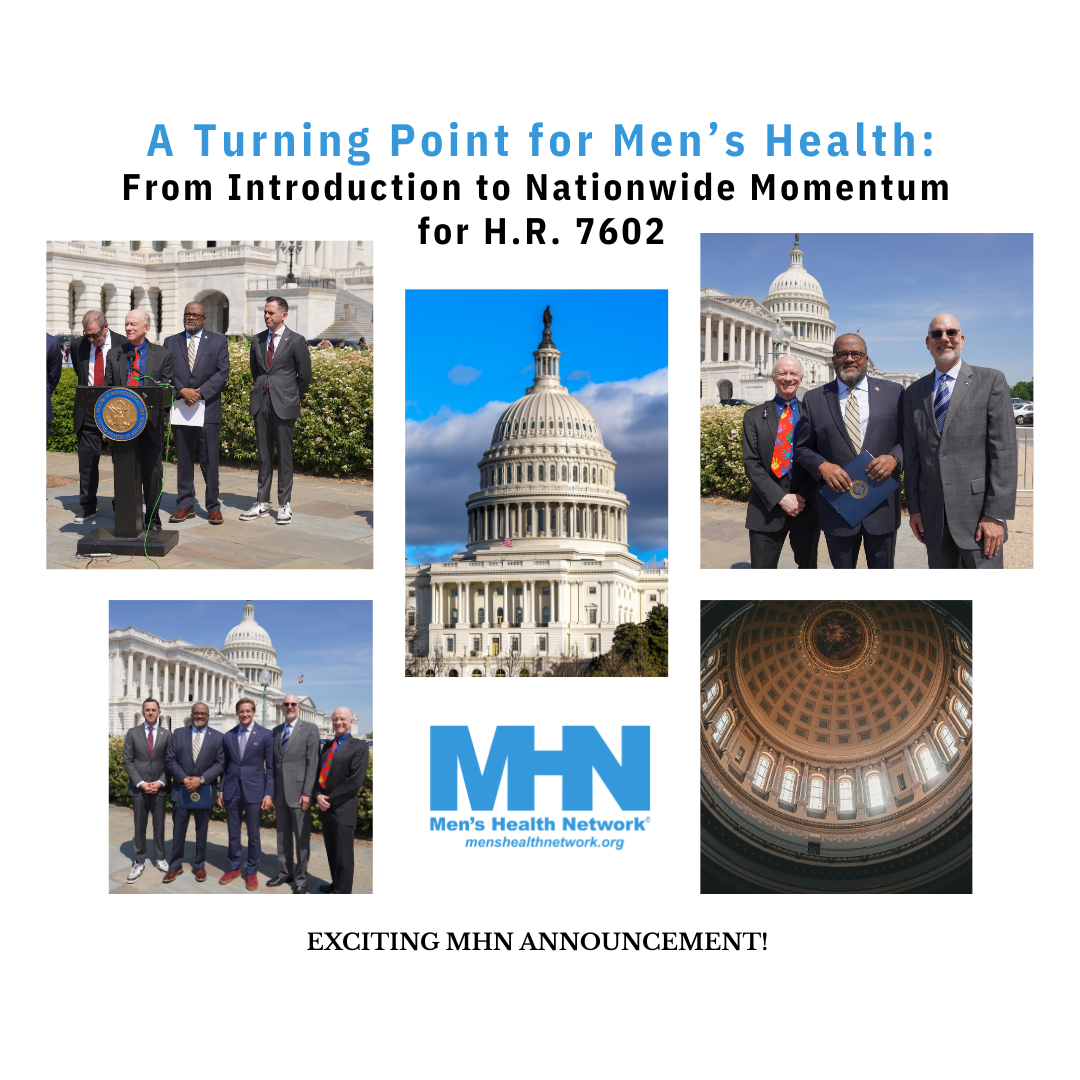
A Turning Point for Men’s Health: From Introduction to Nationwide Momentum for H.R. 7602
A historic shift is underway in men’s health policy. This blog explores the introduction of the State of Men’s Health Act (H.R. 7602), the growing bipartisan and national medical support behind it, and the landmark recognition of Men’s Health Nursing as a specialty—marking a pivotal moment in strengthening federal coordination, clinical infrastructure, and prevention efforts for men and boys across the United States.Continue reading
Illinois Leads the Nation in Men’s Health: A Closer Look at the 2025 Men’s Health Assessment
Illinois is leading the nation in men’s health by becoming one of the only states with a dedicated Men’s Health Section within its Department of Public Health. The newly released Men’s Health Assessment 2025, authored by Andrew Lerch, DPT, PT, provides a comprehensive, data-driven look at the health challenges facing men across the state. This landmark report highlights disparities, identifies priority areas for action, and offers a blueprint for how states can integrate men’s health into public health strategy, policy, and practice.Continue reading