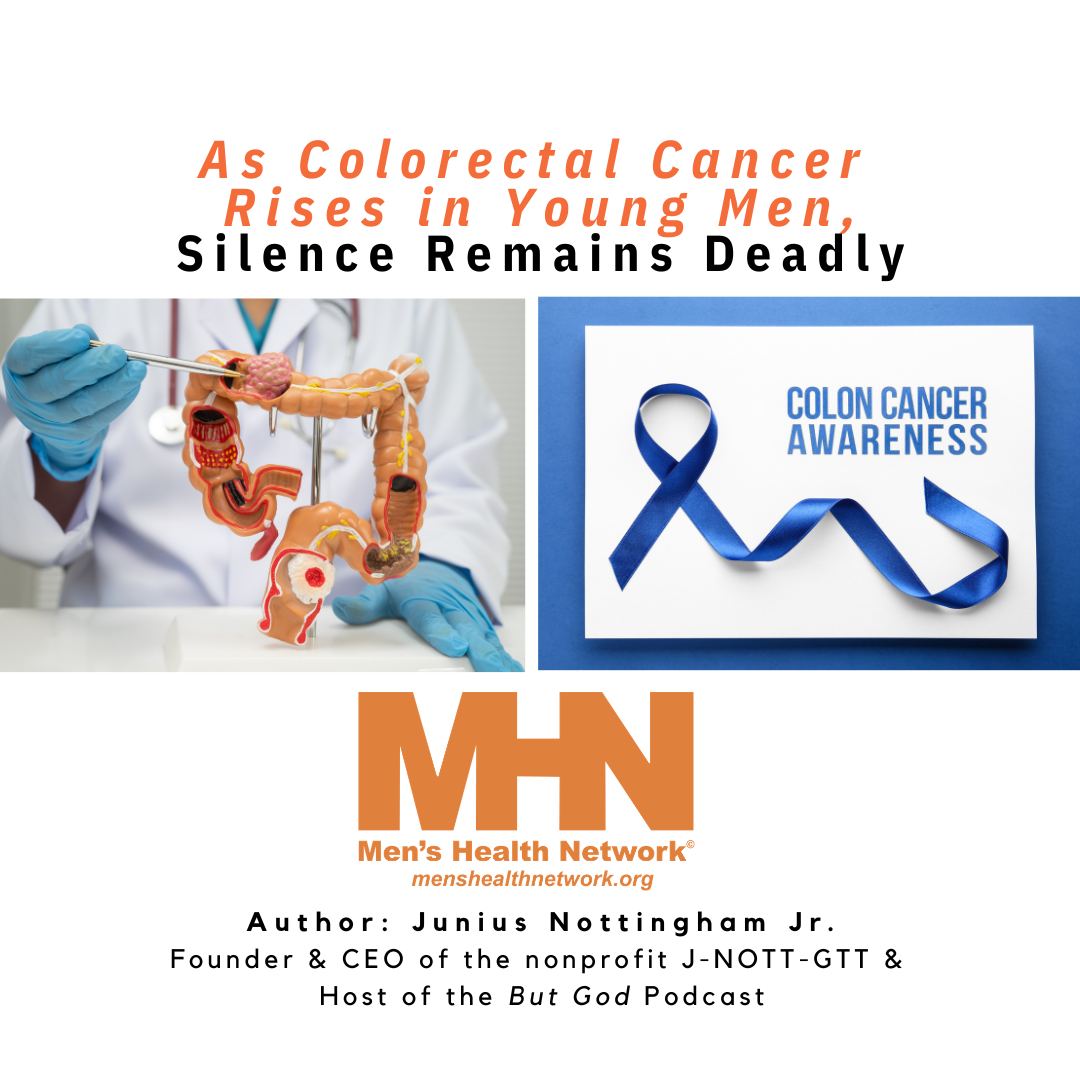
Health Education Behind Bars is Not Optional: It’s Imperative

This advocacy op-ed argues that health education and preventive care programs should be expanded within correctional facilities to address the significant health disparities experienced by incarcerated men and boys. The article highlights how improved health literacy, chronic disease management, mental health awareness, and continuity of care can lead to better health outcomes, reduced healthcare costs, and stronger community reintegration. It emphasizes that voluntary, ethically implemented health education programs are a practical public health investment that benefits both incarcerated individuals and society as a whole.Continue reading
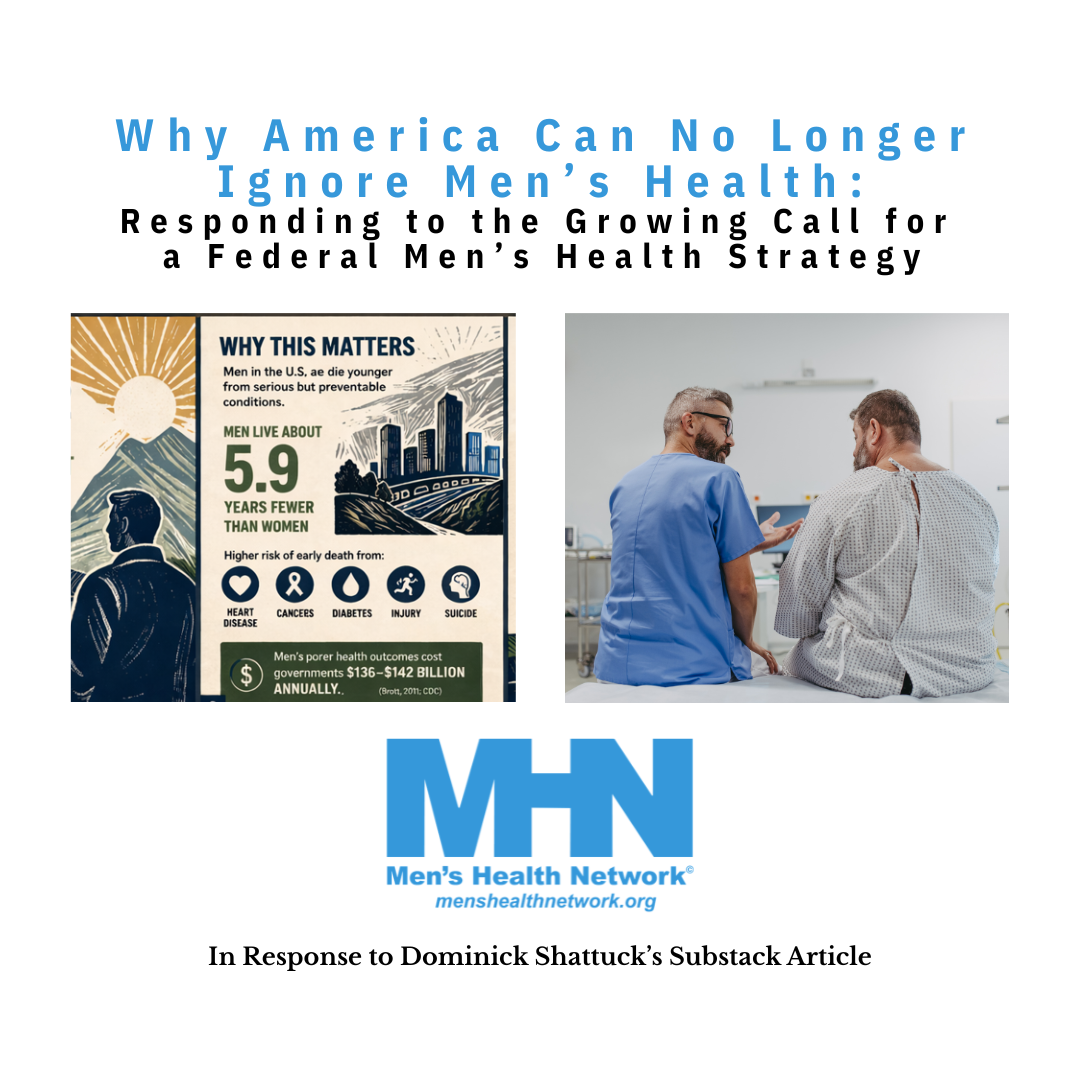
Why America Can No Longer Ignore Men’s Health: Responding to the Growing Call for a Federal Men’s Health Strategy

This response article examines the growing national conversation around men’s health policy through the lens of Dr. Dominick Shattuck’s Substack post, “Why the U.S. Needs a Federal Strategy on Men’s Health.” The blog explores the nearly six-year Lifespan Gender Gap between men and women, highlighting how preventable conditions such as heart disease, cancer, diabetes, injury, and suicide continue contributing to premature mortality among men. It discusses the structural, cultural, and healthcare-system barriers that often prevent men from engaging in preventive care early, including stigma, medical mistrust, workplace pressures, and norms surrounding self-reliance. The article also analyzes the proposed H.R. 7602 — State of Men’s Health Act, which would establish a national study on men’s health disparities and create an Office of Men’s Health within HHS to coordinate prevention and public awareness efforts. Throughout the piece, the response emphasizes that improving men’s health outcomes is not a zero-sum issue, but rather a broader public health, workforce, family, and community issue that benefits society as a whole through stronger preventive care, earlier intervention, and improved healthcare engagement.Continue reading

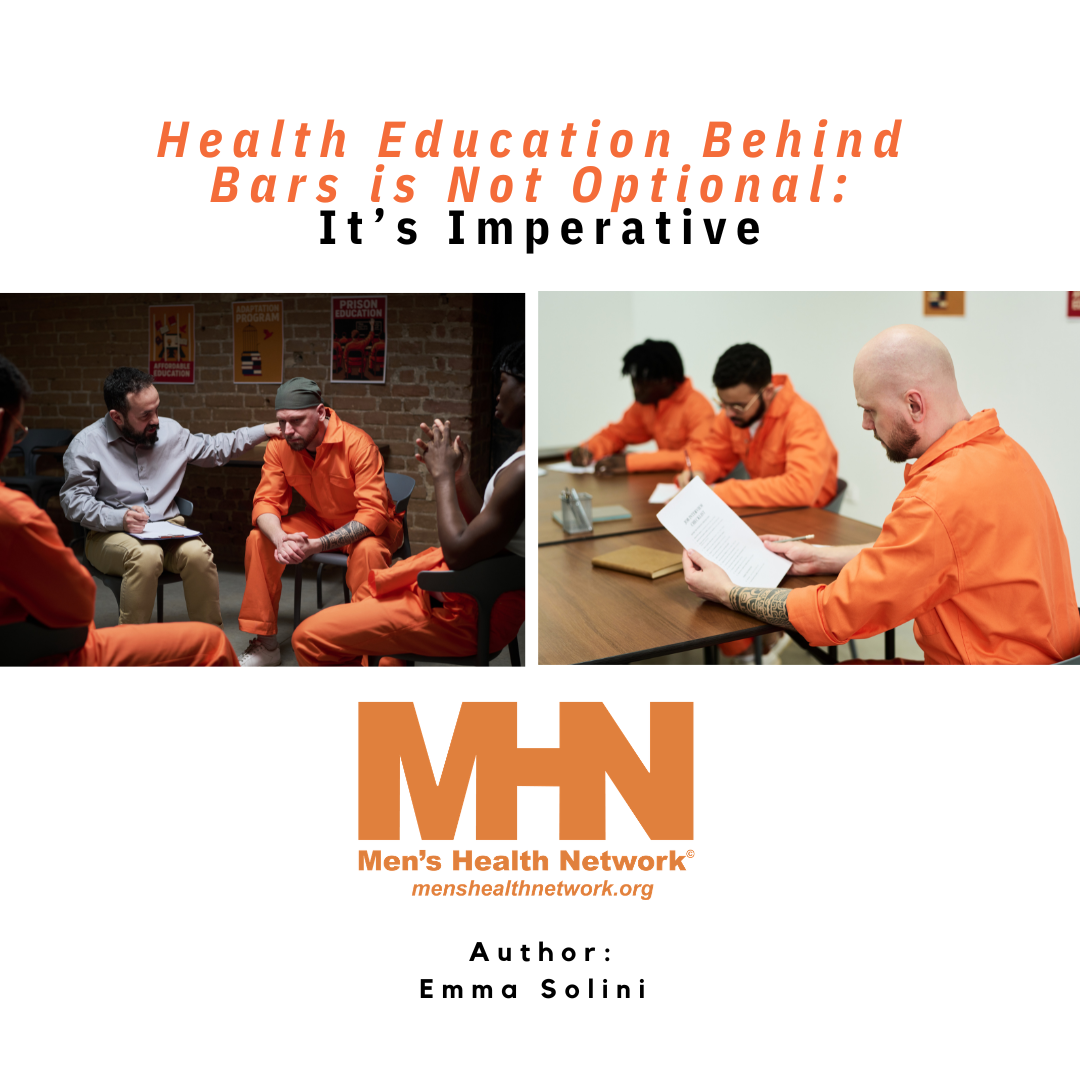
As Colorectal Cancer Rises in Young Men, Silence Remains Deadly

This personal story explores the growing rise of colorectal cancer among younger men through the experience of Junius Nottingham Jr., whose son Jeremy died from advanced colorectal cancer at just 31 years old after an undiagnosed case of Lynch syndrome. The blog highlights how stigma, silence, and cultural expectations around masculinity often prevent men from speaking up about symptoms, seeking preventive care, or advocating for genetic testing. It also raises awareness about Lynch syndrome as the most common hereditary cause of colorectal cancer and emphasizes the importance of family health history, early detection, and proactive healthcare conversations. Through personal reflection and advocacy, the author encourages men and families to connect the dots around hereditary cancer risks, seek medical evaluation early, and break the silence surrounding men’s health and cancer prevention. Continue reading

Men’s Health Network Joins National Coalitions: Supporting Bladder Cancer Research Funding and Strengthening the Nursing Workforce

MHN announced its support for two national policy initiatives aimed at improving men’s health outcomes. The organization joined national coalitions advocating for the creation of a Bladder Cancer Research Program within the Department of Defense CDMRP and for federal policy updates recognizing post-baccalaureate nursing degrees as professional degrees to strengthen the healthcare workforce. The announcement highlights the importance of cancer prevention, research investment, and expanding access to care, particularly for men who face higher mortality rates and barriers to preventive services.Continue reading

Boys Falling Off the Health-Care Map: And How We Keep Them Connected

This blog, reposted from Dominick Shattuck, PhD’s Substack with permission from the author, examines new research showing how many boys quietly disengage from preventive health care during the transition from adolescence to young adulthood. Drawing on findings from the Journal of Adolescent Health and decades of men’s health research, the piece explores how masculinity norms, low perceived risk, structural barriers, and unwelcoming health systems contribute to boys “falling off the health-care map.” It highlights why this early disengagement matters for long-term health outcomes and outlines practical, evidence-informed strategies for building health systems that keep boys connected to care before preventable problems become lifelong challenges.Continue reading

Rethinking Masculinity: Insights from “The Masculine Self” (7th Ed.)

Rethinking Masculinity: Insights from The Masculine Self highlights how cultural norms shape men’s health, relationships, and well-being. Drawing from the 7th edition of The Masculine Self by Andrew Smiler, PhD, and Christopher Kilmartin, PhD, the blog explores how ideas of toughness and stoicism influence men’s willingness to seek care, their mental health, and even life expectancy. It examines links between masculinity, violence, suicide, media influence, and physical health, while emphasizing empathy and the importance of supportive spaces. Men’s Health Network underscores that redefining masculinity can improve outcomes and create healthier, more connected lives for men and boys.Continue reading

When a Leader’s Diagnosis Becomes a National Wake-Up Call: Prostate Cancer, Awareness, and the Urgent Need for Change

Former President Joe Biden’s stage 4 prostate cancer diagnosis underscores a national failure in men’s health and preventive care. Men’s Health Network is calling for urgent reform to PSA screening guidelines, improved prostate cancer awareness, and expanded support for men’s healthcare—especially for those over age 70. Prostate cancer is highly treatable when detected early, making timely prostate screenings critical. This moment is a wake-up call to prioritize men’s health policy, close the Lifespan Gender Gap, and increase health education for men.Continue reading

Scroll to top