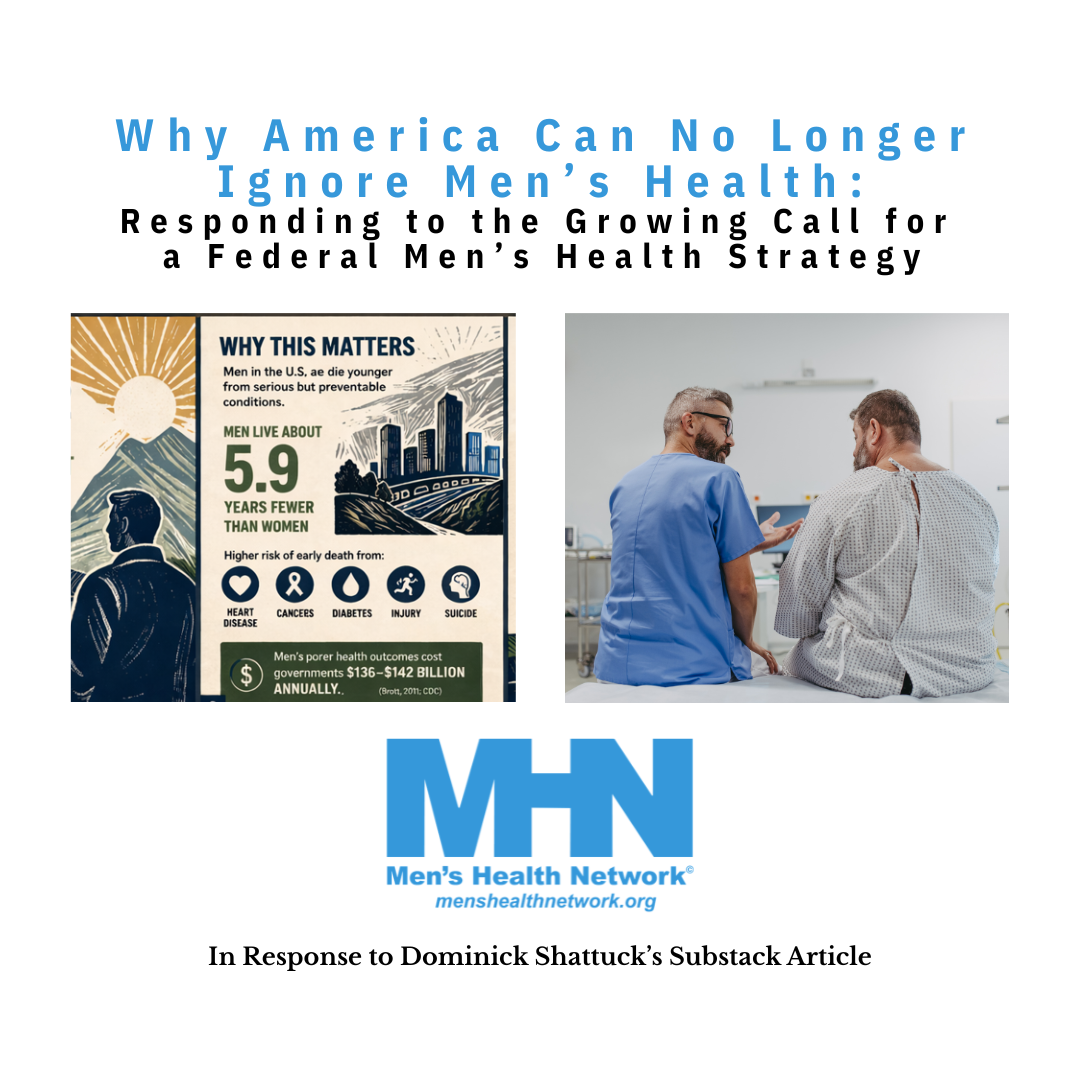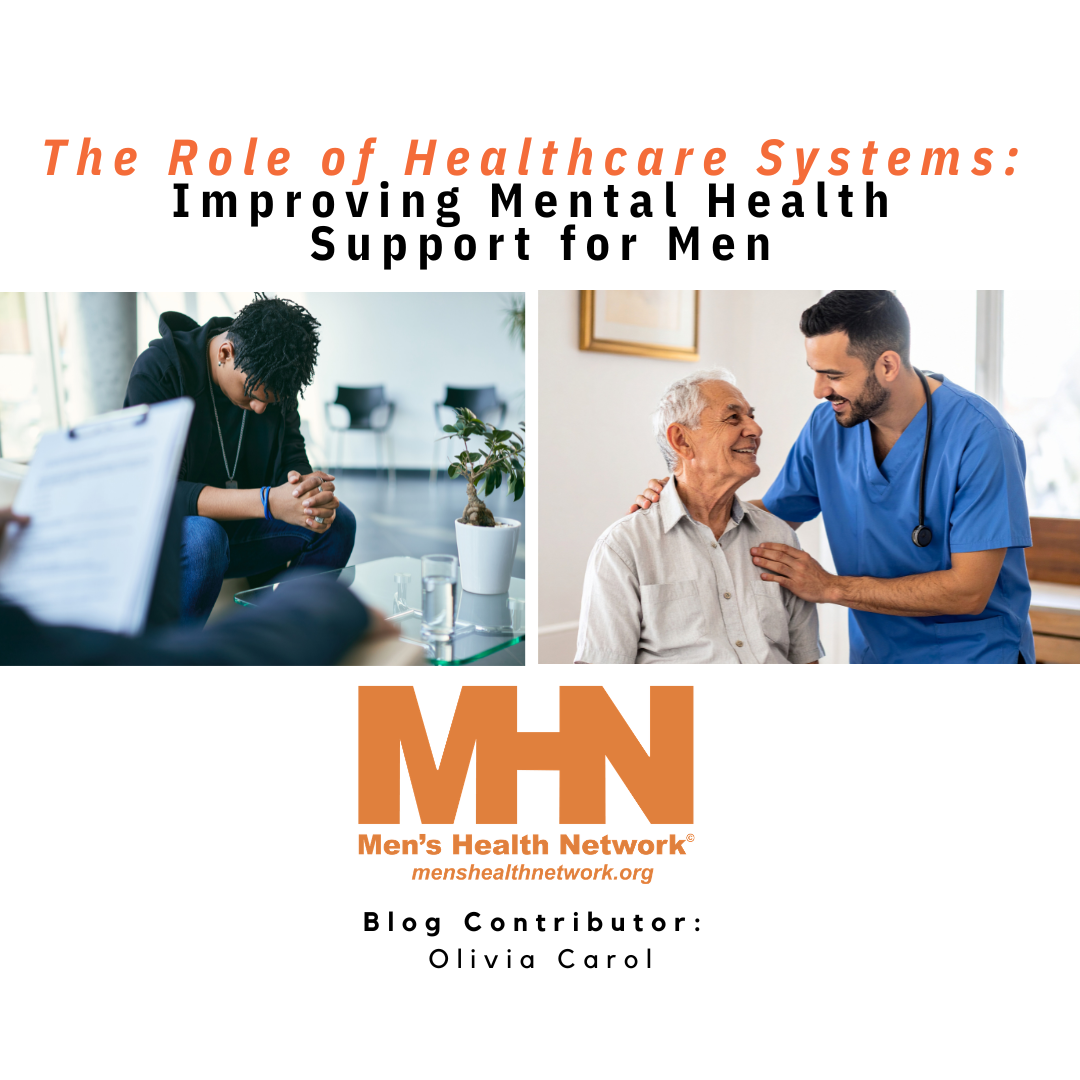
The Role of Healthcare Systems in Improving Mental Health Support for Men

This blog explores the important role healthcare systems play in improving mental health support for men. It highlights how stigma, traditional masculinity norms, underdiagnosis, and delayed intervention often prevent men from seeking mental health care early. The article discusses how healthcare systems can help close these gaps by expanding access to care, integrating mental health into primary care settings, improving early screening and preventive services, and reducing administrative and financial barriers that limit treatment access. It also examines the operational challenges healthcare providers face when delivering mental health services, including insurance complexity, reimbursement issues, staffing burdens, and long-term care costs. Ultimately, the blog emphasizes that improving men’s mental health outcomes requires a system-wide approach focused on accessibility, early intervention, integrated care, and sustainable healthcare infrastructure that encourages men to seek support without stigma. Continue reading

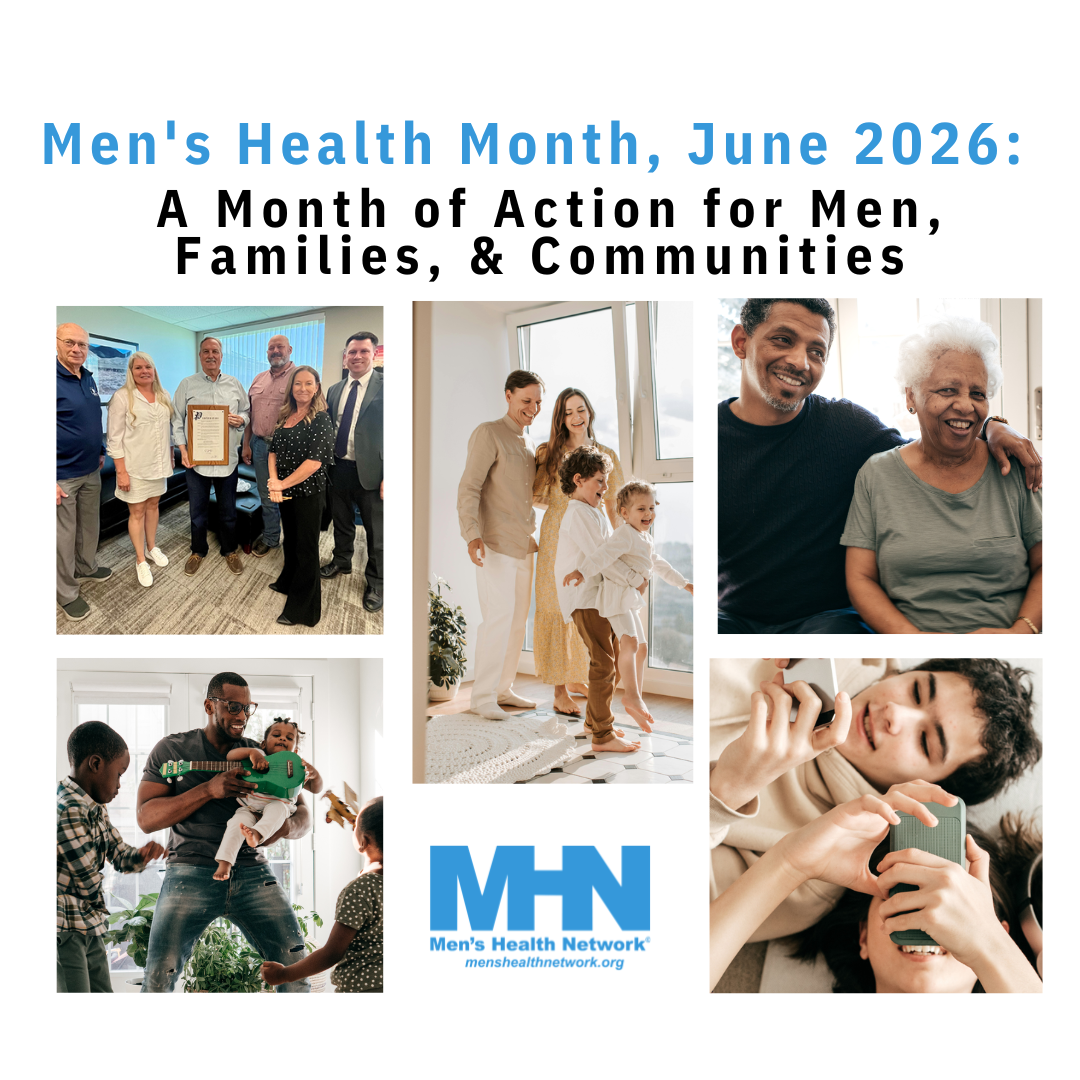
June 2026: Men’s Health Month is Here!

June marks Men’s Health Month and International Men’s Health Week, nationally and internationally recognized awareness periods focused on improving the health and well-being of men and boys through education, prevention, early detection, advocacy, and community engagement. Throughout the month, Men’s Health Network highlights important conversations around preventive care, mental health, chronic disease prevention, fatherhood, caregiving, workplace wellness, and closing the Lifespan Gender Gap through awareness campaigns, policy updates, community partnerships, and actionable health resources.Continue reading

A College Perspective: Why Preventative Health Matters for Men in their 20’s

This blog highlights the importance of preventative healthcare for young men, emphasizing how stigma, busy college lifestyles, and “tough it out” mentalities often lead to neglecting routine care. It encourages building healthy habits early, prioritizing regular checkups, and fostering open conversations about men’s health to support long-term well-being. Continue reading

College Conversations: Behind the Game, Male College Athletes

This blog explores the often-overlooked mental and emotional health challenges faced by male college athletes, who are under constant pressure to perform both academically and athletically. While physical health is prioritized, cultural expectations around toughness can make it difficult for these athletes to open up about stress and mental health struggles. The piece highlights the importance of balancing physical and mental wellness, encouraging more open conversations and support systems to help athletes succeed both on and off the field. Continue reading

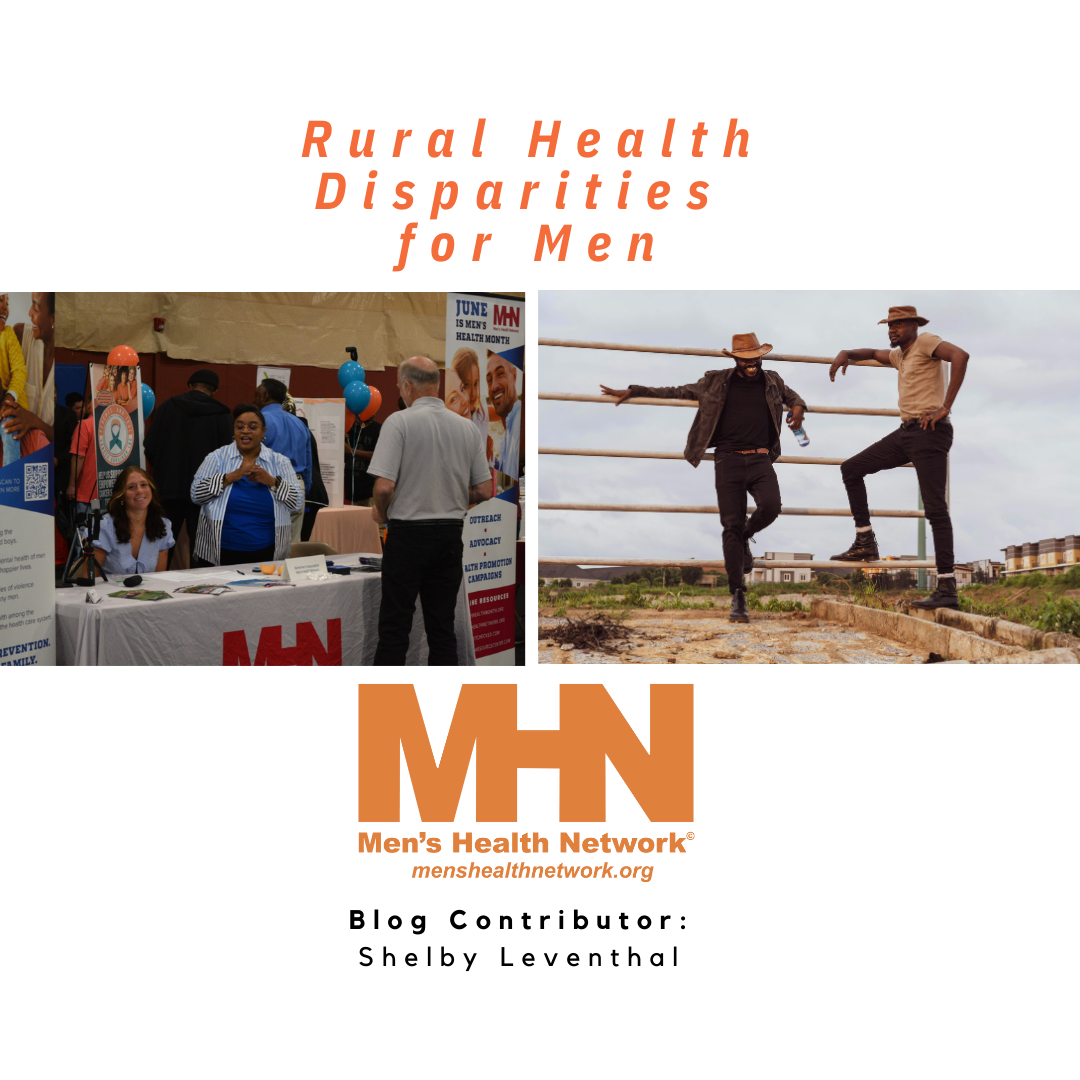
Rural Health Disparities for Men

This blog examines how rural health disparities place men at higher risk for poor physical and mental health outcomes due to limited healthcare access, fewer recreational spaces, high insurance costs, food insecurity, and provider shortages. It highlights that rural men experience higher rates of chronic illness, mental health challenges, suicide, and substance use, with disparities varying by region and shaped by social determinants of health such as socioeconomic status, education, environment, and population decline. The article emphasizes that these challenges are structural—not a lack of concern for health—and that blaming rural communities erodes trust in public health efforts. It argues for community-centered solutions that include respectful engagement, local partnerships, mobile healthcare, education, and youth involvement, concluding that improving rural men’s health requires tailored, collaborative approaches that recognize men in rural areas as essential to the well-being of families, workplaces, and communities.Continue reading

Men’s Social Determinants of Health

This blog explains how men’s health goals and outcomes are deeply shaped by social determinants of health (SDOH)—the non-medical factors that influence where men are born, how they are raised, where they work, and how they age. It outlines the five core SDOH—economic stability, education access and quality, healthcare access and quality, neighborhood and built environment, and social and community context—and shows how each affects men’s ability to seek care, make healthy choices, and maintain well-being. The piece emphasizes that men’s health challenges are not due to personal failure, but to structural barriers such as financial strain, limited healthcare access, demanding work schedules, unsafe or resource-poor neighborhoods, and stigma around help-seeking. By increasing awareness of how these determinants interact, the article argues that men can better understand their health challenges, reduce stigma, and support healthier behaviors, ultimately strengthening families, communities, and long-term outcomes for future generations.Continue reading

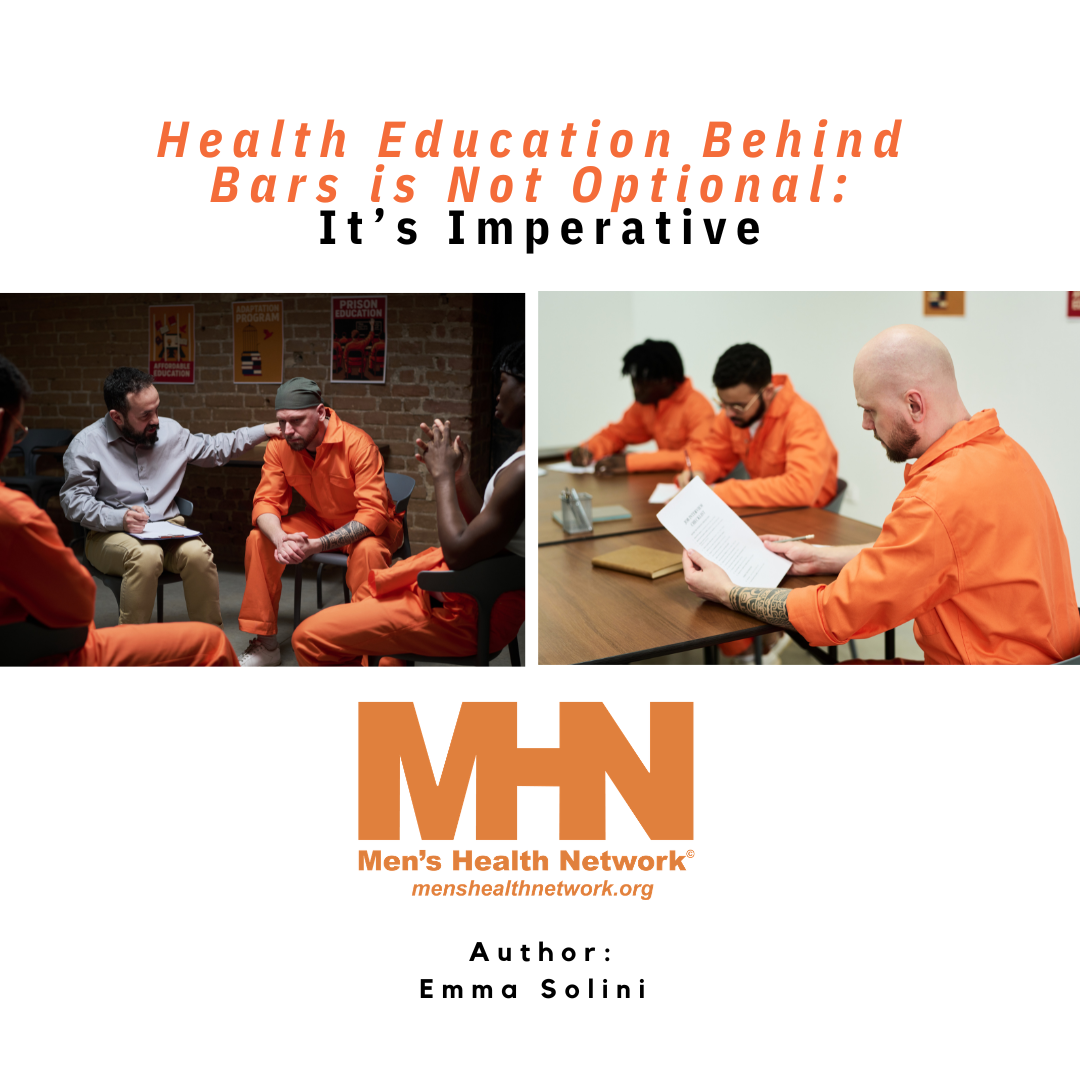
When Men Feel Trapped: Lessons About Mental Health from Prison Life

This essay argues that prison life exposes, in intensified form, the same psychological pressures many men face in everyday modern life: loss of agency, identity erosion, chronic stress, emotional isolation, and the belief that “functioning” equals health. Drawing on conversations with former inmates and observations from prison ministry, the author shows how men unravel not primarily from violence, but from isolation, dehumanization, and avoidance of inner pain—patterns mirrored outside prison through overwork, numbing behaviors, and silent suffering. The piece emphasizes that men heal when dignity is restored through purpose, trusted responsibility, structured community, and honest self-examination, rather than punishment or performance-based worth. Ultimately, the essay reframes men’s mental health as a human and structural issue, arguing that if practices like truth-telling, meaningful responsibility, and brotherhood can sustain men under extreme confinement, they are essential tools for helping men reclaim resilience, identity, and emotional well-being in everyday life.Continue reading

Swipe Fatigue and the Friendship Gap: Why Dating Apps Don’t Fix Men’s Loneliness

This essay argues that dating apps, while promising unprecedented access to potential partners, are poorly suited to reducing men’s loneliness and may instead exacerbate it by replacing meaningful social infrastructure with rapid, evaluative selection. Drawing on research from social psychology, sociology, and public health, the author explains that durable relationships depend on “friendship markets”—environments with repeated interaction, shared purpose, and social permission for vulnerability—which have eroded for men as workplaces, civic groups, and community institutions have declined. Dating apps function as closed markets that promote choice overload, rejection mind-sets, swipe fatigue, and burnout, exposing men to repeated, cumulative rejection without opportunities for relational repair or gradual connection. Evidence shows these dynamics can undermine well-being, increase withdrawal, and fail to address men’s broader needs for friendship, identity, and belonging. The essay concludes that men’s loneliness is not a personal failure or an algorithm problem, but a structural one, and that meaningful progress requires rebuilding real-world, activity-based, and community-centered friendship markets rather than relying on dating apps to solve a problem they were never designed to address.Continue reading

Masculinity, Health, and the Power of Understanding: Why Dr. Smiler’s Books Make an Impact on the Conversation

This blog highlights how Andrew Smiler brings clarity and balance to today’s conversations about masculinity through Is Masculinity Toxic?: A Primer for the 21st Century and The Masculine Self (7th Edition). Together, these books offer accessible language and evidence-informed insight into how masculine norms shape health, behavior, and relationships, moving the conversation beyond sound bites toward understanding that supports healthier outcomes for men and boys.Continue reading

Listen to Your Heart: Elevating Heart Valve Disease Awareness During Heart Health Month

Heart Health Month and Heart Valve Disease Awareness Day (February 22) highlight the importance of recognizing and addressing heart valve disease—an often underdiagnosed condition affecting millions of Americans, particularly older adults. Many people experience symptoms that are mistaken for normal aging, delaying diagnosis and treatment. Awareness and early detection are critical, as heart valve disease is treatable when identified in time. Through the Alliance for Aging Research’s Heart Valve Disease Awareness Day campaign, individuals and organizations can access ready-to-use educational and social media resources to help spread awareness. By downloading and sharing these materials, everyone can play a role in encouraging conversations, earlier screening, and better heart health outcomes.Continue reading

Scroll to top