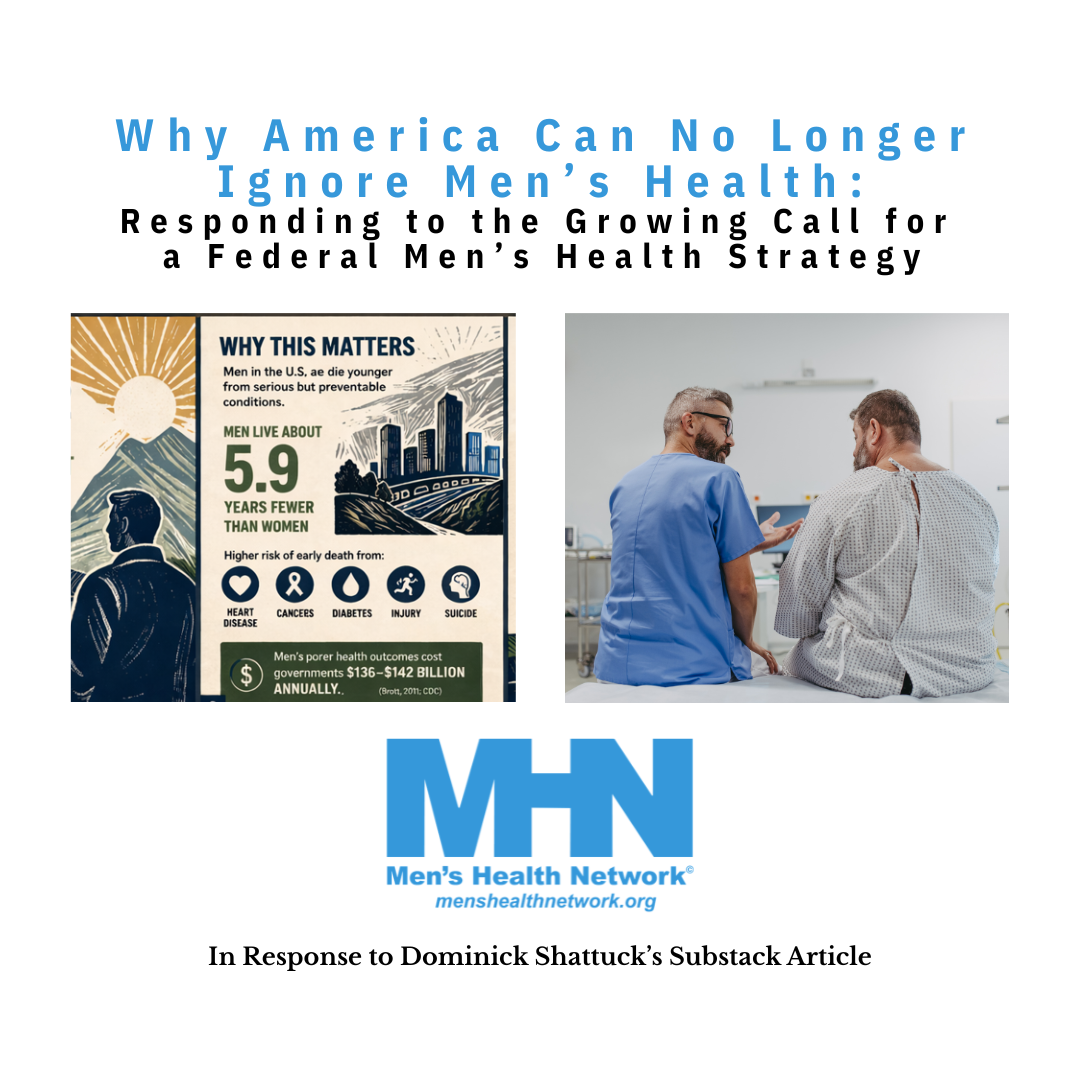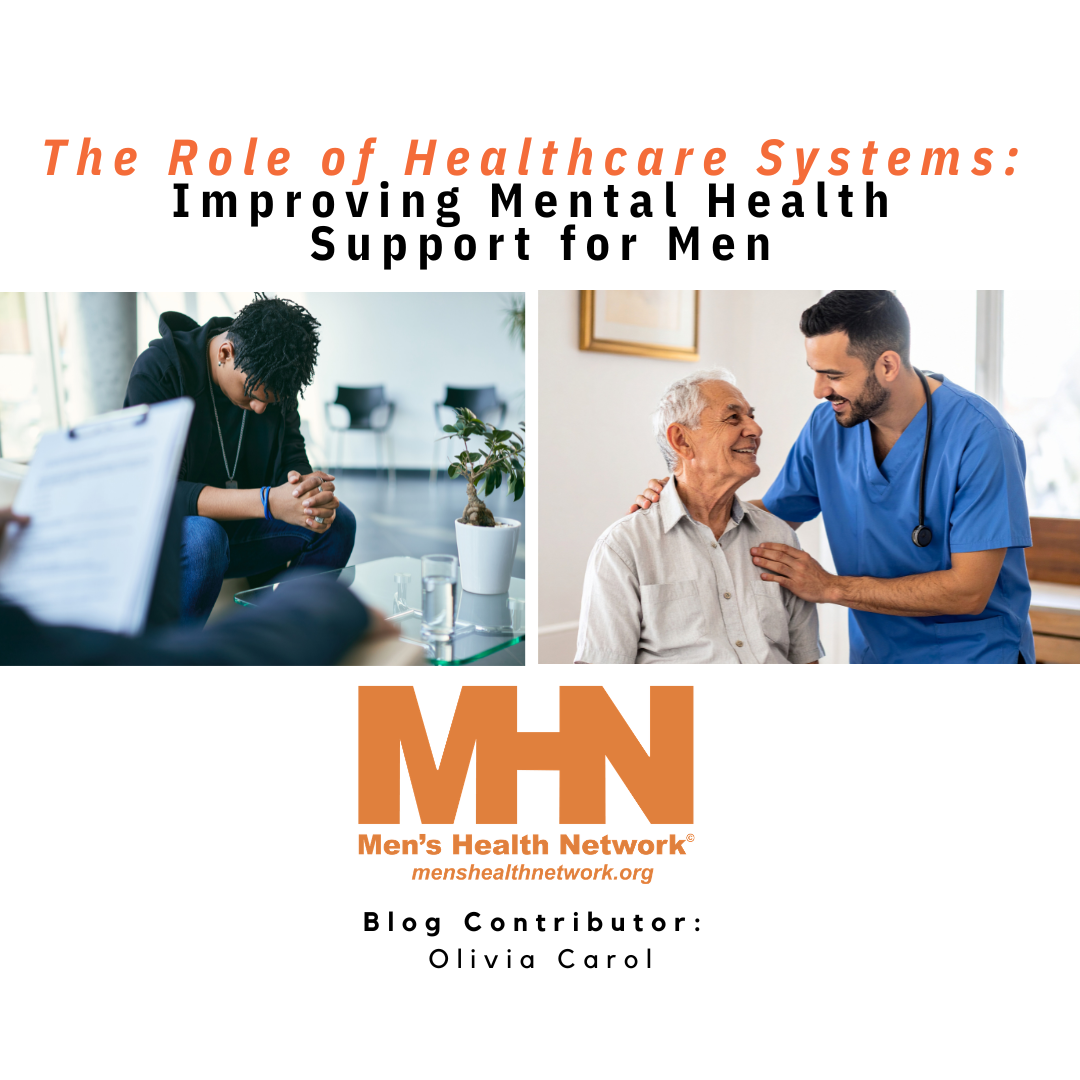
This blog explores the important role healthcare systems play in improving mental health support for men. It highlights how stigma, traditional masculinity norms, underdiagnosis, and delayed intervention often prevent men from seeking mental health care early. The article discusses how healthcare systems can help close these gaps by expanding access to care, integrating mental health into primary care settings, improving early screening and preventive services, and reducing administrative and financial barriers that limit treatment access. It also examines the operational challenges healthcare providers face when delivering mental health services, including insurance complexity, reimbursement issues, staffing burdens, and long-term care costs. Ultimately, the blog emphasizes that improving men’s mental health outcomes requires a system-wide approach focused on accessibility, early intervention, integrated care, and sustainable healthcare infrastructure that encourages men to seek support without stigma. Continue reading
Category: Fatherhood
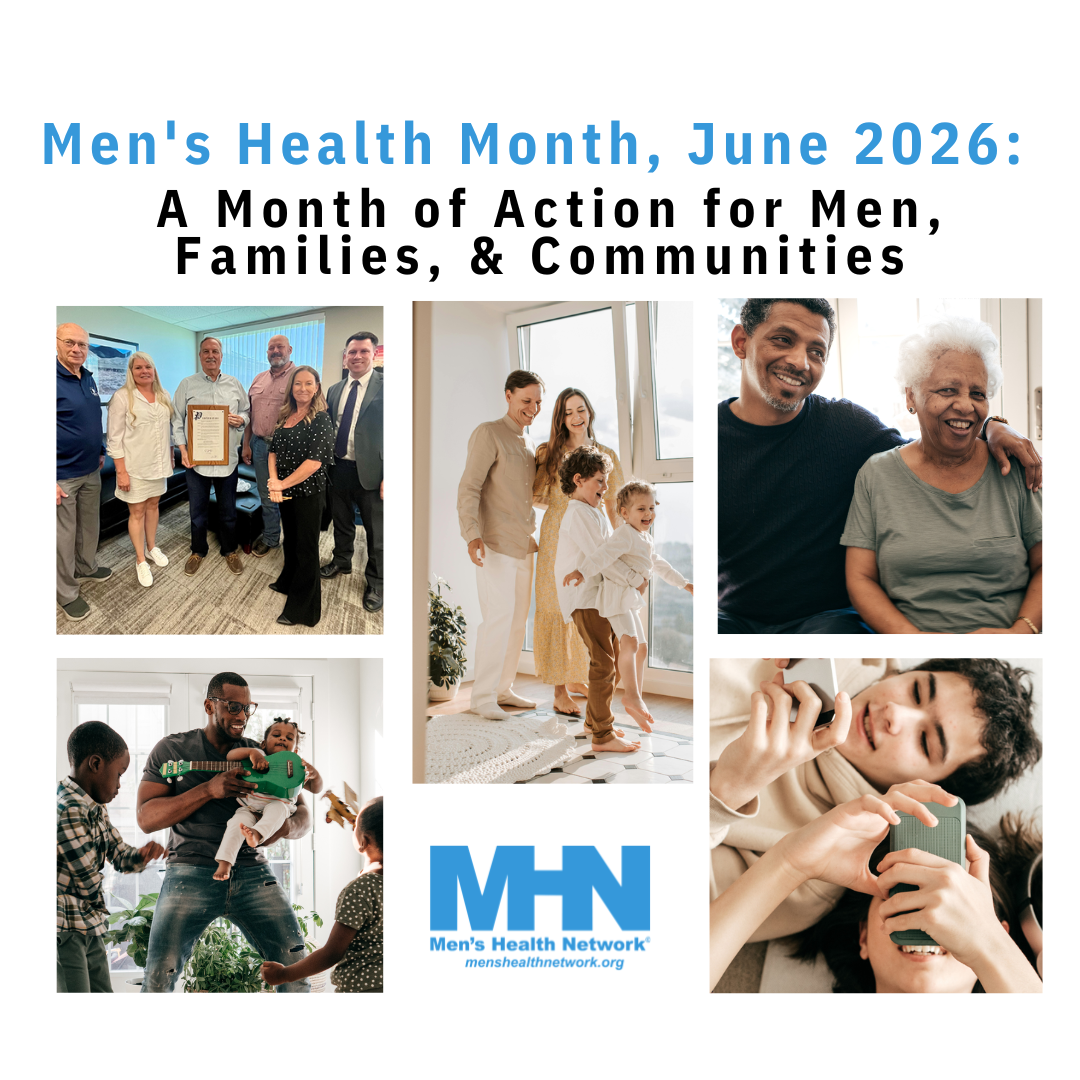
June 2026: Men’s Health Month is Here!
June marks Men’s Health Month and International Men’s Health Week, nationally and internationally recognized awareness periods focused on improving the health and well-being of men and boys through education, prevention, early detection, advocacy, and community engagement. Throughout the month, Men’s Health Network highlights important conversations around preventive care, mental health, chronic disease prevention, fatherhood, caregiving, workplace wellness, and closing the Lifespan Gender Gap through awareness campaigns, policy updates, community partnerships, and actionable health resources.Continue reading
Think Men Can Have Kids Forever? The Truth About Male Age and Fertility
States across the U.S. are increasingly advancing legislation to remove cost barriers to prostate cancer screening, reflecting a broader shift toward prioritizing preventive care for men through coordinated, data-driven advocacy. Efforts led by partners like ZERO Prostate Cancer and supported by Men’s Health Network are driving measurable progress, with multiple states passing, advancing, or developing bills that expand access to PSA and DRE screenings. Evidence from places like Maryland shows that eliminating out-of-pocket costs increases screening rates, reinforcing the value of these policies. Together, these state-level actions demonstrate how a connected national network can turn advocacy into impact—improving early detection, strengthening public health outcomes, and continuing to build momentum for men’s health nationwide.Continue reading
Masculinity, Health, and the Power of Understanding: Why Dr. Smiler’s Books Make an Impact on the Conversation
This blog highlights how Andrew Smiler brings clarity and balance to today’s conversations about masculinity through Is Masculinity Toxic?: A Primer for the 21st Century and The Masculine Self (7th Edition). Together, these books offer accessible language and evidence-informed insight into how masculine norms shape health, behavior, and relationships, moving the conversation beyond sound bites toward understanding that supports healthier outcomes for men and boys.Continue reading
Breaking the Silence: Men, Mental Health, and Addiction Recovery
Men’s mental health and addiction are deeply connected, yet many men struggle in silence due to stigma and cultural expectations. This blog explores the unique mental health challenges men face, the link between untreated mental health conditions and substance use, and the barriers that prevent men from seeking help. Highlighting the work of Men’s Health Network and Northern Illinois Recovery Center, it underscores the importance of male-focused, evidence-based treatment, education, and community support in breaking the silence and helping men begin the path toward recovery and long-term wellness.Continue reading
This Giving Tuesday: Be the Change Men’s Health Needs
Giving Tuesday is next week, and Men’s Health Network (MHN) is calling on supporters to help close the Lifespan Gender Gap and build empathy for men’s health. This year, MHN expanded outreach across communities, churches, and schools, relaunched the Congressional Men’s Health Caucus, and supported bipartisan resolutions like H.R. 1300 (PSA Screening for HIM Act) and H.R. 675 (Prostate Cancer Awareness Month), advancing prevention and early detection nationwide. From toolkits that reached thousands to Ambassadors leading local events, MHN continues reaching men where they live, work, play, and pray. Your support powers awareness, education, and advocacy that saves lives.Continue reading
Male Suicide and the Lifespan Gender Gap
October is National Depression and Mental Health Awareness and Screening Month, a time to bring attention to the silent crisis affecting men and boys. In this blog, Men’s Health Network highlights the deep connection between suicide and the Lifespan Gender Gap, reminding us that men are four times more likely to die by suicide than women. Contributor Dr. Andrew Smiler examines the data, cultural pressures, and life circumstances, such as loss of work or relationships, that contribute to male suicide rates. The piece urges readers to break the silence, check in with the men in their lives, and remember that reaching out for help is a sign of strength. Together, we can close the gap and remind the world that mental health is men’s health.Continue reading
Simple and Effective Ways Fathers Can Support Healthy Habits in Kids
Fathers play a powerful role in shaping their kids’ lifelong health. By modeling good habits—like eating balanced meals, staying active, keeping a sleep routine, managing emotions, and building positive relationships—dads can make healthy living natural, fun, and lasting.Continue reading
Prostate Cancer Awareness Month 2025: Prevention, Action, and Community Support
Men’s Health Network marks Prostate Cancer Awareness Month 2025 by stressing prevention, early detection, and community support. With over 299,000 men expected to be diagnosed this year, awareness saves lives. MHN offers a free toolkit, encourages families to promote screenings, and invites readers to subscribe, donate, and become Ambassadors to spread the message nationwide.Continue reading