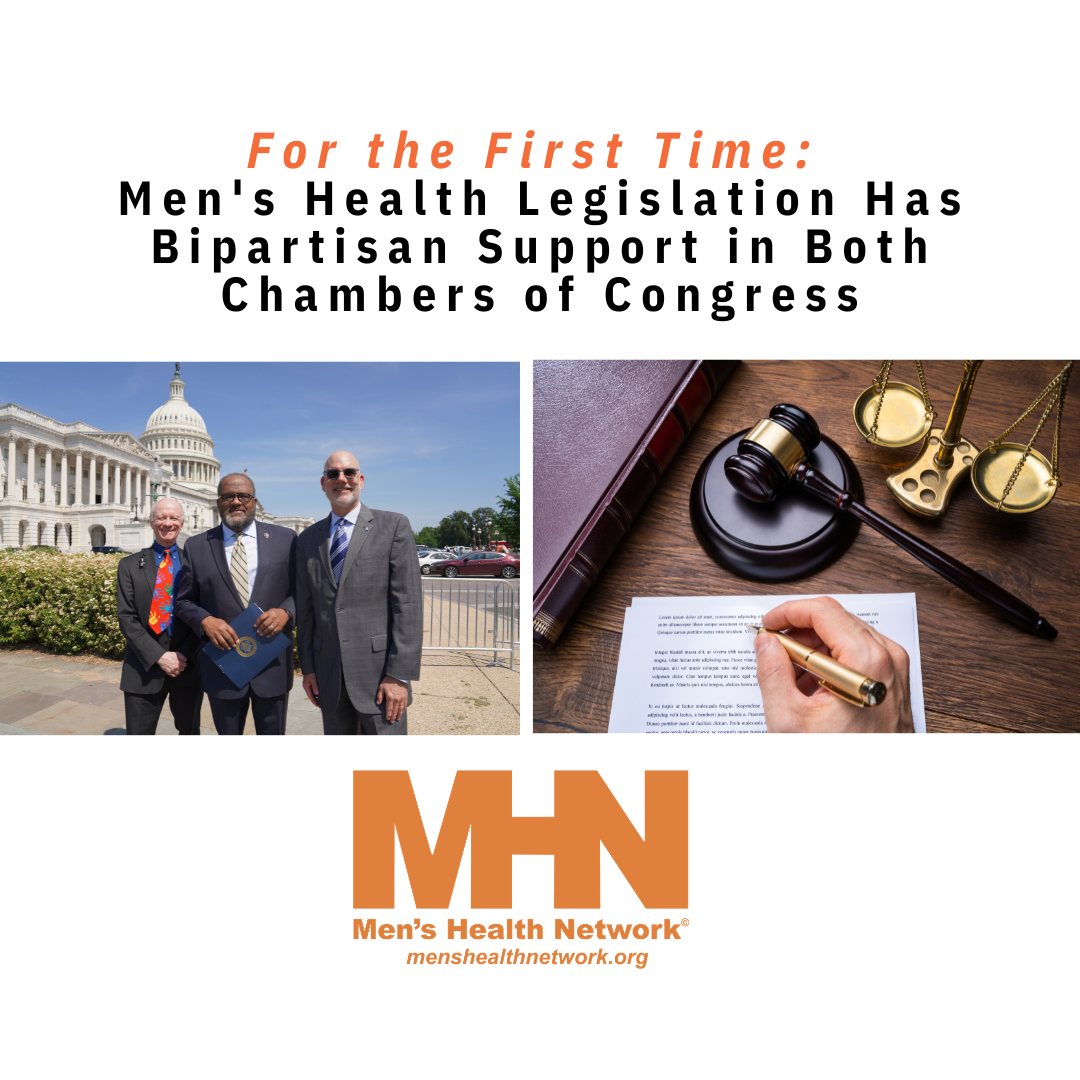
For the first time, bipartisan legislation to establish a federal Office of Men's Health has been introduced in both the U.S. House of Representatives and the U.S. Senate. Learn why this development represents the strongest congressional support yet for a coordinated national approach to improving the health and well-being of men and boys.Continue reading
Tag: health disparities
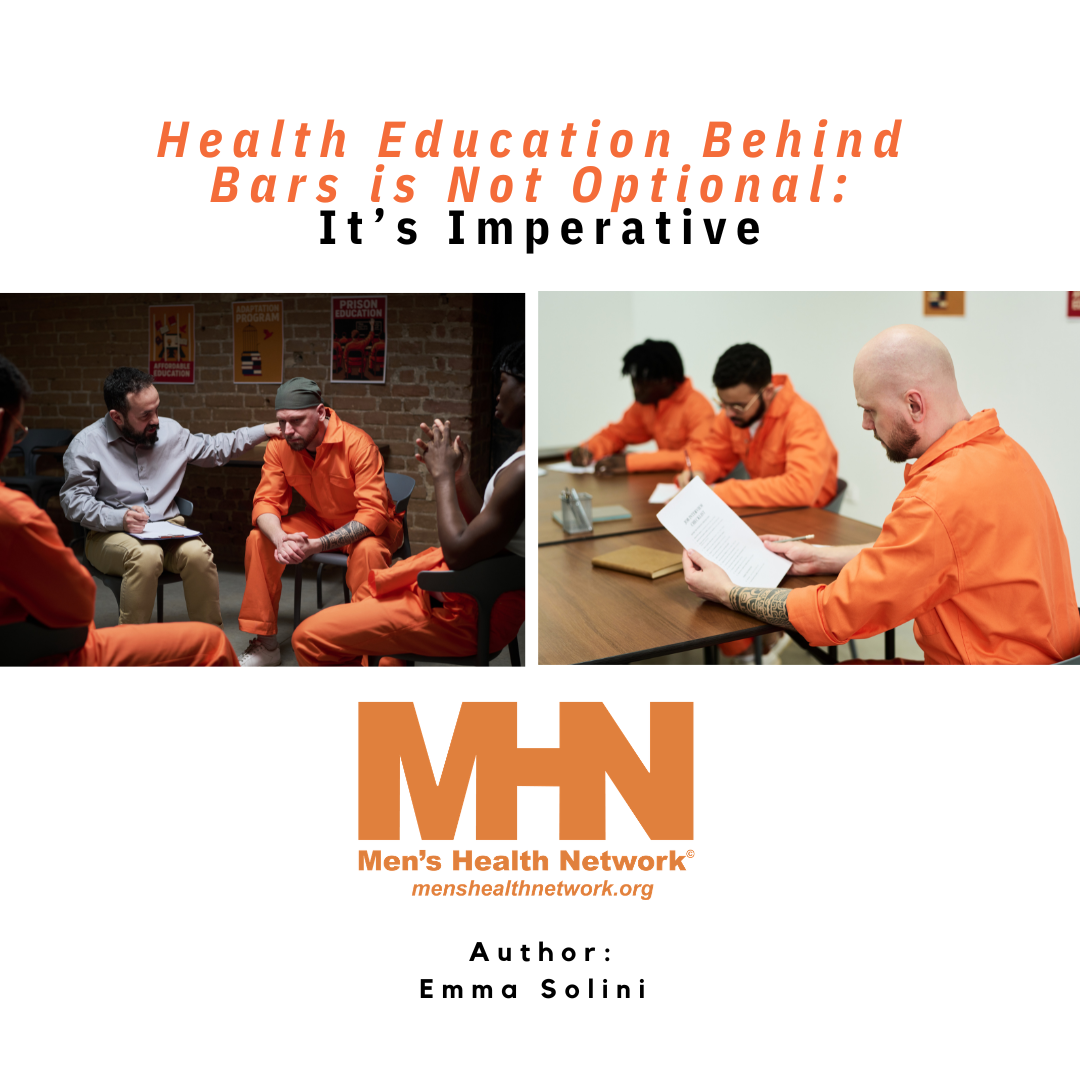
Health Education Behind Bars is Not Optional: It’s Imperative
This advocacy op-ed argues that health education and preventive care programs should be expanded within correctional facilities to address the significant health disparities experienced by incarcerated men and boys. The article highlights how improved health literacy, chronic disease management, mental health awareness, and continuity of care can lead to better health outcomes, reduced healthcare costs, and stronger community reintegration. It emphasizes that voluntary, ethically implemented health education programs are a practical public health investment that benefits both incarcerated individuals and society as a whole.Continue reading
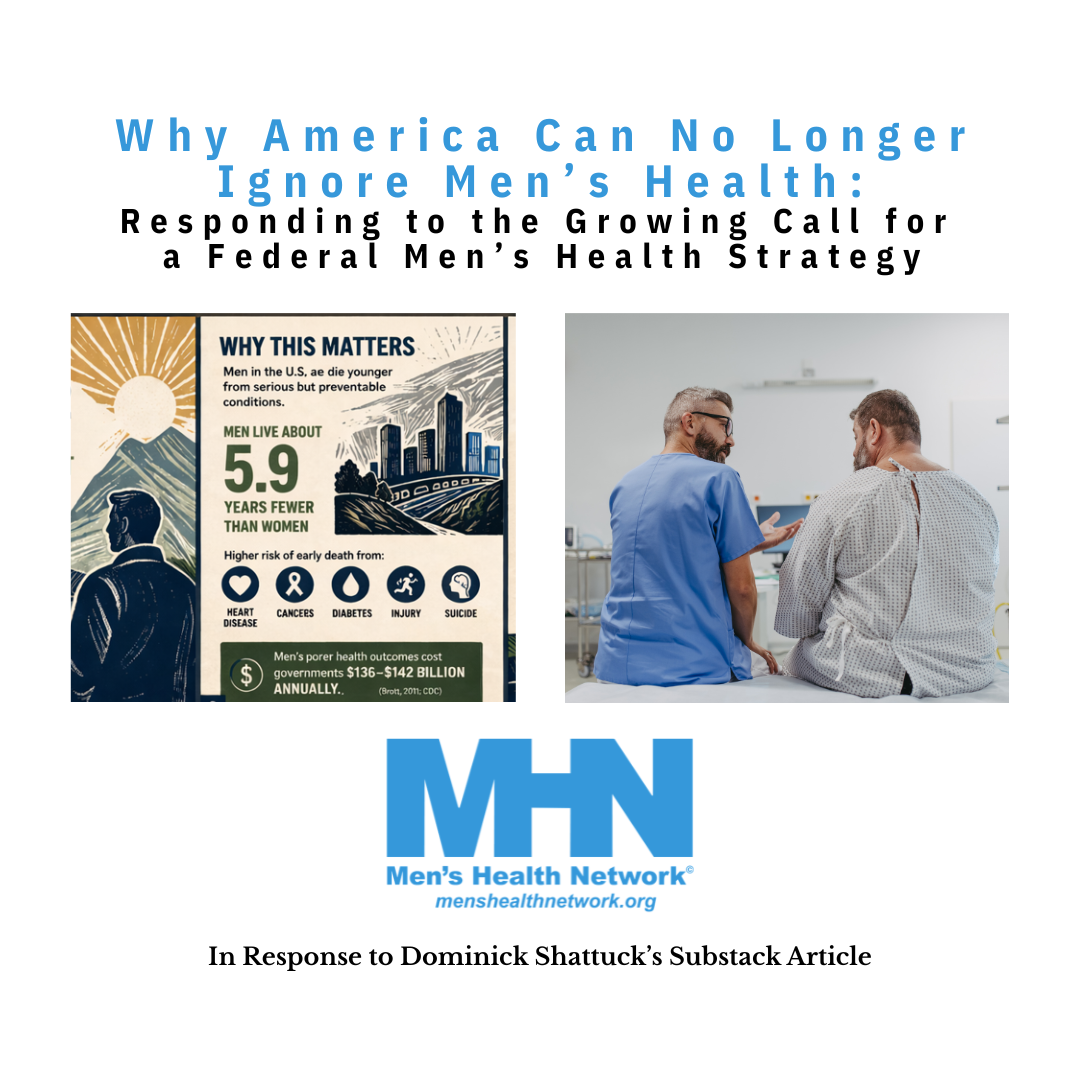
Why America Can No Longer Ignore Men’s Health: Responding to the Growing Call for a Federal Men’s Health Strategy
This response article examines the growing national conversation around men’s health policy through the lens of Dr. Dominick Shattuck’s Substack post, “Why the U.S. Needs a Federal Strategy on Men’s Health.” The blog explores the nearly six-year Lifespan Gender Gap between men and women, highlighting how preventable conditions such as heart disease, cancer, diabetes, injury, and suicide continue contributing to premature mortality among men. It discusses the structural, cultural, and healthcare-system barriers that often prevent men from engaging in preventive care early, including stigma, medical mistrust, workplace pressures, and norms surrounding self-reliance. The article also analyzes the proposed H.R. 7602 — State of Men’s Health Act, which would establish a national study on men’s health disparities and create an Office of Men’s Health within HHS to coordinate prevention and public awareness efforts. Throughout the piece, the response emphasizes that improving men’s health outcomes is not a zero-sum issue, but rather a broader public health, workforce, family, and community issue that benefits society as a whole through stronger preventive care, earlier intervention, and improved healthcare engagement.Continue reading

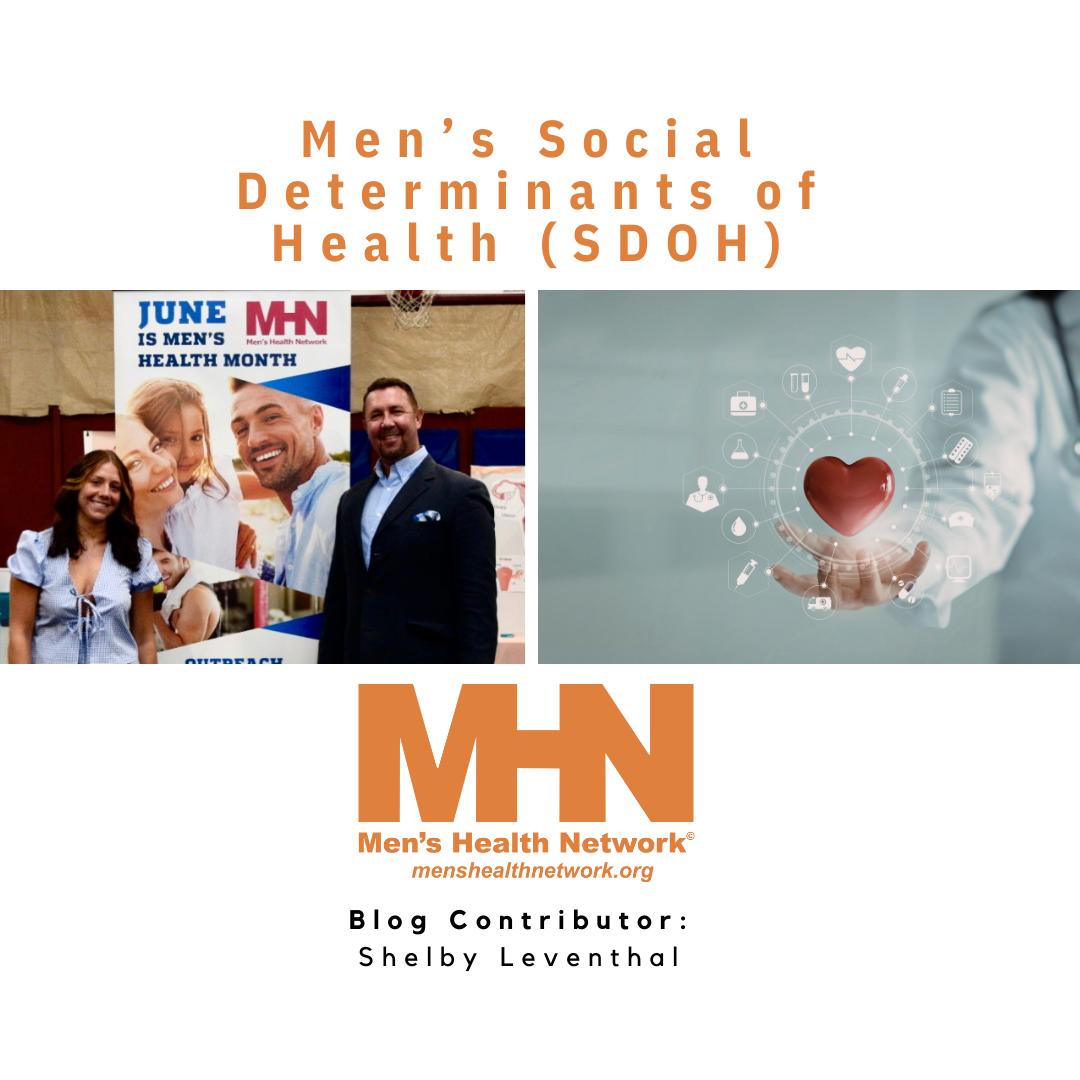
Men’s Social Determinants of Health
This blog explains how men’s health goals and outcomes are deeply shaped by social determinants of health (SDOH)—the non-medical factors that influence where men are born, how they are raised, where they work, and how they age. It outlines the five core SDOH—economic stability, education access and quality, healthcare access and quality, neighborhood and built environment, and social and community context—and shows how each affects men’s ability to seek care, make healthy choices, and maintain well-being. The piece emphasizes that men’s health challenges are not due to personal failure, but to structural barriers such as financial strain, limited healthcare access, demanding work schedules, unsafe or resource-poor neighborhoods, and stigma around help-seeking. By increasing awareness of how these determinants interact, the article argues that men can better understand their health challenges, reduce stigma, and support healthier behaviors, ultimately strengthening families, communities, and long-term outcomes for future generations.Continue reading
Announcing the My Cancer, My Plan Podcast: Launching on World Cancer Day to Empower Men Facing Cancer
This blog announces the launch of the *My Cancer, My Plan Podcast* on World Cancer Day 2026, a new six-episode series from Men’s Health Network designed to support men at one of the most overwhelming moments of their lives, a cancer diagnosis. Built from the *My Cancer, My Plan* digital guide, the podcast delivers trusted, patient-focused education through a men’s health lens, featuring candid conversations with cancer patients, caregivers, oncologists, and national experts. Each episode tackles critical topics such as biomarker and genetic testing, treatment side effects, equity in cancer care, caregiving, and informed decision-making, with the goal of helping men ask better questions, make confident choices, and understand that they do not have to navigate cancer alone.Continue reading
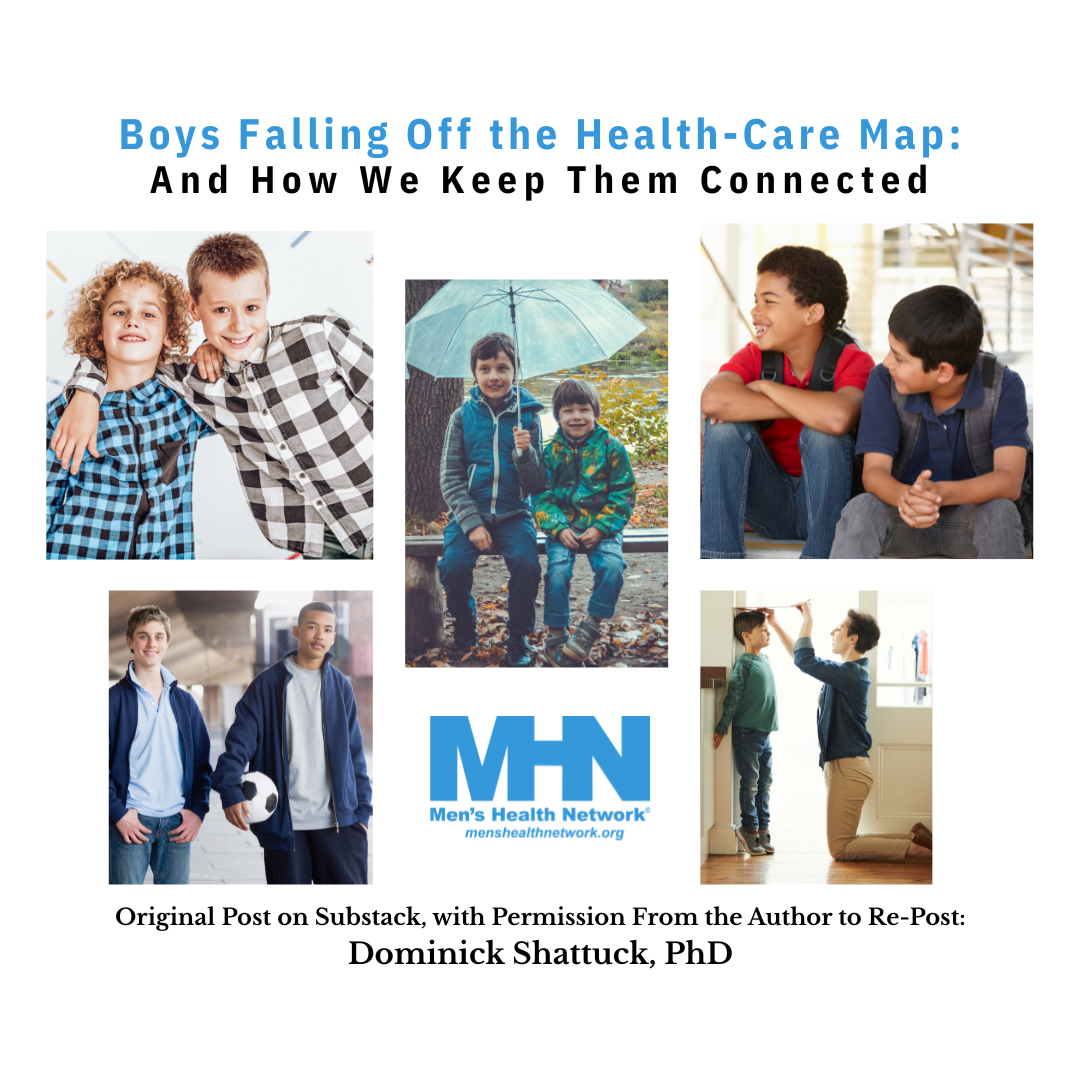
Boys Falling Off the Health-Care Map: And How We Keep Them Connected
This blog, reposted from Dominick Shattuck, PhD’s Substack with permission from the author, examines new research showing how many boys quietly disengage from preventive health care during the transition from adolescence to young adulthood. Drawing on findings from the Journal of Adolescent Health and decades of men’s health research, the piece explores how masculinity norms, low perceived risk, structural barriers, and unwelcoming health systems contribute to boys “falling off the health-care map.” It highlights why this early disengagement matters for long-term health outcomes and outlines practical, evidence-informed strategies for building health systems that keep boys connected to care before preventable problems become lifelong challenges.Continue reading
Illinois Leads the Nation in Men’s Health: A Closer Look at the 2025 Men’s Health Assessment
Illinois is leading the nation in men’s health by becoming one of the only states with a dedicated Men’s Health Section within its Department of Public Health. The newly released Men’s Health Assessment 2025, authored by Andrew Lerch, DPT, PT, provides a comprehensive, data-driven look at the health challenges facing men across the state. This landmark report highlights disparities, identifies priority areas for action, and offers a blueprint for how states can integrate men’s health into public health strategy, policy, and practice.Continue reading
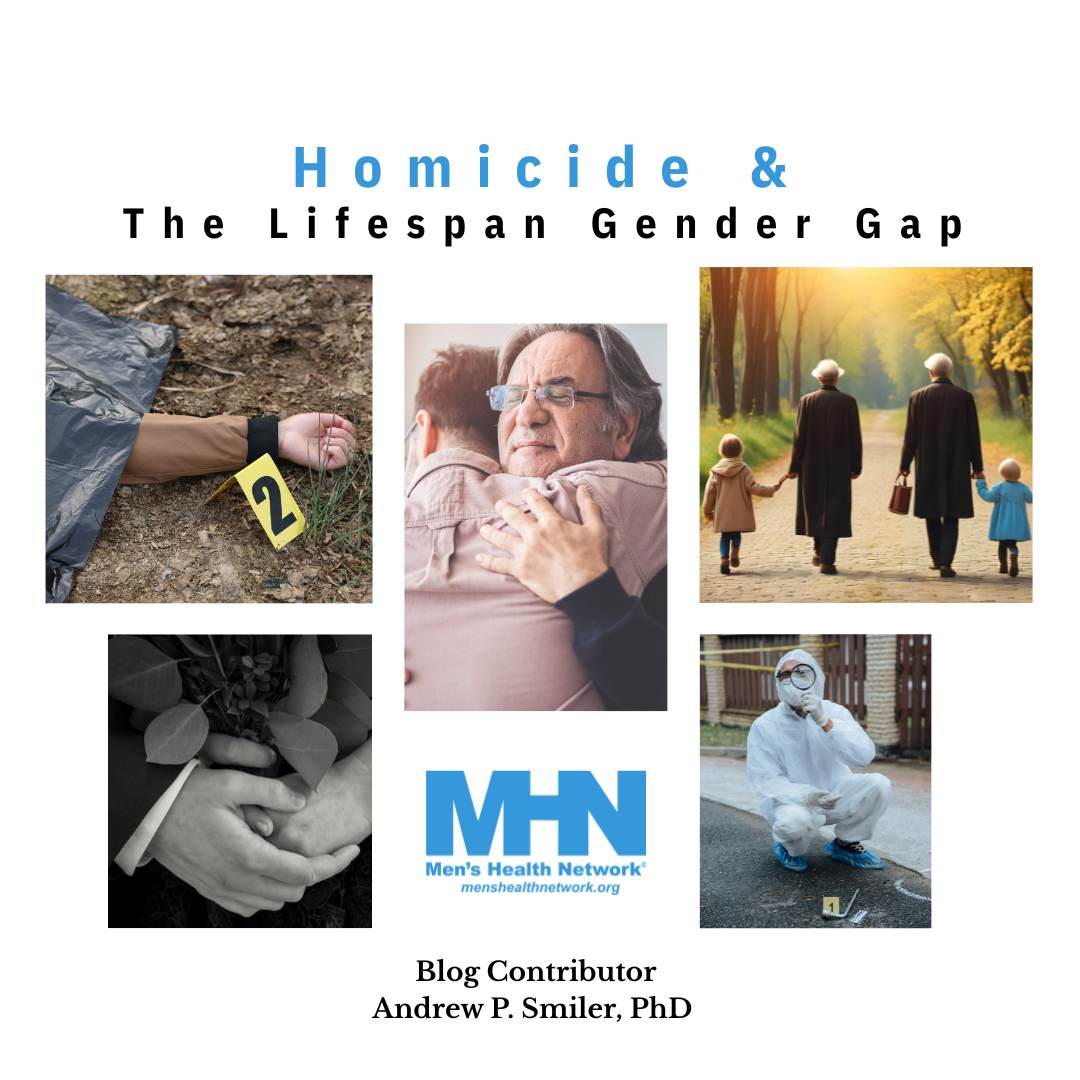
Homicide and the Lifespan Gender Gap
Summary: Men’s Health Network highlights how homicide contributes to the Lifespan Gender Gap—the nearly six-year difference in life expectancy between men and women. Each preventable death of a young man shortens the national average and represents lost potential, relationships, and community strength. In his article, Dr. Andrew Smiler examines data showing that men account for 80% of homicide victims, with most deaths occurring among young men under 35. Many are killed by people they know, often in moments of conflict or status-related tension. Smiler suggests that prevention begins with education—teaching boys and men how to resolve conflict, manage emotions, and de-escalate situations without violence. Men’s Health Network calls for greater empathy and early intervention to help young men live longer, healthier lives, reminding readers that every life saved helps close the gap and strengthen families and communities nationwide.Continue reading
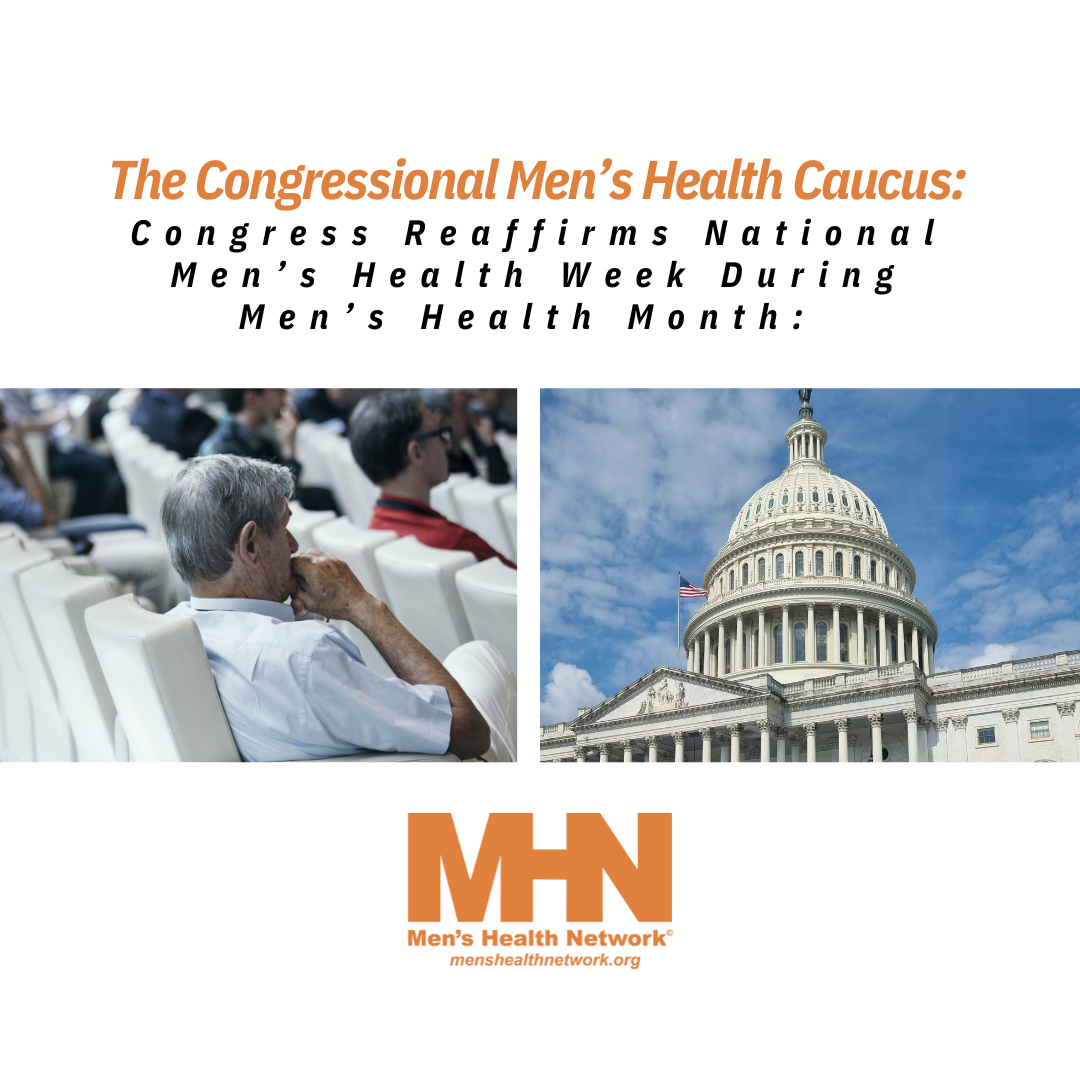
The Congressional Men’s Health Caucus: Congress Reaffirms National Men’s Health Week During Men’s Health Month
In recognition of Men’s Health Month 2025, Congressman Troy A. Carter Sr. introduced a bipartisan resolution honoring National Men’s Health Week (June 9–15). Backed by the Congressional Men’s Health Caucus, the resolution emphasizes the importance of preventive care for men, raising awareness about critical issues like prostate cancer, testicular cancer, mental health, and chronic disease. With men continuing to die younger and seek care less often than women, this action urges greater focus on early detection, routine health screenings, and breaking the stigma around men’s health care. Men’s Health Network encourages individuals and communities to take action and support men’s health awareness throughout the month of June.Continue reading
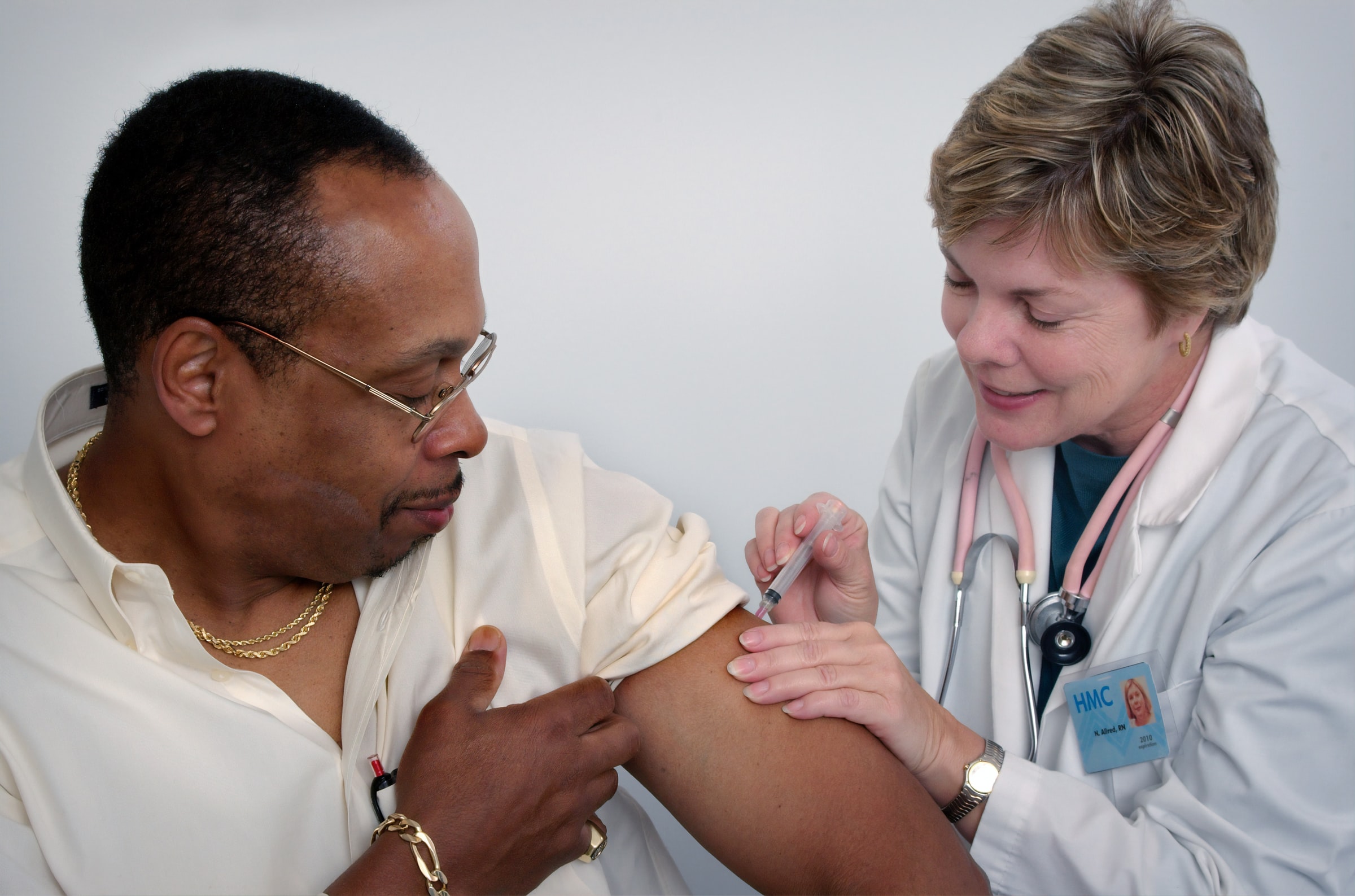
Leading Causes of Death and Greater COVID-19 Impact on Men in the U.S.
As life starts to return to a “new” normal from the COVID-19 pandemic, we are coming to a point where the number of COVID-19 cases are increasing, but more and more individuals are able to receive the COVID-19 vaccine in the U.S. Over the course of the pandemic, we have seen COVID-19 take the lives...Continue reading