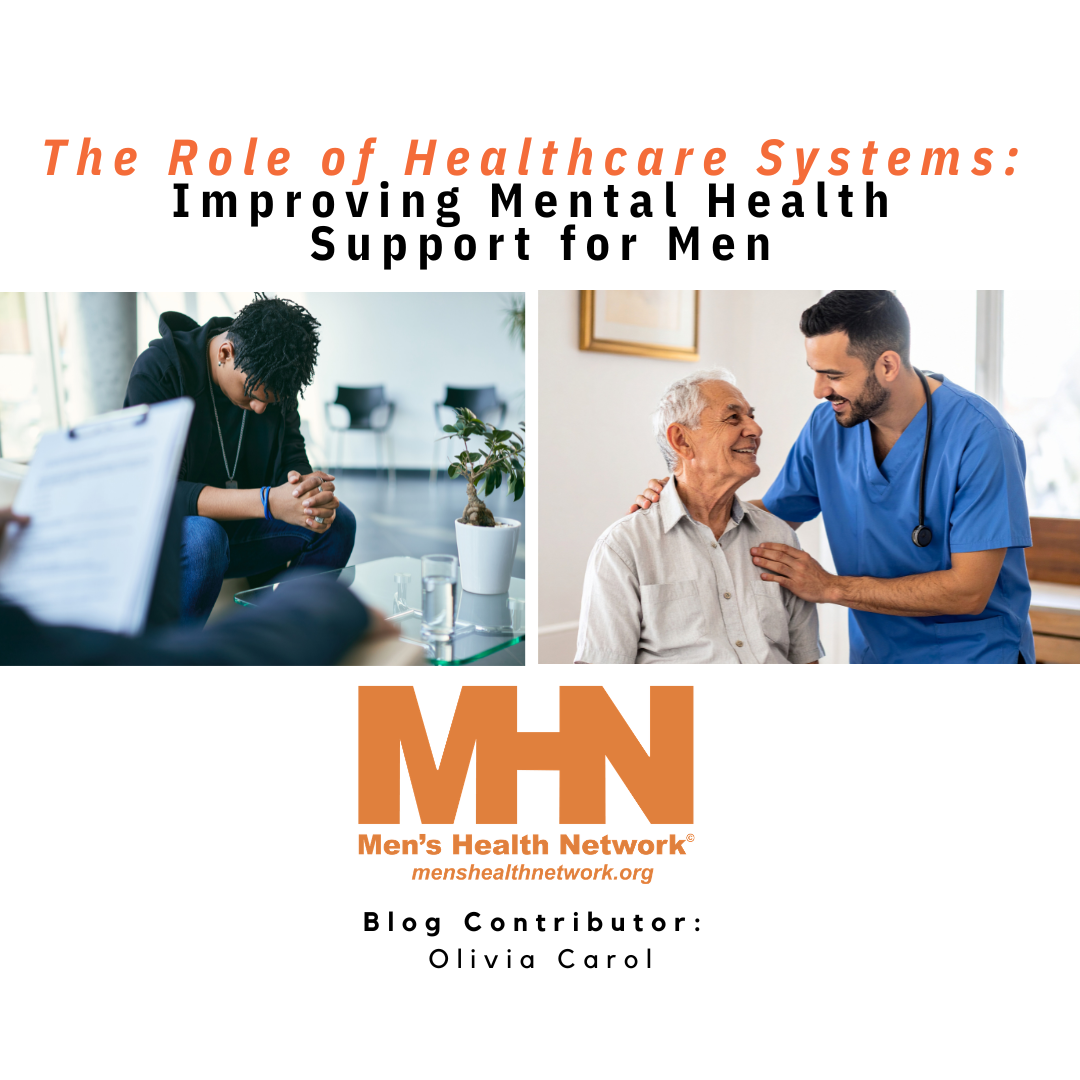
The Role of Healthcare Systems in Improving Mental Health Support for Men

This blog explores the important role healthcare systems play in improving mental health support for men. It highlights how stigma, traditional masculinity norms, underdiagnosis, and delayed intervention often prevent men from seeking mental health care early. The article discusses how healthcare systems can help close these gaps by expanding access to care, integrating mental health into primary care settings, improving early screening and preventive services, and reducing administrative and financial barriers that limit treatment access. It also examines the operational challenges healthcare providers face when delivering mental health services, including insurance complexity, reimbursement issues, staffing burdens, and long-term care costs. Ultimately, the blog emphasizes that improving men’s mental health outcomes requires a system-wide approach focused on accessibility, early intervention, integrated care, and sustainable healthcare infrastructure that encourages men to seek support without stigma. Continue reading

June 2026: Men’s Health Month is Here!

June marks Men’s Health Month and International Men’s Health Week, nationally and internationally recognized awareness periods focused on improving the health and well-being of men and boys through education, prevention, early detection, advocacy, and community engagement. Throughout the month, Men’s Health Network highlights important conversations around preventive care, mental health, chronic disease prevention, fatherhood, caregiving, workplace wellness, and closing the Lifespan Gender Gap through awareness campaigns, policy updates, community partnerships, and actionable health resources.Continue reading

College Conversations: Behind the Game, Male College Athletes

This blog explores the often-overlooked mental and emotional health challenges faced by male college athletes, who are under constant pressure to perform both academically and athletically. While physical health is prioritized, cultural expectations around toughness can make it difficult for these athletes to open up about stress and mental health struggles. The piece highlights the importance of balancing physical and mental wellness, encouraging more open conversations and support systems to help athletes succeed both on and off the field. Continue reading

Men’s Social Determinants of Health

This blog explains how men’s health goals and outcomes are deeply shaped by social determinants of health (SDOH)—the non-medical factors that influence where men are born, how they are raised, where they work, and how they age. It outlines the five core SDOH—economic stability, education access and quality, healthcare access and quality, neighborhood and built environment, and social and community context—and shows how each affects men’s ability to seek care, make healthy choices, and maintain well-being. The piece emphasizes that men’s health challenges are not due to personal failure, but to structural barriers such as financial strain, limited healthcare access, demanding work schedules, unsafe or resource-poor neighborhoods, and stigma around help-seeking. By increasing awareness of how these determinants interact, the article argues that men can better understand their health challenges, reduce stigma, and support healthier behaviors, ultimately strengthening families, communities, and long-term outcomes for future generations.Continue reading

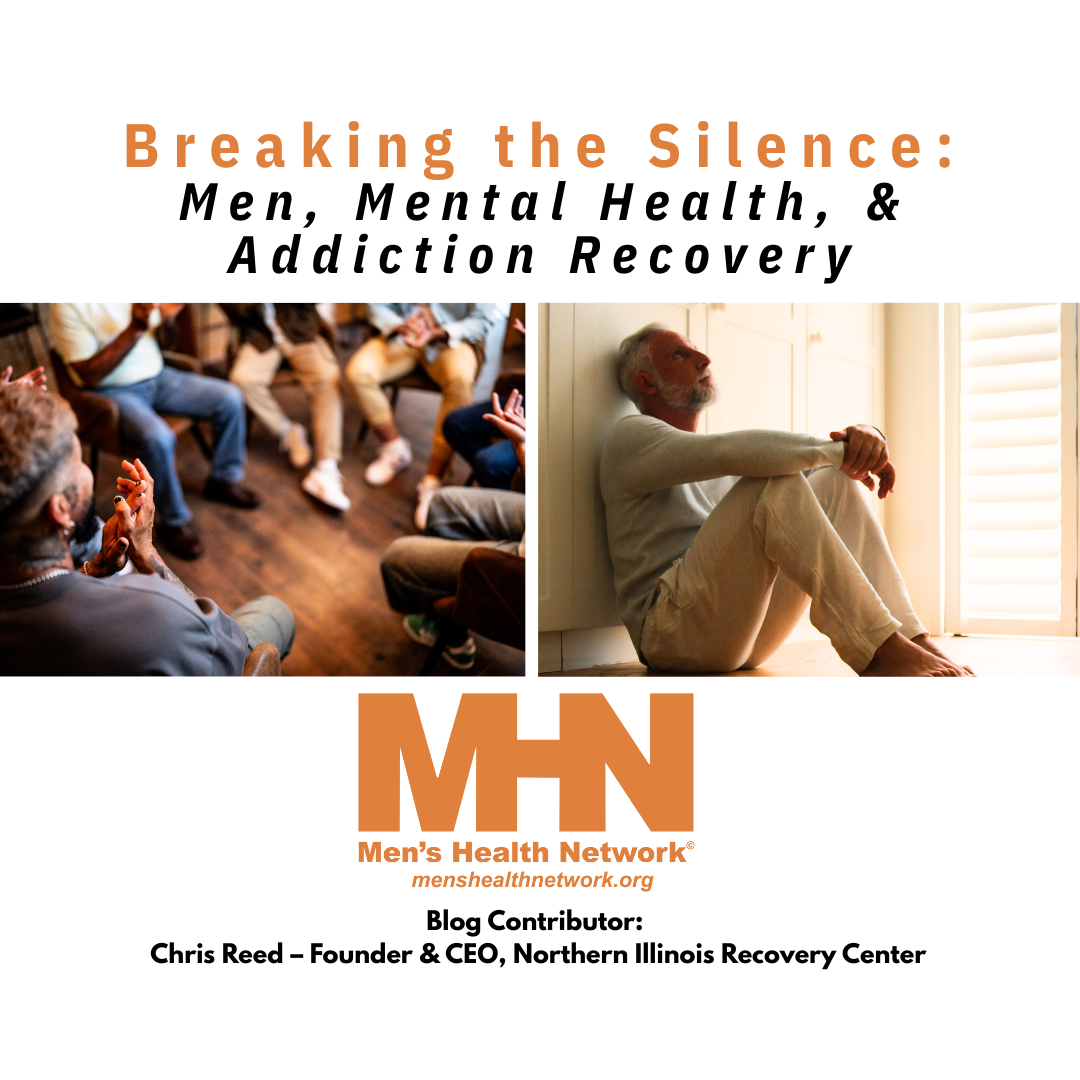
Breaking the Silence: Men, Mental Health, and Addiction Recovery

Men’s mental health and addiction are deeply connected, yet many men struggle in silence due to stigma and cultural expectations. This blog explores the unique mental health challenges men face, the link between untreated mental health conditions and substance use, and the barriers that prevent men from seeking help. Highlighting the work of Men’s Health Network and Northern Illinois Recovery Center, it underscores the importance of male-focused, evidence-based treatment, education, and community support in breaking the silence and helping men begin the path toward recovery and long-term wellness.Continue reading

Male Suicide and the Lifespan Gender Gap

October is National Depression and Mental Health Awareness and Screening Month, a time to bring attention to the silent crisis affecting men and boys. In this blog, Men’s Health Network highlights the deep connection between suicide and the Lifespan Gender Gap, reminding us that men are four times more likely to die by suicide than women. Contributor Dr. Andrew Smiler examines the data, cultural pressures, and life circumstances, such as loss of work or relationships, that contribute to male suicide rates. The piece urges readers to break the silence, check in with the men in their lives, and remember that reaching out for help is a sign of strength. Together, we can close the gap and remind the world that mental health is men’s health.Continue reading

Shattering the silence: A fresh story for men’s mental health

In Shattering the Silence: A Fresh Story for Men's Mental Health, guest contributor Aaradhana Aiyyar explores how cultural norms around masculinity prevent many men from seeking mental health support. The piece highlights the hidden signs of male depression, the physical toll of emotional suppression, and the urgent need to redefine strength as vulnerability. With practical steps for individuals, families, and communities, this blog is a call to action to destigmatize men’s mental health and build a culture where emotional honesty is seen as courage—not weakness.Continue reading

Shining a Light on Men’s Mental Health: A Vital Focus During Mental Health Month

May is recognized as Mental Health Month, providing an invaluable opportunity to raise awareness and understanding about mental health issues. In this blog, we explore and discuss the significance of Mental Health Month for men, boys, and their families.Continue reading

Scroll to top