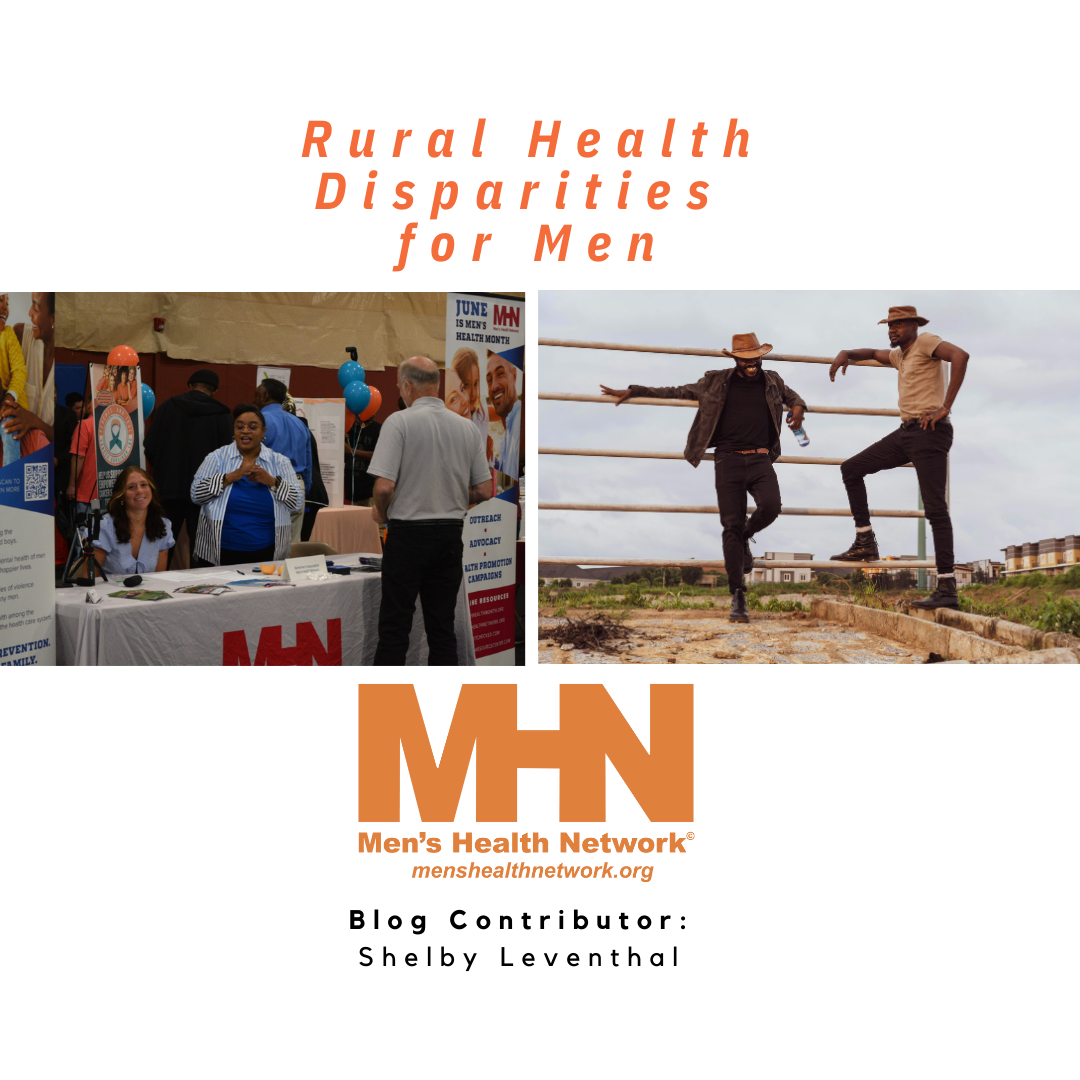
This blog examines how rural health disparities place men at higher risk for poor physical and mental health outcomes due to limited healthcare access, fewer recreational spaces, high insurance costs, food insecurity, and provider shortages. It highlights that rural men experience higher rates of chronic illness, mental health challenges, suicide, and substance use, with disparities varying by region and shaped by social determinants of health such as socioeconomic status, education, environment, and population decline. The article emphasizes that these challenges are structural—not a lack of concern for health—and that blaming rural communities erodes trust in public health efforts. It argues for community-centered solutions that include respectful engagement, local partnerships, mobile healthcare, education, and youth involvement, concluding that improving rural men’s health requires tailored, collaborative approaches that recognize men in rural areas as essential to the well-being of families, workplaces, and communities.Continue reading
Category: Economics
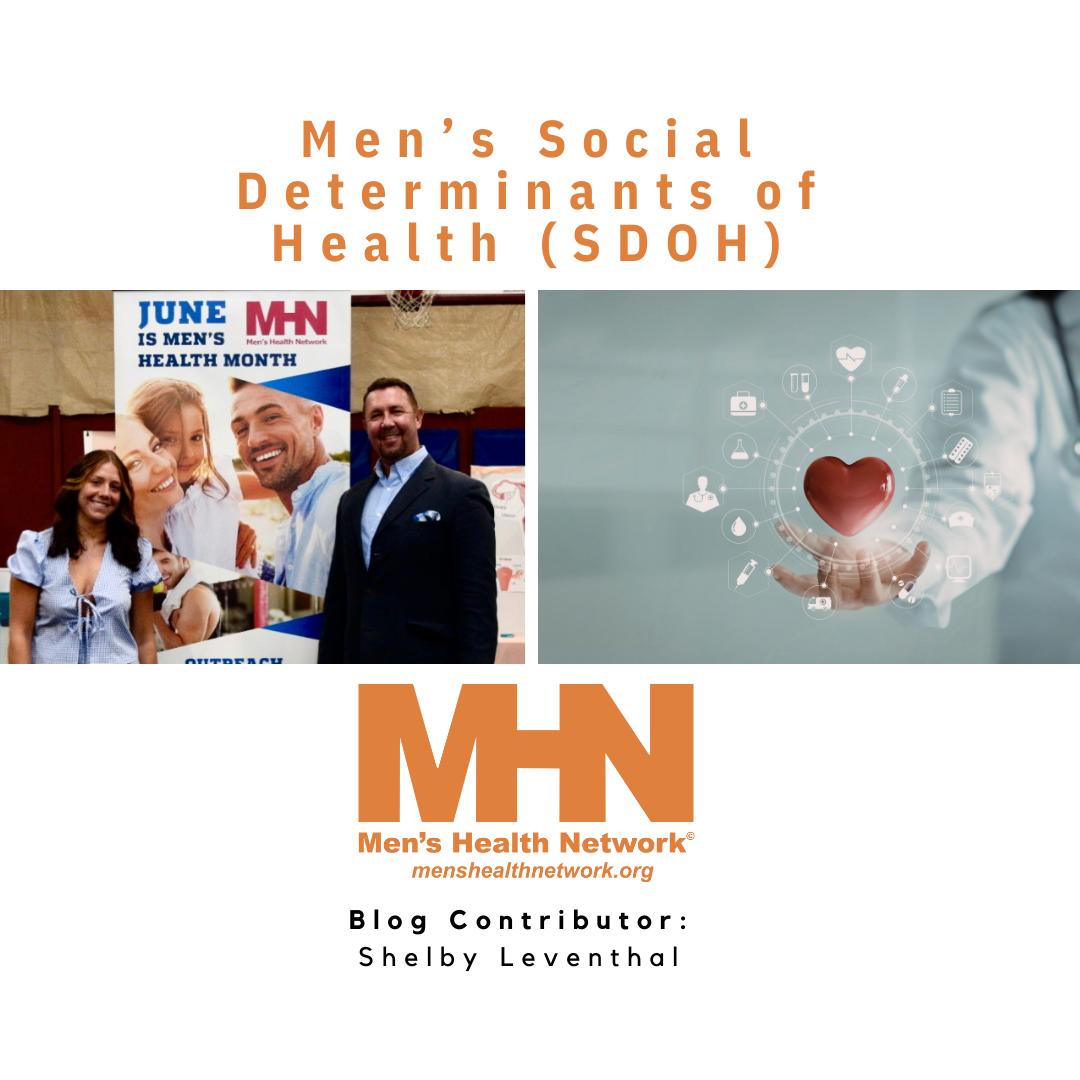
Men’s Social Determinants of Health
This blog explains how men’s health goals and outcomes are deeply shaped by social determinants of health (SDOH)—the non-medical factors that influence where men are born, how they are raised, where they work, and how they age. It outlines the five core SDOH—economic stability, education access and quality, healthcare access and quality, neighborhood and built environment, and social and community context—and shows how each affects men’s ability to seek care, make healthy choices, and maintain well-being. The piece emphasizes that men’s health challenges are not due to personal failure, but to structural barriers such as financial strain, limited healthcare access, demanding work schedules, unsafe or resource-poor neighborhoods, and stigma around help-seeking. By increasing awareness of how these determinants interact, the article argues that men can better understand their health challenges, reduce stigma, and support healthier behaviors, ultimately strengthening families, communities, and long-term outcomes for future generations.Continue reading
This Giving Tuesday: Be the Change Men’s Health Needs
Giving Tuesday is next week, and Men’s Health Network (MHN) is calling on supporters to help close the Lifespan Gender Gap and build empathy for men’s health. This year, MHN expanded outreach across communities, churches, and schools, relaunched the Congressional Men’s Health Caucus, and supported bipartisan resolutions like H.R. 1300 (PSA Screening for HIM Act) and H.R. 675 (Prostate Cancer Awareness Month), advancing prevention and early detection nationwide. From toolkits that reached thousands to Ambassadors leading local events, MHN continues reaching men where they live, work, play, and pray. Your support powers awareness, education, and advocacy that saves lives.Continue reading
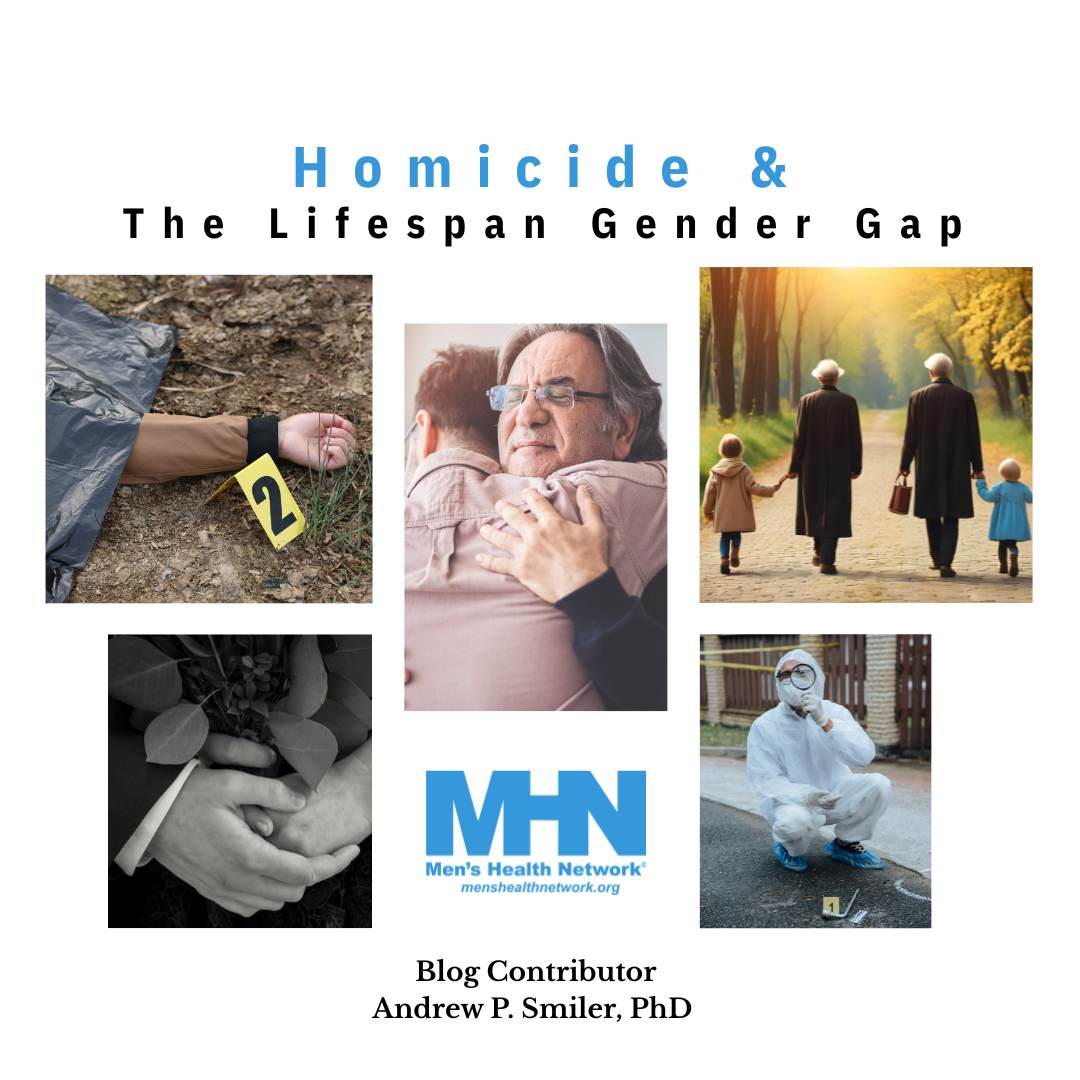
Homicide and the Lifespan Gender Gap
Summary: Men’s Health Network highlights how homicide contributes to the Lifespan Gender Gap—the nearly six-year difference in life expectancy between men and women. Each preventable death of a young man shortens the national average and represents lost potential, relationships, and community strength. In his article, Dr. Andrew Smiler examines data showing that men account for 80% of homicide victims, with most deaths occurring among young men under 35. Many are killed by people they know, often in moments of conflict or status-related tension. Smiler suggests that prevention begins with education—teaching boys and men how to resolve conflict, manage emotions, and de-escalate situations without violence. Men’s Health Network calls for greater empathy and early intervention to help young men live longer, healthier lives, reminding readers that every life saved helps close the gap and strengthen families and communities nationwide.Continue reading
Prostate Cancer Needs More Than a Global Initiative: Ground-Level Action Needed
Men’s Health Network responds to Global Action on Men’s Health’s new report on prostate cancer with a call for urgent, ground-level action. While supporting a WHO-led global initiative, MHN stresses that real impact requires community outreach, empathy-driven education, and trusted local engagement. Prostate cancer is rising fast, especially among underserved men, yet too many go without screening or support. This Men’s Health Month, MHN urges policymakers and the public to bridge the empathy gap and take action now. Learn more, get involved, and help bring life-saving care to where men live, work, play, and pray.Continue reading
International Men’s Health Week 2025: Lead with Empathy, Act with Purpose
As we celebrate International Men’s Health Week, it’s important to recognize where it all began. Men’s Health Network not only launched Men’s Health Week and Men’s Health Month—they laid the groundwork for a global movement. Their advocacy helped pass the original Congressional resolution in 1994, signed into law by President Bill Clinton, establishing Men’s Health Week as a national observance. From there, they created the infrastructure, messaging, and coalition-building that gave rise to what is now an international health campaign.Continue reading
Global Data Confirms It: Men’s Health Deserves Focus, Funding, and a Future
In response to the recent PLOS Medicine, "Sex-disaggregated data along the gendered health pathways" Article: It’s a vital contribution to the men’s health conversation and affirms something we’ve said all along: Men's health outcomes will improve when we prioritize men’s health intentionally. At MHN, we see this Article as a roadmap, but it’s up to all of us—health professionals, policymakers, community leaders, and advocates—to act on it. Follow along for all of our commentary on this article... Continue reading
Expanding Healthy People 2030: A Community-Driven Approach to Men’s Health
Healthy People 2030's next iteration should incorporate male-focused community initiatives that foster adequate support for the health needs of men and boys. By working together—across public health sectors, education systems, workplaces, and community organizations—we can create an environment where all individuals, regardless of sex, have the opportunity to live longer, healthier lives. Read on for more information on how men and boys stand up against Social Determinants of Health as stated in existing policy.Continue reading
Dating in the Digital Age: The Unique Challenges Gen Z Men Face
Modern dating is a complex landscape for men, shaped by societal pressures, digital platforms, and evolving relationship norms. The tendency to blame and shame men oversimplifies their struggles, ignoring systemic issues like economic pressures and the stigmatization of vulnerability. By fostering empathy, challenging stereotypes, and encouraging authenticity, society can create a healthier dating culture that supports meaningful connections for everyone.Continue reading
Suicide Rates, Homelessness, and Workplace Injuries / Deaths: How it Affects the Lifespan of Men
Suicide Rates, Homelessness, and Workplace Injuries / Deaths: How it Affects the Lifespan of Men By: Intern Olivia Schwinn-Clanton Introduction – Lifespan of Men In the United States and around the world, women usually live longer than men. By age 65, 57% of people that age are women, and by age 85, that number increases...