Men’s Social Determinants of Health

This blog explains how men’s health goals and outcomes are deeply shaped by social determinants of health (SDOH)—the non-medical factors that influence where men are born, how they are raised, where they work, and how they age. It outlines the five core SDOH—economic stability, education access and quality, healthcare access and quality, neighborhood and built environment, and social and community context—and shows how each affects men’s ability to seek care, make healthy choices, and maintain well-being. The piece emphasizes that men’s health challenges are not due to personal failure, but to structural barriers such as financial strain, limited healthcare access, demanding work schedules, unsafe or resource-poor neighborhoods, and stigma around help-seeking. By increasing awareness of how these determinants interact, the article argues that men can better understand their health challenges, reduce stigma, and support healthier behaviors, ultimately strengthening families, communities, and long-term outcomes for future generations.Continue reading

Men’s Health Network Joins National Coalitions: Supporting Bladder Cancer Research Funding and Strengthening the Nursing Workforce

MHN announced its support for two national policy initiatives aimed at improving men’s health outcomes. The organization joined national coalitions advocating for the creation of a Bladder Cancer Research Program within the Department of Defense CDMRP and for federal policy updates recognizing post-baccalaureate nursing degrees as professional degrees to strengthen the healthcare workforce. The announcement highlights the importance of cancer prevention, research investment, and expanding access to care, particularly for men who face higher mortality rates and barriers to preventive services.Continue reading

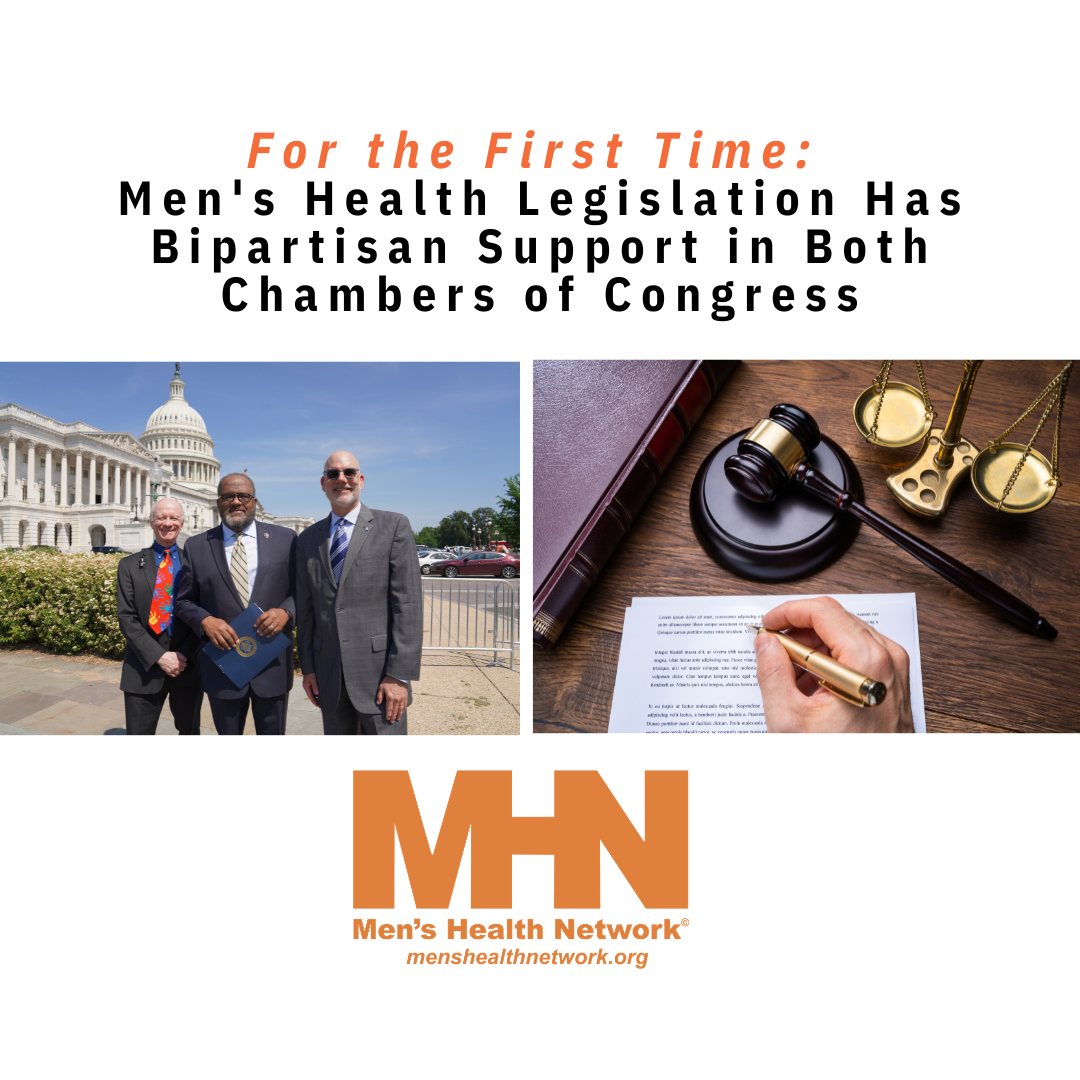
A Turning Point for Men’s Health: From Introduction to Nationwide Momentum for H.R. 7602

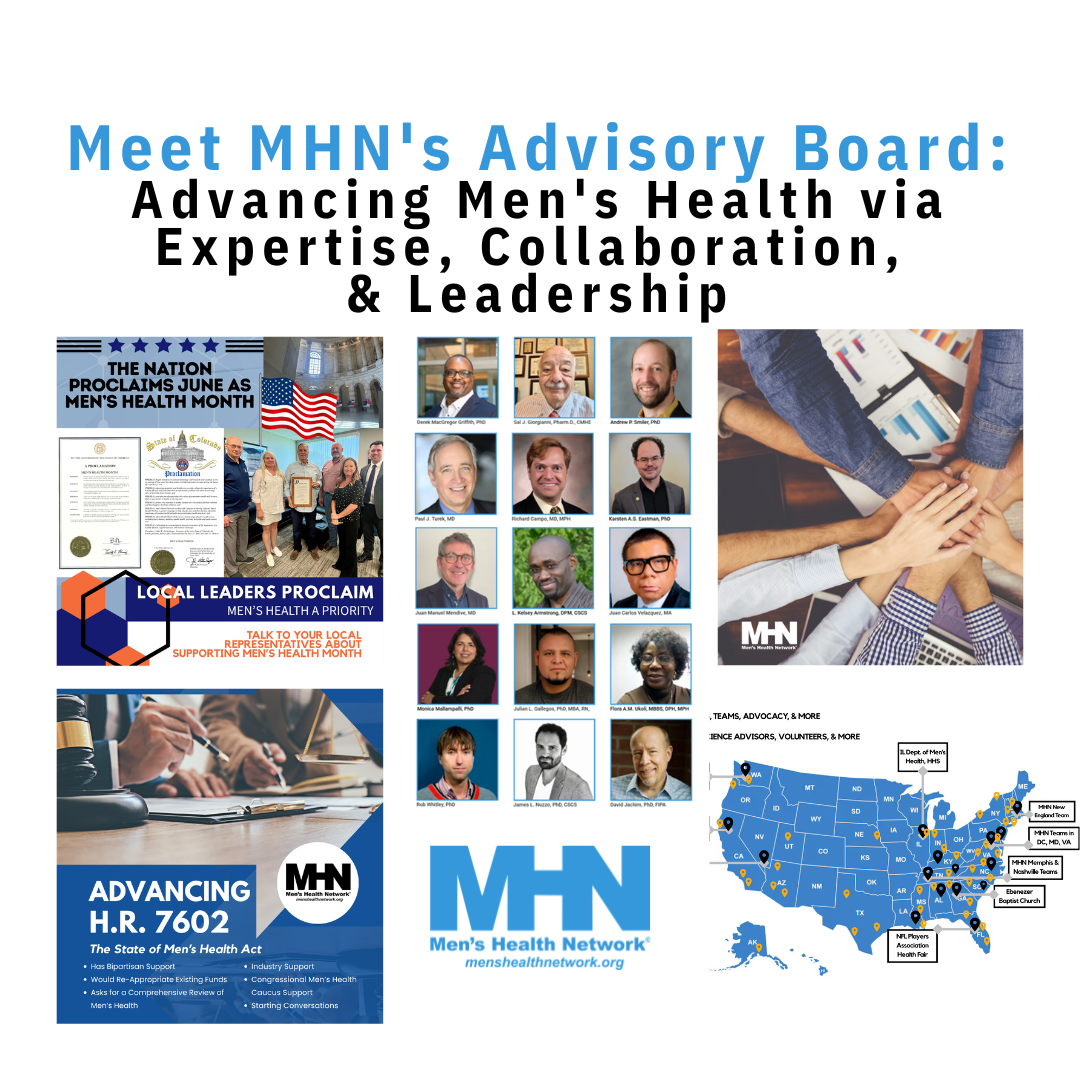
A historic shift is underway in men’s health policy. This blog explores the introduction of the State of Men’s Health Act (H.R. 7602), the growing bipartisan and national medical support behind it, and the landmark recognition of Men’s Health Nursing as a specialty—marking a pivotal moment in strengthening federal coordination, clinical infrastructure, and prevention efforts for men and boys across the United States.Continue reading

Masculinity, Health, and the Power of Understanding: Why Dr. Smiler’s Books Make an Impact on the Conversation

This blog highlights how Andrew Smiler brings clarity and balance to today’s conversations about masculinity through Is Masculinity Toxic?: A Primer for the 21st Century and The Masculine Self (7th Edition). Together, these books offer accessible language and evidence-informed insight into how masculine norms shape health, behavior, and relationships, moving the conversation beyond sound bites toward understanding that supports healthier outcomes for men and boys.Continue reading

Listen to Your Heart: Elevating Heart Valve Disease Awareness During Heart Health Month

Heart Health Month and Heart Valve Disease Awareness Day (February 22) highlight the importance of recognizing and addressing heart valve disease—an often underdiagnosed condition affecting millions of Americans, particularly older adults. Many people experience symptoms that are mistaken for normal aging, delaying diagnosis and treatment. Awareness and early detection are critical, as heart valve disease is treatable when identified in time. Through the Alliance for Aging Research’s Heart Valve Disease Awareness Day campaign, individuals and organizations can access ready-to-use educational and social media resources to help spread awareness. By downloading and sharing these materials, everyone can play a role in encouraging conversations, earlier screening, and better heart health outcomes.Continue reading

Breaking the Silence: Men, Mental Health, and Addiction Recovery

Men’s mental health and addiction are deeply connected, yet many men struggle in silence due to stigma and cultural expectations. This blog explores the unique mental health challenges men face, the link between untreated mental health conditions and substance use, and the barriers that prevent men from seeking help. Highlighting the work of Men’s Health Network and Northern Illinois Recovery Center, it underscores the importance of male-focused, evidence-based treatment, education, and community support in breaking the silence and helping men begin the path toward recovery and long-term wellness.Continue reading

Illinois Leads the Nation in Men’s Health: A Closer Look at the 2025 Men’s Health Assessment

Illinois is leading the nation in men’s health by becoming one of the only states with a dedicated Men’s Health Section within its Department of Public Health. The newly released Men’s Health Assessment 2025, authored by Andrew Lerch, DPT, PT, provides a comprehensive, data-driven look at the health challenges facing men across the state. This landmark report highlights disparities, identifies priority areas for action, and offers a blueprint for how states can integrate men’s health into public health strategy, policy, and practice.Continue reading

Merry Christmas from Men’s Health Network: Honoring Our Legacy, Renewing Our Mission

A Christmas message from Men’s Health Network reflecting on a year of progress, honoring a legacy that helped shape the men’s health movement, and recommitting to an empathy-driven mission focused on education, prevention, advocacy, and community outreach, so that men can live longer, healthier lives and remain present for the families and communities that depend on them.Continue reading

This Giving Tuesday: Be the Change Men’s Health Needs

Giving Tuesday is next week, and Men’s Health Network (MHN) is calling on supporters to help close the Lifespan Gender Gap and build empathy for men’s health. This year, MHN expanded outreach across communities, churches, and schools, relaunched the Congressional Men’s Health Caucus, and supported bipartisan resolutions like H.R. 1300 (PSA Screening for HIM Act) and H.R. 675 (Prostate Cancer Awareness Month), advancing prevention and early detection nationwide. From toolkits that reached thousands to Ambassadors leading local events, MHN continues reaching men where they live, work, play, and pray. Your support powers awareness, education, and advocacy that saves lives.Continue reading

Scroll to top