For the first time, bipartisan legislation to establish a federal Office of Men's Health has been introduced in both the U.S. House of Representatives and the U.S. Senate. Learn why this development represents the strongest congressional support yet for a coordinated national approach to improving the health and well-being of men and boys.Continue reading
Tag: Cancer Prevention
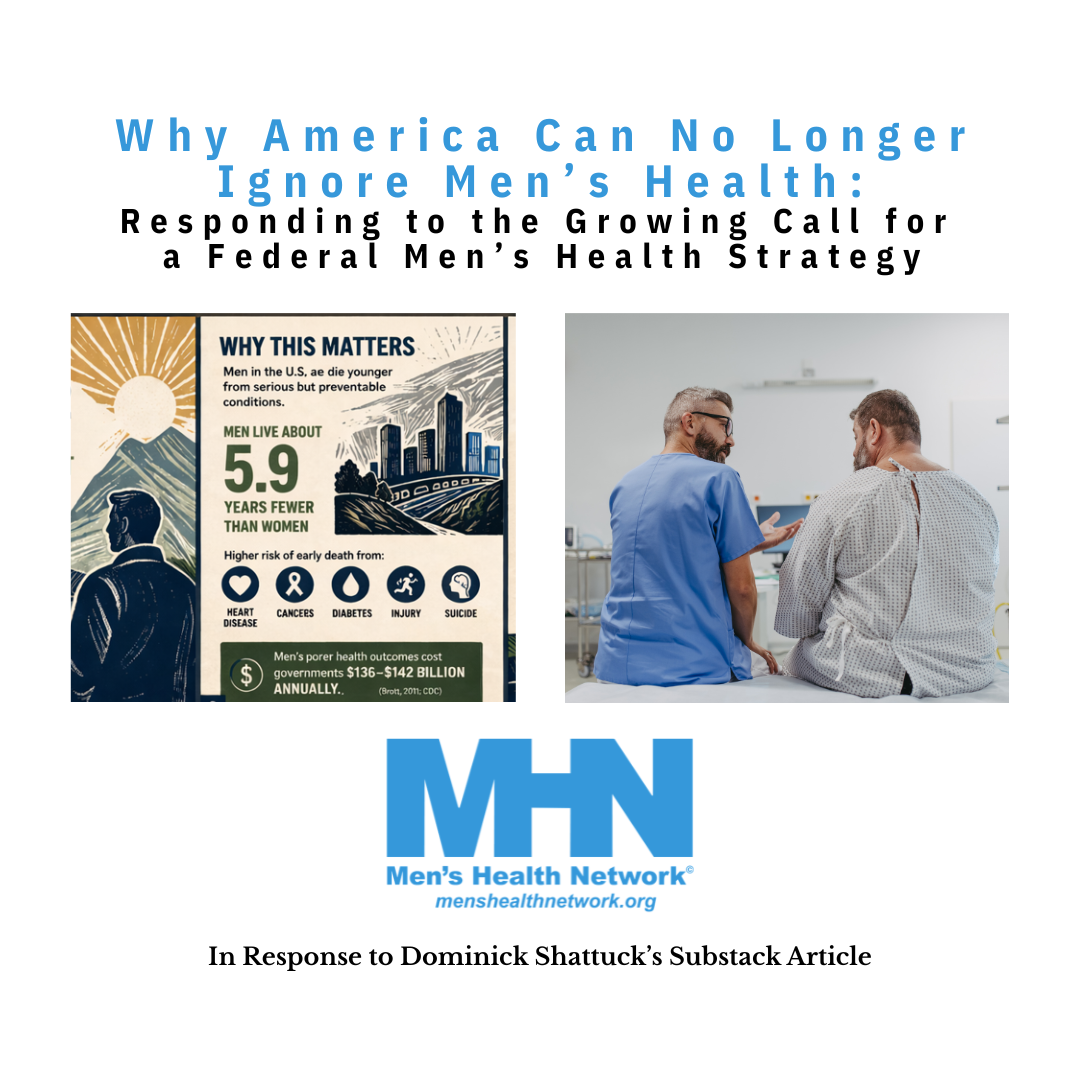
Why America Can No Longer Ignore Men’s Health: Responding to the Growing Call for a Federal Men’s Health Strategy
This response article examines the growing national conversation around men’s health policy through the lens of Dr. Dominick Shattuck’s Substack post, “Why the U.S. Needs a Federal Strategy on Men’s Health.” The blog explores the nearly six-year Lifespan Gender Gap between men and women, highlighting how preventable conditions such as heart disease, cancer, diabetes, injury, and suicide continue contributing to premature mortality among men. It discusses the structural, cultural, and healthcare-system barriers that often prevent men from engaging in preventive care early, including stigma, medical mistrust, workplace pressures, and norms surrounding self-reliance. The article also analyzes the proposed H.R. 7602 — State of Men’s Health Act, which would establish a national study on men’s health disparities and create an Office of Men’s Health within HHS to coordinate prevention and public awareness efforts. Throughout the piece, the response emphasizes that improving men’s health outcomes is not a zero-sum issue, but rather a broader public health, workforce, family, and community issue that benefits society as a whole through stronger preventive care, earlier intervention, and improved healthcare engagement.Continue reading

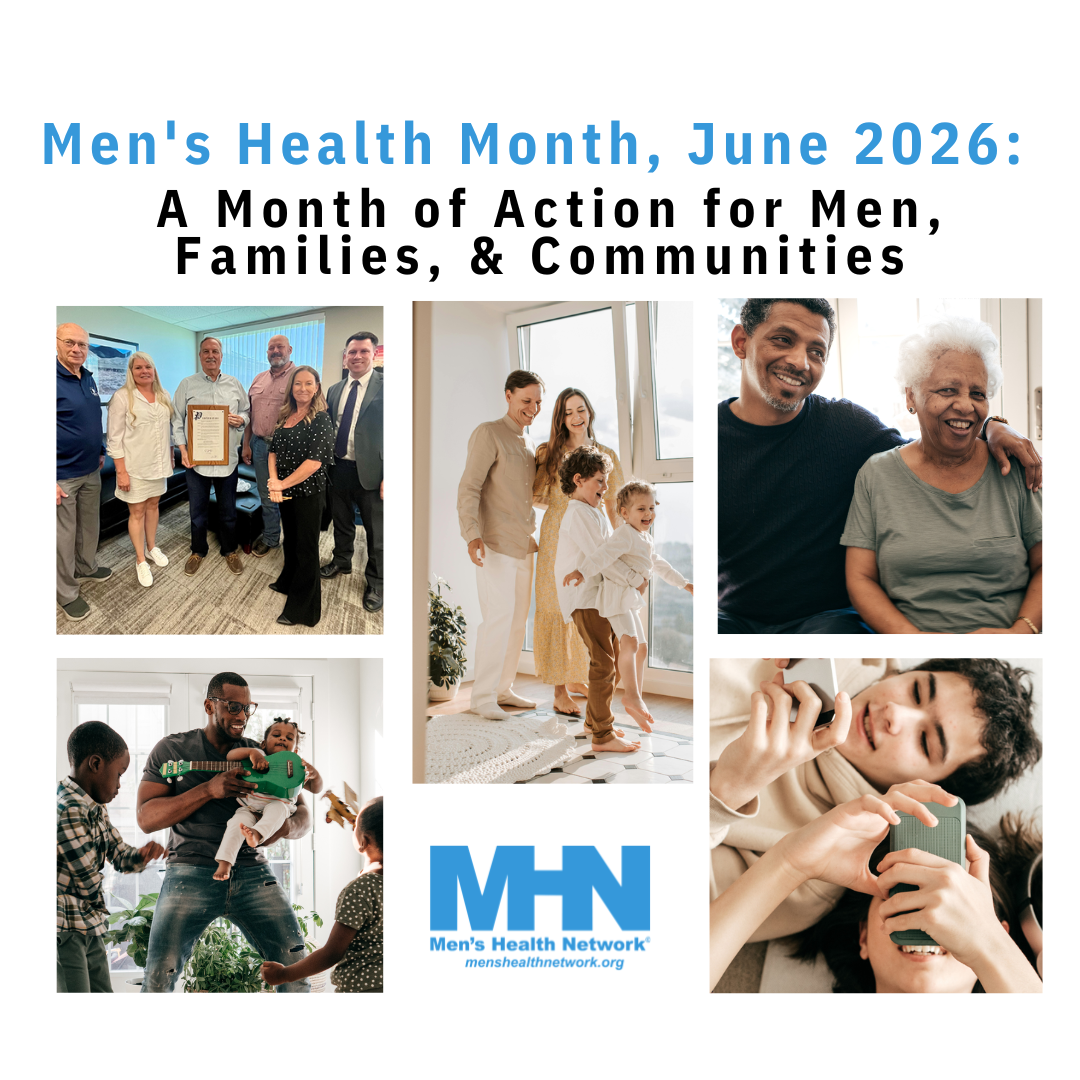
Men’s Health Month, June 2026: A Month of Action for Men, Families, & Communities
Men's Health Month 2026 brought together healthcare organizations, policymakers, community leaders, employers, volunteers, and advocates from across the country to improve the health and well-being of men and boys. From 170 official proclamations and a Congressional Men's Health Event on Capitol Hill to community fundraisers, educational initiatives, and national partnerships, this year's campaign highlighted the power of collaboration in advancing men's health. As June comes to a close, Men's Health Network reflects on the month's accomplishments and looks ahead to continuing this important work throughout the year.Continue reading
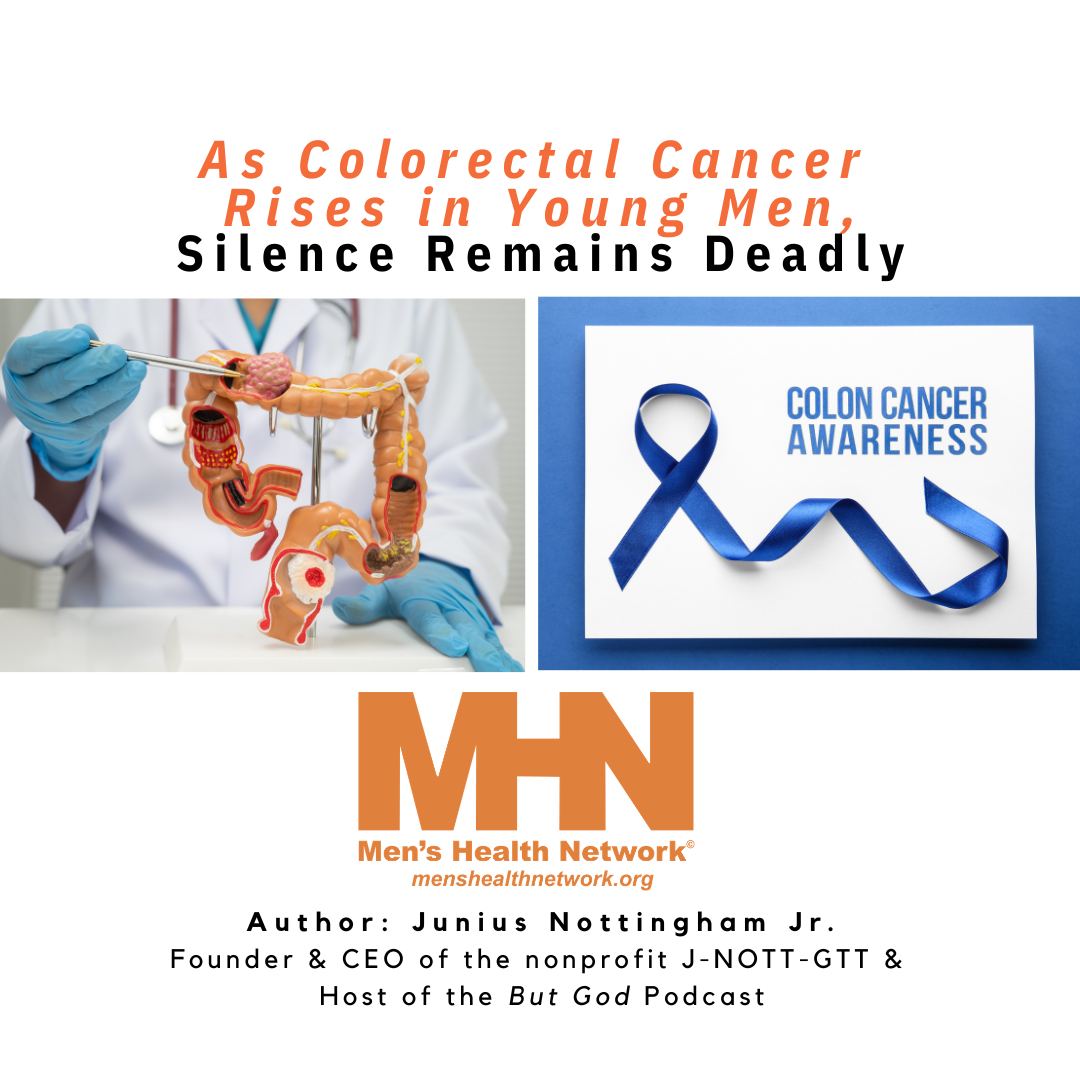
As Colorectal Cancer Rises in Young Men, Silence Remains Deadly
This personal story explores the growing rise of colorectal cancer among younger men through the experience of Junius Nottingham Jr., whose son Jeremy died from advanced colorectal cancer at just 31 years old after an undiagnosed case of Lynch syndrome. The blog highlights how stigma, silence, and cultural expectations around masculinity often prevent men from speaking up about symptoms, seeking preventive care, or advocating for genetic testing. It also raises awareness about Lynch syndrome as the most common hereditary cause of colorectal cancer and emphasizes the importance of family health history, early detection, and proactive healthcare conversations. Through personal reflection and advocacy, the author encourages men and families to connect the dots around hereditary cancer risks, seek medical evaluation early, and break the silence surrounding men’s health and cancer prevention. Continue reading
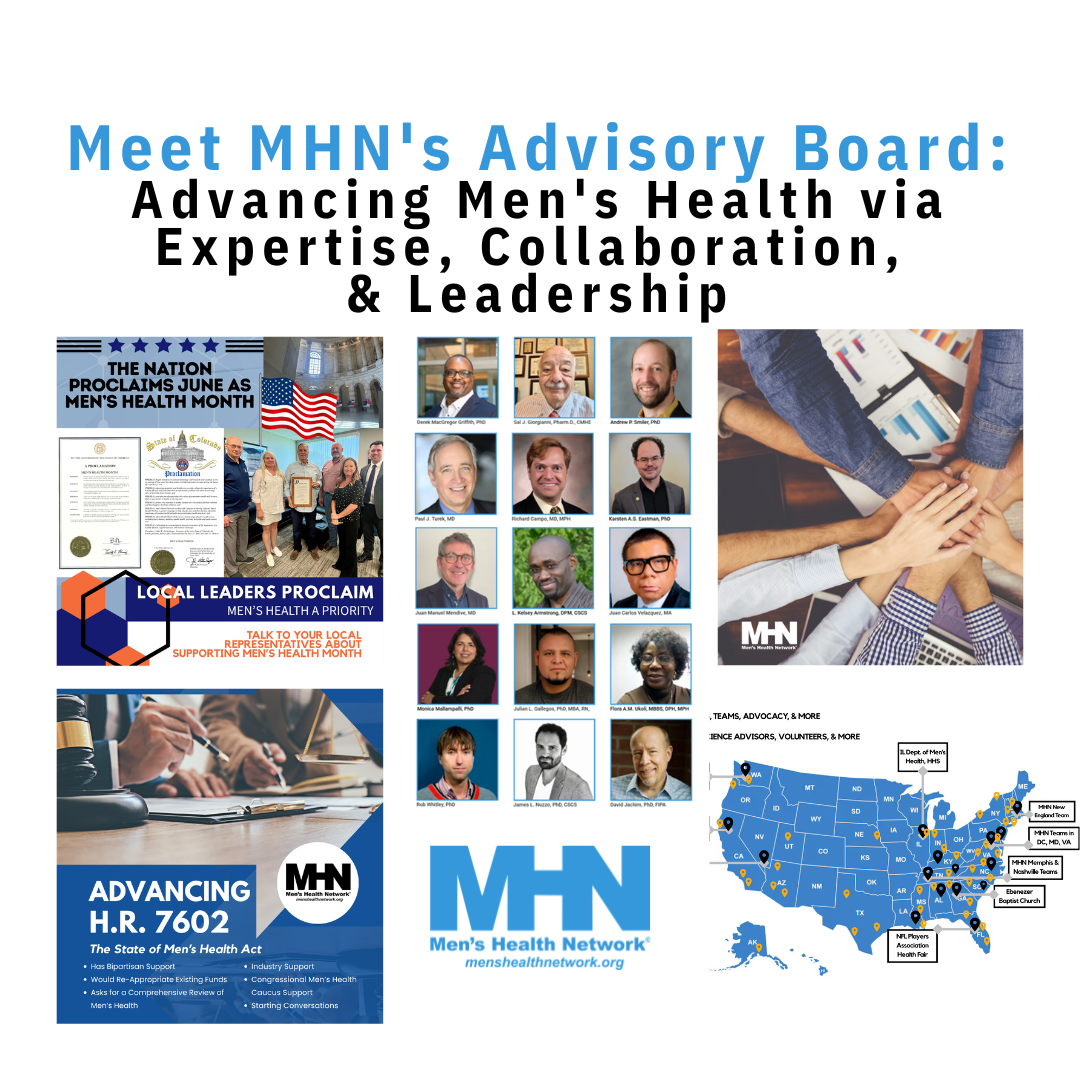
Meet Men’s Health Network’s Advisory Board: Advancing Men’s Health via Expertise, Collaboration, & Leadership
Men's Health Network is proud to be guided by an accomplished Advisory Board made up of physicians, researchers, public health leaders, nurses, psychologists, educators, policy experts, and advocates who share a commitment to improving the health and well-being of men, boys, and their families. Their collective expertise helps shape our educational resources, advocacy priorities, research initiatives, and community outreach efforts. From advancing men's health policy and preventive care to strengthening partnerships and expanding public awareness, our Advisory Board plays an important role in helping Men's Health Network fulfill its mission. Meet the remarkable individuals whose leadership, experience, and dedication continue to drive meaningful progress for men's health across the United States and around the world.Continue reading
Men’s Health Network Joins National Coalitions: Supporting Bladder Cancer Research Funding and Strengthening the Nursing Workforce
MHN announced its support for two national policy initiatives aimed at improving men’s health outcomes. The organization joined national coalitions advocating for the creation of a Bladder Cancer Research Program within the Department of Defense CDMRP and for federal policy updates recognizing post-baccalaureate nursing degrees as professional degrees to strengthen the healthcare workforce. The announcement highlights the importance of cancer prevention, research investment, and expanding access to care, particularly for men who face higher mortality rates and barriers to preventive services.Continue reading
Summer is Coming: Tips to Prevent Skin Cancer
Skin cancer is the most common type of cancer in the U.S. In fact, it is probably more common than you think. Did you know that 1 in 5 Americans will develop skin cancer at some point in their life? Every year, there are about 3.5 million cases of basal cell carcinoma and squamous cell...
Smoking Doubles Prostate Cancer Death Risk
Researchers at Memorial Sloan Kettering Cancer Center in New York found that prostate cancer patients who smoke have an increased risk of experiencing negative side effects from treatment, a recurrence, or even dying from prostate cancer. The study was published in the journal BJU International. Previous studies have examined the connection between prostate cancer and...Continue reading
Vitamin D may prevent prostate cancer growth
Researchers at the University of Colorado Cancer Center have found that vitamin D can help block a protein that causes prostate tumors to grow. Published in the journal Prostate, they discovered that inflammation may be the link between vitamin D and prostate cancer. They found that the gene GDF-15 – known to be up-regulated by...Continue reading