
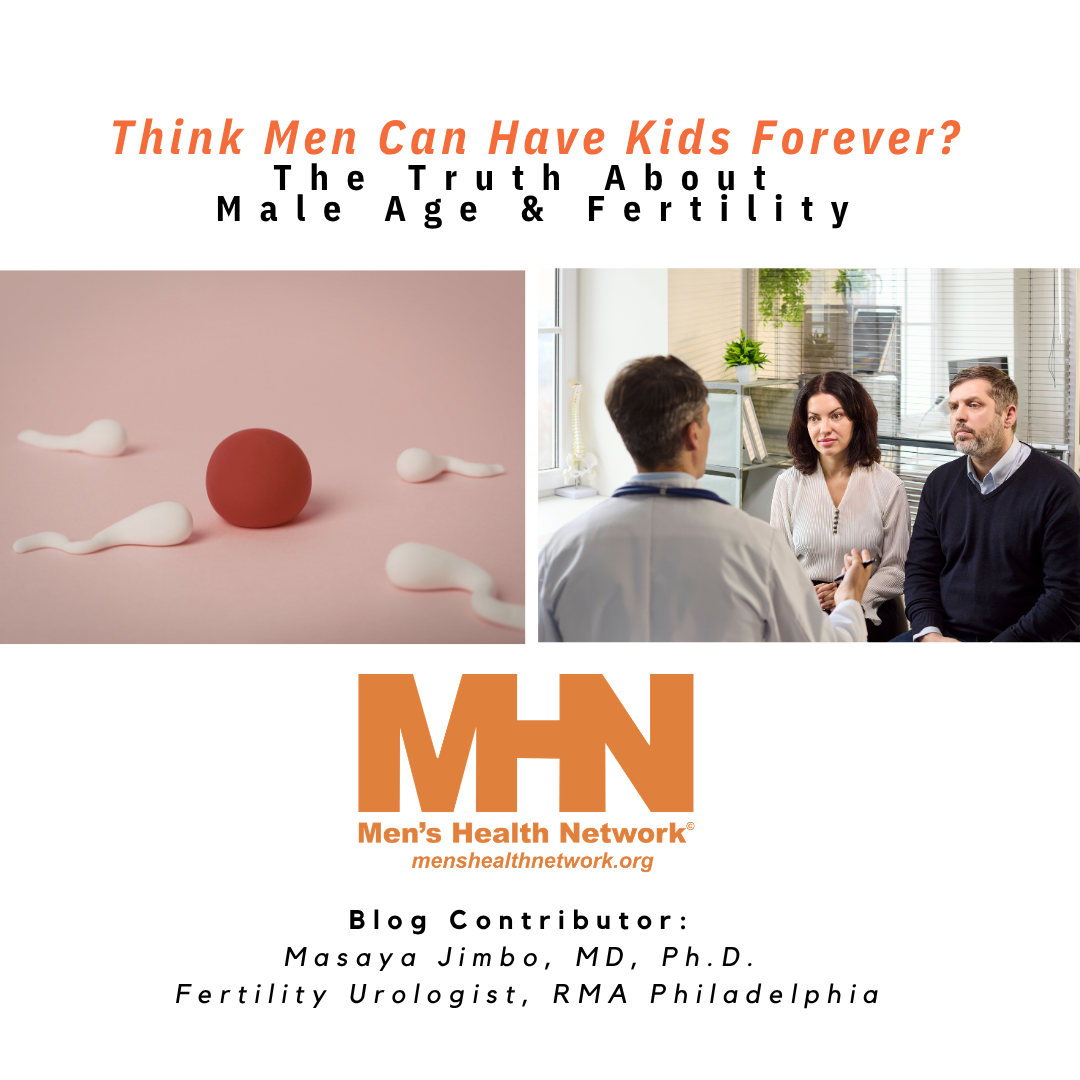
Think Men Can Have Kids Forever? The Truth About Male Age and Fertility
States across the U.S. are increasingly advancing legislation to remove cost barriers to prostate cancer screening, reflecting a broader shift toward prioritizing preventive care for men through coordinated, data-driven advocacy. Efforts led by partners like ZERO Prostate Cancer and supported by Men’s Health Network are driving measurable progress, with multiple states passing, advancing, or developing bills that expand access to PSA and DRE screenings. Evidence from places like Maryland shows that eliminating out-of-pocket costs increases screening rates, reinforcing the value of these policies. Together, these state-level actions demonstrate how a connected national network can turn advocacy into impact—improving early detection, strengthening public health outcomes, and continuing to build momentum for men’s health nationwide.CONTINUE READING→
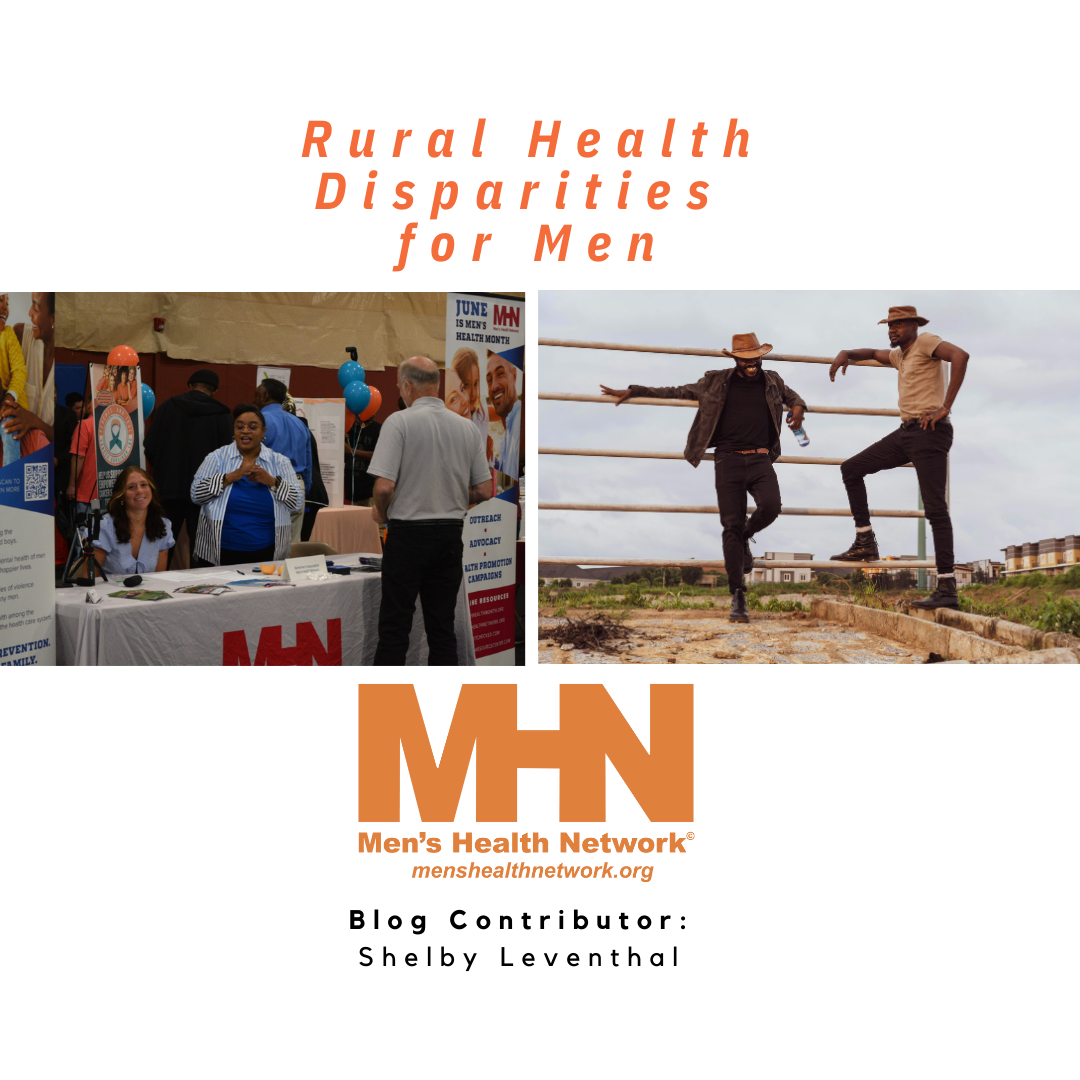
Rural Health Disparities for Men
This blog examines how rural health disparities place men at higher risk for poor physical and mental health outcomes due to limited healthcare access, fewer recreational spaces, high insurance costs, food insecurity, and provider shortages. It highlights that rural men experience higher rates of chronic illness, mental health challenges, suicide, and substance use, with disparities varying by region and shaped by social determinants of health such as socioeconomic status, education, environment, and population decline. The article emphasizes that these challenges are structural—not a lack of concern for health—and that blaming rural communities erodes trust in public health efforts. It argues for community-centered solutions that include respectful engagement, local partnerships, mobile healthcare, education, and youth involvement, concluding that improving rural men’s health requires tailored, collaborative approaches that recognize men in rural areas as essential to the well-being of families, workplaces, and communities.CONTINUE READING→
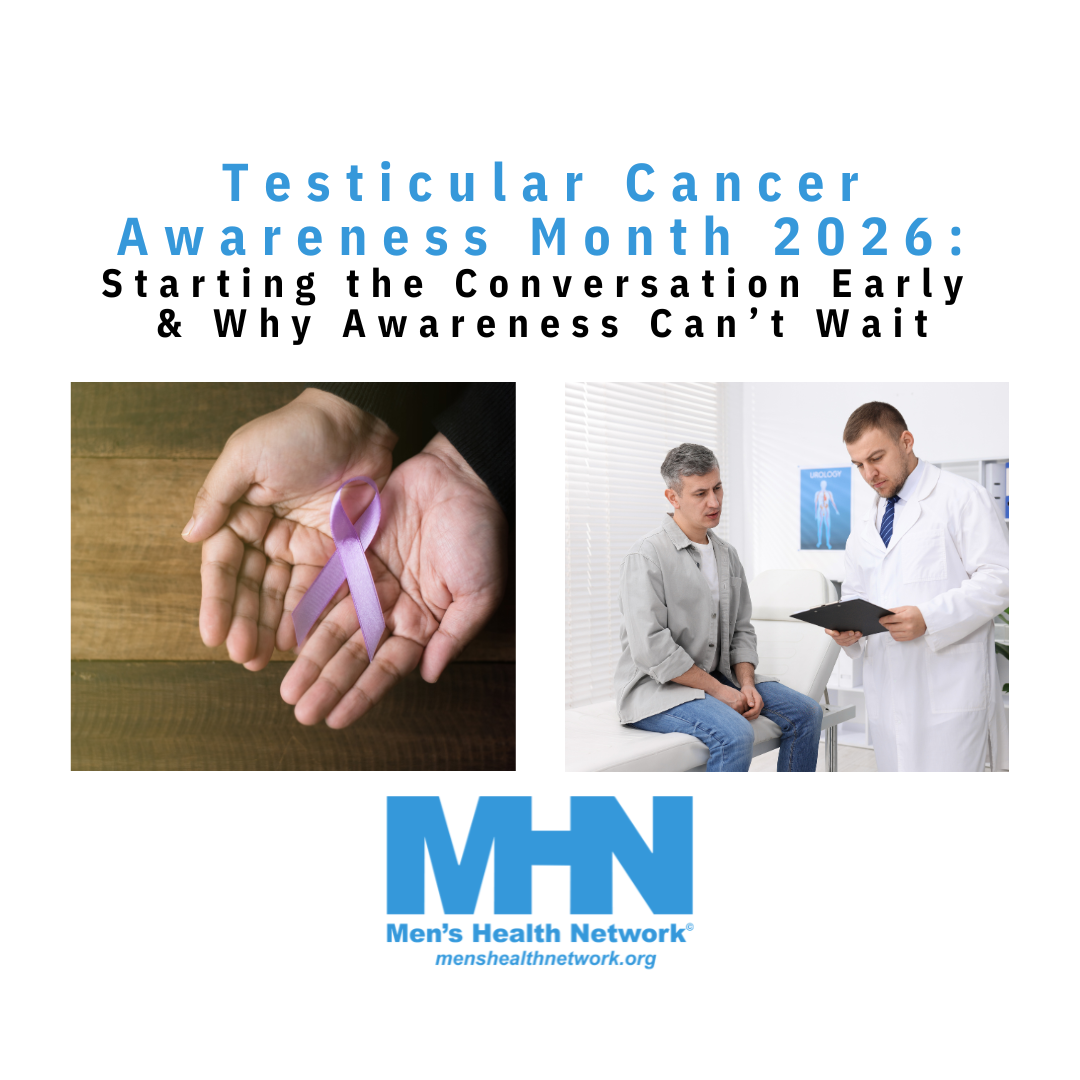
Testicular Cancer Awareness Month 2026: Starting the Conversation Early & Why Awareness Can’t Wait
Testicular Cancer Awareness Month emphasizes the importance of early detection and open conversations, especially for young men ages 15–35 who are most at risk. Through education and awareness, individuals are encouraged to recognize changes, speak up, and engage with healthcare earlier. Stories like Steve’s highlight how a simple conversation can lead to early detection and life-saving outcomes, reinforcing that small moments and supportive relationships play a critical role in improving men’s health.CONTINUE READING→
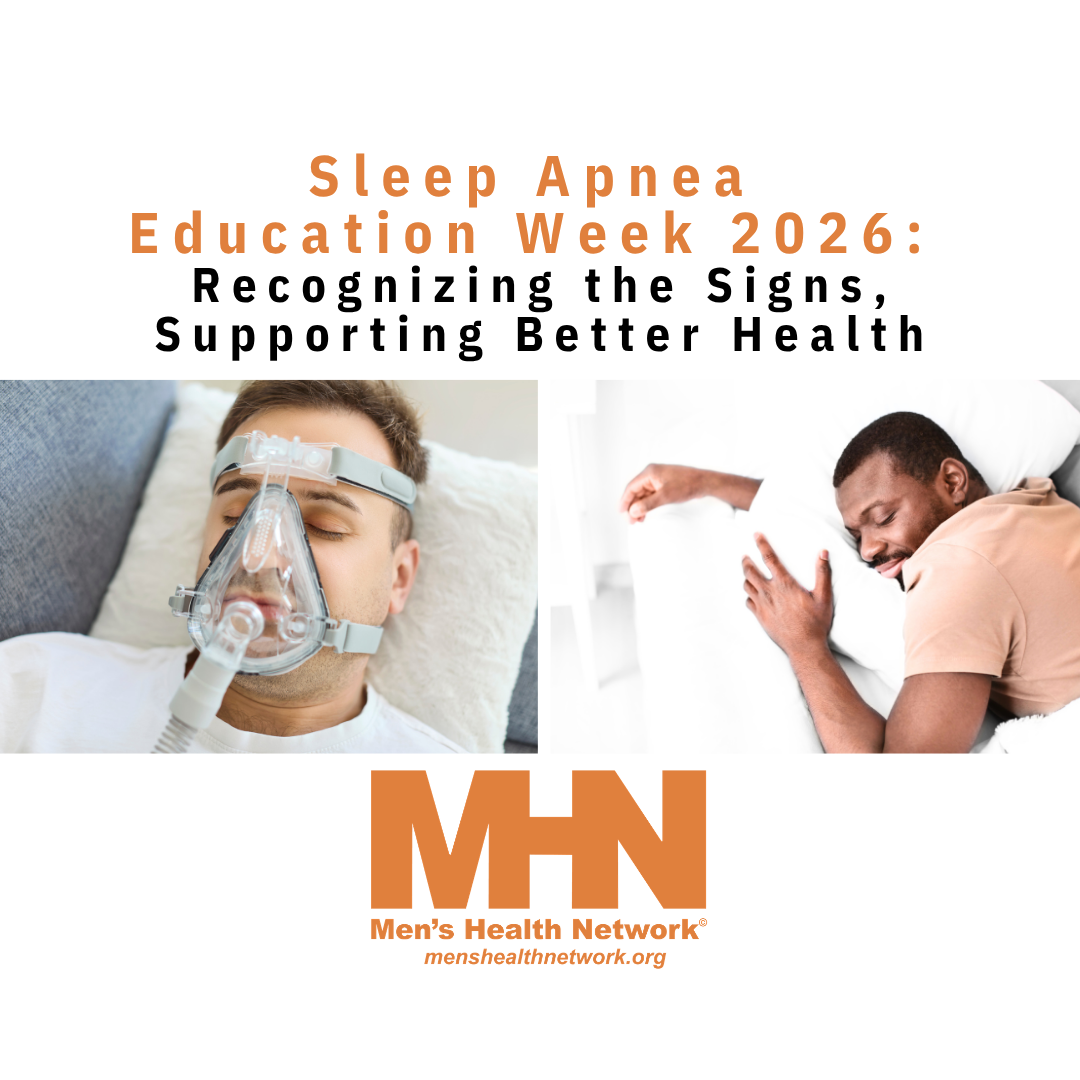
Sleep Apnea Education Week 2026: Recognizing the Signs, Supporting Better Health
Sleep Apnea Education Week raises awareness about a commonly underdiagnosed condition that significantly impacts men’s health. Sleep apnea is linked to serious risks such as cardiovascular disease and chronic fatigue, with symptoms like loud snoring and daytime sleepiness often going overlooked. Encouraging screening, treatment, and open conversations about sleep helps improve overall health, daily functioning, and long-term outcomes.CONTINUE READING→
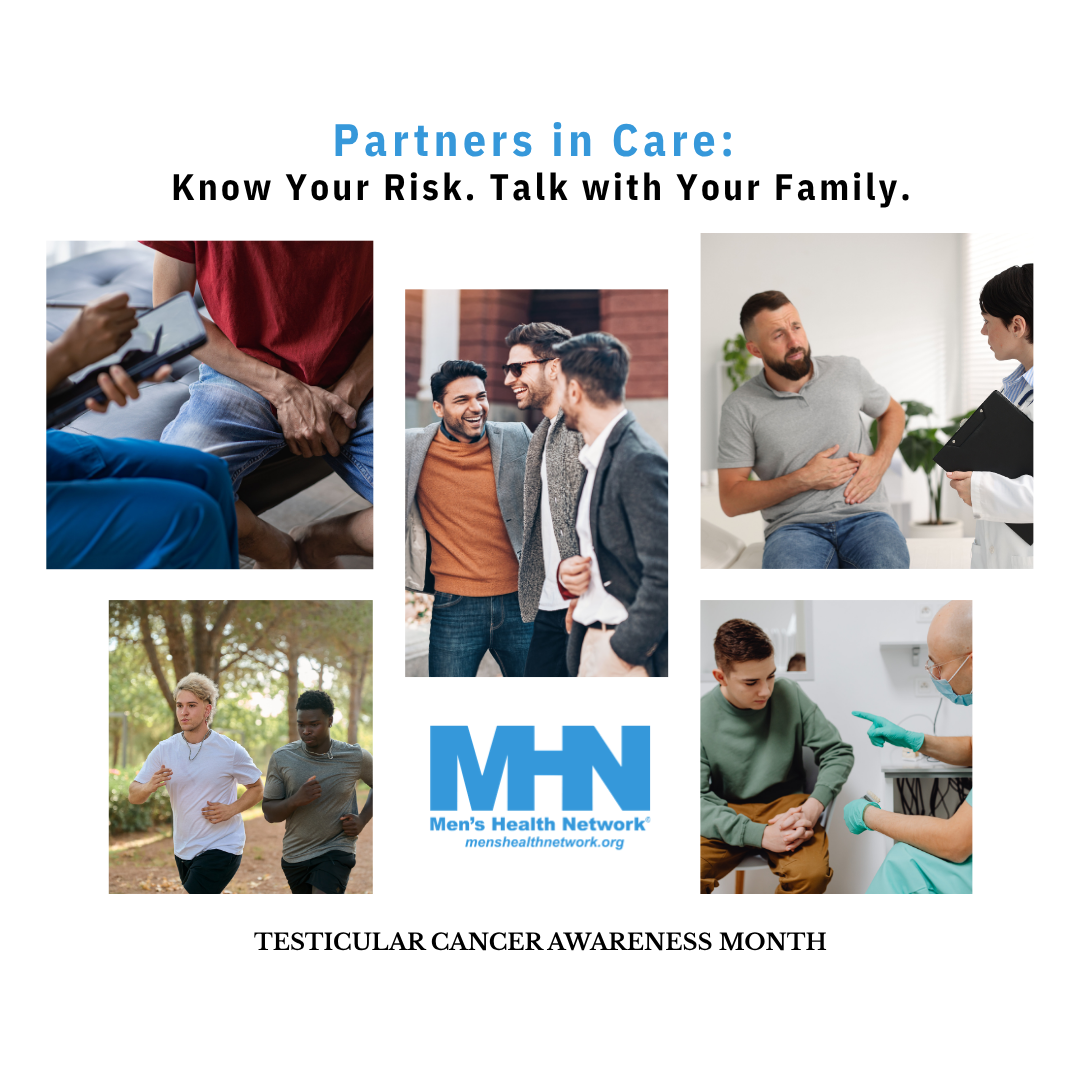
Testicular Cancer Awareness Month… Partners in Care: Know Your Risk. Talk with Your Family.
Testicular Cancer Awareness Month highlights the importance of early detection, education, and open conversations about a cancer that most often affects young men ages 15–35. With nearly 10,000 diagnoses each year in the United States and high survival rates when detected early, awareness and proactive health behaviors are critical. The theme, “Partners in Care: Know Your Risk. Talk with Your Family,” emphasizes the role families and communities play in supporting men’s health through communication, self-awareness, and early engagement with care.CONTINUE READING→
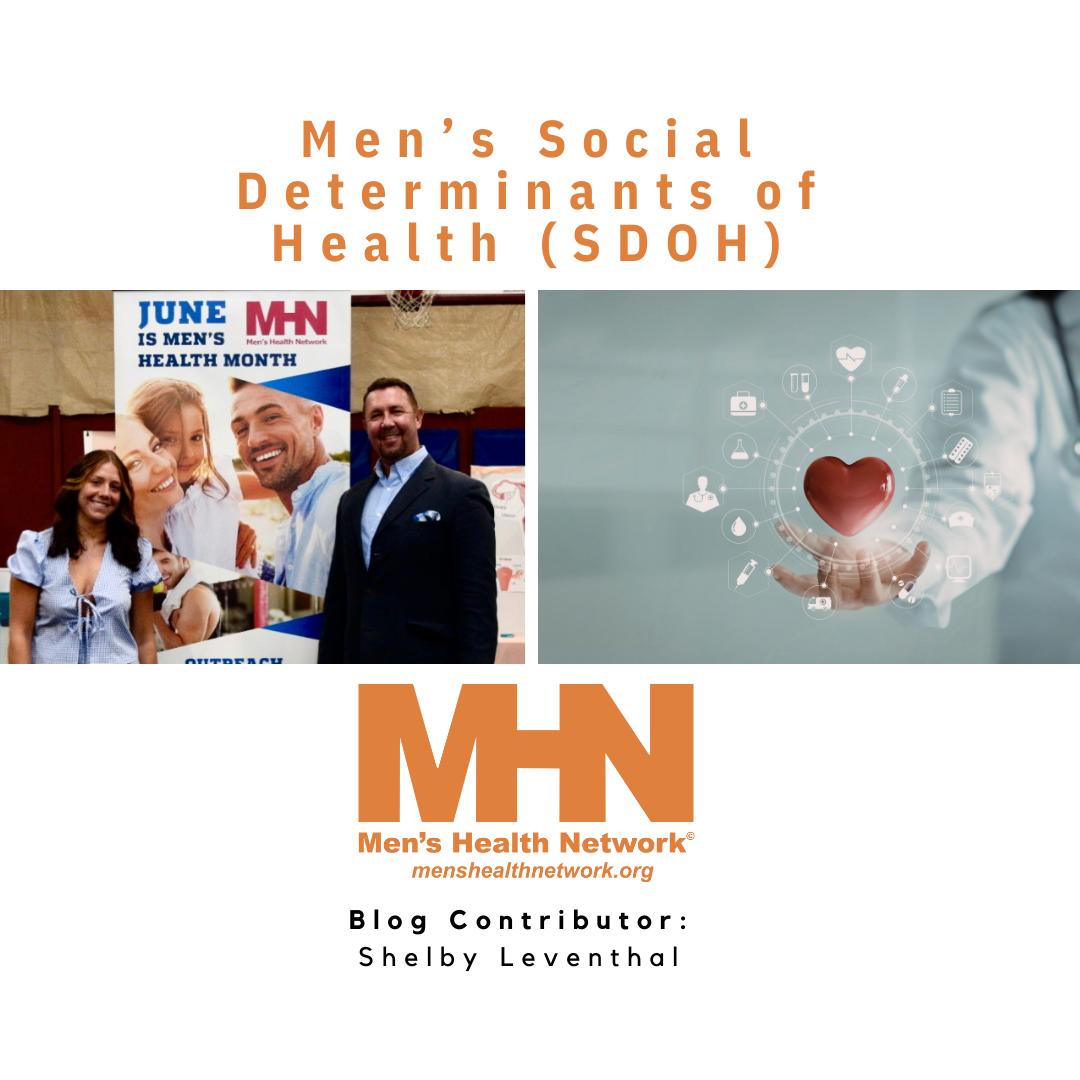
Men’s Social Determinants of Health
This blog explains how men’s health goals and outcomes are deeply shaped by social determinants of health (SDOH)—the non-medical factors that influence where men are born, how they are raised, where they work, and how they age. It outlines the five core SDOH—economic stability, education access and quality, healthcare access and quality, neighborhood and built environment, and social and community context—and shows how each affects men’s ability to seek care, make healthy choices, and maintain well-being. The piece emphasizes that men’s health challenges are not due to personal failure, but to structural barriers such as financial strain, limited healthcare access, demanding work schedules, unsafe or resource-poor neighborhoods, and stigma around help-seeking. By increasing awareness of how these determinants interact, the article argues that men can better understand their health challenges, reduce stigma, and support healthier behaviors, ultimately strengthening families, communities, and long-term outcomes for future generations.CONTINUE READING→
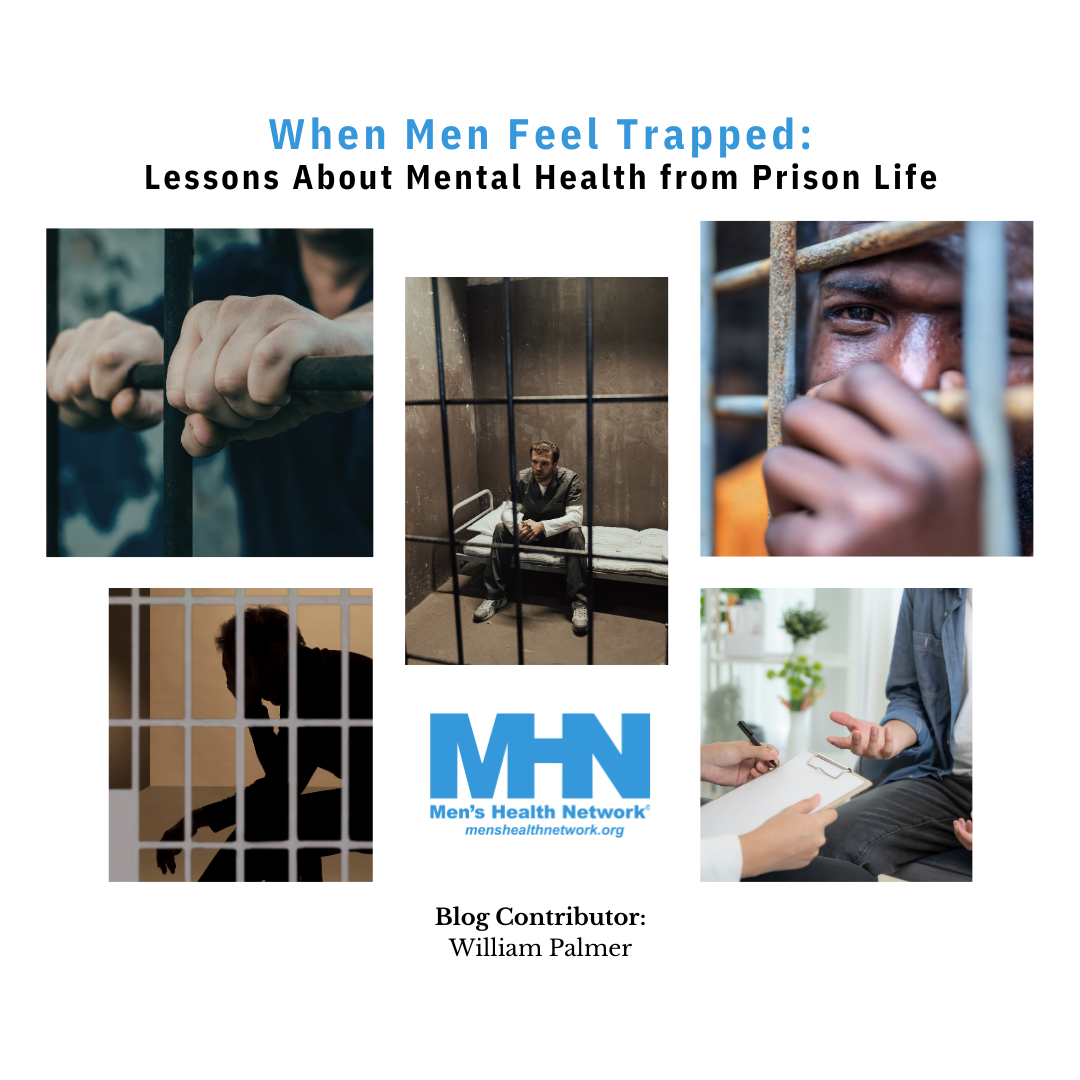
When Men Feel Trapped: Lessons About Mental Health from Prison Life
This essay argues that prison life exposes, in intensified form, the same psychological pressures many men face in everyday modern life: loss of agency, identity erosion, chronic stress, emotional isolation, and the belief that “functioning” equals health. Drawing on conversations with former inmates and observations from prison ministry, the author shows how men unravel not primarily from violence, but from isolation, dehumanization, and avoidance of inner pain—patterns mirrored outside prison through overwork, numbing behaviors, and silent suffering. The piece emphasizes that men heal when dignity is restored through purpose, trusted responsibility, structured community, and honest self-examination, rather than punishment or performance-based worth. Ultimately, the essay reframes men’s mental health as a human and structural issue, arguing that if practices like truth-telling, meaningful responsibility, and brotherhood can sustain men under extreme confinement, they are essential tools for helping men reclaim resilience, identity, and emotional well-being in everyday life.CONTINUE READING→
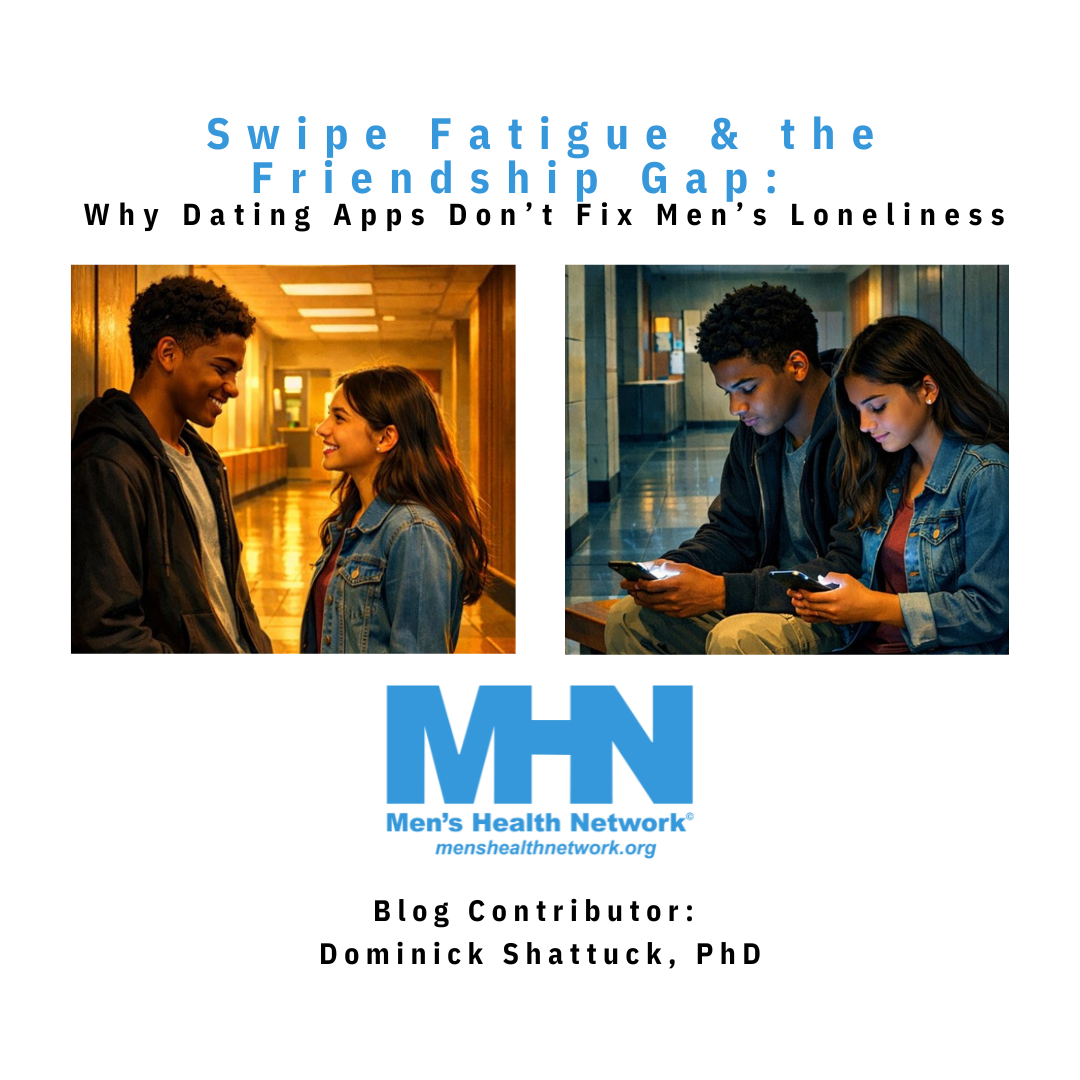
Swipe Fatigue and the Friendship Gap: Why Dating Apps Don’t Fix Men’s Loneliness
This essay argues that dating apps, while promising unprecedented access to potential partners, are poorly suited to reducing men’s loneliness and may instead exacerbate it by replacing meaningful social infrastructure with rapid, evaluative selection. Drawing on research from social psychology, sociology, and public health, the author explains that durable relationships depend on “friendship markets”—environments with repeated interaction, shared purpose, and social permission for vulnerability—which have eroded for men as workplaces, civic groups, and community institutions have declined. Dating apps function as closed markets that promote choice overload, rejection mind-sets, swipe fatigue, and burnout, exposing men to repeated, cumulative rejection without opportunities for relational repair or gradual connection. Evidence shows these dynamics can undermine well-being, increase withdrawal, and fail to address men’s broader needs for friendship, identity, and belonging. The essay concludes that men’s loneliness is not a personal failure or an algorithm problem, but a structural one, and that meaningful progress requires rebuilding real-world, activity-based, and community-centered friendship markets rather than relying on dating apps to solve a problem they were never designed to address.CONTINUE READING→
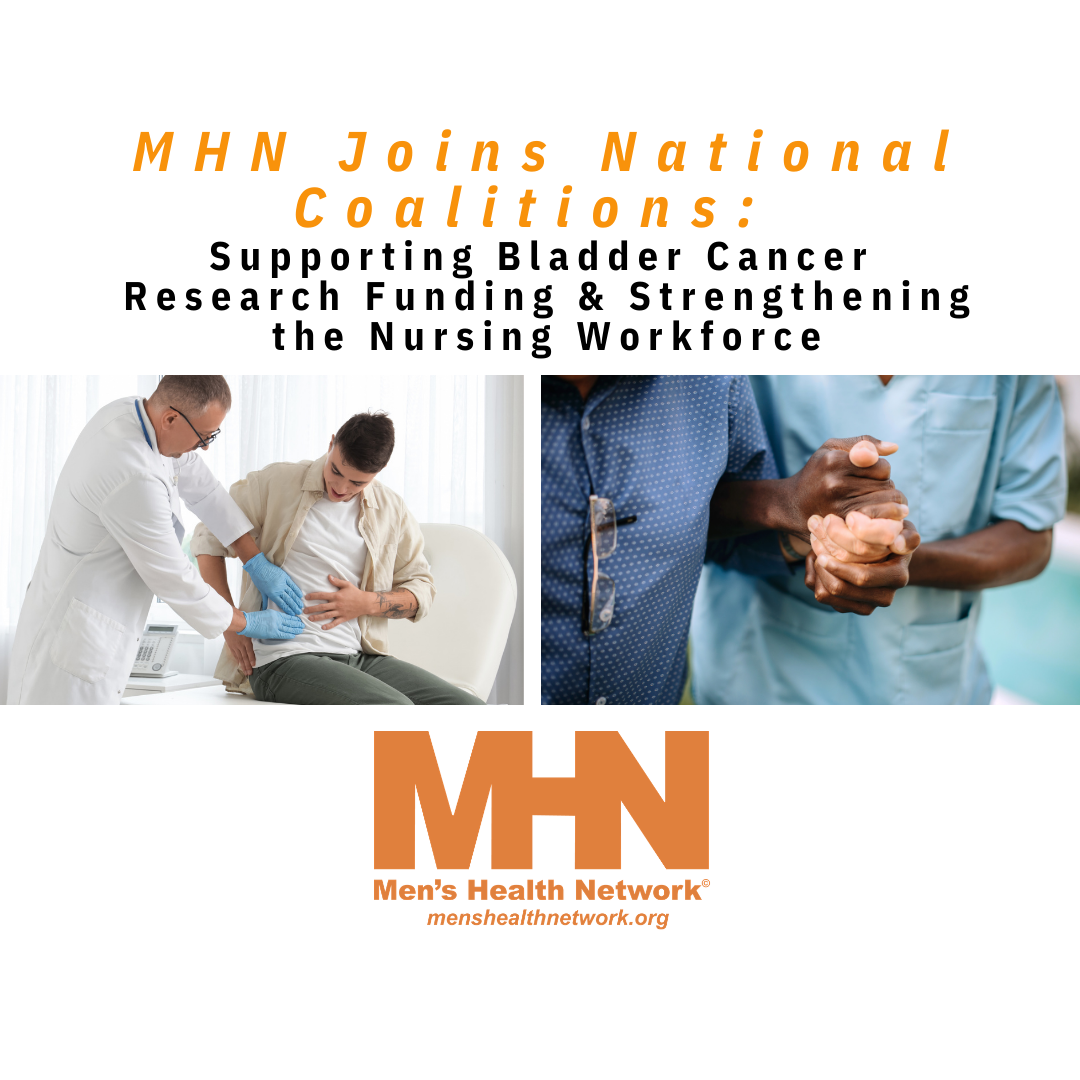
Men’s Health Network Joins National Coalitions: Supporting Bladder Cancer Research Funding and Strengthening the Nursing Workforce
MHN announced its support for two national policy initiatives aimed at improving men’s health outcomes. The organization joined national coalitions advocating for the creation of a Bladder Cancer Research Program within the Department of Defense CDMRP and for federal policy updates recognizing post-baccalaureate nursing degrees as professional degrees to strengthen the healthcare workforce. The announcement highlights the importance of cancer prevention, research investment, and expanding access to care, particularly for men who face higher mortality rates and barriers to preventive services.CONTINUE READING→
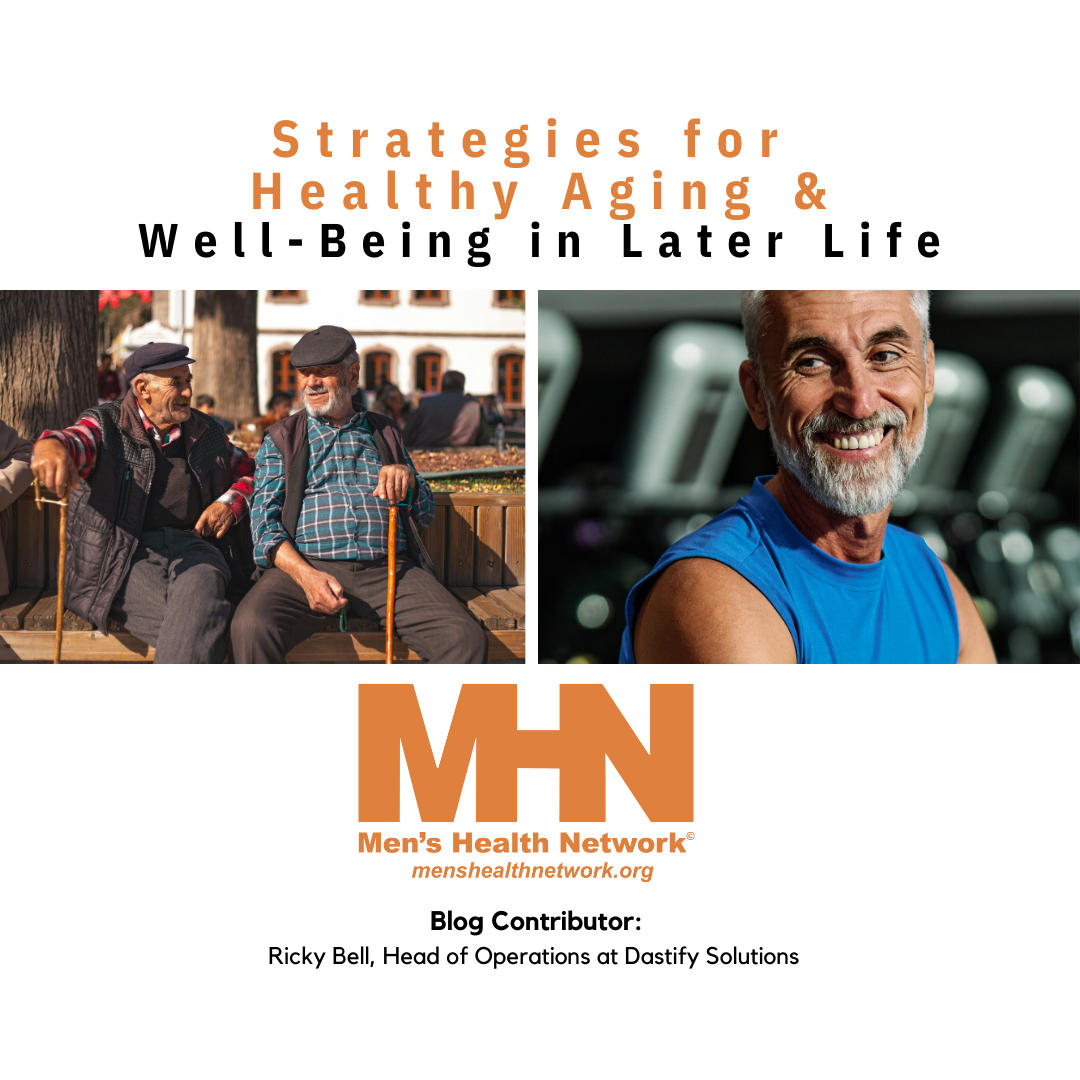
Strategies for Healthy Aging and Well-Being in Later Life
The blog reframes aging as a stage of opportunity rather than decline, emphasizing that many physical, cognitive, and emotional challenges associated with later life can be prevented or managed through intentional, healthy behaviors. It highlights the importance of balanced nutrition, regular physical activity, and preventive healthcare to maintain strength, mobility, and independence, alongside lifelong learning, social connection, and stress management to support cognitive and mental well-being. The article also stresses emotional resilience through purpose, relationships, gratitude, and adaptability, noting that technology and community engagement can further enhance health, connection, and autonomy. Overall, it argues that healthy aging is holistic and proactive, focusing on adding quality and fulfillment to life, not just years.CONTINUE READING→