Testicular Cancer Awareness Month 2026: What Comes Next?

As Testicular Cancer Awareness Month concludes, the focus shifts from awareness to action—encouraging individuals to continue conversations, share resources, and support early detection efforts. Testicular cancer primarily affects young men ages 15–35, and outcomes are highly favorable when identified early, making education and communication critical. The blog emphasizes that small, everyday actions—like speaking up, checking in, or sharing information—can lead to life-saving outcomes. It also reinforces that awareness should extend beyond April, helping build long-term habits and a culture where men’s health is openly discussed and prioritized. Looking ahead, Men’s Health Month 2026 expands this momentum, promoting broader engagement across prevention, education, and community outreach, with opportunities to get involved through toolkits and educational resources.Continue reading

Testicular Cancer Awareness Month 2026: Starting the Conversation Early & Why Awareness Can’t Wait

Testicular Cancer Awareness Month emphasizes the importance of early detection and open conversations, especially for young men ages 15–35 who are most at risk. Through education and awareness, individuals are encouraged to recognize changes, speak up, and engage with healthcare earlier. Stories like Steve’s highlight how a simple conversation can lead to early detection and life-saving outcomes, reinforcing that small moments and supportive relationships play a critical role in improving men’s health.Continue reading

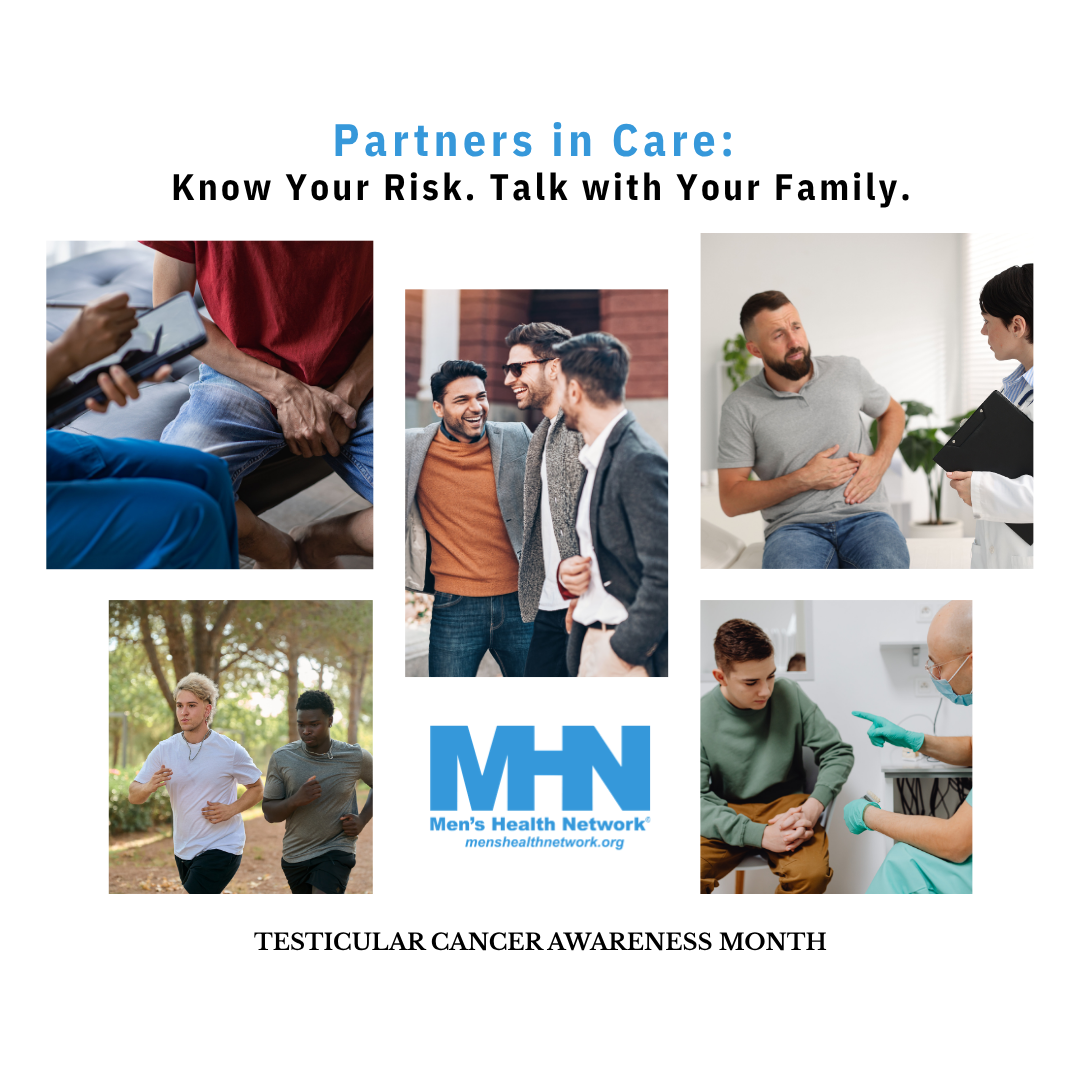
Testicular Cancer Awareness Month… Partners in Care: Know Your Risk. Talk with Your Family.

Testicular Cancer Awareness Month highlights the importance of early detection, education, and open conversations about a cancer that most often affects young men ages 15–35. With nearly 10,000 diagnoses each year in the United States and high survival rates when detected early, awareness and proactive health behaviors are critical. The theme, “Partners in Care: Know Your Risk. Talk with Your Family,” emphasizes the role families and communities play in supporting men’s health through communication, self-awareness, and early engagement with care.Continue reading

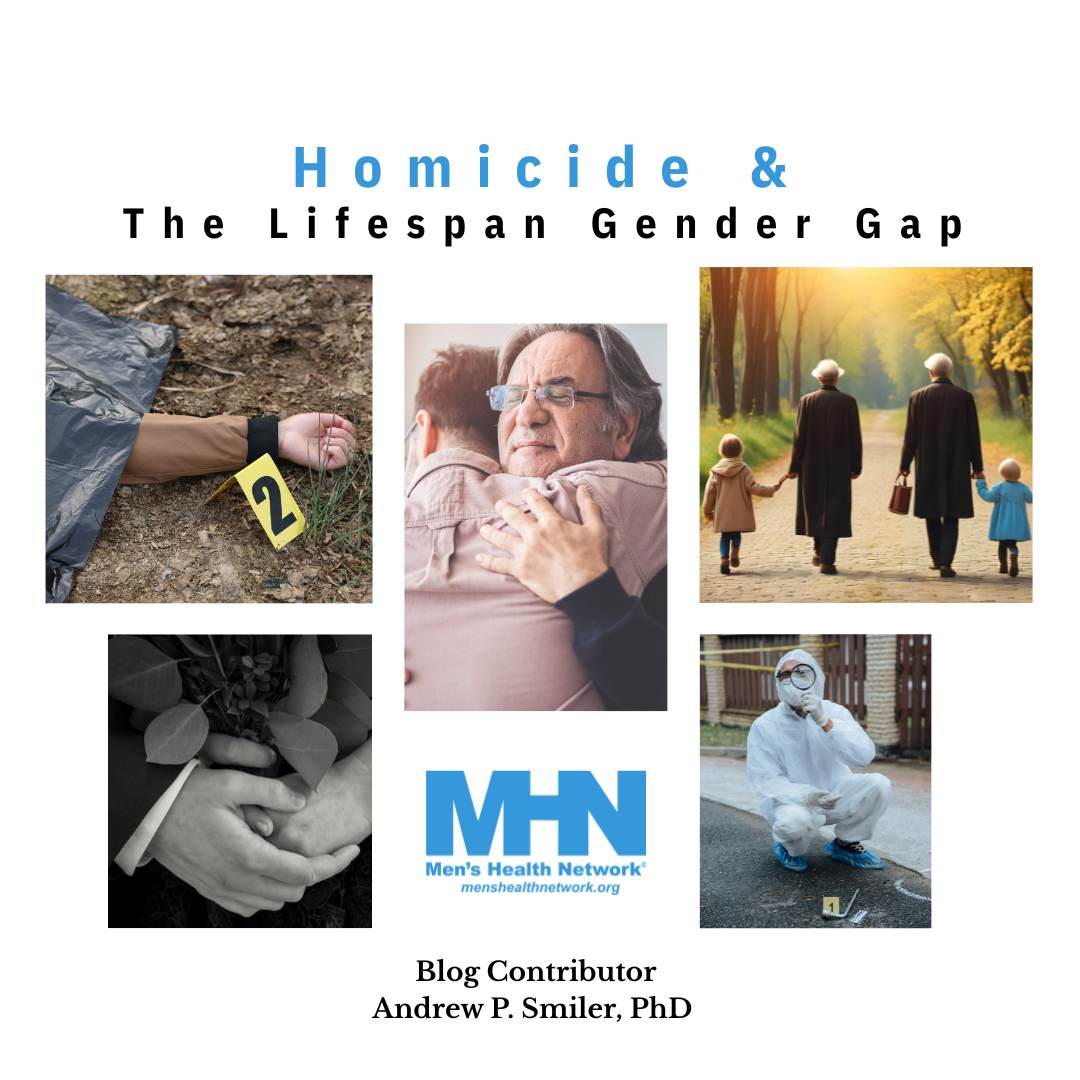
Homicide and the Lifespan Gender Gap

Summary: Men’s Health Network highlights how homicide contributes to the Lifespan Gender Gap—the nearly six-year difference in life expectancy between men and women. Each preventable death of a young man shortens the national average and represents lost potential, relationships, and community strength. In his article, Dr. Andrew Smiler examines data showing that men account for 80% of homicide victims, with most deaths occurring among young men under 35. Many are killed by people they know, often in moments of conflict or status-related tension. Smiler suggests that prevention begins with education—teaching boys and men how to resolve conflict, manage emotions, and de-escalate situations without violence. Men’s Health Network calls for greater empathy and early intervention to help young men live longer, healthier lives, reminding readers that every life saved helps close the gap and strengthen families and communities nationwide.Continue reading

Scroll to top