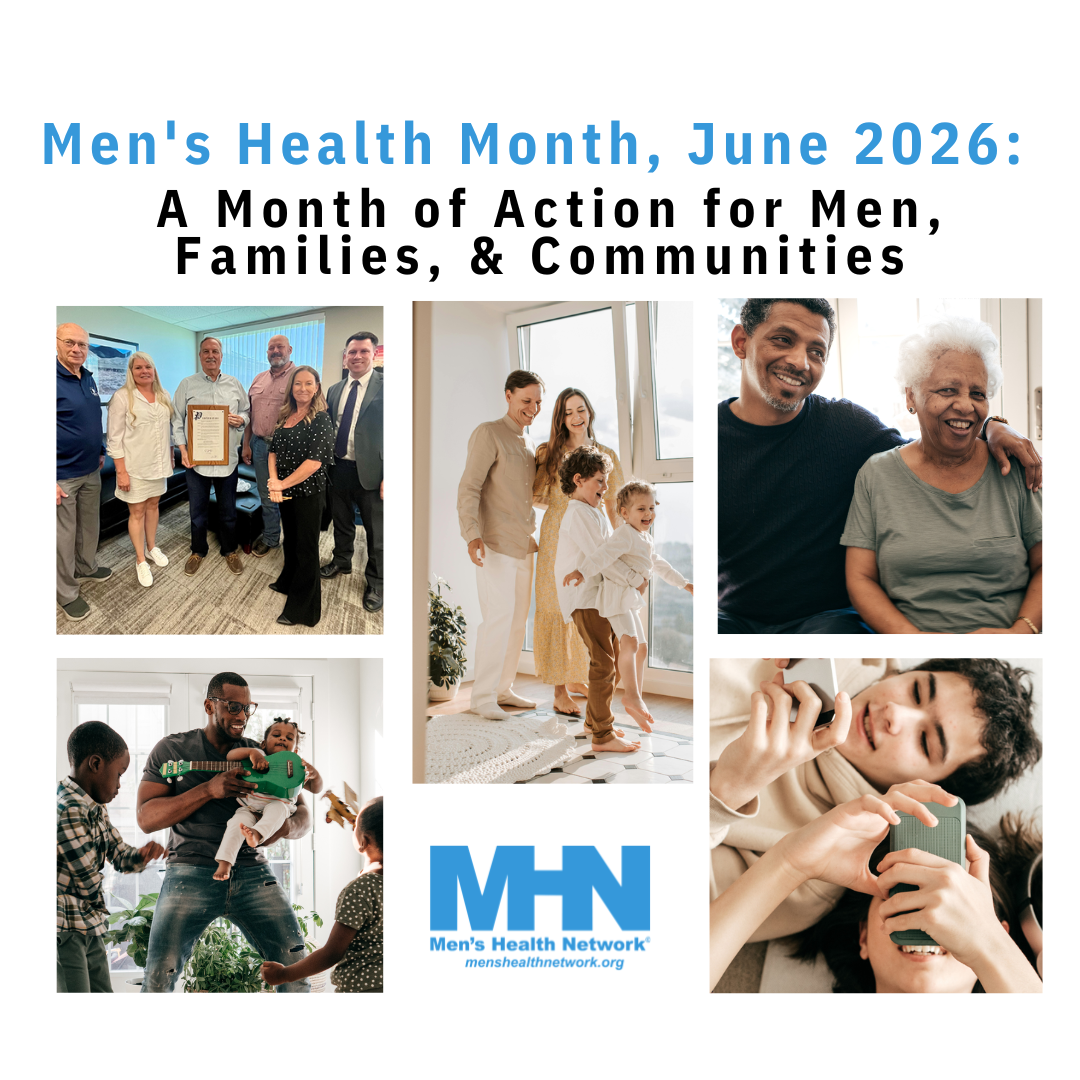
Men’s Health Month, June 2026:
A Month of Action for Men, Families, and Communities
Part I: National Leadership, Partnerships, and a Shared Commitment to Men’s Health
Every June, Men’s Health Month (MHM) and International Men’s Health Week (IMHW) both provide an opportunity to focus the nation’s attention on the health and wellbeing of men and boys. June is a great time to encourage preventive care, educate families, promote healthier lifestyles, support research, and strengthen partnerships that help improve health outcomes across the lifespan.
In June 2026, that mission came to life through the efforts of thousands of individuals and organizations across the U.S. Healthcare providers, researchers, employers, educators, elected officials, nonprofit organizations, volunteers, and community leaders all found ways to participate. Some hosted health fairs and screenings. Others shared educational resources, encouraged conversations about health, promoted healthy habits in the workplace, and some advocated for better public policy, or reminded the men in their lives that scheduling a routine checkup is one of the most important steps they can take.
MHM has always been about more than awareness. It is about action.
This year’s theme, Partners in Care: Advancing Men’s Health Through Connection, Education, & Advocacy Across the Lifespan — for Better Lifespans, reflected exactly that.
Better health outcomes happen when healthcare professionals, families, employers, policymakers, researchers, and community organizations work together toward a common goal.
The results of this year’s campaign reflected that shared commitment.
National Recognition Continued to Grow
One of the most visible accomplishments during MHM 2026 was the continued recognition from government leaders across the country.
This year, 170 official proclamations were issued recognizing MHM and Men’s Health Week (MHW), which is the full week leading up to and including Father’s Day in the U.S. These proclamations included a Presidential Message recognizing MHW and other proclamations from governors, state legislatures, counties, cities, municipalities, and local governments.
Each proclamation helps elevate men’s health as a public health priority while encouraging preventive care, routine screenings, healthier lifestyles, and conversations about the health challenges facing men and boys.
For MHN, these proclamations represent much more than ceremonial documents. They provide opportunities for local organizations, healthcare providers, employers, and community leaders to begin conversations that often continue long after June has ended.
Men’s Health Returned to Capitol Hill
Energy for men’s health was also evident in Washington, D.C. during June 2026.
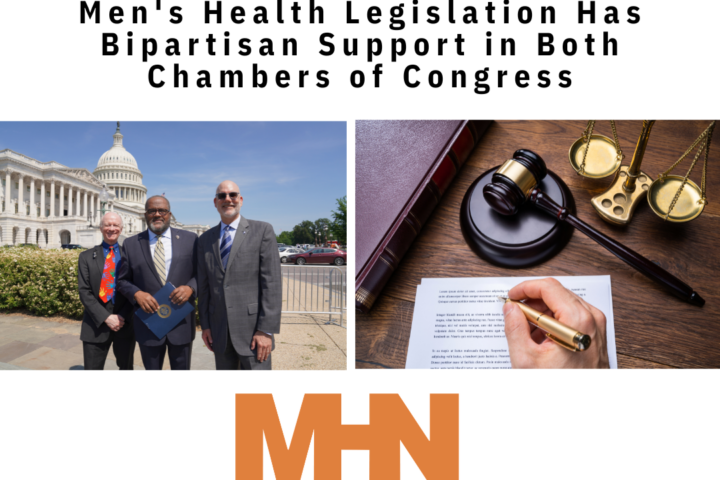
During MHM, Members of Congress, healthcare leaders, researchers, advocates, and public health professionals gathered for the 2026 Congressional Men’s Health Event and Congressional Men’s Health Caucus Panel Discussion to discuss ways to improve the health of men and boys through education, prevention, research, and public policy.
The event featured remarks from Congressman Rich McCormick, Congressman Troy Carter, Congressman Ted Lieu, and Congressman Rob Menendez before transitioning into panel discussions featuring experts from across the healthcare community.
The conversations covered many of the issues that continue to affect men and boys, including preventive care, chronic disease, cancer, mental health, health disparities, and opportunities to strengthen the nation’s approach to men’s health through evidence-based policy.
The event also reflected the continued bipartisan interest in improving men’s health and reinforced the importance of collaboration among policymakers, healthcare professionals, researchers, employers, nonprofit organizations, and patient advocates.
Here is a YouTube video showing the Congressional Men’s Health Caucus Panel Discussion, which took place during MHM 2026: https://www.youtube.com/watch?v=uIKVFv4AiP4
Building Resources & Strength for H.R. 7602
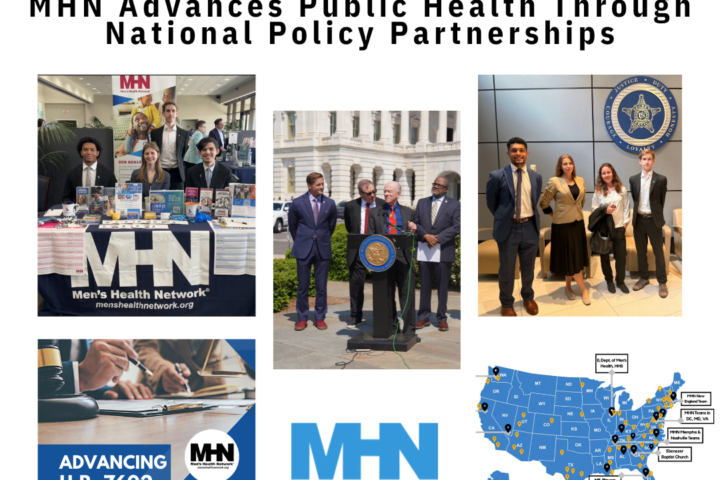
Another major development during MHM was the continued momentum surrounding H.R. 7602, the State of Men’s Health Act.
The legislation would direct the U.S. Department of Health and Human Services to conduct a comprehensive assessment of the state of men’s health in the United States while establishing an Office of Men’s Health within HHS.
The goal is straightforward:
Improve coordination, strengthen research, and ensure that the health challenges facing men and boys receive the attention they deserve.
Support for the legislation continued to expand throughout the month.
Organizations including the American Medical Association (AMA), American Urological Association (AUA), ZERO Prostate Cancer, MHN, and additional clinical and advocacy organizations publicly supported the legislation, reflecting a growing national coalition committed to improving men’s health outcomes.
While legislation alone cannot solve every challenge facing men’s health, it offers an important opportunity to improve coordination, strengthen prevention efforts, and ensure that future public health initiatives include men and boys in the conversation.
Partnerships Made the Difference
No single organization can improve men’s health alone.
That is why MHN continues to build partnerships across medicine, nursing, public health, academia, patient advocacy, business, government, and community organizations.
Throughout MHM, partners across the country incorporated men’s health into their outreach efforts by sharing educational materials, hosting awareness campaigns, promoting preventive care, and encouraging healthy behaviors in their communities.
Among those helping advance this year’s campaign was the American Sleep Apnea Association’s Apnea Partners (ASAP), which continues to work alongside MHN to improve education surrounding sleep apnea—one of the most common yet frequently undiagnosed health conditions affecting men. Together, MHN and ASAP have expanded patient education, developed new resources, and encouraged earlier recognition and treatment for sleep apnea.
Organizations such as the Caregiver Action Network helped emphasize the importance of family health history and caregiving, while the American Dental Hygienists’ Association reminded healthcare professionals that oral health visits often provide valuable opportunities to identify broader health concerns and encourage preventive care.
Many additional organizations, employers, universities, hospitals, health systems, advocacy groups, and public health agencies also participated throughout June by incorporating MHM into newsletters, websites, workplace wellness initiatives, community events, and educational programming.
Every partner reached a different audience, helping bring trusted men’s health information to communities that might otherwise never encounter it.
Recognizing the People Behind the Work
MHM is built upon the expertise and dedication of hundreds of professionals and volunteers who contribute throughout the year.
MHN is fortunate to be supported by an Advisory Board representing medicine, nursing, psychology, pharmacy, behavioral health, research, health policy, public health, and patient advocacy. Their expertise helps shape educational resources, public policy initiatives, research collaborations, and outreach efforts that benefit men and their families nationwide.
During 2026, special recognition is due to Dr. Julian Gallegos and Dr. Matt Curry, whose leadership has helped advance men’s health nursing and strengthen the clinical foundation supporting men’s health care. Working alongside colleagues across nursing and healthcare, their efforts continue to improve education, professional standards, and recognition of men’s health within clinical practice.
MHN also recognizes its volunteer Ambassadors, who represent the organization in communities throughout the country. These dedicated volunteers spend countless hours participating in health fairs, speaking with community members, supporting awareness campaigns, connecting individuals with educational resources, and serving as local champions for men’s health.
Whether serving on the Advisory Board, volunteering as an Ambassador, collaborating as a partner organization, or supporting MHN’s mission in countless other ways, these individuals remind us that improving men’s health is truly a team effort.
Part II: Communities in Action, Education, and Looking Ahead
While national leadership and public policy play an important role in improving men’s health, lasting change also happens at the community level. Throughout June, organizations, volunteers, businesses, schools, healthcare providers, and families found unique ways to encourage healthier lives for men and boys.
From fundraising challenges and Father’s Day celebrations to educational campaigns and local outreach, MHM reached communities in ways that reflected the diverse audiences MHN serves.
Communities Turned Awareness into Action
This year’s MHM included several community-led fundraising efforts that combined awareness with action.
At Binghamton University, members of the Rugby Football Club, led by Fundraising Chair Elijah Brown, launched a month-long challenge to collectively run 1,000 miles while raising funds and awareness for MHM. Approximately 20 to 25 student-athletes participated throughout June, tracking their progress on social media while encouraging conversations about men’s health both on campus and within the surrounding community.
The campaign raised $1,230 toward its $10,000 goal, with proceeds divided between MHN’s year-round education and advocacy efforts and the rugby program itself. While the fundraising goal remains open, the campaign succeeded in bringing together teammates, alumni, families, and supporters around a common purpose while encouraging healthy lifestyles and greater awareness of men’s health.
Across the country in Long Branch, New Jersey, Shoreline Harley-Davidson partnered with MHN during its Father’s Day Fuel & Flavor + Great American Ride celebration.
The event brought together motorcycle enthusiasts, local businesses, families, and community members for a day of live entertainment, food trucks, vendors, games, and a 50/50 raffle benefiting MHN. By incorporating MHM into an existing community celebration, the event reached individuals who may never have attended a traditional health fair while creating new opportunities to discuss preventive care and healthy living.
These events demonstrate an important lesson:
men’s health conversations do not have to happen exclusively in hospitals or clinics. They can happen wherever men gather—whether on college campuses, at community festivals, in workplaces, or during recreational events.
Expanding Health Education
Education remains at the heart of MHN’s mission, and MHM provided an opportunity to continue expanding the organization’s growing library of resources.
Throughout June, MHN promoted educational materials covering preventive care, chronic disease, cancer, cardiovascular health, sleep apnea, mental health, caregiving, healthy aging, and many other topics affecting men and their families.
One important resource continues to be My Cancer, My Plan, an educational initiative designed to help patients, survivors, caregivers, and families better understand the cancer journey. Through educational guides, expert interviews, podcasts, and online resources, the program encourages informed decision-making while helping individuals navigate diagnosis, treatment, survivorship, and long-term care.
MHN also continued expanding the Certified Men’s Health Educator (CMHE) program, equipping healthcare professionals, educators, advocates, and community leaders with evidence-based knowledge they can use to better serve men and boys within their own organizations and communities.
These programs represent MHN’s commitment to providing practical, accessible information that empowers individuals to take an active role in their health.
Sharing Men’s Health Through Media
Throughout MHM, MHN worked to ensure that educational information reached audiences well beyond those attending local events.
Three national press releases marked major milestones during the campaign, including the launch of MHM 2026, MHM with record proclamation support, and the start of the national Men’s Health Week / Father’s Day and International Men’s Health Week (IMHW).
Together, these announcements were distributed through national newswire services and made available through Google, Bing, Yahoo, AP News, and professional news databases used by journalists, healthcare organizations, researchers, and policymakers. They were also republished by hundreds of television stations, newspapers, online publications, and regional media outlets throughout the United States and internationally.
Media coverage throughout June also reflected increasing interest in preventive care, men’s mental health, prostate cancer, sleep health, chronic disease prevention, and public policy affecting men’s health.
A Month Shared by Many Voices
One of the most encouraging aspects of MHM 2026 was the number of organizations that chose to make men’s health part of their own outreach.
Throughout June, MHN highlighted the work of partners that shared educational resources, encouraged preventive care, and recognized MHM through newsletters, social media, community events, and workplace initiatives.
Healthcare organizations, employers, advocacy groups, universities, professional associations, and nonprofit organizations each reached their own audiences, helping expand the conversation far beyond MHN’s own platforms.
This collective effort reflects what MHM has always been intended to be, not a campaign led by one organization, but a nationwide movement supported by people who recognize that healthier men strengthen families, workplaces, and communities.
Looking Ahead
Although June has ended, the work continues every day of the year.
MHN will continue collaborating with healthcare providers, researchers, employers, government agencies, nonprofit organizations, educators, and community leaders to expand educational resources, strengthen partnerships, support evidence-based public policy, and encourage more men to seek preventive care before health concerns become health crises.
The organization also looks forward to continuing work with its Advisory Board, Ambassadors, national partners, and supporters as new educational initiatives, research collaborations, and public awareness campaigns are launched throughout the remainder of 2026.
MHM may last only thirty days, but its impact extends far beyond the calendar.
Thank You
To everyone who participated in MHM 2026, thank you.
Thank you to the elected officials who issued proclamations and recognized men’s health in their states and communities.
Thank you to the Members of Congress who participated in the Congressional Men’s Health Event and Congressional Men’s Health Caucus Panel Discussion.
Thank you to the healthcare professionals, researchers, educators, and advocates who continue advancing men’s health through clinical care, research, education, and public policy.
Thank you to organizations including the American Medical Association, American Urological Association, ZERO Prostate Cancer, the American Sleep Apnea Association’s Apnea Partners, Caregiver Action Network, the American Dental Hygienists’ Association, and the many additional organizations that incorporated MHM into their outreach.
Thank you to MHN’s Advisory Board and Ambassador for sharing their expertise, leadership, and passion with communities across the country.
Thank you to the Binghamton University Rugby Football Club, Shoreline Harley-Davidson, and every organization that found creative ways to raise awareness and support men’s health in their own communities.
Most importantly, thank you to every individual who shared a resource, attended an event, scheduled a checkup, encouraged a friend or family member to seek care, volunteered, donated, or simply started a conversation.
Every conversation matters.
Every partnership matters.
Every action matters.
Together, we continue building a future where more men and boys have the knowledge, support, and opportunities they need to live longer, healthier lives.