This advocacy op-ed argues that health education and preventive care programs should be expanded within correctional facilities to address the significant health disparities experienced by incarcerated men and boys. The article highlights how improved health literacy, chronic disease management, mental health awareness, and continuity of care can lead to better health outcomes, reduced healthcare costs, and stronger community reintegration. It emphasizes that voluntary, ethically implemented health education programs are a practical public health investment that benefits both incarcerated individuals and society as a whole.Continue reading
Tag: chronic disease prevention
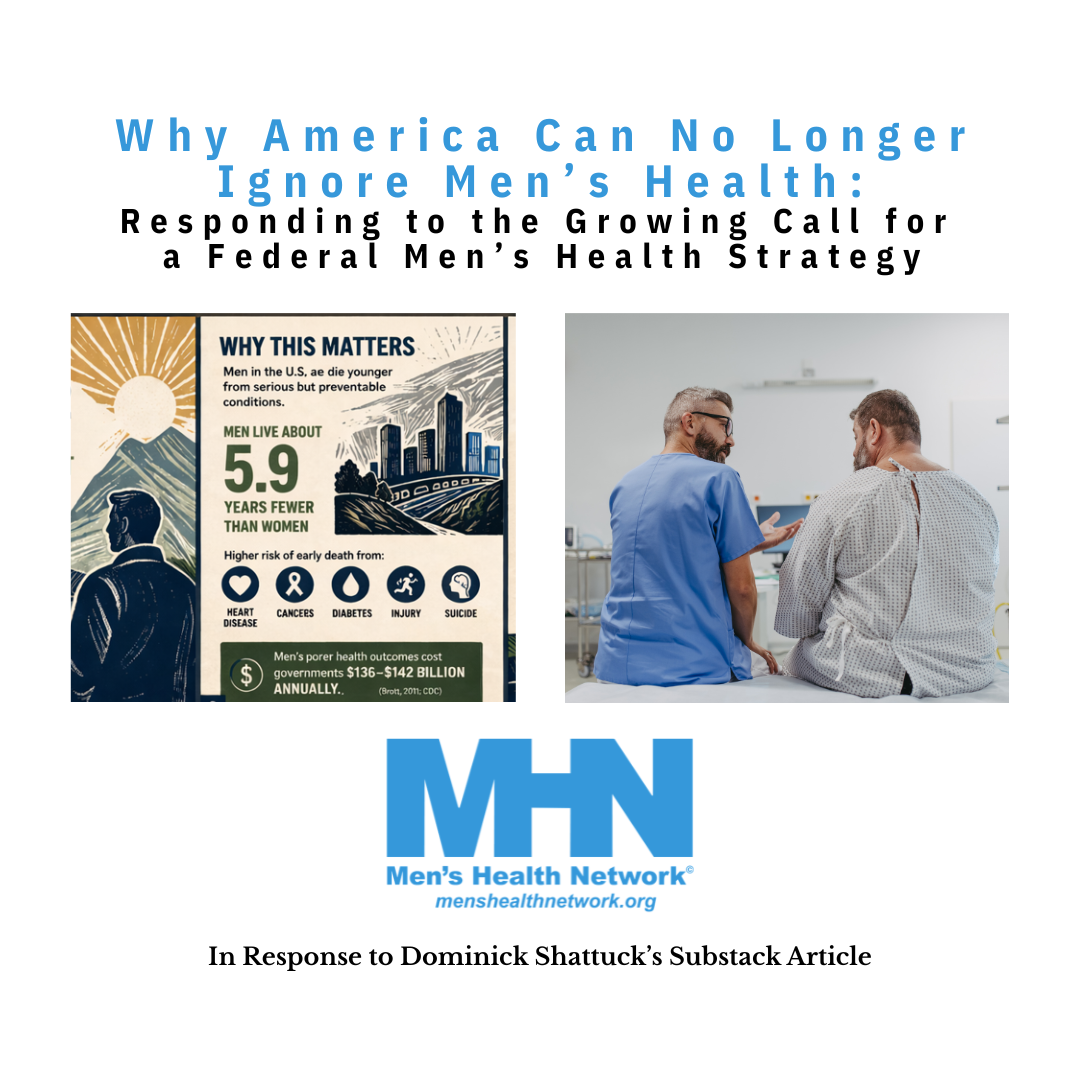
Why America Can No Longer Ignore Men’s Health: Responding to the Growing Call for a Federal Men’s Health Strategy
This response article examines the growing national conversation around men’s health policy through the lens of Dr. Dominick Shattuck’s Substack post, “Why the U.S. Needs a Federal Strategy on Men’s Health.” The blog explores the nearly six-year Lifespan Gender Gap between men and women, highlighting how preventable conditions such as heart disease, cancer, diabetes, injury, and suicide continue contributing to premature mortality among men. It discusses the structural, cultural, and healthcare-system barriers that often prevent men from engaging in preventive care early, including stigma, medical mistrust, workplace pressures, and norms surrounding self-reliance. The article also analyzes the proposed H.R. 7602 — State of Men’s Health Act, which would establish a national study on men’s health disparities and create an Office of Men’s Health within HHS to coordinate prevention and public awareness efforts. Throughout the piece, the response emphasizes that improving men’s health outcomes is not a zero-sum issue, but rather a broader public health, workforce, family, and community issue that benefits society as a whole through stronger preventive care, earlier intervention, and improved healthcare engagement.Continue reading

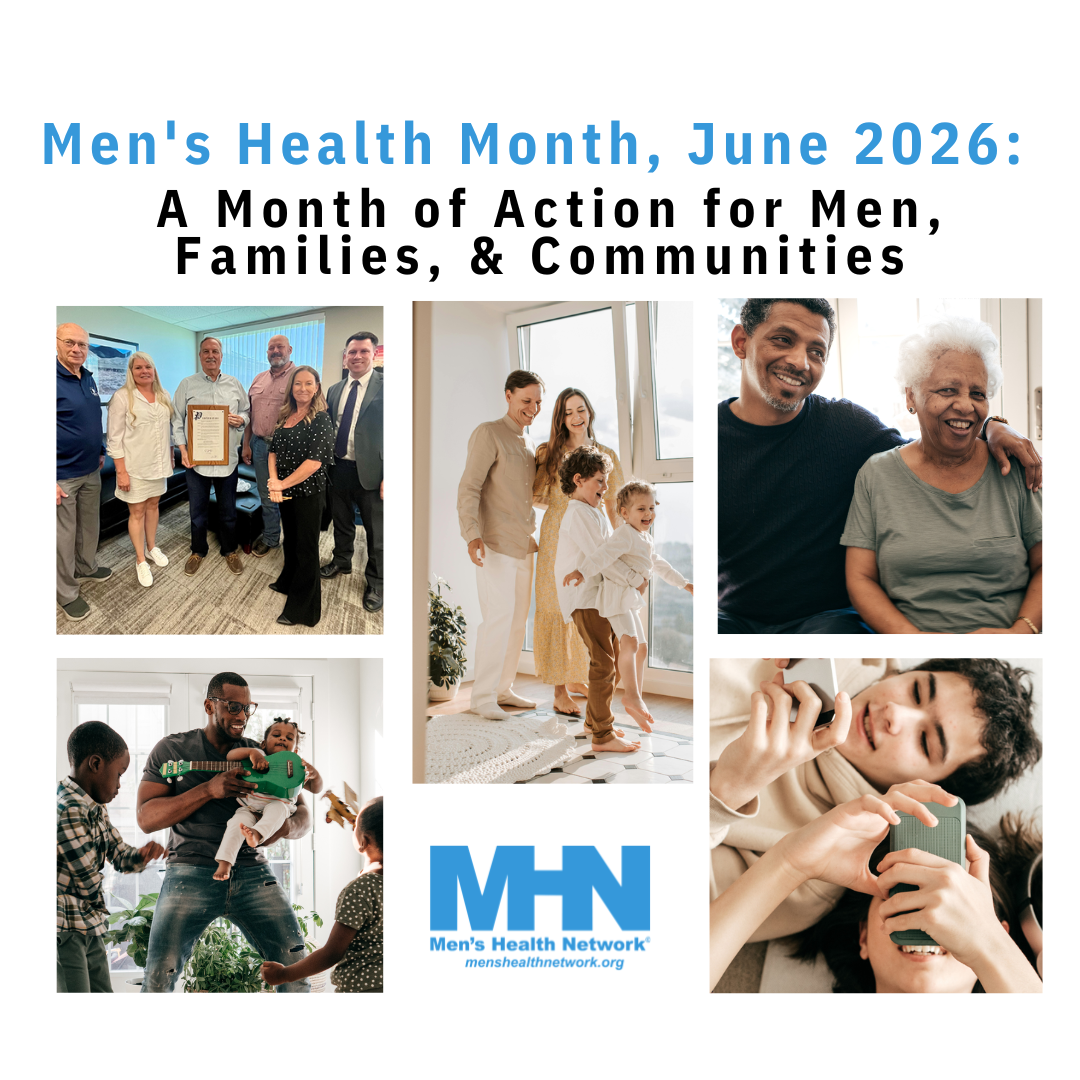
Men’s Health Month, June 2026: A Month of Action for Men, Families, & Communities
Men's Health Month 2026 brought together healthcare organizations, policymakers, community leaders, employers, volunteers, and advocates from across the country to improve the health and well-being of men and boys. From 170 official proclamations and a Congressional Men's Health Event on Capitol Hill to community fundraisers, educational initiatives, and national partnerships, this year's campaign highlighted the power of collaboration in advancing men's health. As June comes to a close, Men's Health Network reflects on the month's accomplishments and looks ahead to continuing this important work throughout the year.Continue reading
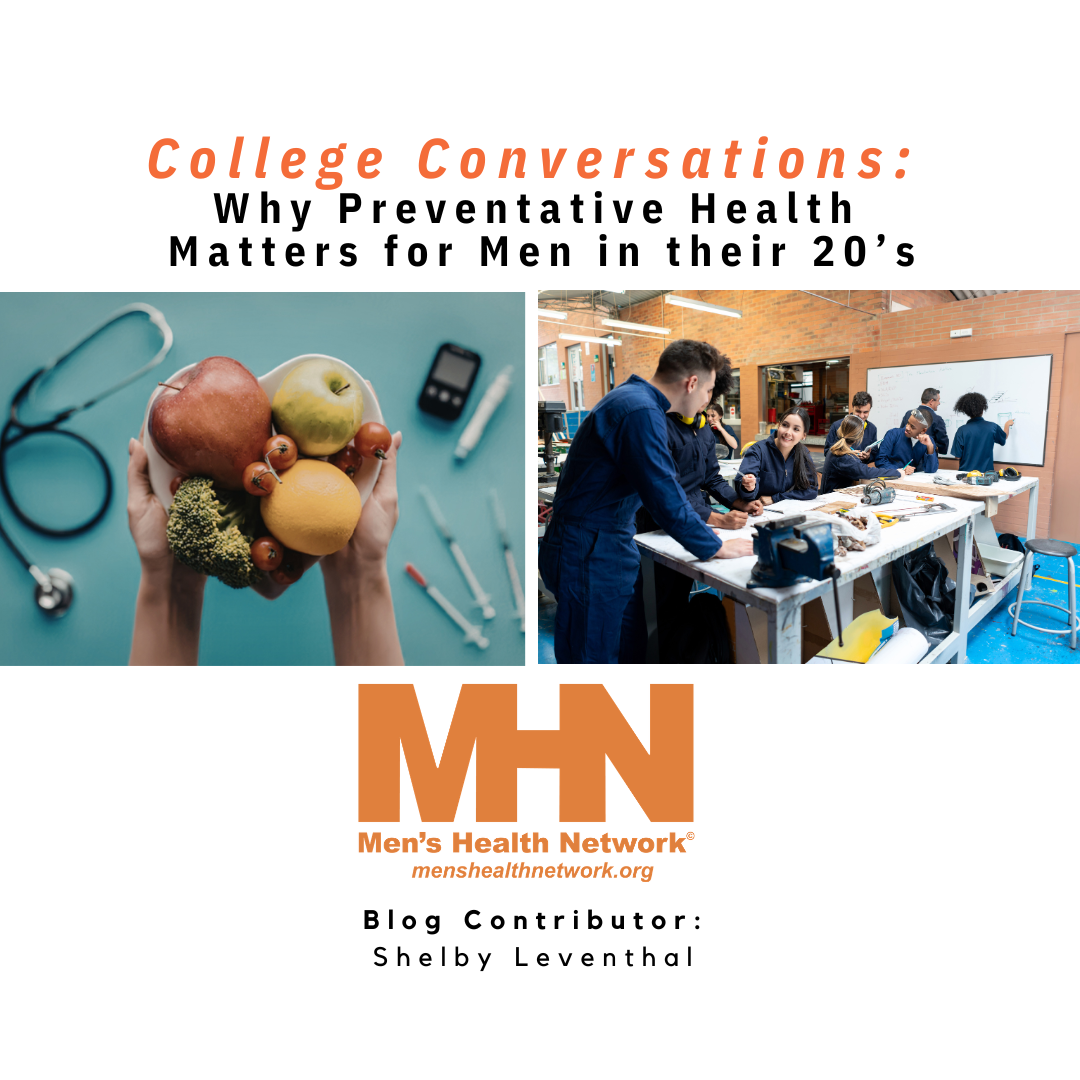
A College Perspective: Why Preventative Health Matters for Men in their 20’s
This blog highlights the importance of preventative healthcare for young men, emphasizing how stigma, busy college lifestyles, and “tough it out” mentalities often lead to neglecting routine care. It encourages building healthy habits early, prioritizing regular checkups, and fostering open conversations about men’s health to support long-term well-being. Continue reading
Illinois Leads the Nation in Men’s Health: A Closer Look at the 2025 Men’s Health Assessment
Illinois is leading the nation in men’s health by becoming one of the only states with a dedicated Men’s Health Section within its Department of Public Health. The newly released Men’s Health Assessment 2025, authored by Andrew Lerch, DPT, PT, provides a comprehensive, data-driven look at the health challenges facing men across the state. This landmark report highlights disparities, identifies priority areas for action, and offers a blueprint for how states can integrate men’s health into public health strategy, policy, and practice.Continue reading
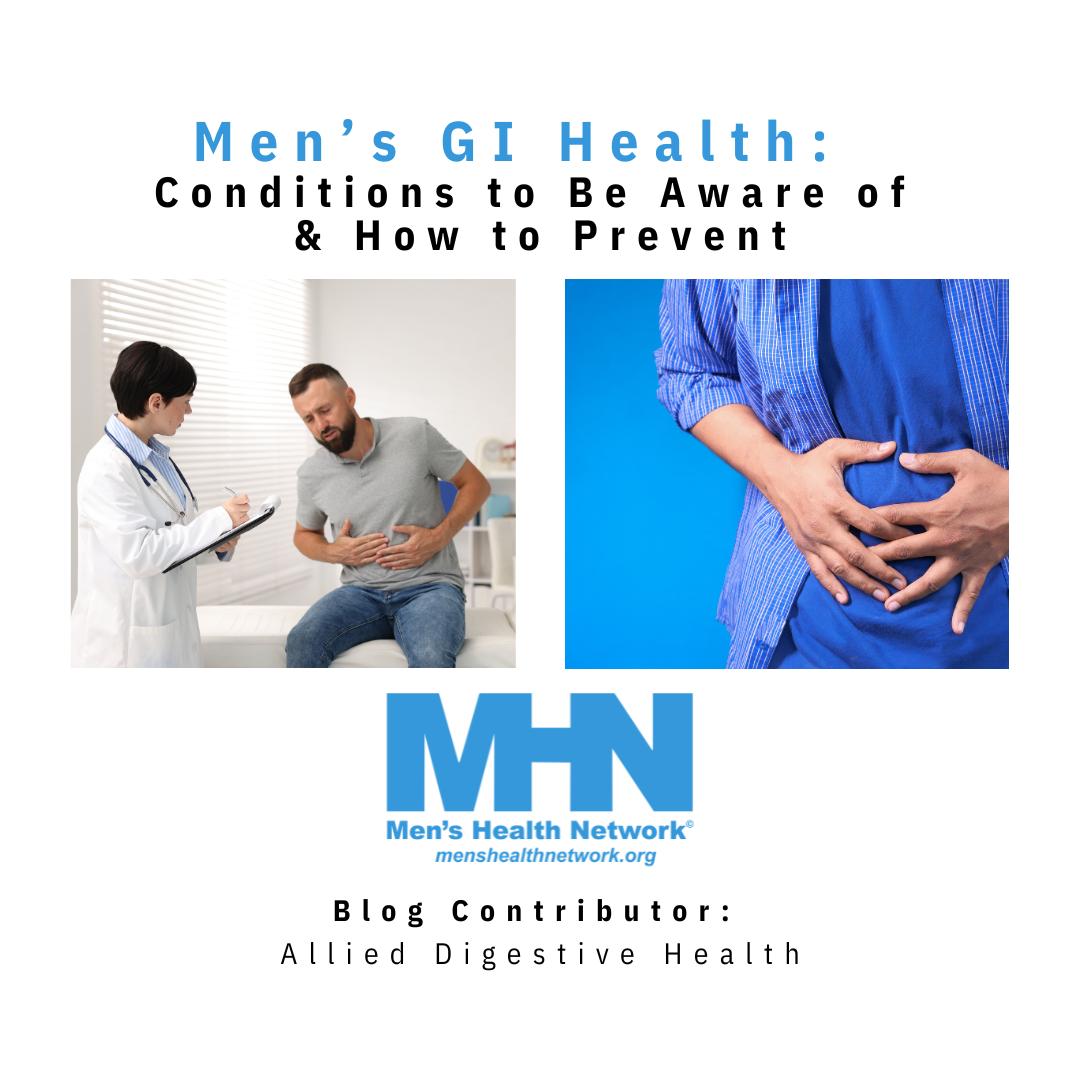
Men’s GI Health: Conditions to Be Aware of and How to Prevent
Men often overlook GI health, but digestive issues can affect overall wellness and may signal serious conditions like IBD, GERD, liver disease, or colorectal cancer. Key warning signs include persistent abdominal pain, bowel changes, unexplained weight loss, and blood in the stool. Prevention centers on a healthy diet, exercise, limiting alcohol, avoiding smoking, and managing stress. Routine screenings—especially colonoscopies starting at age 45—are essential. Early detection and healthy habits can significantly reduce the risk of serious GI disease.Continue reading