
Testicular Cancer Awareness Month…
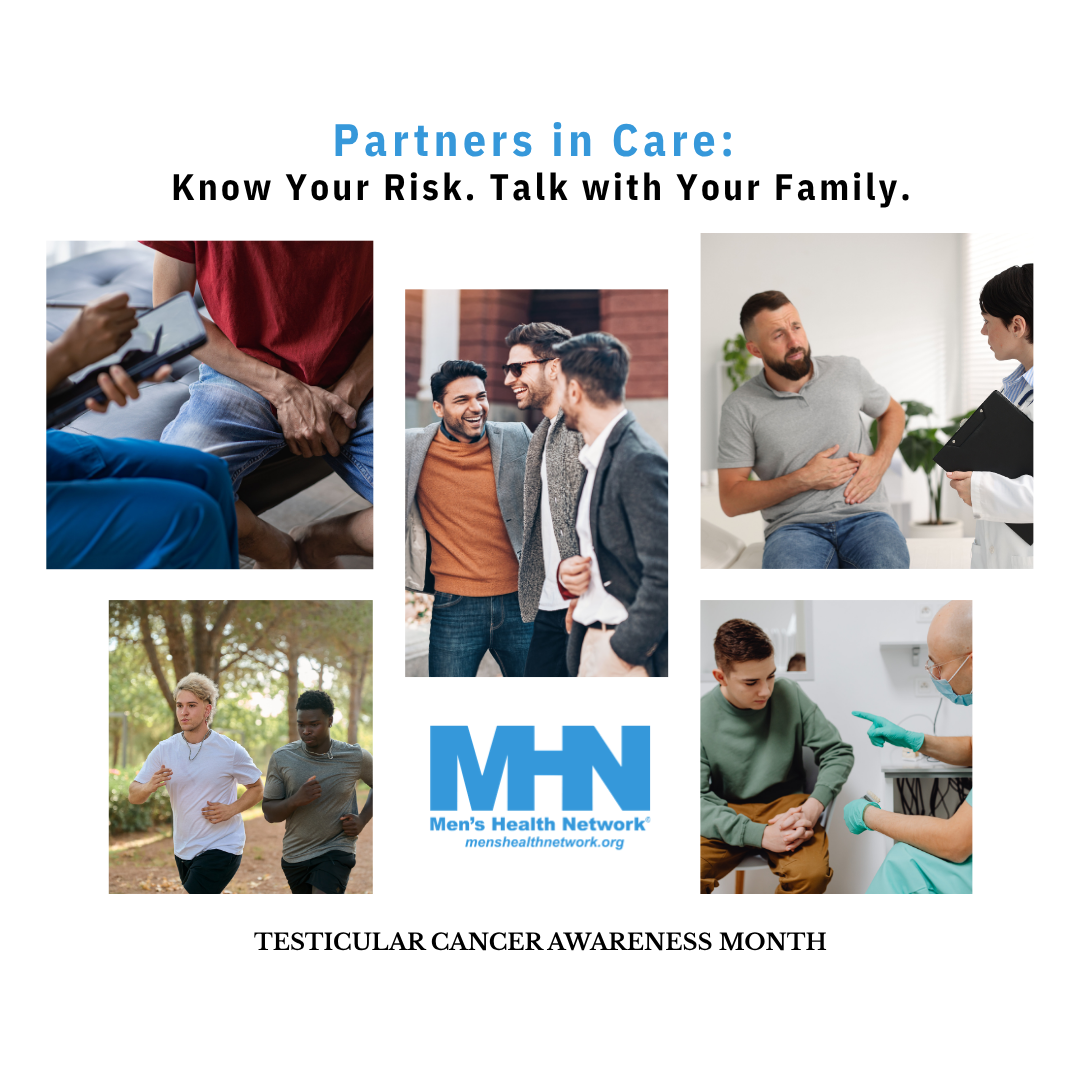
Partners in Care: Know Your Risk. Talk with Your Family.
Each April, Testicular Cancer Awareness Month (TCa) serves as a national reminder of the importance of early detection, education, and open conversations that help men better understand their health.
Testicular cancer is relatively rare, but its impact is uniquely significant because it most often affects men early in life. Commonly referred to as a young man’s disease, testicular cancer primarily affects those between the ages of 15 and 35, a time when many young men are establishing independence, navigating education or careers, and often not yet fully engaged with preventive healthcare.
In the United States, nearly 10,000 men are diagnosed with testicular cancer each year, and approximately 460 deaths occur annually. The encouraging reality is that survival rates are very high when the disease is detected early, making awareness, education, and proactive health behaviors critically important.
This year’s theme, “Partners in Care: Know Your Risk. Talk with Your Family,” reinforces a key truth in men’s health: no one navigates health alone.
Why Early Awareness Matters
One of the greatest challenges in addressing testicular cancer is not necessarily treatment, but awareness.
Because it affects younger men, testicular cancer often develops at a stage of life when individuals may not be routinely visiting healthcare providers or thinking about long-term health risks. Preventive care habits may not yet be established, and conversations about personal health can feel unfamiliar or even uncomfortable.
This is where awareness becomes powerful.
Understanding what is normal, recognizing changes, and feeling confident enough to speak up are all critical steps in early detection. Monthly self-exams, while simple, can play a significant role in helping men become more familiar with their bodies and identify potential concerns early.
Equally important is the role of communication. Talking with a healthcare provider about symptoms, concerns, or family history can help ensure that any issues are addressed quickly and effectively.
Early detection does not just improve outcomes — it saves lives.
Partners in Care: A Shared Responsibility
Men’s health does not exist in isolation. It is shaped by relationships, environments, and the people who surround us.
This year’s theme, “Partners in Care,” highlights the importance of shared responsibility when it comes to health awareness and support.
Families, partners, friends, coaches, teachers, and healthcare providers all play a role in helping young men understand their health and feel supported in seeking care. For many young men, these trusted individuals are often the first line of encouragement when it comes to recognizing symptoms or taking action.
“Encouraging young men to understand their health and speak openly about concerns helps create a culture where prevention and early detection become the norm,” said Jennifer Thompson, Vice President of Operations & Communications at Men’s Health Network.
Creating that culture starts with conversation.
Talking about health does not have to be complicated. It can begin with simple check-ins, discussions about family health history, or sharing trusted resources. These conversations help normalize health awareness and reduce the stigma that can sometimes prevent men from speaking up.
Understanding Risk and Recognizing Signs
Education is a key component of awareness. Knowing what to look for and understanding potential risk factors can help men and their families take a more proactive approach to health.
Common symptoms of testicular cancer may include:
- A painless lump or swelling in a testicle
- Changes in size or shape
- A feeling of heaviness
- Discomfort or aching in the lower abdomen or groin
While these symptoms do not always indicate cancer, they should always be discussed with a healthcare provider.
Certain risk factors may also increase the likelihood of developing testicular cancer, including:
- Family history of testicular cancer
- Undescended testicles
- Genetic predispositions
Understanding these risks allows individuals and families to stay informed and take appropriate action when needed.
Building Lifelong Health Habits
Testicular Cancer Awareness Month is not only about one disease. It is part of a broader effort to improve men’s health across the lifespan.
Encouraging young men to engage with their health early helps establish habits that carry into adulthood. Learning to recognize changes, communicate concerns, and seek care are foundational behaviors that contribute to long-term health outcomes.
This approach also connects to a larger issue: the Lifespan Gender Gap, where men in the United States die on average nearly six years earlier than women.
Addressing this gap requires earlier engagement, better awareness, and stronger support systems — all of which begin with education and conversation.
When we support men’s health early, we are not just addressing one condition. We are building a foundation for healthier futures.
How You Can Get Involved
Testicular Cancer Awareness Month provides an opportunity for individuals, organizations, and communities to take meaningful action.
There are several ways to get involved:
Start the Conversation
Talk with family members, friends, or colleagues about men’s health and the importance of early detection.
Encourage Self-Awareness
Promote monthly self-checks and awareness of physical changes.
Share Educational Resources
Distribute trusted information through social media, workplaces, schools, and community groups.
Engage Your Community
Host or participate in awareness events, discussions, or educational initiatives focused on men’s health.
Take Action Today
Men’s Health Network encourages individuals and organizations to take an active role in supporting Testicular Cancer Awareness Month and advancing men’s health.
Download the Testicular Cancer Awareness Month Toolkit
Access ready-to-use resources, educational materials, and social media content to help spread awareness:
👉 https://www.testicularcancerawarenessmonth.com
Shop Awareness & Educational Materials
Support outreach efforts with flyers, posters, brochures, and event materials:
👉 https://menshealthnetwork.org/?s=testicular+cancer&post_type=product&type_aws=true
Support the Mission
Help Men’s Health Network continue its work in education, advocacy, and outreach:
👉 https://menshealthnetwork.org/donate/
Building a Culture of Awareness
Testicular Cancer Awareness Month is about more than statistics. It is about creating a culture where men feel supported in understanding their health, speaking openly, and taking action.
When families start conversations, when communities share resources, and when individuals take small steps toward awareness, those actions add up.
Together, we can build a future where prevention and early detection are not the exception, but the expectation.