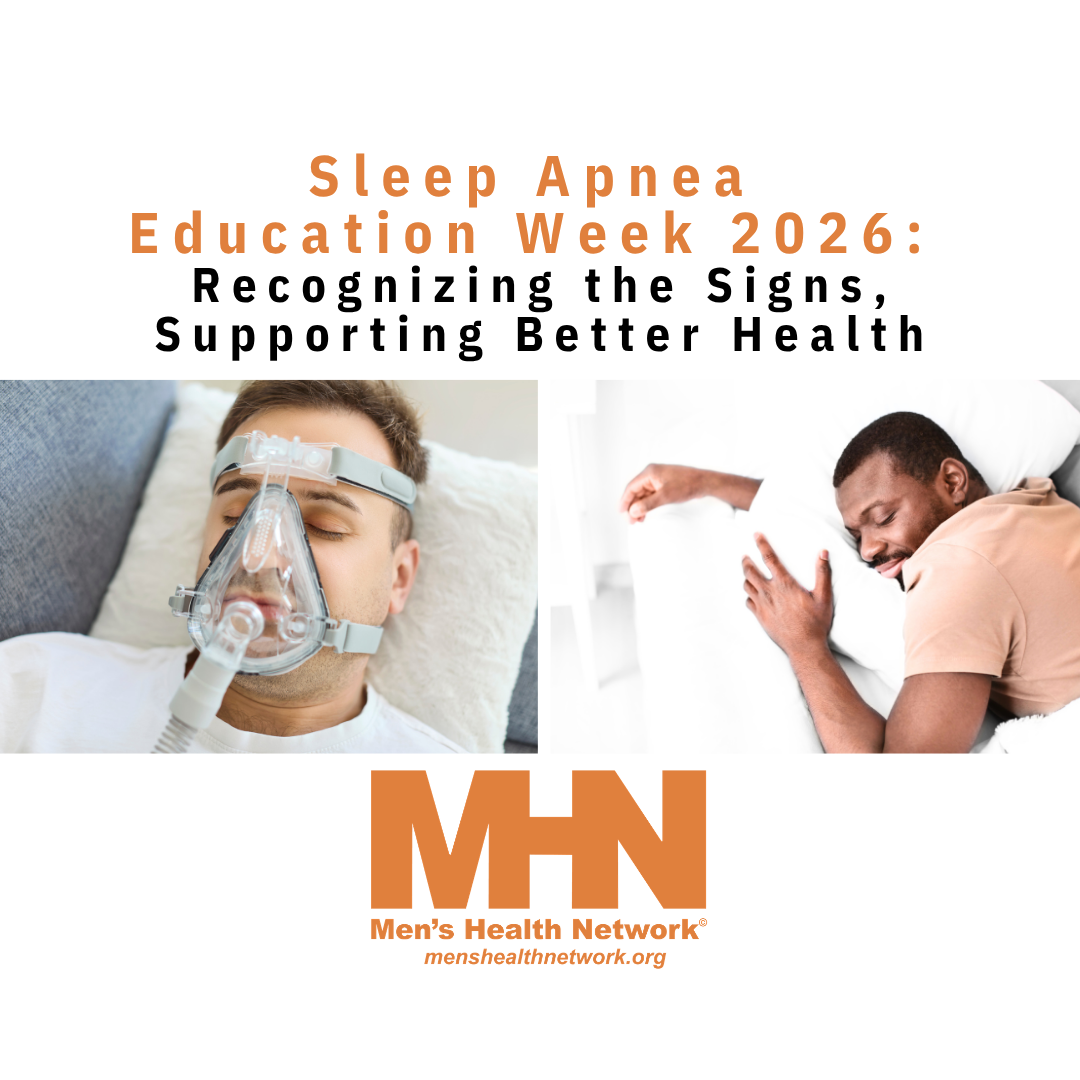
Sleep Apnea Education Week 2026:
Recognizing the Signs, Supporting Better Health
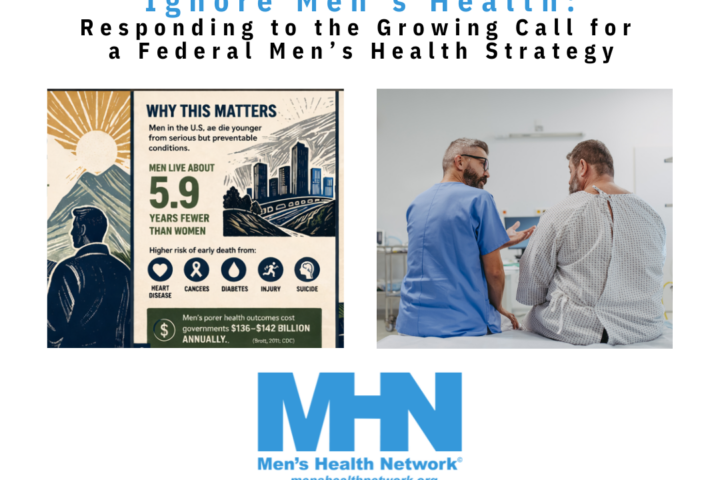
Next week, from April 18–26, 2026, Sleep Apnea Education Week serves as an important reminder to recognize and address a condition that is often underdiagnosed, particularly among men. While sleep is a fundamental part of overall health, sleep disorders like sleep apnea are frequently overlooked, dismissed, or misunderstood—despite their significant impact on daily life and long-term well-being.
Sleep apnea is more than just poor sleep. It is a serious health condition that can affect breathing, energy levels, mental clarity, and even cardiovascular health. Increasing awareness during Sleep Apnea Education Week helps normalize conversations around sleep and encourages individuals to take action toward better health.
What Is Sleep Apnea?
Sleep apnea is a disorder in which breathing repeatedly stops and starts during sleep. These interruptions can occur dozens or even hundreds of times per night, often without the individual being fully aware.
The most common form, obstructive sleep apnea (OSA), occurs when the muscles in the throat relax too much during sleep, temporarily blocking the airway. This disruption prevents the body from getting enough oxygen and forces the brain to wake the body briefly to resume breathing.
Over time, these repeated interruptions take a toll on the body.
Why Sleep Apnea Matters
Sleep apnea is not just about feeling tired. It is closely linked to a range of serious health risks, many of which are already prevalent in men.
Untreated sleep apnea has been associated with:
- Cardiovascular disease
- High blood pressure
- Increased risk of stroke
- Diabetes and metabolic issues
- Chronic fatigue and reduced daily functioning
For many men, these risks are compounded by the fact that symptoms may go unrecognized or unaddressed for years.
Fatigue, for example, is often normalized as part of a busy lifestyle, demanding job, or aging. Loud snoring may be dismissed as harmless or even joked about. However, these can be key indicators of an underlying condition that deserves attention.
Recognizing the Signs
One of the challenges in addressing sleep apnea is that symptoms often occur during sleep, making them easy to overlook. However, there are several common signs that individuals and their partners can watch for:
- Loud, persistent snoring
- Gasping or choking during sleep
- Daytime fatigue or excessive sleepiness
- Difficulty concentrating or memory issues
- Morning headaches
- Disrupted or restless sleep
Partners and family members often play a critical role in identifying these symptoms, as they may notice patterns that the individual does not.
This reinforces an important idea: health is often a shared experience.
Men’s Health and Sleep Apnea
Sleep apnea is particularly important to address within the broader context of men’s health.
Men are more likely to experience sleep apnea, yet they are often less likely to seek care or discuss symptoms. Cultural expectations, time constraints, and a tendency to delay preventive care can all contribute to underdiagnosis.
At the same time, many of the health risks associated with sleep apnea—such as cardiovascular disease—are leading contributors to the Lifespan Gender Gap, where men on average die years earlier than women.
Addressing sleep apnea is not just about improving sleep. It is about improving long-term health outcomes, reducing risk, and supporting better quality of life.
The Importance of Screening and Diagnosis
One of the key goals of Sleep Apnea Education Week is to encourage individuals to take the next step: getting screened.
If symptoms are present, speaking with a healthcare provider is an important first step. Providers may recommend a sleep study, which can be conducted in a clinical setting or, in some cases, at home.
Diagnosis is critical because it opens the door to treatment—and effective treatment can make a significant difference.
Treatment and Management
The good news is that sleep apnea is highly treatable.
Common treatment options include:
- Continuous Positive Airway Pressure (CPAP) therapy
- Oral appliances designed to keep the airway open
- Lifestyle changes such as weight management or sleep positioning
- In some cases, medical or surgical interventions
While treatment approaches may vary, the goal is the same: restore consistent breathing during sleep and improve oxygen flow throughout the night.
Many individuals who begin treatment report noticeable improvements in energy, focus, and overall quality of life.
Changing the Conversation Around Sleep
Efforts like Sleep Apnea Education Week are about more than awareness—they are about shifting how we think and talk about sleep.
Sleep is often treated as secondary to productivity, responsibilities, or daily demands. However, quality sleep is foundational to physical health, mental well-being, and long-term resilience.
By normalizing conversations around sleep health, we create opportunities for individuals to recognize symptoms, seek care, and support one another in making healthier choices.
Partners, families, and communities all play a role in this process. Encouraging someone to seek evaluation, asking about sleep habits, or sharing information can be the first step toward meaningful change.
A Shared Approach to Better Health
Sleep Apnea Education Week reinforces a broader message in men’s health: prevention and early action matter.
When individuals understand the signs, feel supported in seeking care, and have access to resources, they are more likely to take proactive steps toward better health.
This aligns with a growing movement to build awareness earlier in life, support ongoing health engagement, and address conditions before they lead to more serious outcomes.
Learn More and Take Action
Men’s Health Network encourages individuals, families, and organizations to use Sleep Apnea Education Week as an opportunity to learn more, start conversations, and support better sleep health.
👉 Learn more through the Alliance of Sleep Apnea Partners (ASAP):
https://www.apneapartners.org
By increasing awareness and encouraging action, we can help ensure that sleep apnea is recognized, addressed, and treated—supporting healthier lives and stronger communities.
Building Healthier Futures Through Awareness
Sleep apnea may be common, but it should never be ignored.
Recognizing the signs, encouraging screening, and supporting treatment can lead to meaningful improvements in daily life and long-term health outcomes.
During Sleep Apnea Education Week, and throughout the year, we have an opportunity to bring sleep health into the conversation—where it belongs.