💓 Listen to Your Heart:
Elevating Heart Valve Disease Awareness During Heart Health Month
February is American Heart Health Month, a time when communities across the country rally behind the mission to prevent heart disease — the leading cause of death in the U.S. Yet among the many heart conditions that deserve attention, Heart Valve Disease (HVD) remains one of the most under-recognized and under-discussed.*
That’s why the annual effort around Heart Valve Disease Awareness Day, observed on February 22, is so critical. Partnering with national organizations like the Alliance for Aging Research, this day and the month that surrounds it are about empowering people with knowledge, tools, and resources to take action — because early detection and treatment can save lives.(Alliance for Aging Research)
❤️ What Is Heart Valve Disease — and Why It Matters
Your heart has four valves that open and close with each beat, ensuring unidirectional blood flow through your heart and out to the rest of your body. When one or more of these valves don’t function properly, this is called heart valve disease.
Heart valve disease can affect people of all ages. While some forms are mild and may never require intervention, others can lead to serious complications — including heart failure, arrhythmia, stroke, and even death. Despite this, as many as 15.3 million Americans have heart valve disease — yet the majority know little or nothing about it.(Heart Valve Disease Awareness Day)
Heart valve disease becomes more common with age; for example, research shows that 1 in 5 adults over age 65 has the condition. The challenge is that many people do not experience symptoms until the disease has progressed, and symptoms — such as fatigue, shortness of breath, or dizziness — are often mistaken for normal signs of aging.(Social Press Kit)
That’s why awareness is not just educational — it’s potentially lifesaving.
🌍 Heart Valve Disease Awareness Day: A Day with Purpose
Observed every February 22 during American Heart Month, Heart Valve Disease Awareness Day is a focused opportunity to spotlight risk factors, highlight signs and symptoms, and promote early detection and treatment.(Alliance for Aging Research)
Launched in 2017 and now in its 10th year, the campaign has reached hundreds of millions of people nationwide — thanks to partners, advocates, clinicians, survivors, and health organizations amplifying its message.(Social Press Kit)
This awareness effort isn’t just a date on the calendar. It’s a call to action — to learn, share, and talk about heart valve disease — because awareness fuels early diagnosis, lives saved, and healthier communities.
💡 Risk Factors Everyone Should Know
Understanding who is at higher risk for heart valve disease can empower individuals and clinicians to take proactive steps. Some of the most common risk factors include:
- Age — Risk rises significantly after age 65.(Social Press Kit)
- Cardiovascular history — Previous heart attacks, high blood pressure, and high cholesterol.(Social Press Kit)
- Diabetes and metabolic conditions.(Social Press Kit)
- Congenital valve abnormalities.(Social Press Kit)
- Infections such as endocarditis.(Social Press Kit)
- Cancer treatments like chest-targeted radiation.(Social Press Kit)
While these factors raise the likelihood of developing valve disease, no one should assume symptoms are “just part of aging.” Many people with early disease remain unaware until detection through routine physical exams, including listening to the heart with a stethoscope.
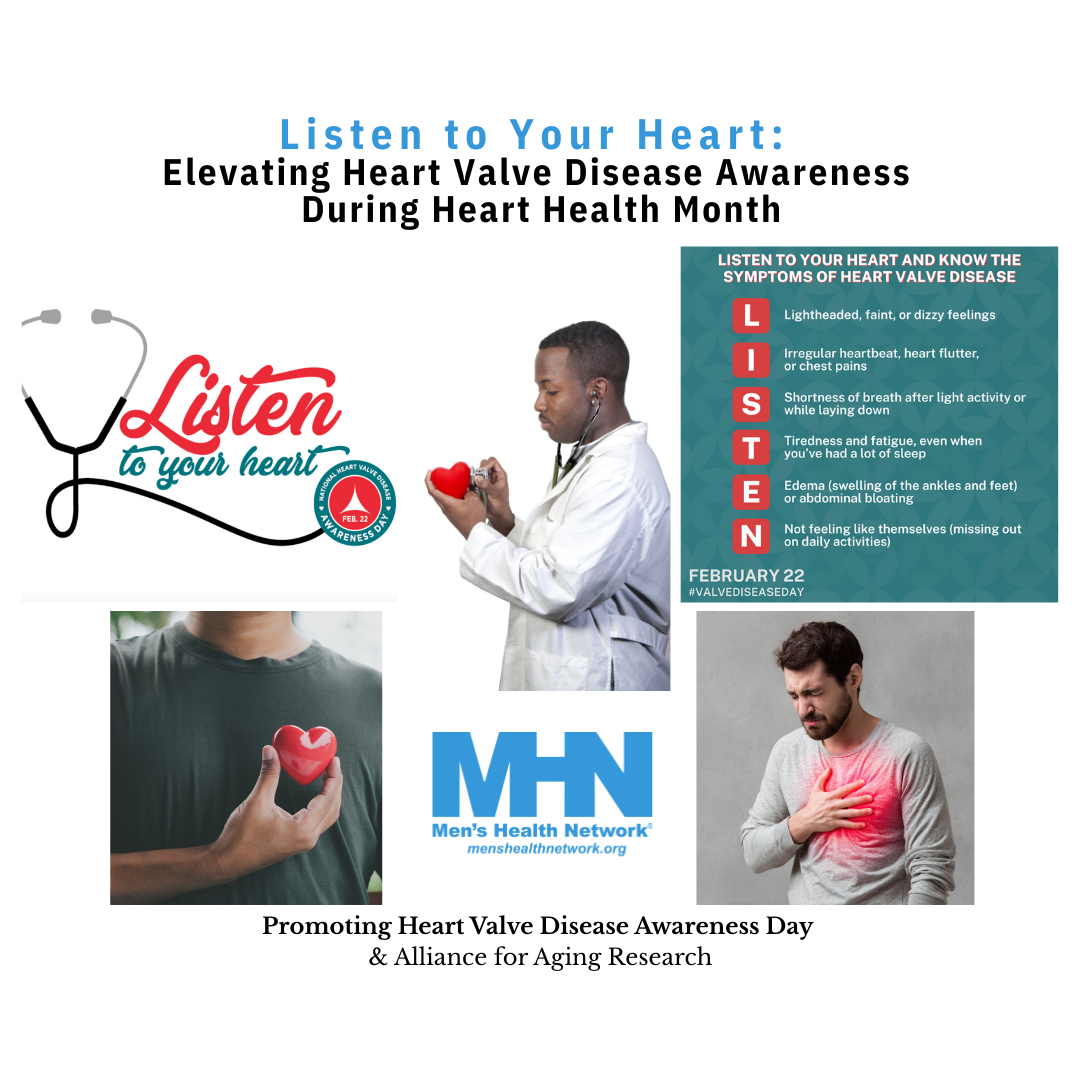
📢 Symptoms That Shouldn’t Be Ignored
Heart valve disease symptoms can be subtle — and that’s part of what makes awareness critical. Typical signs include:
- Shortness of breath, especially during exertion
- Fatigue or weakness
- Light-headedness or fainting
- Swelling in ankles, feet, or abdomen
- Chest pain or discomfort
- Irregular heartbeat
Because symptoms can overlap with other conditions, listening to your heart and talking with a clinician about concerns can make all the difference. Early diagnosis often allows for successful treatment options — from medications to valve repair or replacement procedures — tailored to the individual’s needs.
📲 How the Social Press Kit Makes a Difference
The Alliance for Aging Research’s social press kit provides ready-to-use resources designed to help advocates, individuals, and organizations spread awareness with ease and impact. Whether you’re an individual looking to raise awareness on social media or a health organization seeking clear, engaging materials, the press kit equips you with:
- Pre-written posts for platforms like X, Instagram, and Facebook
- Graphics and shareable images optimized for engagement
- Key messages about risk factors, symptoms, and action steps
- Tools to join the broader Heart Valve Disease Day movement
These assets were created specifically to make it simple for you to contribute to the national conversation — and to do it in a way that resonates with your own network.(Social Press Kit)
🤝 Why Your Voice Matters
In public health, awareness begets action. When individuals, families, and community leaders share information, the ripple effects are powerful:
- People recognize symptoms earlier.
- More individuals seek routine screenings.
- Providers and policymakers see heart valve disease as a priority.
- Communities grow stronger through shared knowledge and support.
Each share, post, and conversation contributes to a larger culture of heart health awareness — one that can save lives.
📅 How You Can Take Part This Heart Month
Here are actionable steps you can take today:
✔️ 1. Visit the Alliance for Aging Research Heart Valve Disease Awareness Day press kit
Head to the website, explore the downloadable materials, and find assets that fit your voice and audience.
👉 Go to the press kit now: https://socialpresskit.com/alliance-for-aging-research
There you’ll find everything from ready-to-post social content to educational graphics that help break down complicated health information into digestible messages.(Social Press Kit)
✔️ 2. Download and customize your materials
Whether you’re a healthcare provider, advocacy organization, employer, or everyday citizen, you can tailor the materials to reflect your personal experience or professional mission.
✔️ 3. Share across your network
Post the assets, tag friends and colleagues, and use the official hashtags — like #ValveDiseaseDay and #HeartMonth — to link your posts to the broader national effort.(Social Press Kit)
✔️ 4. Start conversations
Use what you’ve learned to initiate meaningful conversations about heart valve disease with your family, coworkers, and community. Ask — and encourage others to ask — basic questions like:
“Have you discussed heart valve disease with your clinician?”
“When was the last time you had your heart listened to?”
“Did you know valve disease affects millions and can be treated successfully if found early?”
🫀 Spread the Word. Save a Life.
Heart Valve Disease Awareness Day and Heart Health Month are about far more than a date on the calendar — they’re about people. They’re about the parents, siblings, friends, and colleagues whose lives may be shaped by early detection and intervention.
By visiting the Alliance for Aging Research’s press kit, downloading the materials, and sharing them widely, you’re doing more than posting a graphic — you’re amplifying a message that could lead to earlier diagnoses, better outcomes, and healthier hearts across the nation.