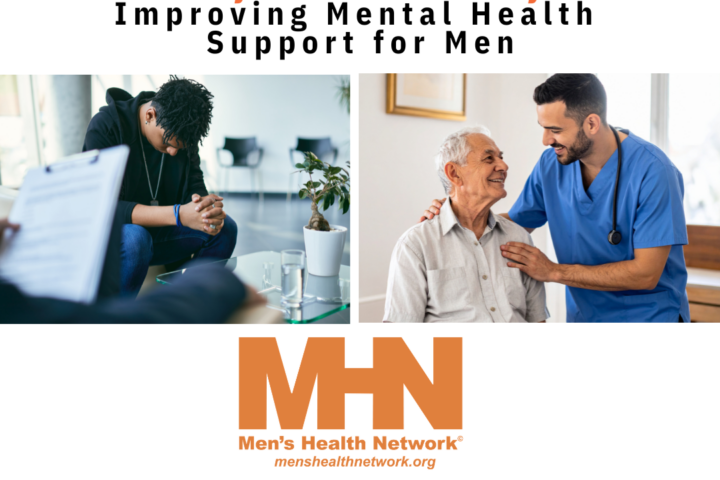

Shattering the silence:
A fresh story for men’s mental health
Guest Blog Contributor: Aaradhana Aiyyar
Strength can sometimes be found in stillness. Men are encouraged from early life to “man up,” to cover their tears, to be “strong,” whatever that means. But over time, we have seen how these signals could turn into poisonous chains, stopping many men from getting care when most needed.
Though mental health does not discriminate based on gender, the discussion of men is sometimes stifled. The American Foundation for Suicide Prevention estimates that in 2022 men killed themselves almost four times more often than women. Men are also considerably less likely to seek therapy for emotional pain, anxiety, or despair. This requires modification.
It’s time we question the conventional wisdom and provide room for males to be emotionally vulnerable, mentally resilient, and open communicator.
The invisible epidemic: Why men suffer in silence?
Not usually does mental disease present obvious symptoms. In men, depression and anxiety sometimes show out as irritability, hostility, withdrawal, drug misuse, or workaholism—activities society might either accept or even applaud.
Real effects of this stigma are:
-
Men are less likely to spot symptoms of mental health problems.
-
Even then, they are less inclined to discuss therapy or seek it.
-
Higher rates of suicide, addiction, and untreated psychological illnesses follow from this.
It is not only in the mind; the physical cost of emotional repression.
Many people are unaware of the great entwining of physical and mental health. Emotional trauma and suppressed stress show up in: High blood pressure, Cardiac illness, Digestive problems, Sleeping problems etc.
Men are more likely, in fact, to turn to drugs and alcohol as coping techniques, which only aggravate their health issues.
Ignoring mental health does not make it go away; rather, it aggravates things.
Obstacles to Male Mental Health
Breaking down the obstacles depends on knowing exactly where they lie. Men encounter some of the most often occurring obstacles including:
1. Cultural Conventions: “Big boys don’t cry.” Men taught by this antiquated concept learn to suppress rather than face their emotions.
2. Many people worry about being judged as weak, particularly in demanding settings like the military, athletics, or the office.
3. Lack of Role Models: Too few men in leadership roles freely share their mental health travels, which isolates others.
Some guys might not even know where to start when it comes to looking for help—or that they need it. Many people discourage early therapy seeking by believing that it is just for “serious” issues.
A Revised Interpretive Definition of Strength
Real power comes from confronting your challenges rather than from hiding them. Courage is required to:
1. Tell me you’re not feeling it.
2. Tell a buddy or a boyfriend.
3. Into the office of a therapist walk.
4. See a doctor and get prescribed drugs.
5. Sit with your emotions instead of flee them.
Redefining strength helps men choose healing over silence.
What Action Should We Take?
Whether you are a male negotiating your mental health path or a supporter ready to assist, here’s how we can start to change the story:
1. Standardize the Exchange of Ideas
We destroy the stigma more the more we discuss men’s mental health. Speak with pals. Find out just how they are doing. When you get a moment, share your own experiences.
2. Honor Men who Promote Mental Health Advocacy.
From stars like Dwayne “The Rock” Johnson to athletes like Kevin Love, many guys are sharing their struggles with melancholy and anxiety. Let’s give those voices more resonance.
3. Promote Expert Support.
Not a last option, therapy is a helpful tool. Like diet and exercise, treatment has to be normalized as part of a comprehensive health program.
4. Design Male-Friendly Areas
Mental health treatments should be customized to let males feel seen. Safe, relevant settings might come from group therapy, support groups, and internet forums.
5. include sons and fathers.
Start small. Tell males that emotions are not only normal but also absolutely vital. By modelling for their children, fathers can help them to see that communicating emotions is human rather than humiliating.
The Function of Local Community
None of us can accomplish this by ourselves. Men’s mental health depends critically on community. Trusted circles can be effective accelerators for honest communication and support whether they be through sports teams, barbershops, businesses, or faith groups.
Men must realize they are brave for getting treatment; they are not broken.
In essence, a call to action. Men’s mental health has been silenced for far too long.. But right now we are at a turning moment. Rising awareness, shifting societal conventions, and the bravery to speak out allow us to reinvent what it means to be a man.
Imagine a time where boys are reared with emotional intelligence instead of emotional denial. One in which therapy is embraced as a kind of self-care, not confused with self-neglect. Where sensitivity is welcomed with empathy rather than guilt or shame. And where not limited to gender, mental health is acknowledged as a universal human concern. It is time for a conversation. Now is the moment for listening. Most significant, though, is that we need to heal.
About the Author
Aaradhana Aiyyar is a passionate student, writer, and changemaker with a flair for storytelling and a deep curiosity about the world. Whether she’s diving into global issues, creative fiction, or youth-led initiatives, she brings a fresh, thoughtful perspective to every piece. Aaradhana hopes to inspire, inform, and ignite conversations that matter.
Website: www.marketresearchfuture.com