Reclaiming Masculinity: The Courage to Be Whole

In Reclaiming Masculinity: The Courage to Be Whole, Men’s Health Network spotlights the work of Dr. David P. Jachim, a psychoanalyst and MHN Advisory Board member whose book Men at the Brink: Masculinity in the 21st Century explores how modern narratives have distorted society’s view of manhood. Dr. Jachim examines the emotional and cultural costs of labeling masculinity as “toxic,” while calling for men to reclaim the virtues of courage, compassion, and integrity. Through empathy, self-care, and brotherhood, men can resist alienation and redefine strength in ways that heal, not harm. This reflection offers a powerful reminder: masculinity is not the problem—misunderstanding it is.Continue reading

November: A Month to Focus on Men’s Health and Community

November is a pivotal month for raising awareness about men’s health and community well-being. From Alzheimer’s and diabetes to epilepsy, tobacco use, and sexual health, each observance offers an opportunity to take action and encourage preventive care. Men’s Health Network emphasizes that health doesn’t take a season off—simple habits, early conversations, and empathy-driven outreach can make lasting change. This month’s blog highlights national campaigns like the Great American Smokeout, National Diabetes Month, and Impotence Education Month, alongside Illinois’ groundbreaking creation of a Division of Men’s Health. It also spotlights the growing Men’s Health Ambassadorship Program—ordinary people doing extraordinary work to close the Lifespan Gender Gap and build healthier communities. Through awareness, advocacy, and everyday choices, November reminds us that improving men’s health is a shared mission that benefits families, workplaces, and society as a whole.Continue reading

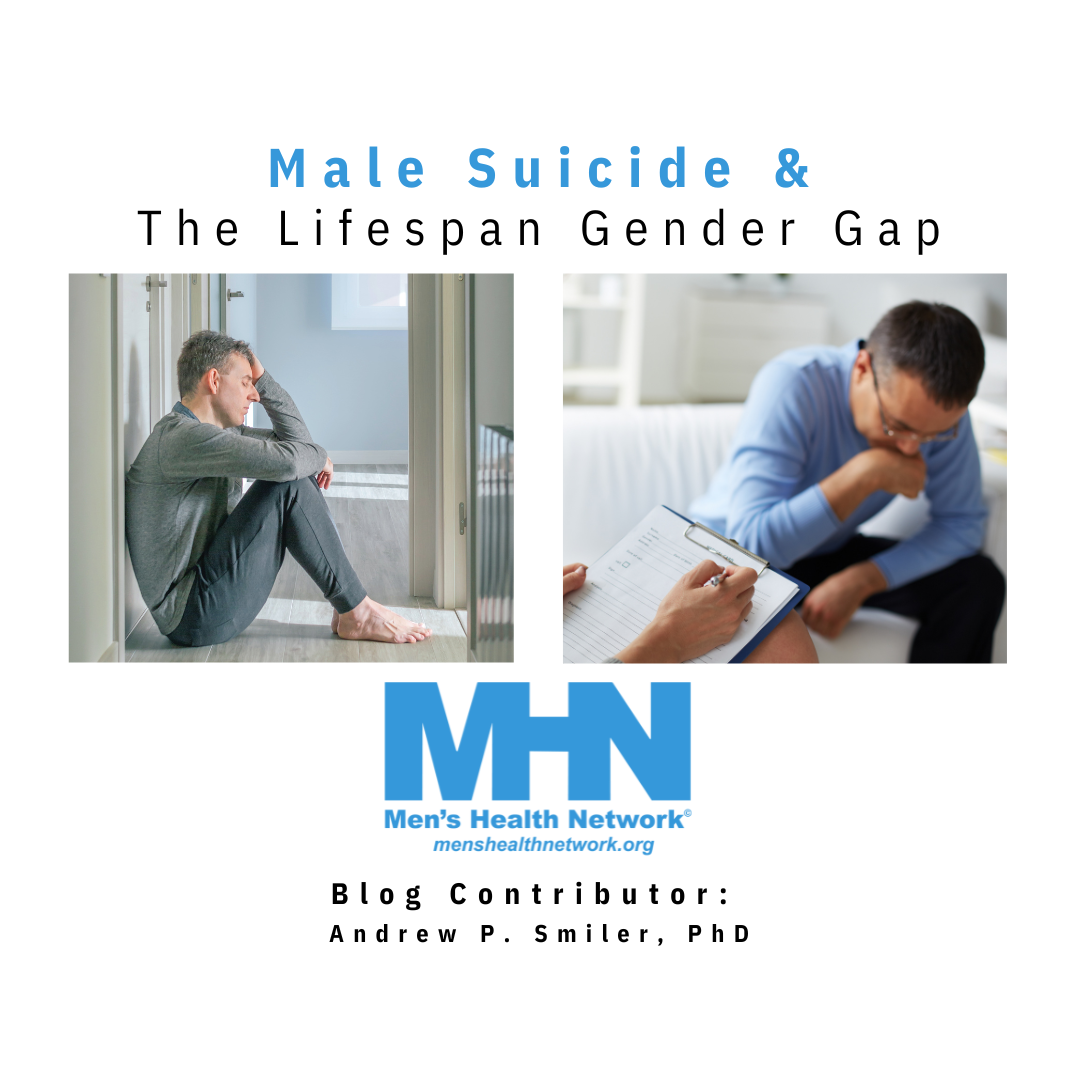
Male Suicide and the Lifespan Gender Gap

October is National Depression and Mental Health Awareness and Screening Month, a time to bring attention to the silent crisis affecting men and boys. In this blog, Men’s Health Network highlights the deep connection between suicide and the Lifespan Gender Gap, reminding us that men are four times more likely to die by suicide than women. Contributor Dr. Andrew Smiler examines the data, cultural pressures, and life circumstances, such as loss of work or relationships, that contribute to male suicide rates. The piece urges readers to break the silence, check in with the men in their lives, and remember that reaching out for help is a sign of strength. Together, we can close the gap and remind the world that mental health is men’s health.Continue reading

Man Therapy® – You Can’t Fix Your Mental Health With Duct Tape.

This blog highlights Man Therapy®, a groundbreaking men’s mental health initiative that uses humor, education, and stigma-smashing strategies to engage men upstream of crisis. By reframing mental health as a sign of strength and providing practical tools, resources, and research-backed approaches, Man Therapy helps men take action, build resilience, and reduce suicide risk in their communities.Continue reading

Rethinking Masculinity: Insights from “The Masculine Self” (7th Ed.)

Rethinking Masculinity: Insights from The Masculine Self highlights how cultural norms shape men’s health, relationships, and well-being. Drawing from the 7th edition of The Masculine Self by Andrew Smiler, PhD, and Christopher Kilmartin, PhD, the blog explores how ideas of toughness and stoicism influence men’s willingness to seek care, their mental health, and even life expectancy. It examines links between masculinity, violence, suicide, media influence, and physical health, while emphasizing empathy and the importance of supportive spaces. Men’s Health Network underscores that redefining masculinity can improve outcomes and create healthier, more connected lives for men and boys.Continue reading

Why I Care About Men’s Health… And Why You Should Too

In "Speaking Up for the Silent Majority," Shelby Leventhal, a college senior at the University of Kentucky, shares a powerful perspective on why women should care about men’s health. Drawing from her own experiences and observations, she explores the stigma that keeps many men from seeking care and urges women to play a more active role in encouraging the men in their lives to prioritize both physical and mental health. Through personal stories, cultural reflection, and a call to action, Shelby makes a compelling case for empathy, awareness, and support in the men’s health movement.Continue reading

Shattering the silence: A fresh story for men’s mental health

In Shattering the Silence: A Fresh Story for Men's Mental Health, guest contributor Aaradhana Aiyyar explores how cultural norms around masculinity prevent many men from seeking mental health support. The piece highlights the hidden signs of male depression, the physical toll of emotional suppression, and the urgent need to redefine strength as vulnerability. With practical steps for individuals, families, and communities, this blog is a call to action to destigmatize men’s mental health and build a culture where emotional honesty is seen as courage—not weakness.Continue reading

The Congressional Men’s Health Caucus: Congress Reaffirms National Men’s Health Week During Men’s Health Month

In recognition of Men’s Health Month 2025, Congressman Troy A. Carter Sr. introduced a bipartisan resolution honoring National Men’s Health Week (June 9–15). Backed by the Congressional Men’s Health Caucus, the resolution emphasizes the importance of preventive care for men, raising awareness about critical issues like prostate cancer, testicular cancer, mental health, and chronic disease. With men continuing to die younger and seek care less often than women, this action urges greater focus on early detection, routine health screenings, and breaking the stigma around men’s health care. Men’s Health Network encourages individuals and communities to take action and support men’s health awareness throughout the month of June.Continue reading

Suicide Rates, Homelessness, and Workplace Injuries / Deaths: How it Affects the Lifespan of Men

Suicide Rates, Homelessness, and Workplace Injuries / Deaths: How it Affects the Lifespan of Men By: Intern Olivia Schwinn-Clanton Introduction – Lifespan of Men In the United States and around the world, women usually live longer than men. By age 65, 57% of people that age are women, and by age 85, that number increases...

Closing the Gap: How You Can Make a Difference This Giving Tuesday and Beyond

We need your help this Holiday Season to make an impact with the health and well-being of men and boys everywhere. The Lifespan Gender Gap has widened to 6 years, with men dying way too early from preventable diseases. We need everyone's help to get life-saving education, resources, and more into the hearts of communities across America. Consider purchasing from the Men's Health Network store or by donating today. Continue reading

Scroll to top