Many men don’t realize that everyday habits like skipping eye exams, excessive screen time, poor diet, and improper eye protection can quietly damage their vision over time. This blog highlights the most common eye health mistakes men make and offers practical, easy-to-follow solutions to protect eyesight, prevent long-term problems, and support healthy vision at every stage of life.Continue reading
Tag: men’s health
Boys Falling Off the Health-Care Map: And How We Keep Them Connected
This blog, reposted from Dominick Shattuck, PhD’s Substack with permission from the author, examines new research showing how many boys quietly disengage from preventive health care during the transition from adolescence to young adulthood. Drawing on findings from the Journal of Adolescent Health and decades of men’s health research, the piece explores how masculinity norms, low perceived risk, structural barriers, and unwelcoming health systems contribute to boys “falling off the health-care map.” It highlights why this early disengagement matters for long-term health outcomes and outlines practical, evidence-informed strategies for building health systems that keep boys connected to care before preventable problems become lifelong challenges.Continue reading
Illinois Leads the Nation in Men’s Health: A Closer Look at the 2025 Men’s Health Assessment
Illinois is leading the nation in men’s health by becoming one of the only states with a dedicated Men’s Health Section within its Department of Public Health. The newly released Men’s Health Assessment 2025, authored by Andrew Lerch, DPT, PT, provides a comprehensive, data-driven look at the health challenges facing men across the state. This landmark report highlights disparities, identifies priority areas for action, and offers a blueprint for how states can integrate men’s health into public health strategy, policy, and practice.Continue reading
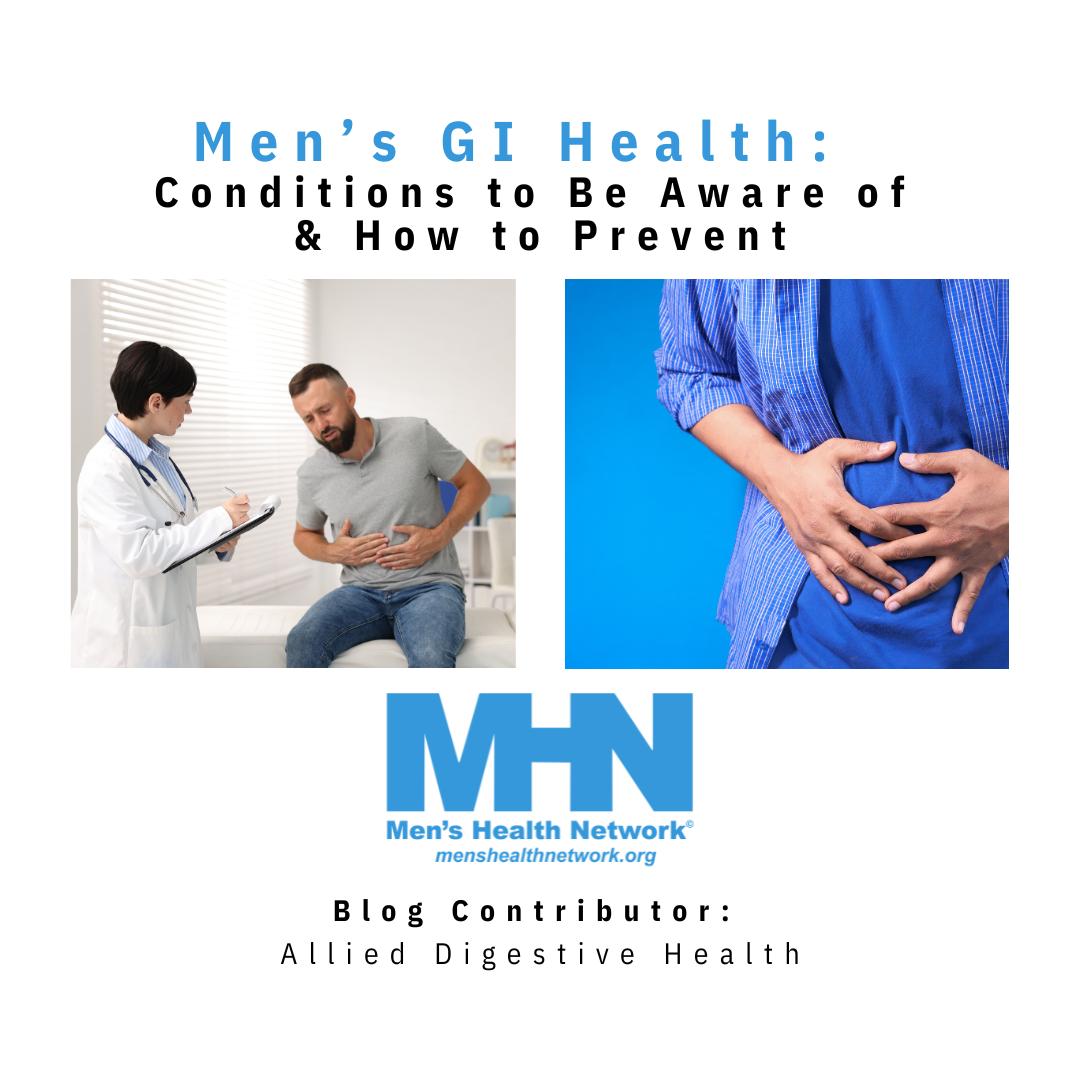
Men’s GI Health: Conditions to Be Aware of and How to Prevent
Men often overlook GI health, but digestive issues can affect overall wellness and may signal serious conditions like IBD, GERD, liver disease, or colorectal cancer. Key warning signs include persistent abdominal pain, bowel changes, unexplained weight loss, and blood in the stool. Prevention centers on a healthy diet, exercise, limiting alcohol, avoiding smoking, and managing stress. Routine screenings—especially colonoscopies starting at age 45—are essential. Early detection and healthy habits can significantly reduce the risk of serious GI disease.Continue reading
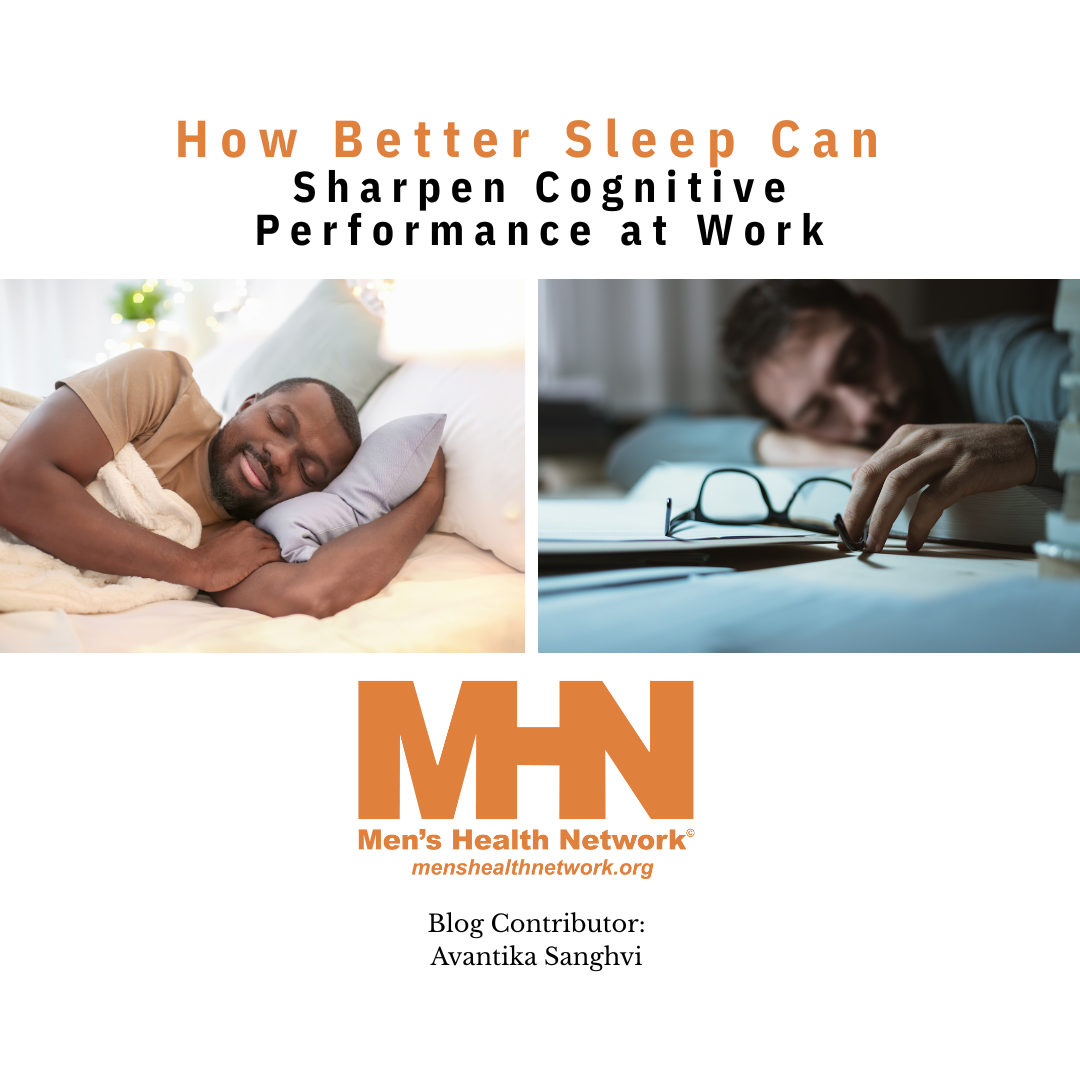
How Better Sleep Can Sharpen Cognitive Performance at Work
The blog “How Better Sleep Can Sharpen Cognitive Performance at Work” emphasizes the vital connection between quality sleep and professional success. It explains that sleep is not merely rest, but an active neurological process that rejuvenates the brain, enhances focus, and supports decision-making, creativity, and emotional stability. Poor sleep, common among busy professionals—especially men—leads to fatigue, low motivation, and reduced cognitive sharpness. A key factor in achieving restorative sleep is mattress quality: a supportive, breathable, and comfortable mattress promotes proper body alignment and uninterrupted rest, enabling the brain to complete its essential sleep cycles. The article offers practical tips such as maintaining a consistent sleep schedule, limiting caffeine, and managing stress to improve sleep hygiene. Ultimately, it argues that investing in better sleep—and the right mattress—is not just about health but also about career longevity, as a well-rested mind fosters productivity, innovation, and leadership in the workplace.Continue reading
This Giving Tuesday: Be the Change Men’s Health Needs
Giving Tuesday is next week, and Men’s Health Network (MHN) is calling on supporters to help close the Lifespan Gender Gap and build empathy for men’s health. This year, MHN expanded outreach across communities, churches, and schools, relaunched the Congressional Men’s Health Caucus, and supported bipartisan resolutions like H.R. 1300 (PSA Screening for HIM Act) and H.R. 675 (Prostate Cancer Awareness Month), advancing prevention and early detection nationwide. From toolkits that reached thousands to Ambassadors leading local events, MHN continues reaching men where they live, work, play, and pray. Your support powers awareness, education, and advocacy that saves lives.Continue reading
Menopause: A Shared Journey, A Call for Support
Menopause is often characterized by its impact on women’s health, but Menopause is often described as a women’s health issue, but it also affects couple dynamics. During this transition, men can step into the role of caregiver and care partner, offering empathy, encouragement, and practical support.Continue reading
Reclaiming Masculinity: The Courage to Be Whole
In Reclaiming Masculinity: The Courage to Be Whole, Men’s Health Network spotlights the work of Dr. David P. Jachim, a psychoanalyst and MHN Advisory Board member whose book Men at the Brink: Masculinity in the 21st Century explores how modern narratives have distorted society’s view of manhood. Dr. Jachim examines the emotional and cultural costs of labeling masculinity as “toxic,” while calling for men to reclaim the virtues of courage, compassion, and integrity. Through empathy, self-care, and brotherhood, men can resist alienation and redefine strength in ways that heal, not harm. This reflection offers a powerful reminder: masculinity is not the problem—misunderstanding it is.Continue reading
Homicide and the Lifespan Gender Gap
Summary: Men’s Health Network highlights how homicide contributes to the Lifespan Gender Gap—the nearly six-year difference in life expectancy between men and women. Each preventable death of a young man shortens the national average and represents lost potential, relationships, and community strength. In his article, Dr. Andrew Smiler examines data showing that men account for 80% of homicide victims, with most deaths occurring among young men under 35. Many are killed by people they know, often in moments of conflict or status-related tension. Smiler suggests that prevention begins with education—teaching boys and men how to resolve conflict, manage emotions, and de-escalate situations without violence. Men’s Health Network calls for greater empathy and early intervention to help young men live longer, healthier lives, reminding readers that every life saved helps close the gap and strengthen families and communities nationwide.Continue reading