Strategies for Healthy Aging and Well-Being in Later Life

The blog reframes aging as a stage of opportunity rather than decline, emphasizing that many physical, cognitive, and emotional challenges associated with later life can be prevented or managed through intentional, healthy behaviors. It highlights the importance of balanced nutrition, regular physical activity, and preventive healthcare to maintain strength, mobility, and independence, alongside lifelong learning, social connection, and stress management to support cognitive and mental well-being. The article also stresses emotional resilience through purpose, relationships, gratitude, and adaptability, noting that technology and community engagement can further enhance health, connection, and autonomy. Overall, it argues that healthy aging is holistic and proactive, focusing on adding quality and fulfillment to life, not just years.Continue reading
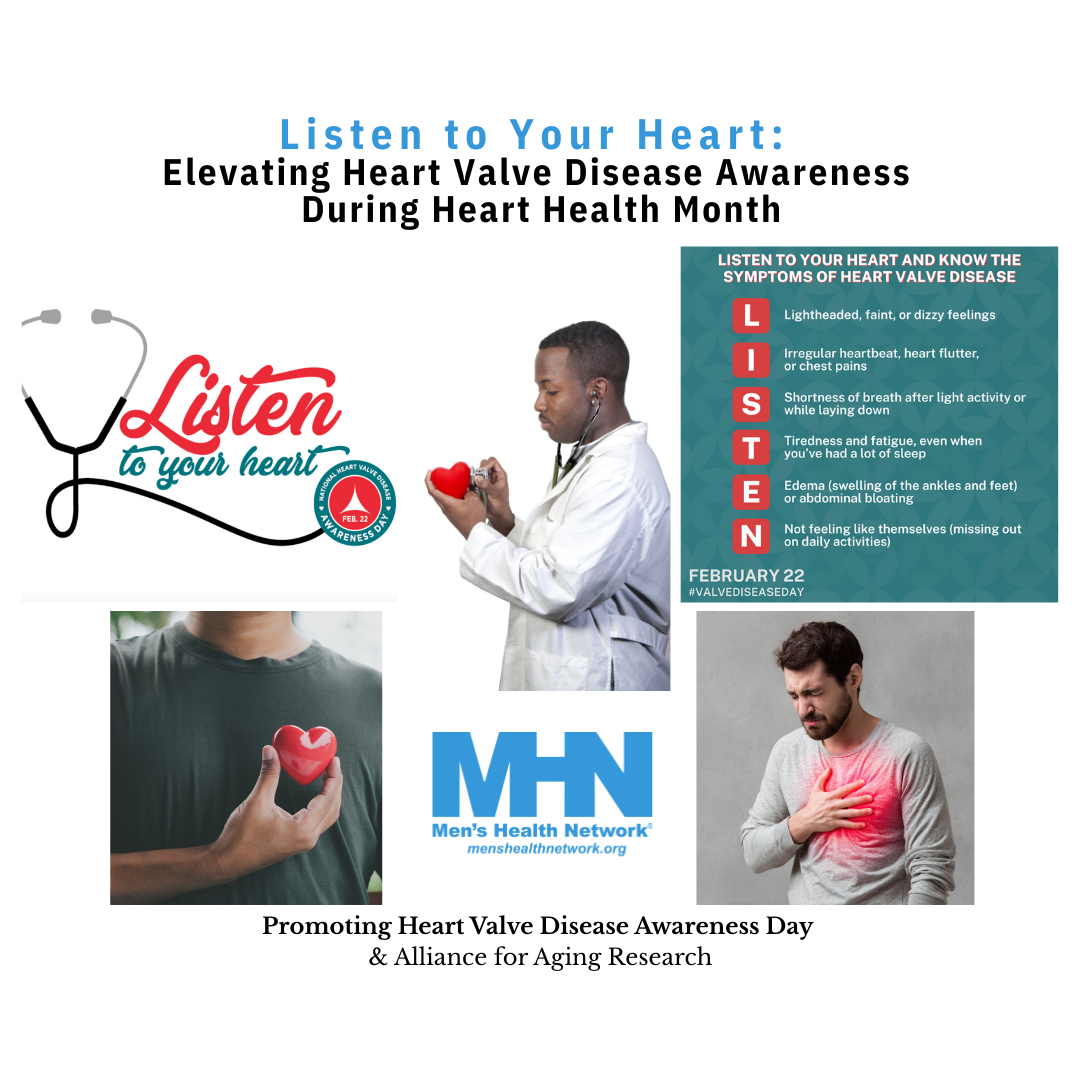
Listen to Your Heart: Elevating Heart Valve Disease Awareness During Heart Health Month

Heart Health Month and Heart Valve Disease Awareness Day (February 22) highlight the importance of recognizing and addressing heart valve disease—an often underdiagnosed condition affecting millions of Americans, particularly older adults. Many people experience symptoms that are mistaken for normal aging, delaying diagnosis and treatment. Awareness and early detection are critical, as heart valve disease is treatable when identified in time. Through the Alliance for Aging Research’s Heart Valve Disease Awareness Day campaign, individuals and organizations can access ready-to-use educational and social media resources to help spread awareness. By downloading and sharing these materials, everyone can play a role in encouraging conversations, earlier screening, and better heart health outcomes.Continue reading

Post-Workout To-Dos for Faster Recovery & Better Performance

Post-workout recovery plays a critical role in improving performance, preventing injury, and supporting long-term fitness. This article outlines practical, science-informed steps to help the body recover after exercise, including proper hydration, balanced nutrition, gentle stretching, active recovery, and quality sleep. By listening to the body and adopting a consistent recovery routine tailored to individual needs, readers can reduce soreness, restore energy, and build resilience—making recovery just as important as the workout itself.Continue reading

Announcing the My Cancer, My Plan Podcast: Launching on World Cancer Day to Empower Men Facing Cancer

This blog announces the launch of the *My Cancer, My Plan Podcast* on World Cancer Day 2026, a new six-episode series from Men’s Health Network designed to support men at one of the most overwhelming moments of their lives, a cancer diagnosis. Built from the *My Cancer, My Plan* digital guide, the podcast delivers trusted, patient-focused education through a men’s health lens, featuring candid conversations with cancer patients, caregivers, oncologists, and national experts. Each episode tackles critical topics such as biomarker and genetic testing, treatment side effects, equity in cancer care, caregiving, and informed decision-making, with the goal of helping men ask better questions, make confident choices, and understand that they do not have to navigate cancer alone.Continue reading

Eye Health Mistakes: Some Men Don’t Realize They’re Making

Many men don’t realize that everyday habits like skipping eye exams, excessive screen time, poor diet, and improper eye protection can quietly damage their vision over time. This blog highlights the most common eye health mistakes men make and offers practical, easy-to-follow solutions to protect eyesight, prevent long-term problems, and support healthy vision at every stage of life.Continue reading

Men’s Health Network Wins Two ADDY Awards: The Choice Is Yours Campaign

Men’s Health Network’s Choice Is Yours campaign—featuring Dres of the iconic 90s hip-hop group Black Sheep—earned two ADDY Awards for Strategic Communications and Web Video, recognizing its culturally authentic, long-form approach to men’s health education. Centered on a three-hour, in-depth conversation, the campaign emphasizes choice, empathy, and trust, meeting men where they are and empowering them to engage with their health on their own terms.Continue reading

Men’s GI Health: Conditions to Be Aware of and How to Prevent

Men often overlook GI health, but digestive issues can affect overall wellness and may signal serious conditions like IBD, GERD, liver disease, or colorectal cancer. Key warning signs include persistent abdominal pain, bowel changes, unexplained weight loss, and blood in the stool. Prevention centers on a healthy diet, exercise, limiting alcohol, avoiding smoking, and managing stress. Routine screenings—especially colonoscopies starting at age 45—are essential. Early detection and healthy habits can significantly reduce the risk of serious GI disease.Continue reading

How Better Sleep Can Sharpen Cognitive Performance at Work

The blog “How Better Sleep Can Sharpen Cognitive Performance at Work” emphasizes the vital connection between quality sleep and professional success. It explains that sleep is not merely rest, but an active neurological process that rejuvenates the brain, enhances focus, and supports decision-making, creativity, and emotional stability. Poor sleep, common among busy professionals—especially men—leads to fatigue, low motivation, and reduced cognitive sharpness. A key factor in achieving restorative sleep is mattress quality: a supportive, breathable, and comfortable mattress promotes proper body alignment and uninterrupted rest, enabling the brain to complete its essential sleep cycles. The article offers practical tips such as maintaining a consistent sleep schedule, limiting caffeine, and managing stress to improve sleep hygiene. Ultimately, it argues that investing in better sleep—and the right mattress—is not just about health but also about career longevity, as a well-rested mind fosters productivity, innovation, and leadership in the workplace.Continue reading

November: A Month to Focus on Men’s Health and Community

November is a pivotal month for raising awareness about men’s health and community well-being. From Alzheimer’s and diabetes to epilepsy, tobacco use, and sexual health, each observance offers an opportunity to take action and encourage preventive care. Men’s Health Network emphasizes that health doesn’t take a season off—simple habits, early conversations, and empathy-driven outreach can make lasting change. This month’s blog highlights national campaigns like the Great American Smokeout, National Diabetes Month, and Impotence Education Month, alongside Illinois’ groundbreaking creation of a Division of Men’s Health. It also spotlights the growing Men’s Health Ambassadorship Program—ordinary people doing extraordinary work to close the Lifespan Gender Gap and build healthier communities. Through awareness, advocacy, and everyday choices, November reminds us that improving men’s health is a shared mission that benefits families, workplaces, and society as a whole.Continue reading

Championing Men’s Health: MHN’s 2025 Policy and Advocacy Highlights

In 2025, Men’s Health Network advanced men’s health by supporting prostate and kidney cancer research, pushing for stronger HPV vaccination guidance for boys, expanding telehealth access, and endorsing global prevention initiatives. These efforts highlight MHN’s leadership in shaping policies that improve the health and future of men and boys.Continue reading

Scroll to top