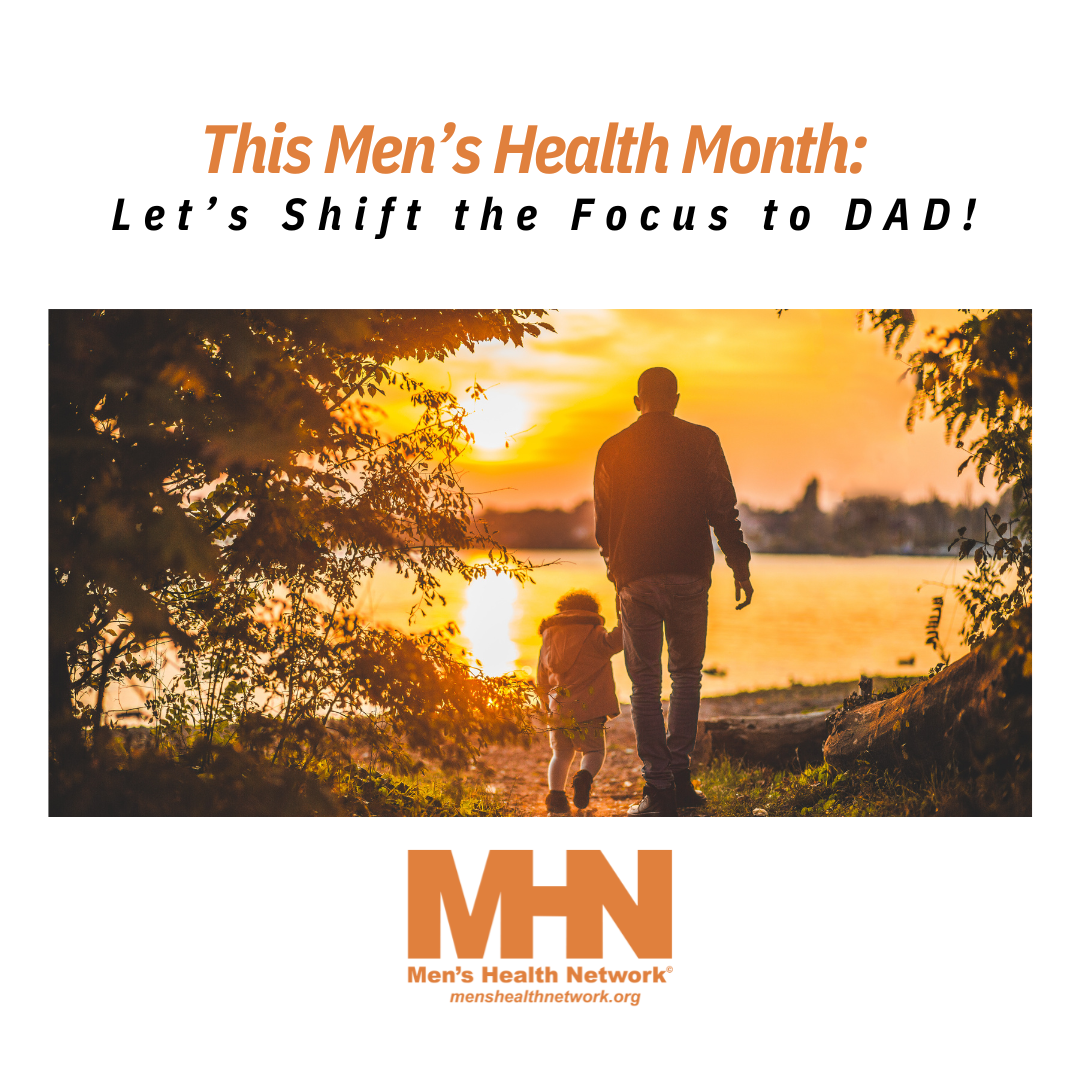
This Men’s Health Month: Let’s Shift the Focus to DAD!

Father’s Day is next week, which makes this an especially important time to reflect on and support dads everywhere. We may not always know the burdens they shoulder. Many men feel it’s best to stay silent about the physical or mental pain they’re carrying. They just want to be the rock in their family—the steady protector who never asks for help. But we must remember: even the strongest need support. Too many fathers are suffering in silence, believing it’s their role to bear it all alone. Whether it’s unspoken anxiety, untreated chronic pain, or invisible burnout, these internal battles are real—and often devastating if left unaddressed.Continue reading

Global Data Confirms It: Men’s Health Deserves Focus, Funding, and a Future

In response to the recent PLOS Medicine, "Sex-disaggregated data along the gendered health pathways" Article: It’s a vital contribution to the men’s health conversation and affirms something we’ve said all along: Men's health outcomes will improve when we prioritize men’s health intentionally. At MHN, we see this Article as a roadmap, but it’s up to all of us—health professionals, policymakers, community leaders, and advocates—to act on it. Follow along for all of our commentary on this article... Continue reading

The Role of Lifestyle Choices in Men’s Health: Nutrition, Exercise, & Beyond

You don’t need to overhaul your life overnight. Start small. Pick one habit this week—meal prep, daily walks, earlier bedtime—and commit to it. Over time, these small wins compound into real, measurable health improvements. Yet many men are still unaware of just how impactful their habits can be. The good news? Even small, consistent changes can lead to significant improvements in overall well-being. In this article, I’ll outline the evidence-based lifestyle pillars that support physical, mental, and metabolic health in men—and offer practical strategies to start improving them today.Continue reading

Jet Lag Can’t be THAT Bad: Issues Linked to Lack of Sleep

Men, especially those juggling long work hours or night shifts, often lead this pack, with lifestyle releases like late-night screen time or caffeine cutting into rest. Poor quality of sleep is a common issue that disrupts lives every day and night. Insomnia, marked by trouble falling or staying asleep, affects an estimated 10-30% of adults globally, with around 10% experiencing chronic symptoms lasting months or more, according to the American Academy of Sleep Medicine. That’s roughly 33 million people grappling with persistent sleeplessness, often tied to stress, anxiety, or medical conditions.Continue reading

Expanding Healthy People 2030: A Community-Driven Approach to Men’s Health

Healthy People 2030's next iteration should incorporate male-focused community initiatives that foster adequate support for the health needs of men and boys. By working together—across public health sectors, education systems, workplaces, and community organizations—we can create an environment where all individuals, regardless of sex, have the opportunity to live longer, healthier lives. Read on for more information on how men and boys stand up against Social Determinants of Health as stated in existing policy.Continue reading

Young Men, Eating Disorders, & Social Media: Affecting Men & Boys Alike

In a 2023 study, the American Psychological Association found that social media usage “is associated with poor body image in youth, a known predictor of eating disorders.” This fact has been, more or less, accepted as common knowledge for the past decade or so. And while the prevalence of eating disorders has been reflected in the domains of medicine, public health, and academia, an overwhelming majority of the ensuing discourse has focused solely on women and girls. This assumption, however, that eating disorders only impact women and girls is no longer a tenable one. Continue reading

Dating in the Digital Age: The Unique Challenges Gen Z Men Face

Modern dating is a complex landscape for men, shaped by societal pressures, digital platforms, and evolving relationship norms. The tendency to blame and shame men oversimplifies their struggles, ignoring systemic issues like economic pressures and the stigmatization of vulnerability. By fostering empathy, challenging stereotypes, and encouraging authenticity, society can create a healthier dating culture that supports meaningful connections for everyone.Continue reading

Suicide Rates, Homelessness, and Workplace Injuries / Deaths: How it Affects the Lifespan of Men

Suicide Rates, Homelessness, and Workplace Injuries / Deaths: How it Affects the Lifespan of Men By: Intern Olivia Schwinn-Clanton Introduction – Lifespan of Men In the United States and around the world, women usually live longer than men. By age 65, 57% of people that age are women, and by age 85, that number increases...

Why Are American Men Dying Younger? It’s Time to Build Awareness

The declining life expectancy of American men. This is more than a public health problem—it is a crisis that impacts families, communities, and workplaces across the country. Men’s Health Network (MHN) is dedicated to addressing these challenges, offering solutions to help men live longer and healthier lives, and supporting the families and communities that rely on them.Continue reading

Closing the Gap: How You Can Make a Difference This Giving Tuesday and Beyond

We need your help this Holiday Season to make an impact with the health and well-being of men and boys everywhere. The Lifespan Gender Gap has widened to 6 years, with men dying way too early from preventable diseases. We need everyone's help to get life-saving education, resources, and more into the hearts of communities across America. Consider purchasing from the Men's Health Network store or by donating today. Continue reading

Scroll to top