
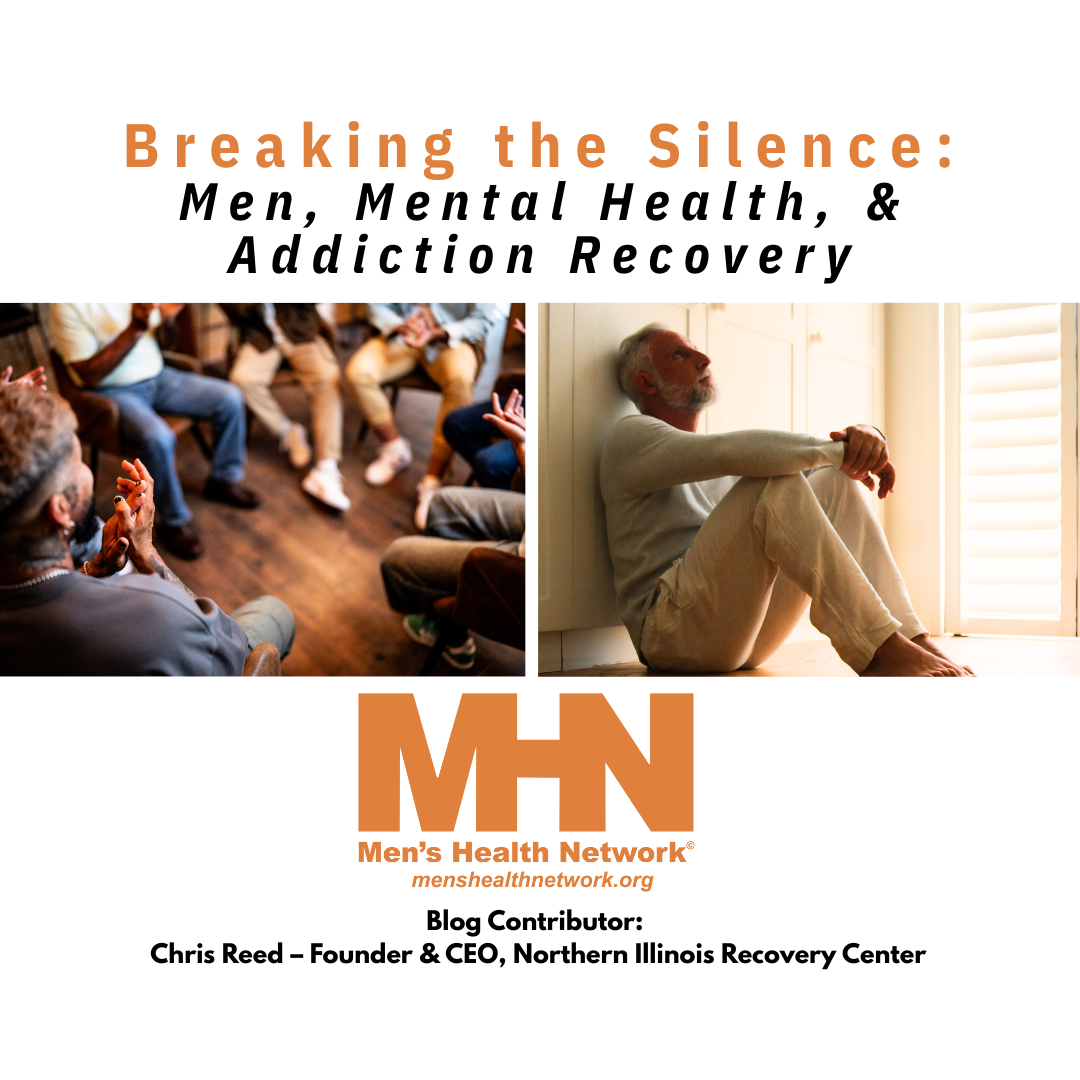
Breaking the Silence:
Men, Mental Health, and Addiction Recovery
Men’s mental health is often overlooked, yet it is one of the most important influences on overall wellness. Cultural expectations to appear strong, stoic, and self-sufficient leave many men feeling unable to express vulnerability, even when they are struggling. These pressures, combined with stress, trauma, family responsibilities, and work demands, increase the risk of depression, anxiety, and substance use.
When mental health challenges aren’t addressed, men may turn to drugs or alcohol as a coping mechanism, creating a harmful cycle that impacts their physical health, relationships, careers, and well-being.
Men’s Health Network (MHN), a national non-profit organization, works to change this narrative by reaching men, boys, and their families where they live, work, play, and pray. Through health awareness campaigns, disease prevention initiatives, educational materials, screening programs, advocacy opportunities, and patient navigation, MHN empowers men to recognize the importance of mental health and seek help early.
In alignment with this mission, Northern Illinois Recovery Center (NIRC) in Crystal Lake, Illinois, provides specialized treatment for men facing addiction and co-occurring mental health disorders. NIRC’s evidence-based therapies, structured programs, and personalized treatment plans give men the tools they need to break the silence, overcome addiction, and rebuild their lives.
Understanding Men’s Unique Mental Health Challenges
Men often experience and express mental health symptoms differently from women. Instead of openly discussing sadness or fear, many men suppress emotions or channel distress into anger, irritability, or high-risk behaviors. This can delay diagnosis and increase vulnerability to substance use. Common mental health challenges among men include:
-
Depression: May present as anger, irritability, withdrawal, fatigue, or risk-taking, rather than sadness.
-
Anxiety Disorders: Symptoms often appear as restlessness, frustration, aggression, or physical complaints.
-
Trauma and PTSD: Veterans, first responders, survivors of violence, and men under chronic stress are particularly at risk.
Studies consistently show that men are significantly less likely than women to seek therapy or mental health treatment, leaving many to struggle silently until symptoms escalate.
The Link Between Men’s Mental Health and Addiction
Unaddressed mental health challenges can increase the risk of substance use. Many men turn to alcohol, opioids, or other drugs to cope with stress, trauma, or emotional pain. While substances may provide temporary relief, they ultimately worsen mental health and can lead to physical dependence.
Addiction and mental health conditions occurring simultaneously are extremely common among men but often go untreated without integrated care. Men experiencing co-occurring disorders may face:
-
Masked Symptoms: Substance use hides underlying mental health issues.
-
Physical Dependence: The cycle of tolerance and withdrawal makes it difficult to quit without help.
-
Social and Behavioral Consequences: Addiction affects work performance, relationships, and daily functioning.
A male-focused treatment approach addresses the whole person, blending therapy, medical oversight, and addiction treatment to promote long-term recovery.
Barriers Men Face in Seeking Help
Despite the prevalence of mental health challenges, many men hesitate to reach out for support. Common barriers include:
-
Fear of Judgment or appearing weak: Seeking help is often perceived as weakness.
-
Limited awareness or understanding of available resources: Men may not know about available resources, treatment programs, or male-focused support.
-
Cultural and social pressures: Men often feel pressure from society to “push through their problems” or to “handle problems alone,” which often discourages them from seeking help.
These barriers contribute to higher rates of untreated mental illness, addiction, and suicide among men. By combining educational efforts and treatment programs, men are encouraged and empowered to take the first step toward recovery. Treatment centers are working to bridge these gaps by promoting awareness, reducing stigma, and helping men access trusted, evidence-based care.
Effective Strategies for Supporting Men’s Mental Health and Addiction Recovery
Breaking the silence starts with providing men clear, accessible paths toward support. The most effective strategies include:
- Personalized Treatment Plans: Tailored plans address each man’s unique combination of stressors, mental health symptoms, and substance use history.
- Evidence-based therapies: Using evidence-based approaches and behavioral therapies such as cognitive behavioral therapy (CBT), individual therapy, group therapy, family therapy, holistic therapy, experiential therapy, and trauma-informed care to address mental health and addiction.
- Peer support and male-focused groups: Male-centered group sessions foster connection, accountability, and shared understanding of experiences.
- Supportive Peer and Family Networks: Community-based activities and family engagement reinforce positive behavioral change. Involving loved ones in treatment strengthens recovery and promotes a supportive home environment.
- Lifestyle and wellness practices: Mindfulness, nutrition, exercise, and proper sleep improve mental health, resilience, and long-term recovery outcomes.
- Education and awareness: Tools such as screening programs and other educational materials help men recognize early warning signs, build coping skills, and understand treatment options.
By combining these strategies, men can identify negative thought patterns, improve emotional regulation, and strengthen coping skills to develop confidence and resilience to manage stress, overcome addiction, and maintain emotional wellness.
Male-Focused Support Groups
Men-only groups provide a safe space for open dialogue, shared experiences, and accountability, reducing feelings of isolation.
Family and Community Engagement
Involving loved ones in recovery leads to stronger outcomes and improved support at home.
Whole-Person Wellness
Regular exercise, nutrition, adequate sleep, mindfulness, and stress-management practices support emotional resilience.
Education and Awareness Tools
Mental Health Network’s educational materials, screening programs, resources, and patient navigation empower men to recognize early symptoms and get connected to appropriate care. Combined, these strategies help men build self-awareness, confidence, and long-term emotional health.
Creating a Culture That Supports Men
Reducing stigma around men’s mental health requires action on both the societal and community levels. To truly support men’s mental health, the way to approach vulnerability and emotional expression must be reexamined. Key steps include:
-
Promoting open dialogue: Encourage men to discuss emotions and struggles without fear of judgment.
-
Educating communities: Families, workplaces, and social networks should increase awareness of male mental health and addiction risks.
-
Challenging stereotypes: Cultural messages that discourage vulnerability must be redefined.
Mental Health Network’s mission plays a critical role in this shift, providing national outreach, advocacy, and navigation support. Northern Illinois Recovery Center reinforces this effort by offering accessible, specialized care for men ready to begin their recovery journey. Together, they empower men to seek help early, improving treatment outcomes and overall quality of life.
Male Addiction Recovery Programs and Resources
Professional treatment programs tailored for men provide structure, accountability, and support, increasing the likelihood of successful recovery. They include the following:
- Partial hospitalization program (PHP) and intensive outpatient program (IOP): Structured treatment with flexible schedules, allowing men to live at home while receiving therapy, relapse prevention training, and skill-building.
- Comprehensive therapy services: Evidence-based behavioral therapies are used to treat both addiction and underlying mental health challenges.
- Dual diagnosis treatment: Integrated treatment for men experiencing co-occurring mental health disorders and substance use.
- Aftercare and ongoing support: Continuing care programs, relapse prevention, peer support, and alumni programming, men are provided with the necessary tools and support needed for long-term recovery.
Explore male-focused therapy, support groups, and educational resources to take the first step toward emotional wellness and lasting recovery.
Taking the First Step Toward Recovery
Seeking help is a courageous decision, and the first step toward healing. When men reach out, they begin breaking the silence around mental health and addiction. Men’s Health Network provides education, advocacy, and navigation tools to connect men with high-quality mental health and addiction resources. Northern Illinois Recovery Center offers the specialized treatment programs men need to address addiction, mental health challenges, and co-occurring disorders.
Together, MHN and NIRC are committed to helping men reclaim their lives, strengthen their well-being, and build a healthier future. You can visit the Northern Illinois Recovery Center to access tools, programs, and guidance to support men’s mental health and addiction recovery.
About the Author:

Chris Reed – Founder & CEO, Northern Illinois Recovery Center
Chris Reed is the Founder and Chief Executive Officer of Northern Illinois Recovery Center, which is a leading behavioral health facility dedicated to helping individuals overcome addiction and co-occurring mental health disorders. A respected voice in the recovery community, Reed combines professional expertise with powerful lived experience to inspire lasting change in the lives of those he serves.
After battling addiction himself and achieving long-term recovery, Chris turned his experience into purpose, creating a place where others could find hope, healing, and the tools to rebuild their lives. Under his leadership, Northern Illinois Recovery Center has grown into one of the Midwest’s most trusted treatment providers, offering a full continuum of care, including detox, residential, and outpatient programs.
Chris is a passionate advocate for trauma-informed treatment, veteran-focused recovery, and community-based healing. His approach emphasizes compassion, accountability, and empowerment, helping clients not only achieve sobriety but also rediscover meaning and purpose. He frequently contributes his expertise to national media conversations about addiction, mental health, and recovery, and has been featured in outlets such as Men’s Journal, Yahoo Life, and Authority Magazine.
When he’s not leading his team or speaking about recovery advocacy, Chris is dedicated to supporting families and communities impacted by addiction, reminding them that recovery is not only possible, but it’s sustainable.