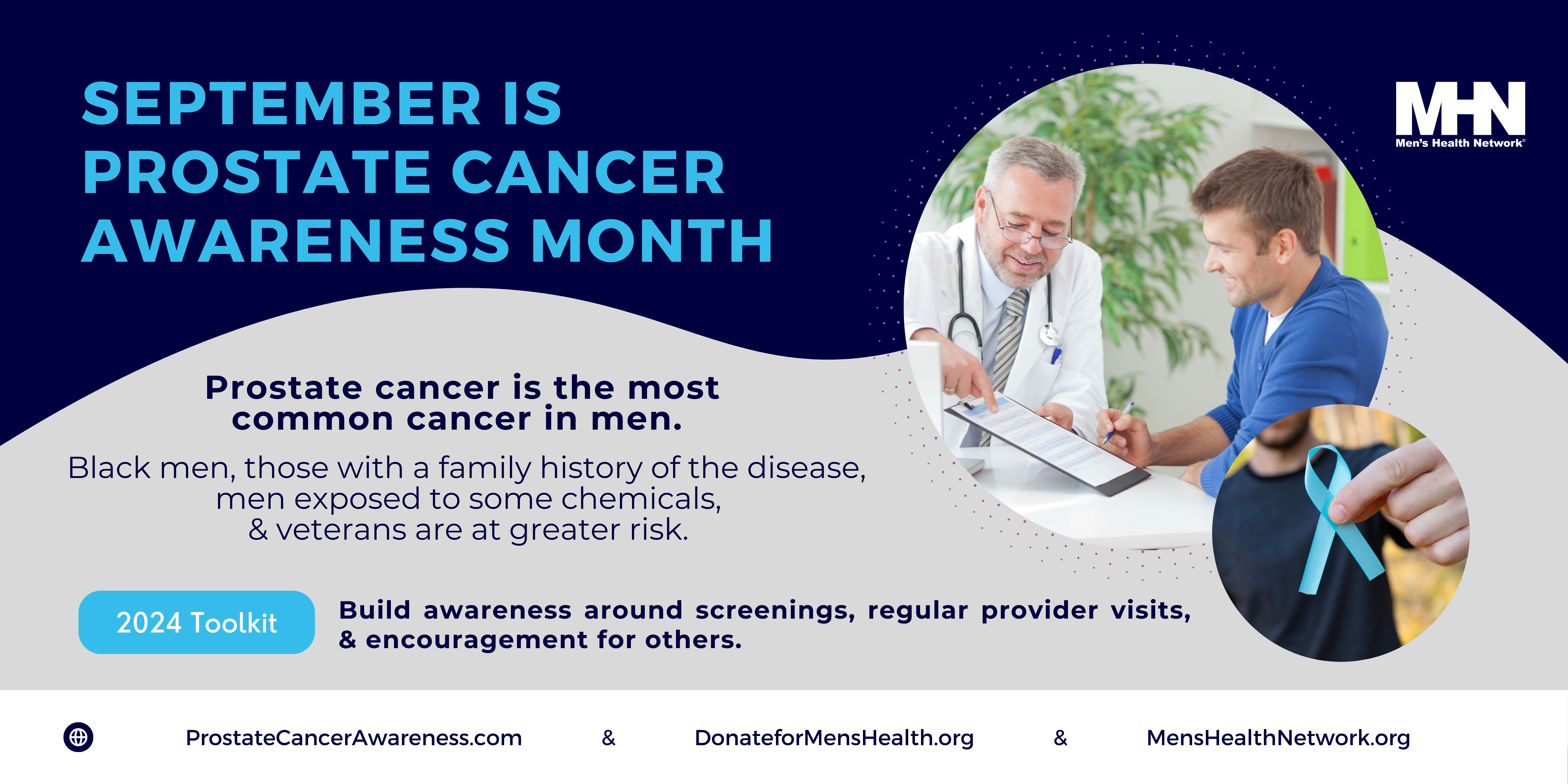
Prostate cancer is a critical health issue that affects a large number of men worldwide. With September designated as Prostate Cancer Awareness Month, it’s an opportunity to promote awareness, encourage regular health screenings, and educate men about early detection and treatment. Prostate cancer is the most common cancer among men, and understanding the risks, symptoms, and prevention strategies is essential for reducing its impact. This blog covers key information on prostate cancer and how you can get involved in raising awareness and supporting the cause.Continue reading
Category: Research and Science
The Case for Prostate Cancer Diagnostics & Treatments
The Case for Prostate Cancer Diagnostics & Treatments Written By: Cassie Whyte A few days ago, I had the pleasure of speaking with prominent Urologist, prostate cancer expert, and men’s health advocate, Dr. E David Crawford. Throughout his decades of experience, Dr. Crawford has dedicated himself to improving prostate cancer diagnostics and treatment, as well...Continue reading
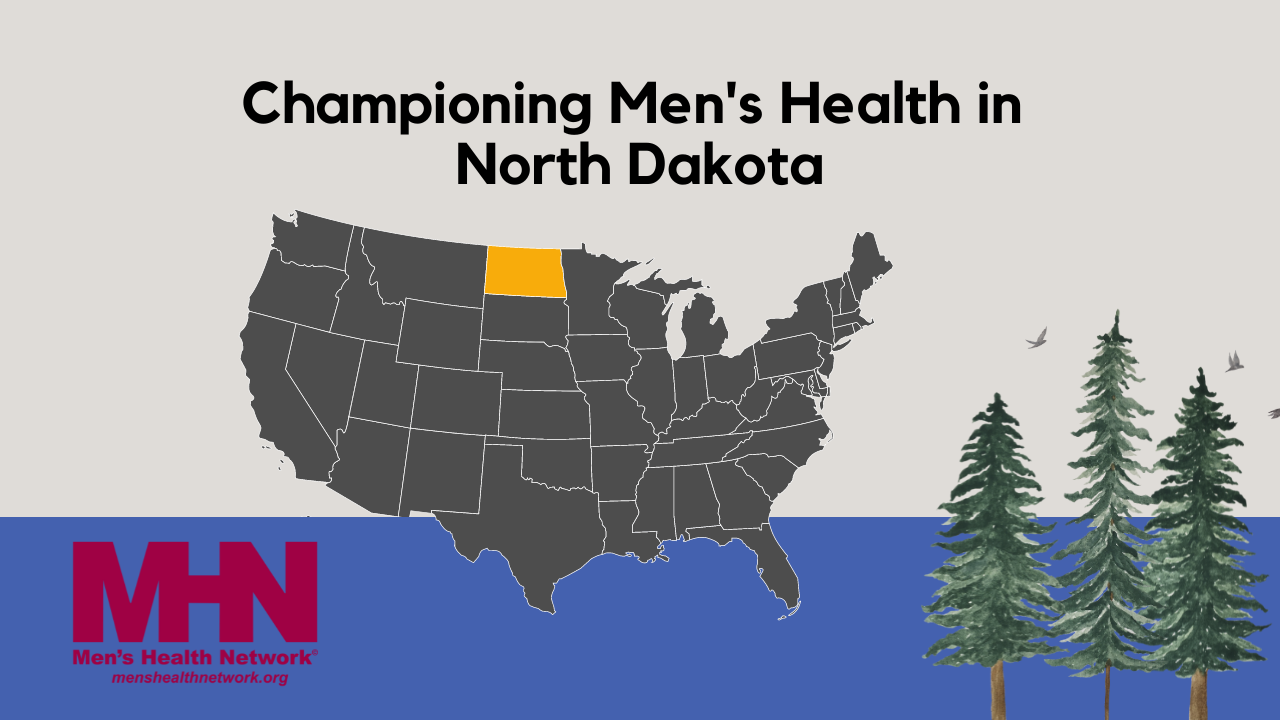
Championing Men’s Health in North Dakota
Nationwide, men are more likely than women to engage in unhealthy and unsafe behavior, and the same can be said for men in North Dakota. In this article, Contributing Author, Hannah Hanson, offers insight into the ways North Dakota and the Centers for Disease Control and Prevention are taking charge of this disparity and implementing key programs to improve lifelong outcomes for men and boys.Continue reading
Shining a Light on Men’s Mental Health: A Vital Focus During Mental Health Month
May is recognized as Mental Health Month, providing an invaluable opportunity to raise awareness and understanding about mental health issues. In this blog, we explore and discuss the significance of Mental Health Month for men, boys, and their families.Continue reading
Key Alzheimer’s risk factors affect men more than women, study shows
U of A scientists find an unexpected sex difference in how a particular gene and vascular health interact to affect memory loss. January 20, 2023 By Ramona Czakert Franson Scientists at the University of Alberta have discovered that important risk factors in Alzheimer’s disease affect males and females very differently. “Two types of risk for...Continue reading
Reigniting The War on Cancer
Intense rigor and standards make up the core values of scientific research and medical progress. Though a sequential, slow and arduous process, this empirical approach has become the standard because of the track record of safety and reassurance it has institutionalized when medical advances are brought to market. Yet, for public health issues in desperate...Continue reading
Keep Your Patients Healthy Throughout Adulthood by Improving Nutrition
Adults’ dietary patterns often reflect habits that they established during childhood and adolescence. Sometimes, this means carrying unhealthy habits into adulthood — but it’s never too late to make changes. Health professionals can use the Dietary Guidelines for Americans, 2020–2025 to support adults in following a healthy dietary pattern, engaging in regular physical activity, and maintaining a...Continue reading
Research tests benefits of matching addiction patients to treatment options
When it comes to gender, alcohol and drug abuse are not equal-opportunity afflictions. Men are more likely than women to use almost all types of illegal drugs, and they are more likely to end up in emergency rooms or dying as a result of overdose, according to the National Institute on Drug Abuse. Men also have...Continue reading
Researchers study how telehealth helps patients and healthcare professionals
One way that COVID-19 has changed the landscape for medicine is the rise in the use of telehealth for patient care. There is a growing sense that telehealth can help people manage their health and improve their access to care, which may be especially valuable in areas where health professionals and facilities are sparse. Telehealth...Continue reading
Authorities fear COVID-19 is making opioid abuse worse
The opioid abuse epidemic in the United States was already urgent when the COVID-19 pandemic began, but health authorities fear the virus has made the opioid epidemic even worse. A Centers for Disease Control and Prevention (CDC) report released in December 2020 notes that 10 western states saw opioid overdoses increase in that year. Most...