November: A Month to Focus on Men’s Health and Community

November is a pivotal month for raising awareness about men’s health and community well-being. From Alzheimer’s and diabetes to epilepsy, tobacco use, and sexual health, each observance offers an opportunity to take action and encourage preventive care. Men’s Health Network emphasizes that health doesn’t take a season off—simple habits, early conversations, and empathy-driven outreach can make lasting change. This month’s blog highlights national campaigns like the Great American Smokeout, National Diabetes Month, and Impotence Education Month, alongside Illinois’ groundbreaking creation of a Division of Men’s Health. It also spotlights the growing Men’s Health Ambassadorship Program—ordinary people doing extraordinary work to close the Lifespan Gender Gap and build healthier communities. Through awareness, advocacy, and everyday choices, November reminds us that improving men’s health is a shared mission that benefits families, workplaces, and society as a whole.Continue reading

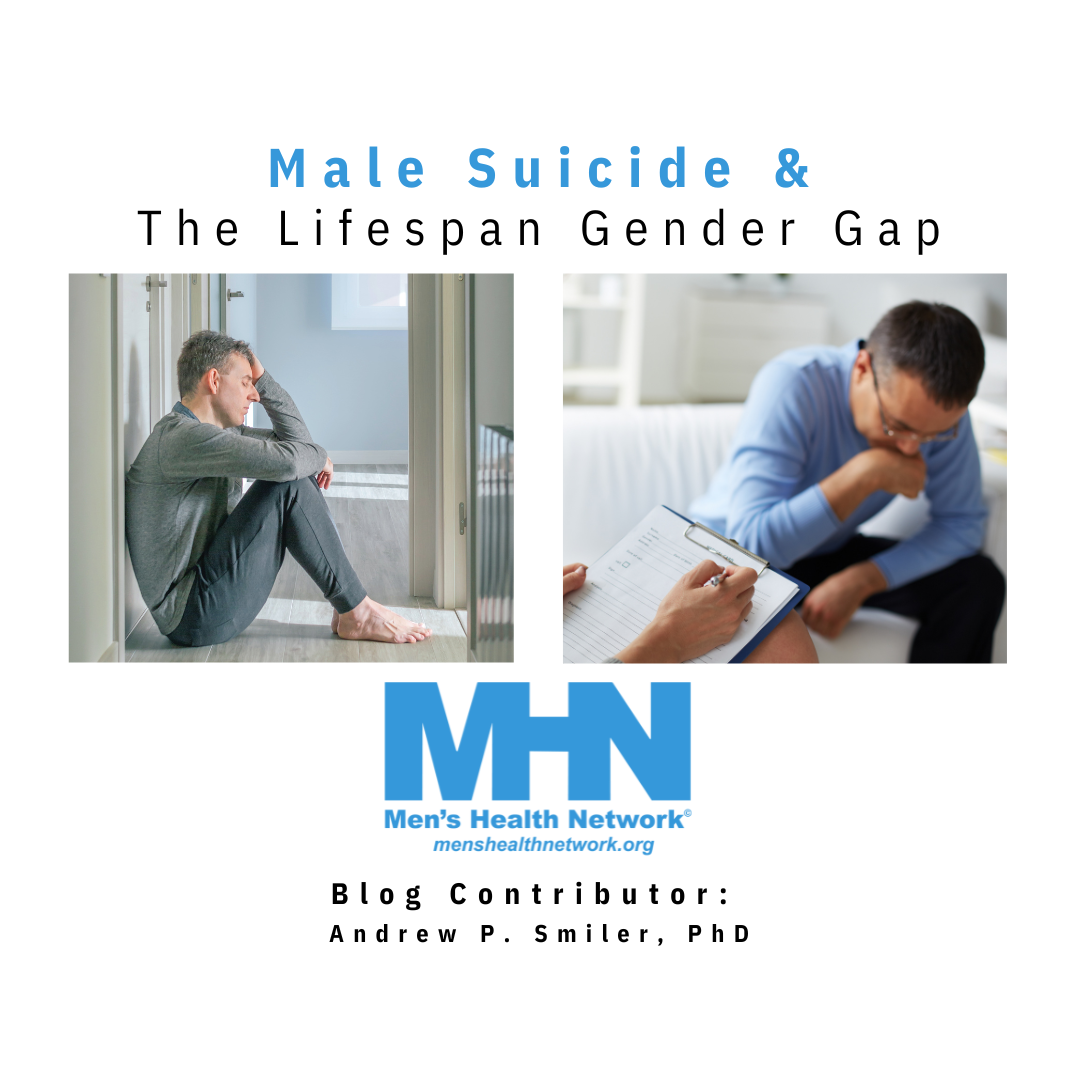
Male Suicide and the Lifespan Gender Gap

October is National Depression and Mental Health Awareness and Screening Month, a time to bring attention to the silent crisis affecting men and boys. In this blog, Men’s Health Network highlights the deep connection between suicide and the Lifespan Gender Gap, reminding us that men are four times more likely to die by suicide than women. Contributor Dr. Andrew Smiler examines the data, cultural pressures, and life circumstances, such as loss of work or relationships, that contribute to male suicide rates. The piece urges readers to break the silence, check in with the men in their lives, and remember that reaching out for help is a sign of strength. Together, we can close the gap and remind the world that mental health is men’s health.Continue reading

Simple and Effective Ways Fathers Can Support Healthy Habits in Kids

Fathers play a powerful role in shaping their kids’ lifelong health. By modeling good habits—like eating balanced meals, staying active, keeping a sleep routine, managing emotions, and building positive relationships—dads can make healthy living natural, fun, and lasting.Continue reading

Man Therapy® – You Can’t Fix Your Mental Health With Duct Tape.

This blog highlights Man Therapy®, a groundbreaking men’s mental health initiative that uses humor, education, and stigma-smashing strategies to engage men upstream of crisis. By reframing mental health as a sign of strength and providing practical tools, resources, and research-backed approaches, Man Therapy helps men take action, build resilience, and reduce suicide risk in their communities.Continue reading

Why I Care About Men’s Health… And Why You Should Too

In "Speaking Up for the Silent Majority," Shelby Leventhal, a college senior at the University of Kentucky, shares a powerful perspective on why women should care about men’s health. Drawing from her own experiences and observations, she explores the stigma that keeps many men from seeking care and urges women to play a more active role in encouraging the men in their lives to prioritize both physical and mental health. Through personal stories, cultural reflection, and a call to action, Shelby makes a compelling case for empathy, awareness, and support in the men’s health movement.Continue reading

Shattering the silence: A fresh story for men’s mental health

In Shattering the Silence: A Fresh Story for Men's Mental Health, guest contributor Aaradhana Aiyyar explores how cultural norms around masculinity prevent many men from seeking mental health support. The piece highlights the hidden signs of male depression, the physical toll of emotional suppression, and the urgent need to redefine strength as vulnerability. With practical steps for individuals, families, and communities, this blog is a call to action to destigmatize men’s mental health and build a culture where emotional honesty is seen as courage—not weakness.Continue reading

International Men’s Health Week 2025: Lead with Empathy, Act with Purpose

As we celebrate International Men’s Health Week, it’s important to recognize where it all began. Men’s Health Network not only launched Men’s Health Week and Men’s Health Month—they laid the groundwork for a global movement. Their advocacy helped pass the original Congressional resolution in 1994, signed into law by President Bill Clinton, establishing Men’s Health Week as a national observance. From there, they created the infrastructure, messaging, and coalition-building that gave rise to what is now an international health campaign.Continue reading

Global Data Confirms It: Men’s Health Deserves Focus, Funding, and a Future

In response to the recent PLOS Medicine, "Sex-disaggregated data along the gendered health pathways" Article: It’s a vital contribution to the men’s health conversation and affirms something we’ve said all along: Men's health outcomes will improve when we prioritize men’s health intentionally. At MHN, we see this Article as a roadmap, but it’s up to all of us—health professionals, policymakers, community leaders, and advocates—to act on it. Follow along for all of our commentary on this article... Continue reading

The Role of Lifestyle Choices in Men’s Health: Nutrition, Exercise, & Beyond

You don’t need to overhaul your life overnight. Start small. Pick one habit this week—meal prep, daily walks, earlier bedtime—and commit to it. Over time, these small wins compound into real, measurable health improvements. Yet many men are still unaware of just how impactful their habits can be. The good news? Even small, consistent changes can lead to significant improvements in overall well-being. In this article, I’ll outline the evidence-based lifestyle pillars that support physical, mental, and metabolic health in men—and offer practical strategies to start improving them today.Continue reading

Jet Lag Can’t be THAT Bad: Issues Linked to Lack of Sleep

Men, especially those juggling long work hours or night shifts, often lead this pack, with lifestyle releases like late-night screen time or caffeine cutting into rest. Poor quality of sleep is a common issue that disrupts lives every day and night. Insomnia, marked by trouble falling or staying asleep, affects an estimated 10-30% of adults globally, with around 10% experiencing chronic symptoms lasting months or more, according to the American Academy of Sleep Medicine. That’s roughly 33 million people grappling with persistent sleeplessness, often tied to stress, anxiety, or medical conditions.Continue reading

Scroll to top