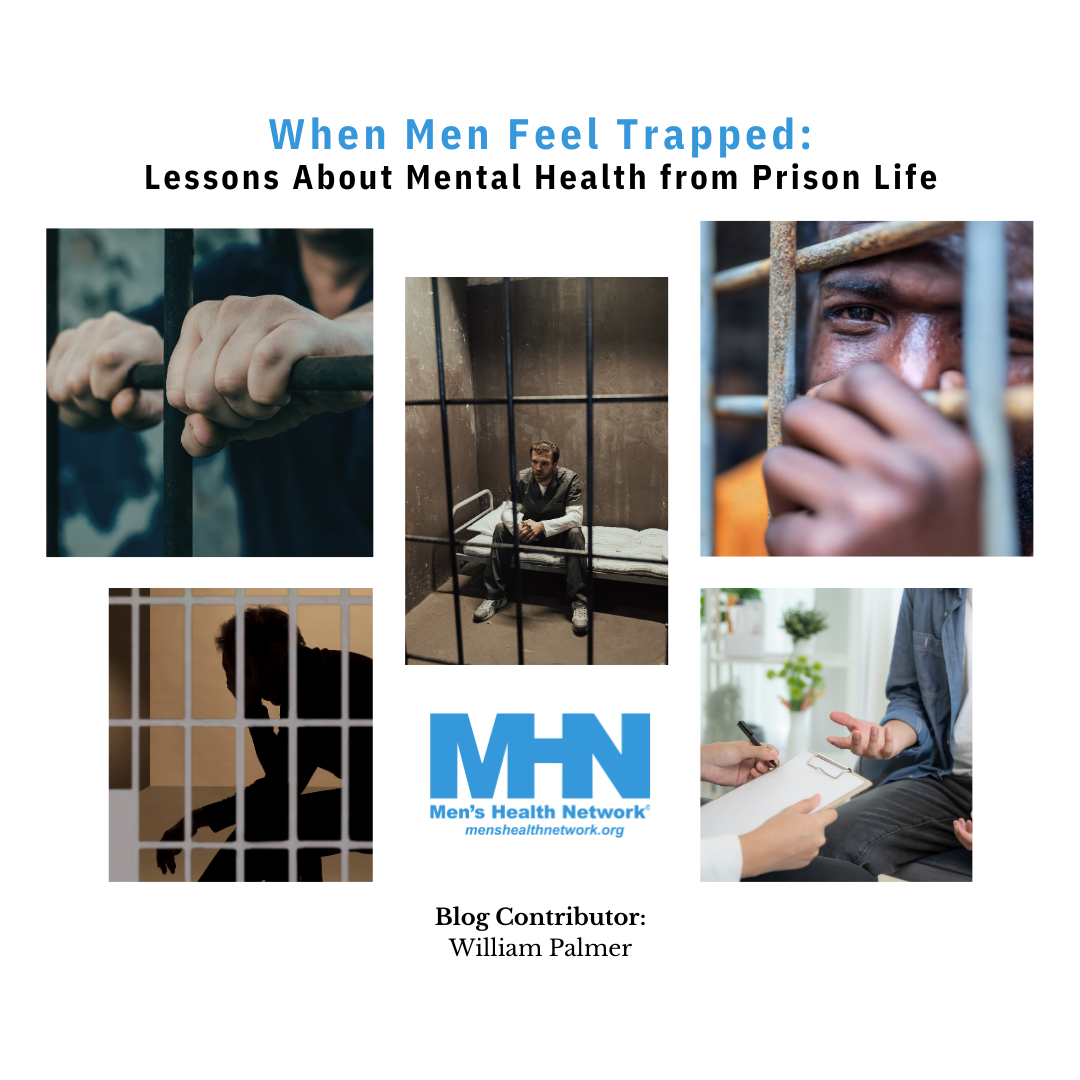
When Men Feel Trapped: Lessons About Mental Health from Prison Life

This essay argues that prison life exposes, in intensified form, the same psychological pressures many men face in everyday modern life: loss of agency, identity erosion, chronic stress, emotional isolation, and the belief that “functioning” equals health. Drawing on conversations with former inmates and observations from prison ministry, the author shows how men unravel not primarily from violence, but from isolation, dehumanization, and avoidance of inner pain—patterns mirrored outside prison through overwork, numbing behaviors, and silent suffering. The piece emphasizes that men heal when dignity is restored through purpose, trusted responsibility, structured community, and honest self-examination, rather than punishment or performance-based worth. Ultimately, the essay reframes men’s mental health as a human and structural issue, arguing that if practices like truth-telling, meaningful responsibility, and brotherhood can sustain men under extreme confinement, they are essential tools for helping men reclaim resilience, identity, and emotional well-being in everyday life.Continue reading
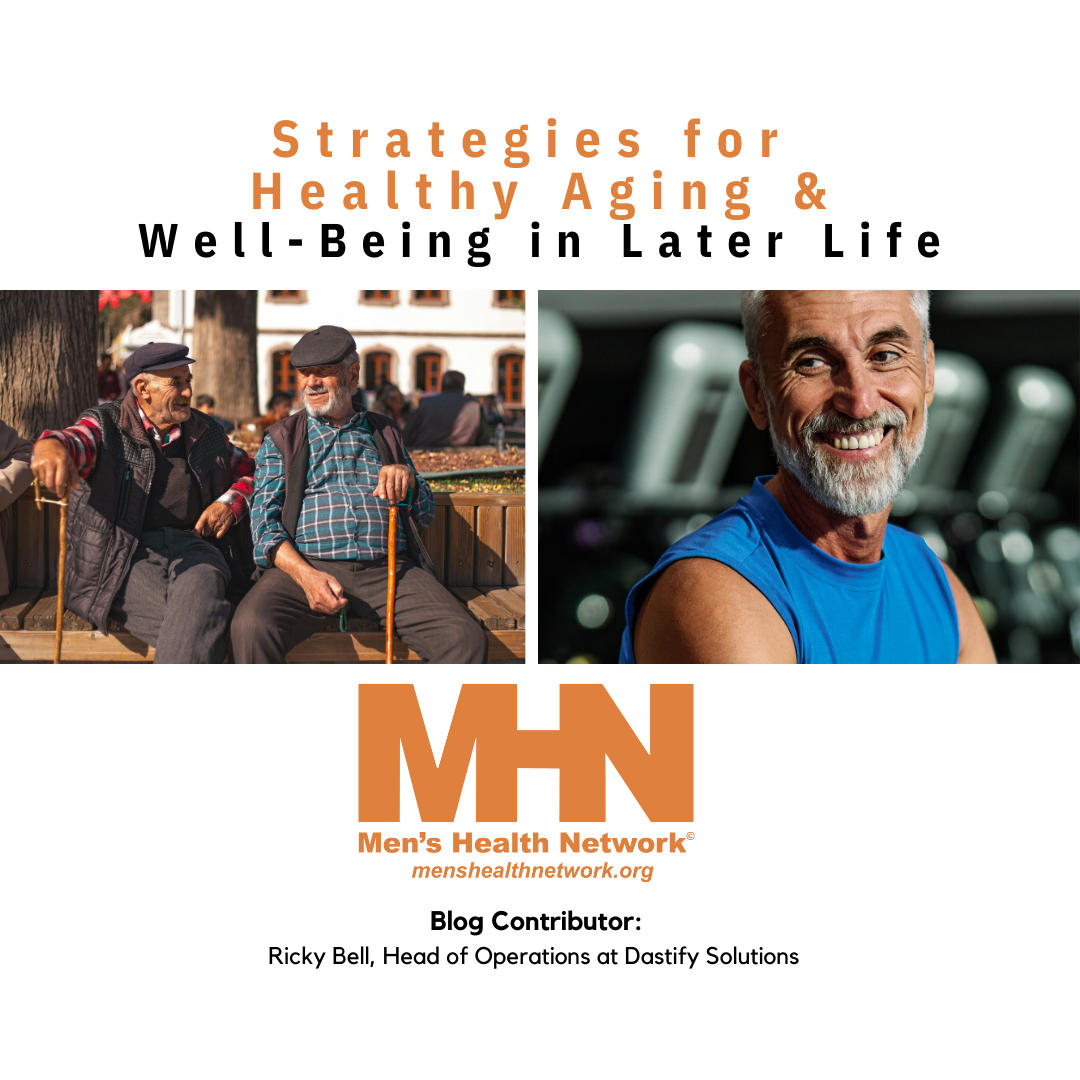
Strategies for Healthy Aging and Well-Being in Later Life

The blog reframes aging as a stage of opportunity rather than decline, emphasizing that many physical, cognitive, and emotional challenges associated with later life can be prevented or managed through intentional, healthy behaviors. It highlights the importance of balanced nutrition, regular physical activity, and preventive healthcare to maintain strength, mobility, and independence, alongside lifelong learning, social connection, and stress management to support cognitive and mental well-being. The article also stresses emotional resilience through purpose, relationships, gratitude, and adaptability, noting that technology and community engagement can further enhance health, connection, and autonomy. Overall, it argues that healthy aging is holistic and proactive, focusing on adding quality and fulfillment to life, not just years.Continue reading

Boys Falling Off the Health-Care Map: And How We Keep Them Connected

This blog, reposted from Dominick Shattuck, PhD’s Substack with permission from the author, examines new research showing how many boys quietly disengage from preventive health care during the transition from adolescence to young adulthood. Drawing on findings from the Journal of Adolescent Health and decades of men’s health research, the piece explores how masculinity norms, low perceived risk, structural barriers, and unwelcoming health systems contribute to boys “falling off the health-care map.” It highlights why this early disengagement matters for long-term health outcomes and outlines practical, evidence-informed strategies for building health systems that keep boys connected to care before preventable problems become lifelong challenges.Continue reading

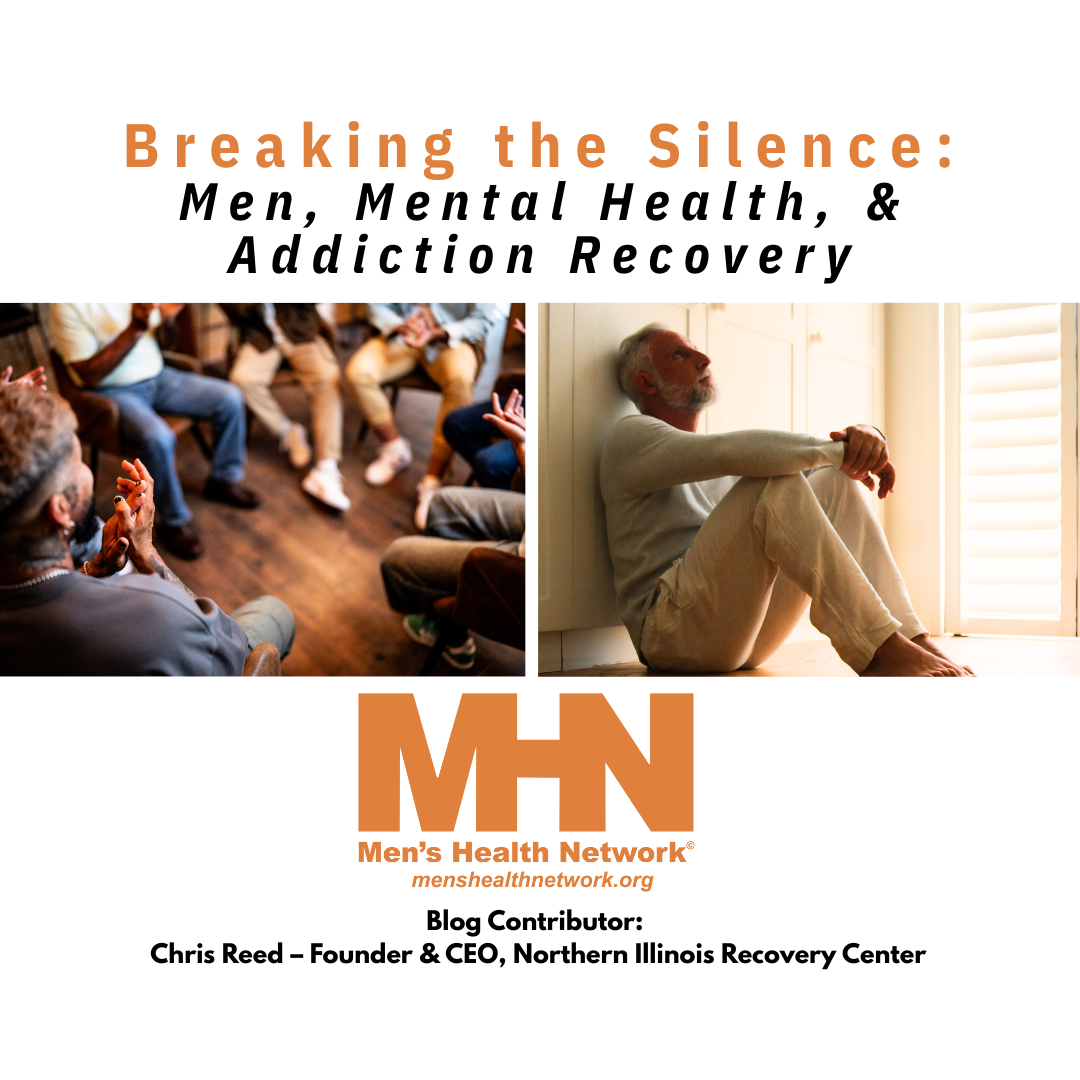
Breaking the Silence: Men, Mental Health, and Addiction Recovery

Men’s mental health and addiction are deeply connected, yet many men struggle in silence due to stigma and cultural expectations. This blog explores the unique mental health challenges men face, the link between untreated mental health conditions and substance use, and the barriers that prevent men from seeking help. Highlighting the work of Men’s Health Network and Northern Illinois Recovery Center, it underscores the importance of male-focused, evidence-based treatment, education, and community support in breaking the silence and helping men begin the path toward recovery and long-term wellness.Continue reading

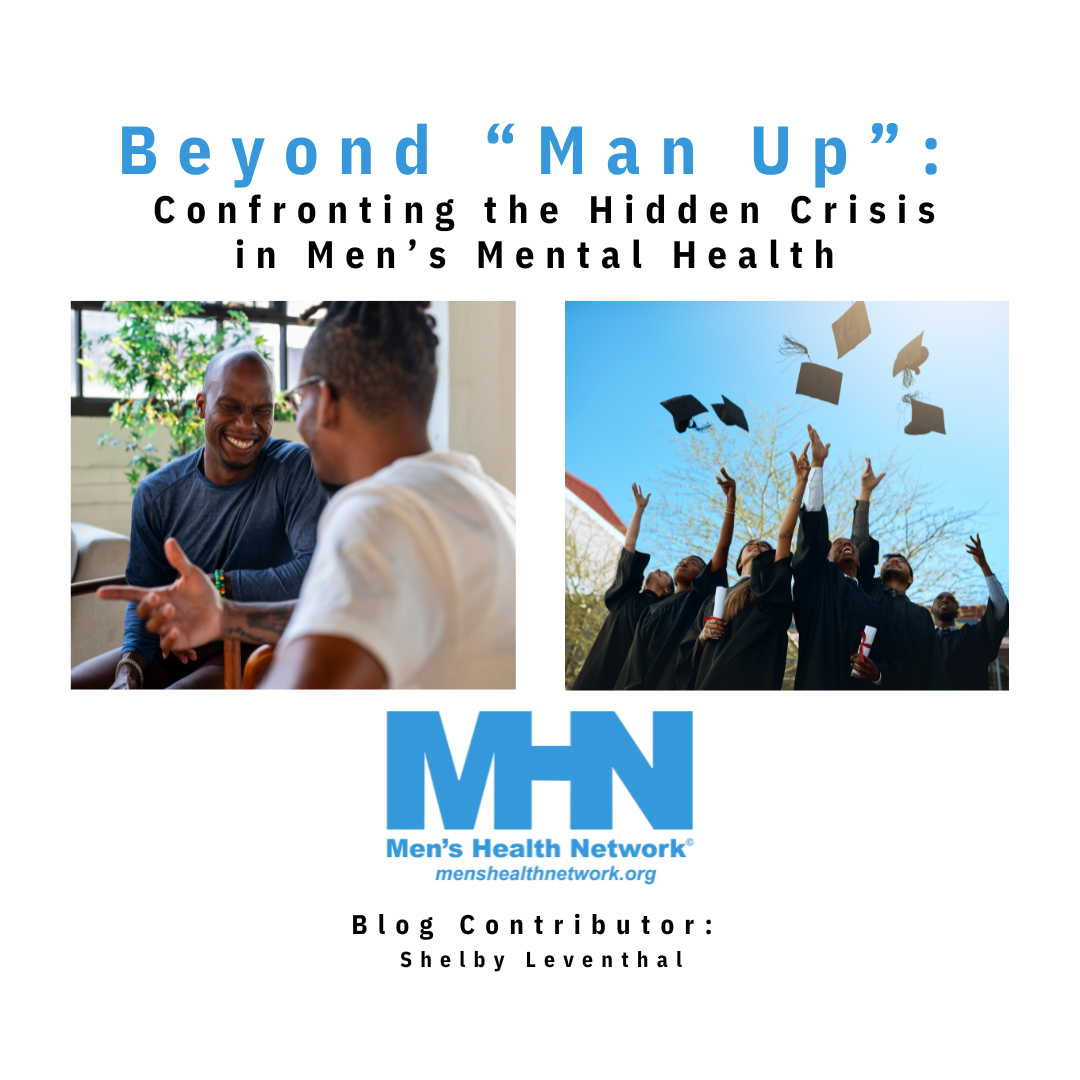
Beyond “Man Up”: Confronting the Hidden Crisis in Men’s Mental Health

This blog examines why men’s mental health is often overlooked and how societal expectations and media stereotypes pressure men to hide their emotions. Many men struggle silently due to norms like “boys don’t cry,” leading to difficulty expressing feelings and avoiding help. Through personal insight and real stories, the blog highlights the power of vulnerability and the need for empathy, open conversations, and support. It encourages readers to help create a culture where men feel safe to speak up and seek care.Continue reading

November: A Month to Focus on Men’s Health and Community

November is a pivotal month for raising awareness about men’s health and community well-being. From Alzheimer’s and diabetes to epilepsy, tobacco use, and sexual health, each observance offers an opportunity to take action and encourage preventive care. Men’s Health Network emphasizes that health doesn’t take a season off—simple habits, early conversations, and empathy-driven outreach can make lasting change. This month’s blog highlights national campaigns like the Great American Smokeout, National Diabetes Month, and Impotence Education Month, alongside Illinois’ groundbreaking creation of a Division of Men’s Health. It also spotlights the growing Men’s Health Ambassadorship Program—ordinary people doing extraordinary work to close the Lifespan Gender Gap and build healthier communities. Through awareness, advocacy, and everyday choices, November reminds us that improving men’s health is a shared mission that benefits families, workplaces, and society as a whole.Continue reading

Male Suicide and the Lifespan Gender Gap

October is National Depression and Mental Health Awareness and Screening Month, a time to bring attention to the silent crisis affecting men and boys. In this blog, Men’s Health Network highlights the deep connection between suicide and the Lifespan Gender Gap, reminding us that men are four times more likely to die by suicide than women. Contributor Dr. Andrew Smiler examines the data, cultural pressures, and life circumstances, such as loss of work or relationships, that contribute to male suicide rates. The piece urges readers to break the silence, check in with the men in their lives, and remember that reaching out for help is a sign of strength. Together, we can close the gap and remind the world that mental health is men’s health.Continue reading

Simple and Effective Ways Fathers Can Support Healthy Habits in Kids

Fathers play a powerful role in shaping their kids’ lifelong health. By modeling good habits—like eating balanced meals, staying active, keeping a sleep routine, managing emotions, and building positive relationships—dads can make healthy living natural, fun, and lasting.Continue reading

Man Therapy® – You Can’t Fix Your Mental Health With Duct Tape.

This blog highlights Man Therapy®, a groundbreaking men’s mental health initiative that uses humor, education, and stigma-smashing strategies to engage men upstream of crisis. By reframing mental health as a sign of strength and providing practical tools, resources, and research-backed approaches, Man Therapy helps men take action, build resilience, and reduce suicide risk in their communities.Continue reading

Why I Care About Men’s Health… And Why You Should Too

In "Speaking Up for the Silent Majority," Shelby Leventhal, a college senior at the University of Kentucky, shares a powerful perspective on why women should care about men’s health. Drawing from her own experiences and observations, she explores the stigma that keeps many men from seeking care and urges women to play a more active role in encouraging the men in their lives to prioritize both physical and mental health. Through personal stories, cultural reflection, and a call to action, Shelby makes a compelling case for empathy, awareness, and support in the men’s health movement.Continue reading

Scroll to top