Recovering From a Colonoscopy:
What to Expect After Your Procedure
Blog Written by: Allied Digestive Health
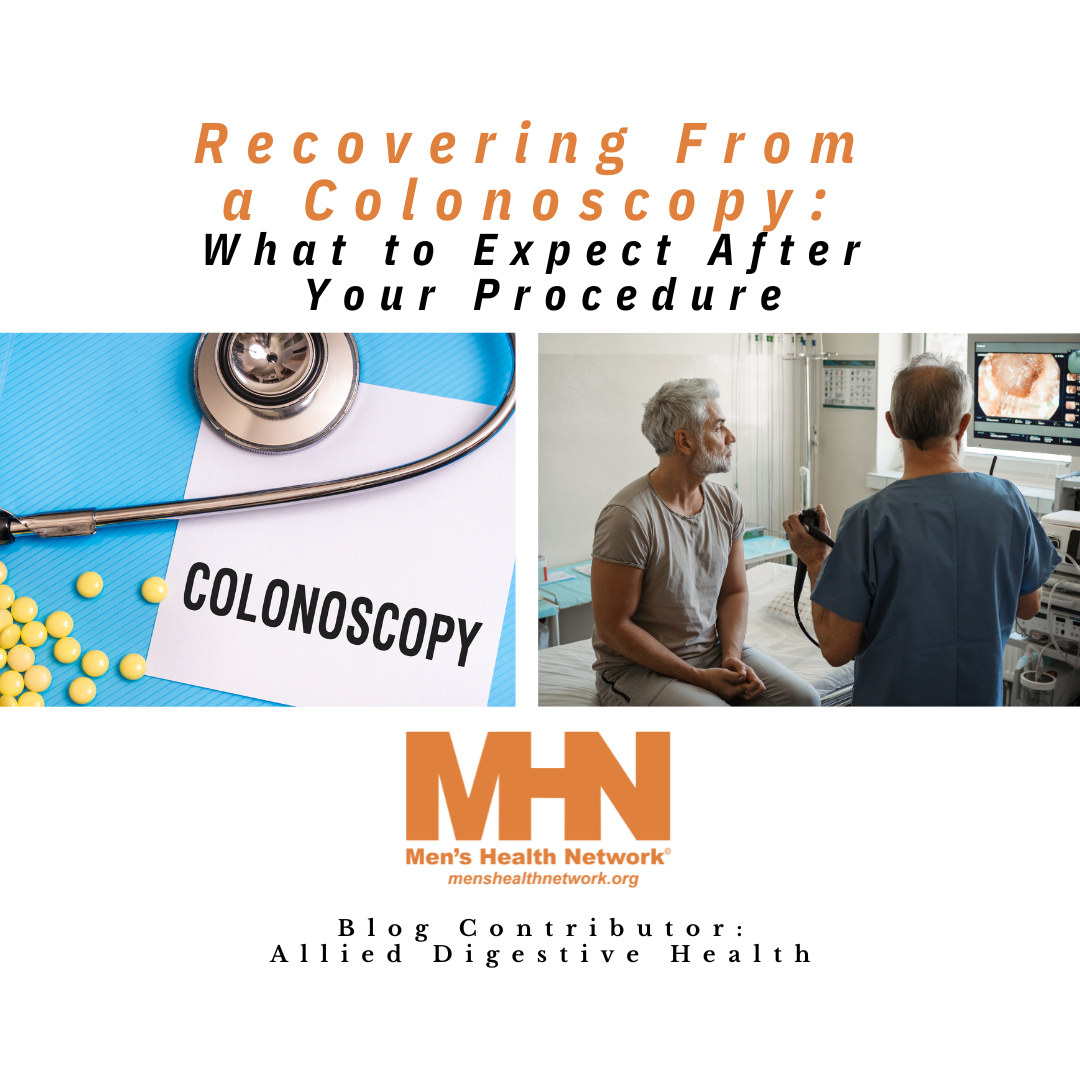
A colonoscopy is a minimally invasive screening tool for detecting colorectal cancer and identifying potentially precancerous polyps. The procedure itself usually only takes about an hour, but what about recovering from a colonoscopy? If you have a colonoscopy planned, it’s important to consider what comes after the procedure. Here, we walk you through the process– from waking up from the sedative and getting home safe, to how to manage discomfort, what to eat, and the difference between normal side effects and red flags.
Why Post-Colonoscopy Recovery Matters
While the procedure itself is brief and usually well-tolerated, recovery plays an essential role in ensuring your safety and comfort after the exam, as well as monitoring for potential complications. Between the sedation, bowel preparation, and the procedure itself, a colonoscopy can be hard on the body. Whether tissue samples were taken or polyps were removed, proper aftercare can help prevent complications and allow your digestive system time to return to normal.
The First 24 Hours:
Normal Side Effects vs. Red Flags
In the hours following your colonoscopy, you may feel groggy due to the sedation. This is normal and typically wears off within a few hours. You might also experience bloating, abdominal cramping, or an urge to pass gas, especially if air was introduced into the colon during the procedure.
Common, temporary symptoms include:
-
Mild abdominal discomfort
-
Small amounts of rectal bleeding (especially if polyps were removed)
-
Fatigue
However, there are red flags you should not ignore.
Call your doctor right away if you notice:
-
Persistent or heavy rectal bleeding
-
Severe abdominal pain
-
Fever or chills
-
Bloody bowel movements that do not improve
-
Dizziness or fainting
According to the National Institute of Diabetes and Digestive and Kidney Diseases, bleeding and perforation are the most common complications from a colonoscopy. Patients are advised to monitor for red flag symptoms closely in the first 24 hours.
Grogginess & Gas:
How Long Anesthesia Effects Last
Most patients are sedated using a sedative or anesthesia for the procedure, and the gas used may make you feel tired or mentally foggy afterward. Plan to rest for the remainder of the day and avoid activities that require concentration, such as driving or operating heavy machinery. These effects generally wear off within 12 to 24 hours, though this can vary depending on the type of sedation used and the individual.
Managing Discomfort
Minor abdominal discomfort is common post-procedure, particularly if air was used to expand the colon. Over-the-counter anti-inflammatory medications, like ibuprofen, can help relieve mild pain, unless your doctor advises otherwise. A heating pad or warm bath can also provide comfort.
When to Eat, What to Eat–Your Post-Procedure Diet
After your colonoscopy, your doctor may recommend starting with light, easy-to-digest foods. Begin with clear liquids or broths and gradually reintroduce solid foods as you feel ready. Avoid heavy, greasy meals or foods high in fiber for at least the first meal or two.
Recommended foods include the BRAT diet, which includes bananas, rice (or noodles), applesauce, and toast (or crackers). Yogurt or broth are also a good choice.
It is important to drink plenty of fluids to help flush out any remaining sedation and rehydrate your body.
Activity Guidelines:
From Naps to Gym Sessions
Rest is key during the first day after your colonoscopy. Avoid strenuous activity, heavy lifting, or intense exercise for at least 24 hours, especially if polyps were removed.
Gentle walking is fine and may help relieve bloating or gas. You can typically resume normal activities after a day, unless otherwise instructed by your doctor.
Blood in Stool?
When to Call Your Doctor
A small amount of blood in your stool may be expected, particularly if tissue samples were taken. However, bright red blood, large blood clots, or ongoing bleeding are not normal and should be addressed immediately.
Likewise, if you experience significant pain, fever, or vomiting, contact your healthcare provider. These symptoms may indicate a complication, such as a perforation or infection, which requires prompt medical intervention.
Your Next Steps for Long-Term Digestive Health
Depending on the results of your colonoscopy, your doctor may recommend follow-up testing, a new screening schedule, and/or lifestyle changes. If no abnormalities were found, you may not need another colonoscopy for 10 years. However, if polyps were removed or you have risk factors for colorectal cancer, more frequent monitoring may be necessary.
Maintaining a healthy diet, exercising regularly, avoiding smoking, and managing weight can all support long-term digestive health. Talk to your doctor about what preventive measures are right for you.
When to Talk to Your Doctor
If you’re concerned about symptoms, unsure about dietary recommendations, or want clarification on your test results, don’t hesitate to reach out to your healthcare provider. Open communication ensures that any issues are addressed early, and your recovery stays on track.
About Blog Contributor:
Allied Digestive Health
An integrated group of gastroenterology practices in the northeast, Allied Digestive Health is focused on delivering a positive experience across all care centers. Together with over 200 gastroenterologists, pathologists, anesthesiologists, nurse practitioners, and physician assistants, ADH values consistency and quality, and prides itself on the high level of support provided.