Homicide and the Lifespan Gender Gap

Summary: Men’s Health Network highlights how homicide contributes to the Lifespan Gender Gap—the nearly six-year difference in life expectancy between men and women. Each preventable death of a young man shortens the national average and represents lost potential, relationships, and community strength. In his article, Dr. Andrew Smiler examines data showing that men account for 80% of homicide victims, with most deaths occurring among young men under 35. Many are killed by people they know, often in moments of conflict or status-related tension. Smiler suggests that prevention begins with education—teaching boys and men how to resolve conflict, manage emotions, and de-escalate situations without violence. Men’s Health Network calls for greater empathy and early intervention to help young men live longer, healthier lives, reminding readers that every life saved helps close the gap and strengthen families and communities nationwide.Continue reading

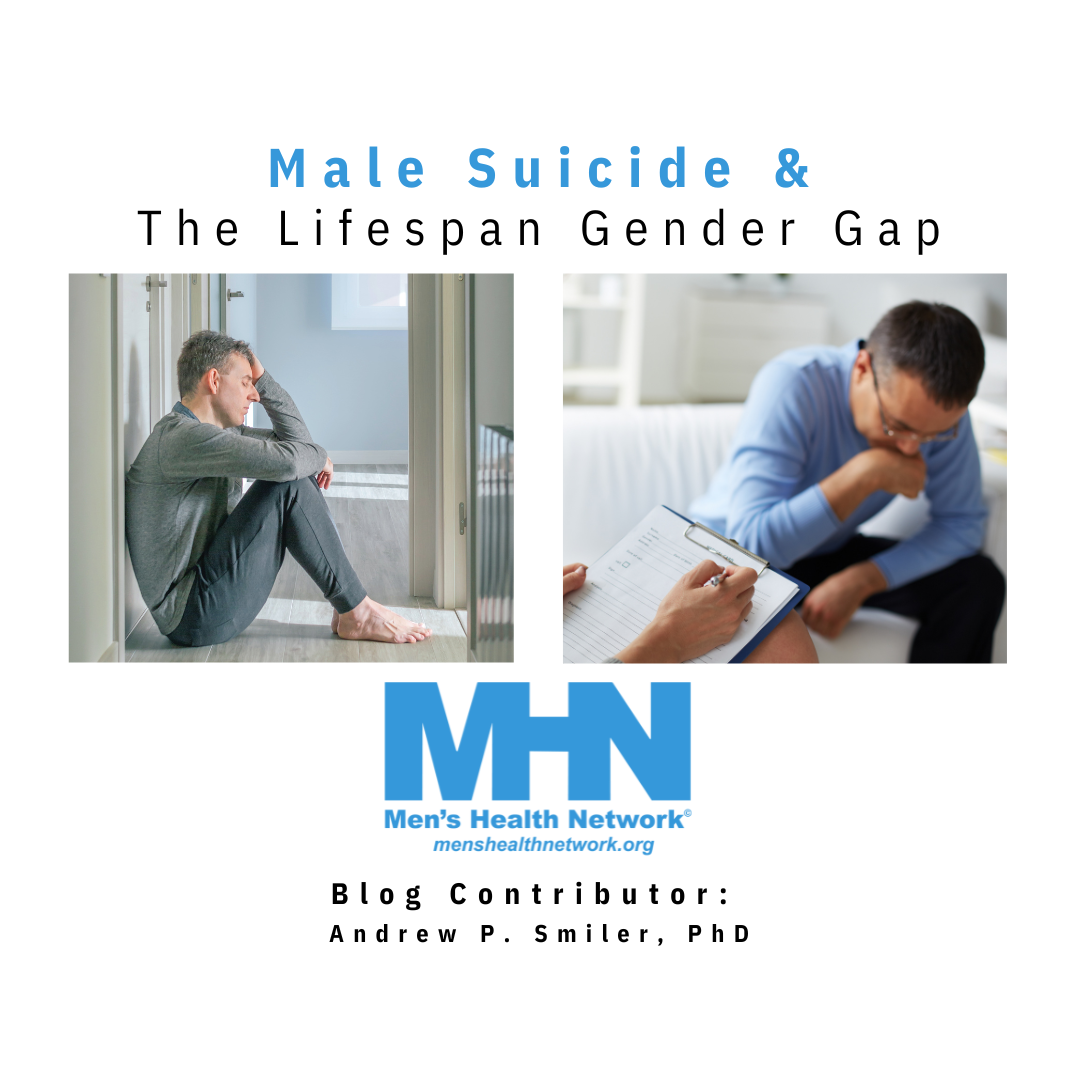
Male Suicide and the Lifespan Gender Gap

October is National Depression and Mental Health Awareness and Screening Month, a time to bring attention to the silent crisis affecting men and boys. In this blog, Men’s Health Network highlights the deep connection between suicide and the Lifespan Gender Gap, reminding us that men are four times more likely to die by suicide than women. Contributor Dr. Andrew Smiler examines the data, cultural pressures, and life circumstances, such as loss of work or relationships, that contribute to male suicide rates. The piece urges readers to break the silence, check in with the men in their lives, and remember that reaching out for help is a sign of strength. Together, we can close the gap and remind the world that mental health is men’s health.Continue reading

Rethinking Masculinity: Insights from “The Masculine Self” (7th Ed.)

Rethinking Masculinity: Insights from The Masculine Self highlights how cultural norms shape men’s health, relationships, and well-being. Drawing from the 7th edition of The Masculine Self by Andrew Smiler, PhD, and Christopher Kilmartin, PhD, the blog explores how ideas of toughness and stoicism influence men’s willingness to seek care, their mental health, and even life expectancy. It examines links between masculinity, violence, suicide, media influence, and physical health, while emphasizing empathy and the importance of supportive spaces. Men’s Health Network underscores that redefining masculinity can improve outcomes and create healthier, more connected lives for men and boys.Continue reading

Shattering the silence: A fresh story for men’s mental health

In Shattering the Silence: A Fresh Story for Men's Mental Health, guest contributor Aaradhana Aiyyar explores how cultural norms around masculinity prevent many men from seeking mental health support. The piece highlights the hidden signs of male depression, the physical toll of emotional suppression, and the urgent need to redefine strength as vulnerability. With practical steps for individuals, families, and communities, this blog is a call to action to destigmatize men’s mental health and build a culture where emotional honesty is seen as courage—not weakness.Continue reading

Scroll to top