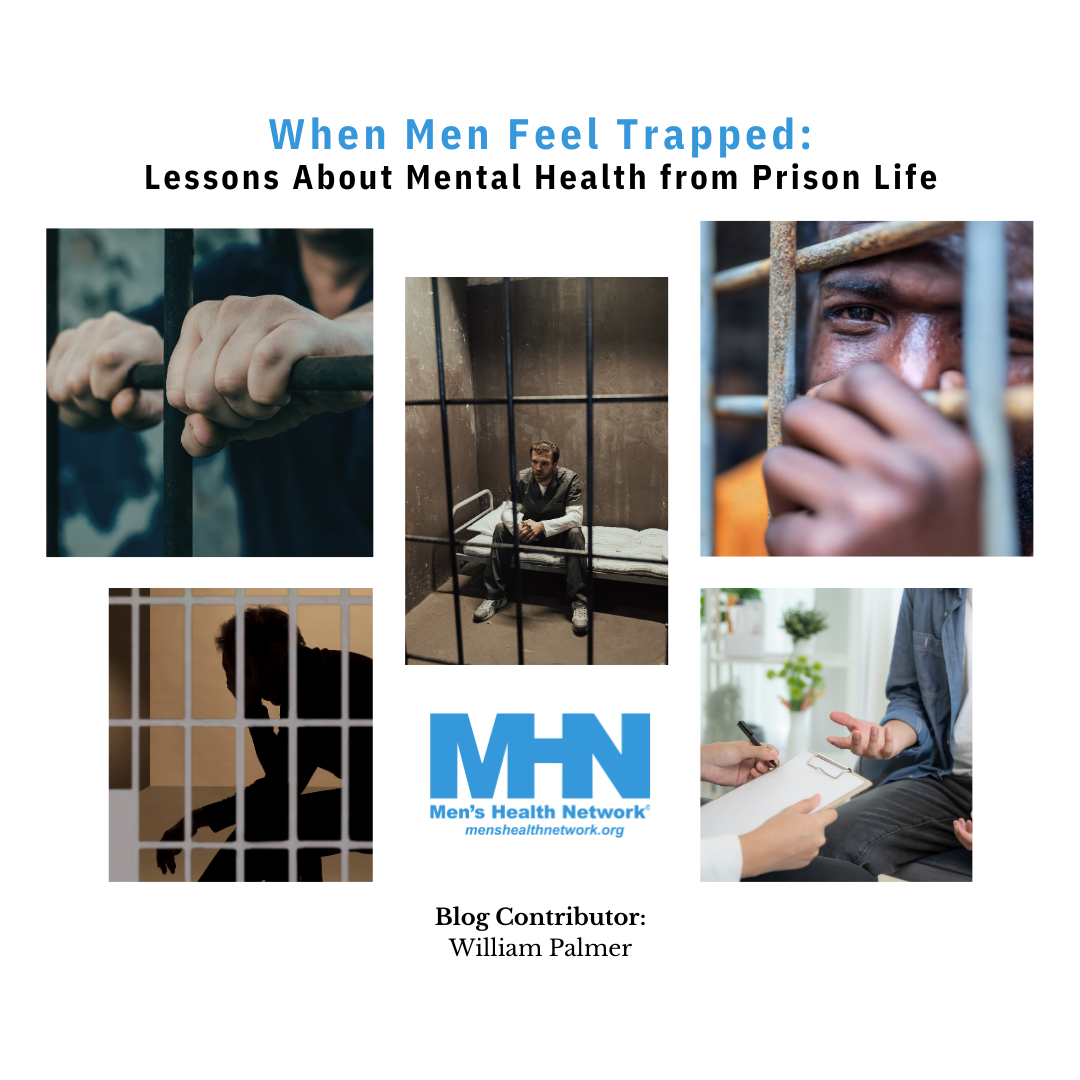
This essay argues that prison life exposes, in intensified form, the same psychological pressures many men face in everyday modern life: loss of agency, identity erosion, chronic stress, emotional isolation, and the belief that “functioning” equals health. Drawing on conversations with former inmates and observations from prison ministry, the author shows how men unravel not primarily from violence, but from isolation, dehumanization, and avoidance of inner pain—patterns mirrored outside prison through overwork, numbing behaviors, and silent suffering. The piece emphasizes that men heal when dignity is restored through purpose, trusted responsibility, structured community, and honest self-examination, rather than punishment or performance-based worth. Ultimately, the essay reframes men’s mental health as a human and structural issue, arguing that if practices like truth-telling, meaningful responsibility, and brotherhood can sustain men under extreme confinement, they are essential tools for helping men reclaim resilience, identity, and emotional well-being in everyday life.Continue reading