Strategies for Healthy Aging and Well-Being in Later Life

The blog reframes aging as a stage of opportunity rather than decline, emphasizing that many physical, cognitive, and emotional challenges associated with later life can be prevented or managed through intentional, healthy behaviors. It highlights the importance of balanced nutrition, regular physical activity, and preventive healthcare to maintain strength, mobility, and independence, alongside lifelong learning, social connection, and stress management to support cognitive and mental well-being. The article also stresses emotional resilience through purpose, relationships, gratitude, and adaptability, noting that technology and community engagement can further enhance health, connection, and autonomy. Overall, it argues that healthy aging is holistic and proactive, focusing on adding quality and fulfillment to life, not just years.Continue reading
Listen to Your Heart: Elevating Heart Valve Disease Awareness During Heart Health Month

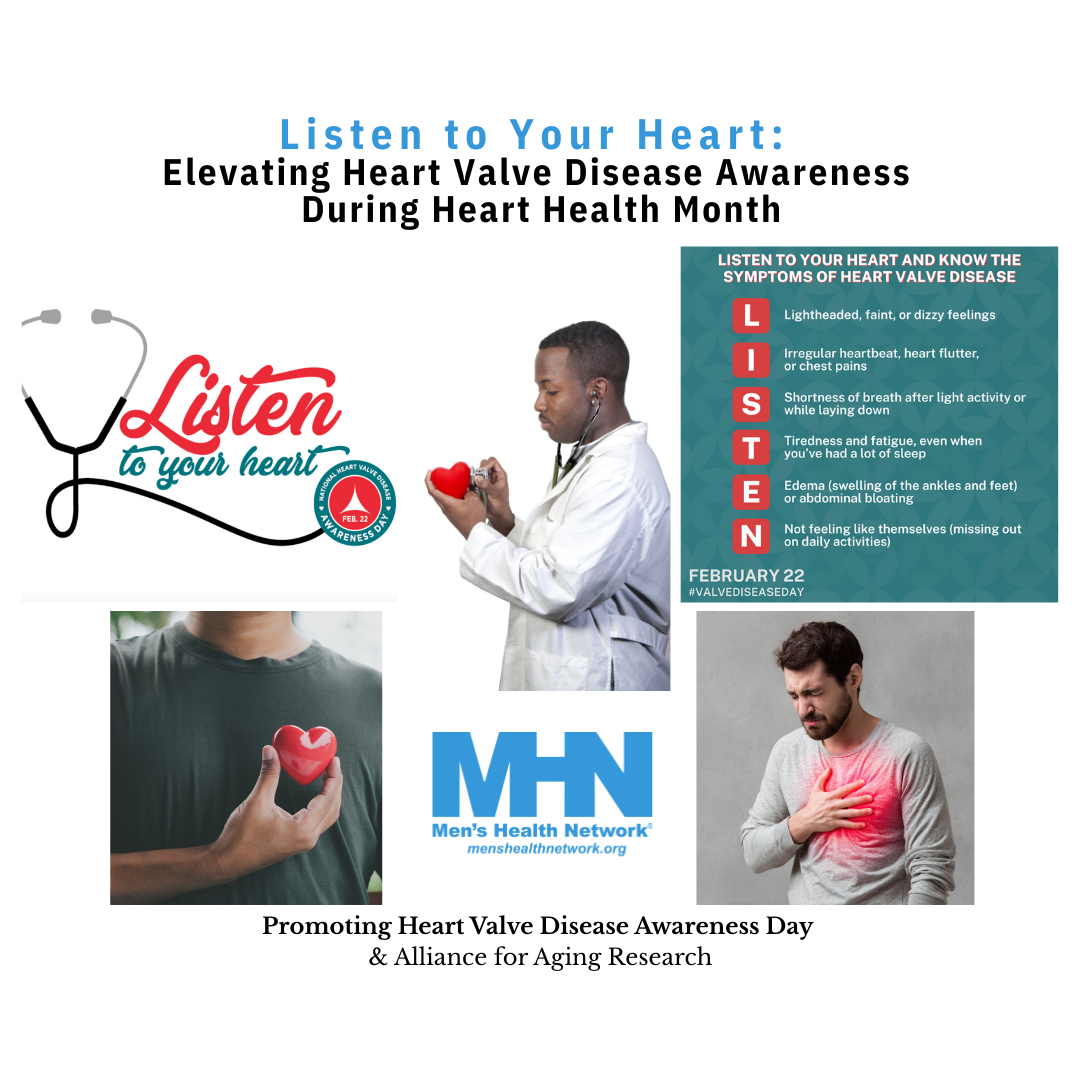
Heart Health Month and Heart Valve Disease Awareness Day (February 22) highlight the importance of recognizing and addressing heart valve disease—an often underdiagnosed condition affecting millions of Americans, particularly older adults. Many people experience symptoms that are mistaken for normal aging, delaying diagnosis and treatment. Awareness and early detection are critical, as heart valve disease is treatable when identified in time. Through the Alliance for Aging Research’s Heart Valve Disease Awareness Day campaign, individuals and organizations can access ready-to-use educational and social media resources to help spread awareness. By downloading and sharing these materials, everyone can play a role in encouraging conversations, earlier screening, and better heart health outcomes.Continue reading

Aging Safely: What Older Adults Need to Know About Acetaminophen Use

A recent nationwide tri-annual research survey from the Consumer Healthcare Products Association’s Health In Hand Foundation and the Know Your Dose campaign revealed some encouraging news: overall awareness of acetaminophen safety remains high. There are, however, some important gaps—particularly among adults aged 65+ living with chronic pain. People in this age group were less likely to know critical safety facts, such as how to identify whether acetaminophen is in their medications, or how to stay within the recommended daily limit. The survey also found that men of all ages are less likely to be aware of or follow safe use guidelines. The blog was written by, James C. Appleby, BSPharm, MPH, ScD (Hon), the chief executive officer of the Gerontological Society of America, the nation’s oldest and largest interdisciplinary organization focused on aging.Continue reading

Scroll to top