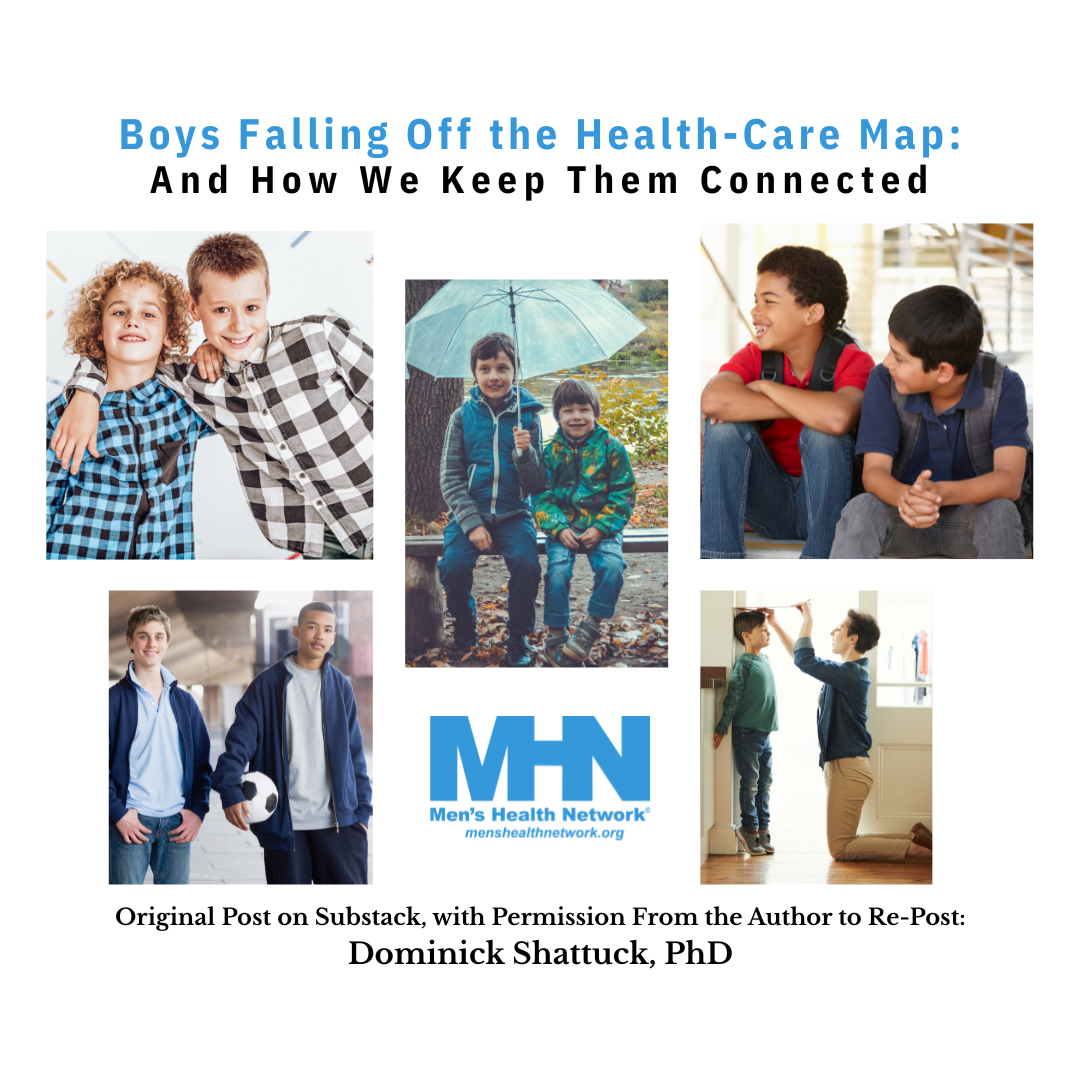
Boys Falling Off the Health-Care Map: And How We Keep Them Connected

This blog, reposted from Dominick Shattuck, PhD’s Substack with permission from the author, examines new research showing how many boys quietly disengage from preventive health care during the transition from adolescence to young adulthood. Drawing on findings from the Journal of Adolescent Health and decades of men’s health research, the piece explores how masculinity norms, low perceived risk, structural barriers, and unwelcoming health systems contribute to boys “falling off the health-care map.” It highlights why this early disengagement matters for long-term health outcomes and outlines practical, evidence-informed strategies for building health systems that keep boys connected to care before preventable problems become lifelong challenges.Continue reading

Illinois Leads the Nation in Men’s Health: A Closer Look at the 2025 Men’s Health Assessment

Illinois is leading the nation in men’s health by becoming one of the only states with a dedicated Men’s Health Section within its Department of Public Health. The newly released Men’s Health Assessment 2025, authored by Andrew Lerch, DPT, PT, provides a comprehensive, data-driven look at the health challenges facing men across the state. This landmark report highlights disparities, identifies priority areas for action, and offers a blueprint for how states can integrate men’s health into public health strategy, policy, and practice.Continue reading

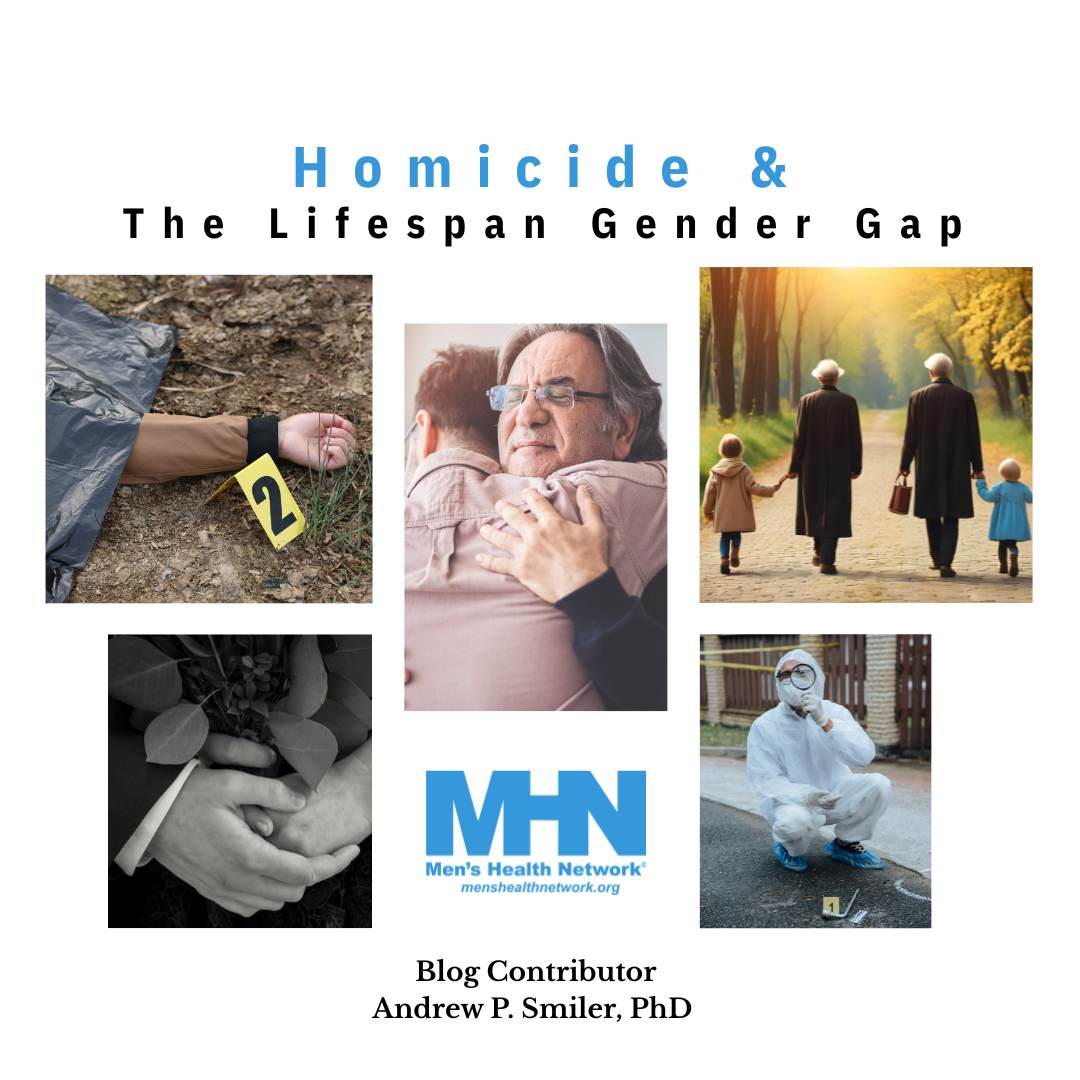
Homicide and the Lifespan Gender Gap

Summary: Men’s Health Network highlights how homicide contributes to the Lifespan Gender Gap—the nearly six-year difference in life expectancy between men and women. Each preventable death of a young man shortens the national average and represents lost potential, relationships, and community strength. In his article, Dr. Andrew Smiler examines data showing that men account for 80% of homicide victims, with most deaths occurring among young men under 35. Many are killed by people they know, often in moments of conflict or status-related tension. Smiler suggests that prevention begins with education—teaching boys and men how to resolve conflict, manage emotions, and de-escalate situations without violence. Men’s Health Network calls for greater empathy and early intervention to help young men live longer, healthier lives, reminding readers that every life saved helps close the gap and strengthen families and communities nationwide.Continue reading

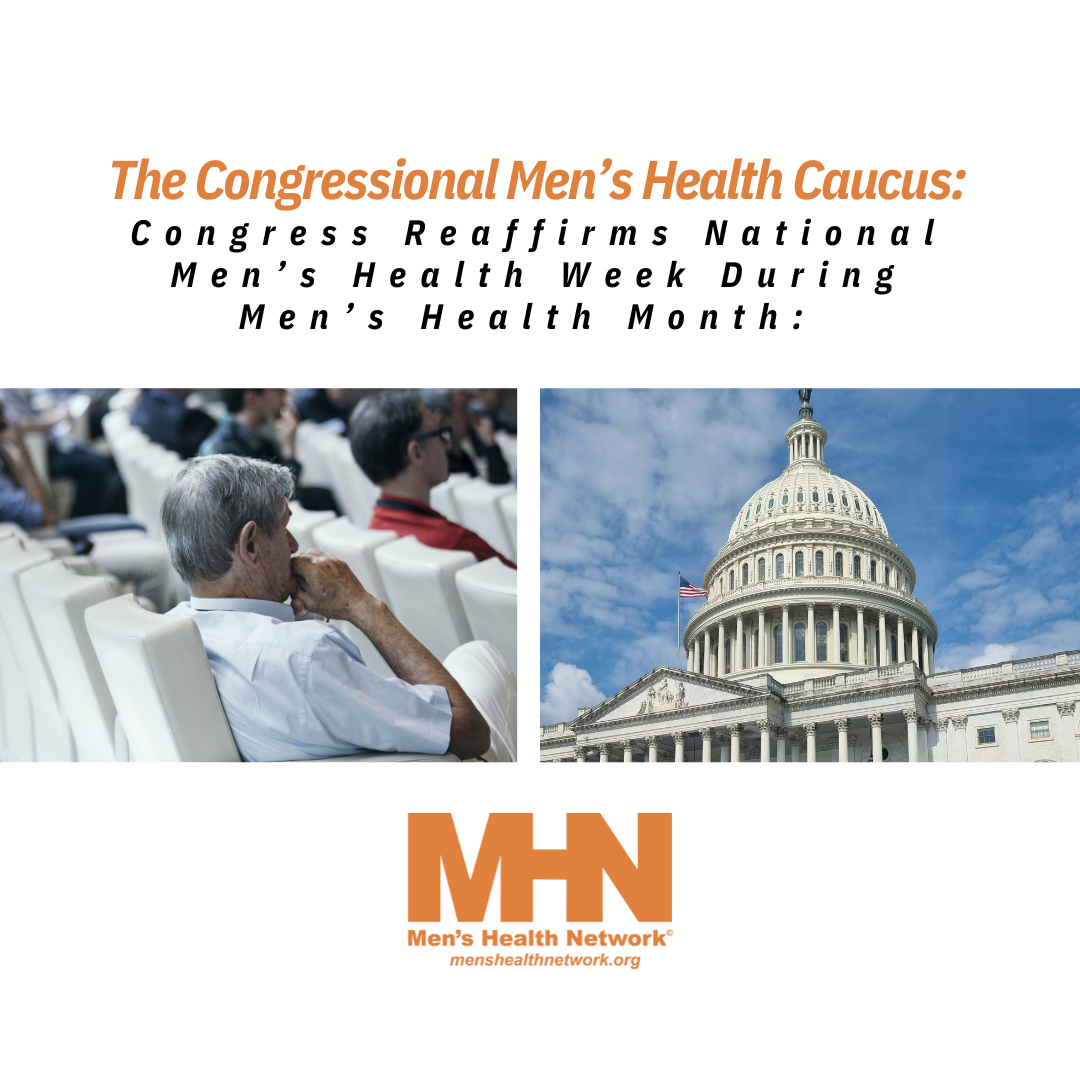
The Congressional Men’s Health Caucus: Congress Reaffirms National Men’s Health Week During Men’s Health Month

In recognition of Men’s Health Month 2025, Congressman Troy A. Carter Sr. introduced a bipartisan resolution honoring National Men’s Health Week (June 9–15). Backed by the Congressional Men’s Health Caucus, the resolution emphasizes the importance of preventive care for men, raising awareness about critical issues like prostate cancer, testicular cancer, mental health, and chronic disease. With men continuing to die younger and seek care less often than women, this action urges greater focus on early detection, routine health screenings, and breaking the stigma around men’s health care. Men’s Health Network encourages individuals and communities to take action and support men’s health awareness throughout the month of June.Continue reading

Dole’s career distinguished by efforts on behalf of men’s health

With his usual directness and humility, former Kansas senator and Republican presidential candidate Bob Dole, 97, announced in February that he is suffering from lung cancer.  It was the second time he had announced a cancer diagnosis, but less exceptional than the first time. In 1991, his office released the news that he had undergone...

Researchers compare ways to offer mental health services to underserved communities

A search in the iPhone app store for “mindfulness-based stress reduction” produces a seemingly endless stream of applications devoted to meditation.  But do they work as well as having a live person with whom you can interact on the other side of the screen? A study funded in 2020 by Patient Centered Outcomes Research Institute...Continue reading

Public Health in Action – A Silent Health Crisis

Of all the things in the fields of both public health and healthcare that pique my interest and attention most, it’s health disparities, specifically the numbers 5 and 7.  In a country as productive and innovative as ours, it’s a particularly vexing reality check whenever I’m faced with those two numbers, which I’ve listed below...Continue reading

Scroll to top